Last updated November 18, 2026


Free written scope consultation - allowances, timeline, and change-order rules on paper before a single trade is scheduled
How Long Does Fence Installation Take? Timelines and What to Expect
Most fence jobs in Miami Gardens take one to three days of physical labor. The project itself still runs four to eight weeks from signed scope to final walkthrough, and almost no contractor explains why upfront. The gap isn’t installation. It’s the calendar that runs before a single post goes in the ground: survey and marking, permit application, material procurement, site prep, then installation. Get the first four phases right and the fifth becomes routine. Get them wrong and your fence waits on an inspector, a back-ordered panel, or a utility crew that never showed. What follows is the honest week-by-week breakdown we’ve used to line up fence projects across Miami-Dade County, with the specific lead times, code steps, and scheduling traps that determine whether your fence lands on time.
Quick Answer
A typical residential fence installation takes four to eight weeks from signed contract to finished fence, with one to three days of actual installation at the end. In Miami-Dade County, permitting alone can add two to four weeks, and material lead times for custom or specialty fences add another two to six weeks on top of that. The single biggest variable is not the crew’s speed; it’s how early the pre-installation work started.
Styles & brands we work with
- Kitchen remodeling
- Bathroom remodeling
- Home additions & ADU
- Roofing
- Windows & doors
- Driveway & pavers
- Fence
Table of Contents
- The Five Phases of a Fence Project, With Realistic Day Counts
- How Long Does the Miami-Dade Fence Permit Take?
- Right-of-Way, HOA, and Survey Steps That Add Days
- Material Lead Times by Fence Type
- Site Prep: What Happens Before Day One of Install
- What Actually Happens During the Install Days
- What Your Signed Scope Should Say About Dates
- The Three Most Common Reasons Fences Run Late
The Five Phases of a Fence Project, With Realistic Day Counts
A fence goes up in phases, and only the last one involves a crew and a post-hole digger. Here’s how the calendar typically breaks down for a standard residential project in Miami Gardens, with realistic ranges for each phase.
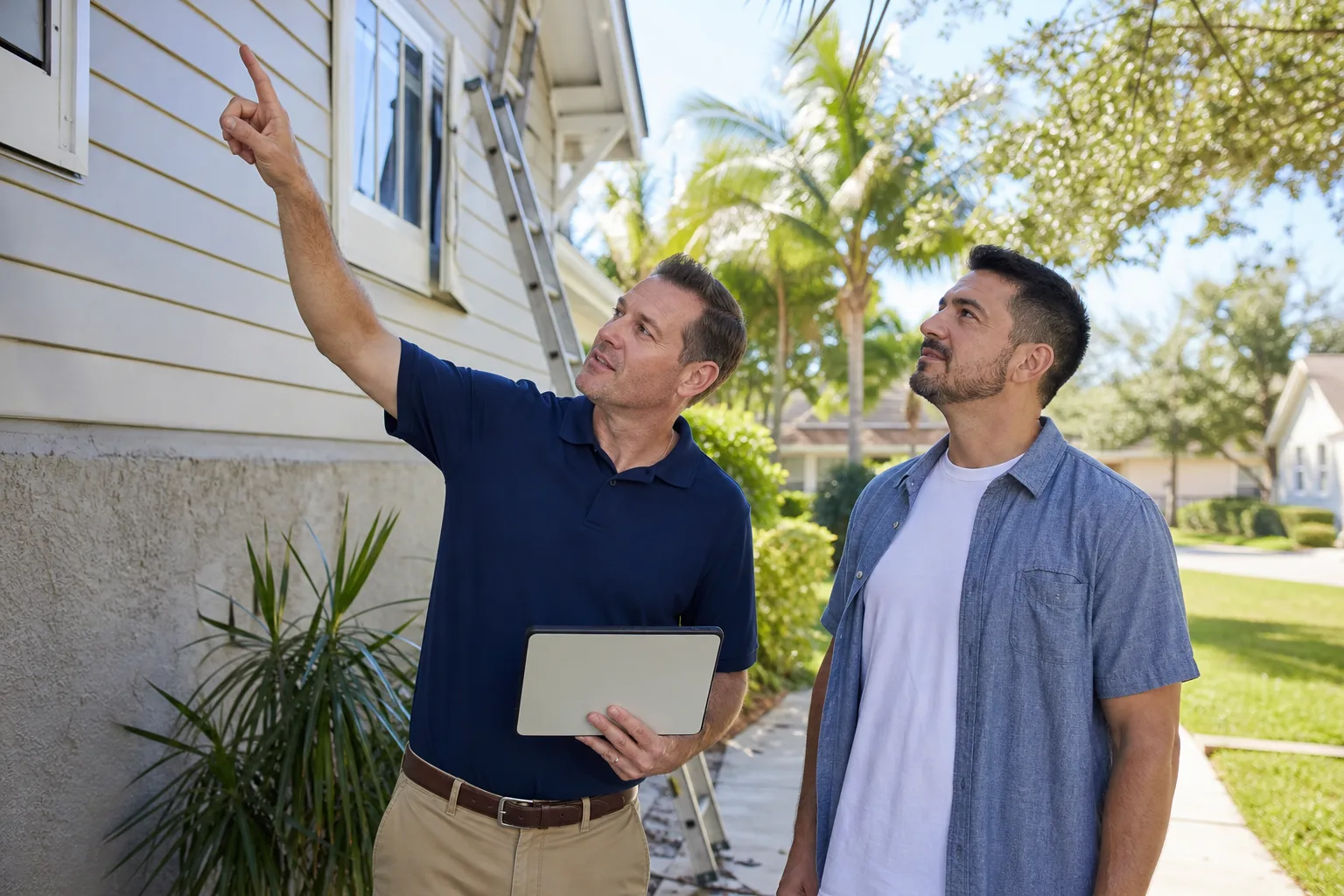
- Survey and marking (2 to 7 days). The property line is confirmed, the fence line is staked, and utility locate requests are filed with Sunshine 811. Utility marking alone takes three to five business days to schedule and complete. In older Miami Gardens neighborhoods, where lots can shift a foot or two from the plat, a boundary survey is often worth the extra cost.
- Permit application (14 to 28 days). Miami-Dade County permitting for a fence typically runs two to four weeks depending on workload and whether the fence sits in a right-of-way or flood zone. Plans and a certificate of survey are usually required.
- Material procurement (1 to 6 weeks). Stock materials arrive within days. Custom aluminum, cedar, and specialty vinyl can take weeks. More on this below.
- Site prep (1 to 3 days). Clearing brush, removing old fence, digging and setting posts, and confirming drainage. In Miami Gardens, wet season can push this by a few days if the ground is saturated.
- Installation (1 to 3 days). Panels, rails, gates, and hardware go up, followed by cleanup and a walkthrough.
The total is four to eight weeks for most projects. That math surprises people who’ve only watched the install days. The other four phases are what actually set the timeline, and they run in parallel if the contractor plans them properly. That’s the calendar the homeowner needs to see in writing. If your broader project also includes hardscape, we walk through that schedule in our guide to Driveway & Pavers in Miami Gardens, since pavers and fence often share a prep window.
How Long Does the Miami-Dade Fence Permit Take?
A residential fence permit in Miami-Dade County typically takes two to four weeks from application to issuance for a standard property-line fence, and longer if the fence sits within a right-of-way, an easement, or a flood zone. The county reviews fence permits under the Florida Building Code and the local zoning code, and the two reviews can run on different clocks.
- Standard property-line fence: two to three weeks. Plans plus a survey showing setbacks from the property line.
- Fence in a vehicular right-of-way or easement: three to five weeks. Requires a right-of-way use review and sometimes a separate signoff from the county’s right-of-way division.
- Corner lots: adds roughly three to seven days. Sight-distance triangles at the corner restrict fence height and placement, and the plan reviewer will flag it if the survey drawing doesn’t already show the setback.
- Fences over 6 feet, or fences near a canal or drainage easement: longer, and sometimes require a separate application through the water management district. South Florida Water Management District permits, when required, add weeks, not days.
Miami Gardens neighborhoods vary on this. A corner lot near Northwest 27th Avenue and a mid-block lot off 183rd Street can land on very different review tracks. Confirm the zoning designation on your lot before application, not after; a rejected application that has to be resubmitted costs you the full review time again. If your project involves anything structural next to the fence line, our Fence Installation in Miami Gardens page spells out the code checks we run before filing.
Right-of-Way, HOA, and HOA Approval Steps That Add Days
Right-of-way and HOA approvals run on different calendars from the county building permit, and they don’t always run in sequence. In our experience, right-of-way and HOA signoffs are where homeowners lose a week they didn’t budget for.
Right-of-way review happens when your fence will sit within a platted right-of-way, easement, or public utility strip. The county reviews it for sight distance, utility access, and drainage, and that review can run three to five weeks on its own. It does not replace the building permit; it sits on top of it.
HOA approval is a separate track. If your subdivision in Miami Gardens has a homeowners association, expect a design review that covers fence color, style, height, and sometimes post spacing and material finish. Turnaround depends entirely on how often the board meets. A board that meets once a month can cost you four weeks on its own even if the committee is friendly. Read the governing documents before you choose a material or style, and if you plan to sell within a year, ask the board to confirm the approval is documentable and transferable to a future owner. Some HOAs require the next owner to get re-approved.
Property line confirmation belongs here too. If the fence line hasn’t been surveyed and staked, a neighbor dispute or a miscount on the plat can stop the project cold. A boundary survey is the cheapest insurance on the whole job. Never let a fence go in on a guess about where the property line sits.
Material Lead Times by Fence Type
Material lead time is the single biggest driver between a standard four-week project and a six- or eight-week one. Here’s how the major fence types break down based on what we see in Miami-Dade supply chains. All of these are typical ranges; custom work is custom work, and each order is quoted individually.
- Aluminum, stock finishes and heights: 1 to 2 weeks. Black, bronze, and standard aluminum panels in 4, 5, or 6 feet usually ship from regional distributors within a week or two.
- Aluminum, custom: 3 to 6 weeks. Nonstandard heights, color powder coating to match a trim or a gate, and anything with a fabricated gate leaf runs on a custom shop calendar.
- Pressure-treated pine: 3 to 10 days. It’s the fastest material to source and the most common choice for privacy fences in Miami Gardens. It’s also the material most affected by moisture, so we prefer to set posts and let them acclimate in dry weather where the schedule allows.
- Cedar: 2 to 4 weeks. Some grades ship from regional suppliers in a week; clear, tight-knot western red cedar and any custom profile run longer. With our humid summers, expect to plan for seasonal movement.
- Vinyl (stock): 1 to 2 weeks. Standard white and tan privacy panels in common heights are readily available.
- Vinyl (custom color or height): 3 to 6 weeks. Same supply-chain logic as custom aluminum.
- Gates and hardware: add 1 to 3 weeks if anything is fabricated (welded frames, custom latches, self-closing hinges).
Two things make this hard to plan around in South Florida. First, the summer rainy season (roughly June through October) slows more than install; it stalls deliveries on wet pallets and wet ground. Second, hurricane season (June through November) can create supply surges on galvanized and aluminum fence hardware as crews rebuild across the region. Both are reasons to place material orders the week the permit application goes in, not after the permit comes back. A written order date is part of the schedule.
Site Prep: What Happens Before Day One of Install
Site prep is the phase that looks invisible from the street but eats real days. Here’s what actually happens before the crew shows up for install.
- Utility locate confirmation. A private utility locate request and the county’s 811 ticket should both be returned and marked before a post hole is dug. In Miami Gardens, older neighborhoods have water, sewer, and irrigation lines that don’t always follow the plat drawings. Dowsing or guessing is not a substitute.
- Existing fence removal. A typical crew can pull an old chain-link or wood fence in half a day to a day. Concrete footings slow this to a full day.
- Brush and stump clearing. A half-day to a day depending on how established the vegetation is. Sea grape, ficus, and palm volunteers along the fence line need to come out to the root.
- Post-hole digging. Done on install day in most cases, but on hard limestone or coral rock the crew may need a full extra day. Nonstandard footings (deeper, wider, or with concrete) add another half-day.
- Drainage and grade check. Confirm the fence line doesn’t dam stormwater against the house or the neighbor’s yard. Miami-Dade is flat and drains slowly; a fence that traps water is the source of most of the complaints we hear about.
Every one of these steps has a crew and a calendar behind it. When the phase runs into a storm week, or when a utility locate ticket comes back with a conflict that needs a second look, the install shifts by days. Knowing this ahead is what makes the schedule honest.
What Actually Happens During the Install Days
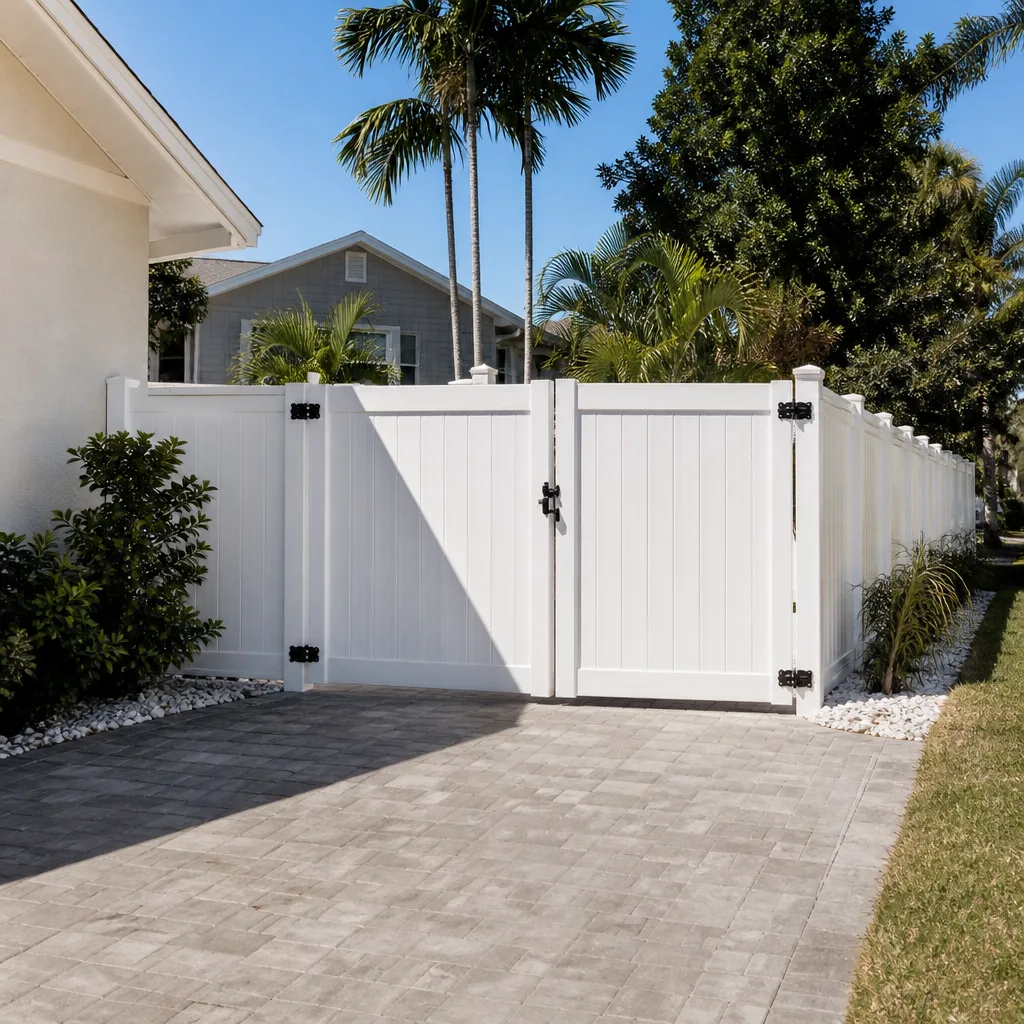
Installation is the visible part, and it usually runs one to three days for a typical residential fence. The day count comes down to fence length, material, and how many gates. Here’s the rhythm of a two-day install for a standard 6-foot privacy fence.
- Day 1, morning: posts are set and checked for plumb. Concrete footings go in around the posts and are left to cure per the material spec.
- Day 1, afternoon: rails and framing are set on the posts. Gates are measured and roughed into place.
- Day 2, morning: panels, pickets, or infill go up. Hardware and latches are adjusted.
- Day 2, afternoon: gate swings are dialed in, cleanup, and the walkthrough with the customer. Photos of the finished fence are taken and included as part of the record.
Longer runs (over 200 linear feet) and double-drive gates add a day. Staining or sealing wood pickets adds a day or two depending on the product and the weather; if your fence will need a finish coat, ask whether it’s included in the install window or scheduled separately. The crew should not disappear between phases; the walkthrough is where issues get logged and documented. Our crews carry a photo record on every visit as standard, and that record is useful if anything needs attention later under the 365-Day Done Right Promise.
What Your Signed Scope Should Say About Dates
A written scope document is the difference between a project that has a schedule and a project that has an intention. The scope should name specific milestone dates, not just a start and finish.
- Date of permit application. Not “we’ll apply next week.” An actual date.
- Material order date and expected delivery window. Naming the supplier or brand is fair; you can check the lead time independently.
- Site prep date. The date the crew arrives for utility locate confirmation and existing fence removal, separate from install day.
- Install start date and anticipated duration. One to three days in most cases, but a specific number, not a vague “a few days.”
- Contingencies. What happens to the schedule if the county review runs long or a material shipment slips? A good scope says so, and it references a change order path for any scope or schedule change that exceeds an agreed buffer.
- Change order requirement. No change proceeds without a signed change order. That clause is the reason Rowan’s project costs land within a few percent of the agreed number across every trade we touch.
The price is written before any work starts, on every project and every trade, because that’s the founding discipline of the Haven Standard. If a scope document you’re signing doesn’t contain a written price and written milestone dates, that’s a signal to ask why, not a reason to sign anyway. If a contractor hands you a competitor’s quote, we’ll review it line by line at no charge through our Free Second Opinion offer. That applies to fence scopes too.
The Three Most Common Reasons Fences Run Late
In our experience, almost every fence that runs over schedule runs over for one of three reasons. Knowing them before you sign is the best protection you can buy.
1. Utility marking delays
Sunshine 811 requires a minimum of three business days for locate requests, and the actual return can run longer during peak season. If the request goes in after the permit application rather than the same week, you’re losing days you didn’t have to lose. Ask any contractor: “When do you file the locate request, and in what order relative to the permit application?” If the answer is fuzzy, that’s a red flag.
2. Material back-orders
Custom aluminum, custom vinyl color, certain cedar grades, and fabricated gates all have lead times that can stretch in supply crunches. Ask: “Which specific brand and item number are you ordering, and what’s the current quoted lead time?” A contractor who can tell you the SKU and the ship date is managing procurement. One who can’t isn’t.
3. Inspector availability
Fence inspections on permitted jobs in Miami-Dade run on the county’s schedule, and the wait can vary from days to a week or more. Ask: “Who schedules the inspection, and do you schedule the inspection as soon as the permit is issued?” Also worth asking: “Do you handle the final inspection signoff, or does that fall to me?” The best contractors own the inspection calendar end to end.
Three more guardrails before signing: ask for a written start date, ask who handles HOA signatures if applicable, and ask what the contractor’s process is when a slug of weather hits install week. A rain-out day is not a schedule collapse if the subcontractor and inspection are already queued. It is if they weren’t.
Common Mistakes to Avoid
- Ordering material before confirming the permit path. If the fence line runs into a right-of-way review or HOA signoff, the material may sit in the yard for weeks before the permit comes back. Confirm the permit path first, then order.
- Signature on an HOA form before checking the governing documents. Some Miami Gardens HOAs restrict fence height, color, and material in ways the county code doesn’t. Read the docs first; the design review can cost a month even when the board is friendly.
- Picking a fence style before a survey is staked. Existing fences are often off the property line by a foot or more. Order the survey and the stake-out first; the fence style can wait.
- Accepting a verbal start date. If the start date isn’t in writing next to a specific week and a signed price, it’s a wish, not a schedule.
- Ignoring the drainage line. A fence that dams stormwater against the slab or the neighbor’s yard becomes a much larger repair. Flag drainage during site prep, not after the panels are up.
- Assuming install day count equals project length. A one-day install in a four-week permit cycle is not a one-day project. Budget the calendar, not just the labor.
- Skipping the final walkthrough. The walkthrough and the photo record are what make a later warranty claim easy. Get them documented before the crew leaves the site.
See the difference
 Before
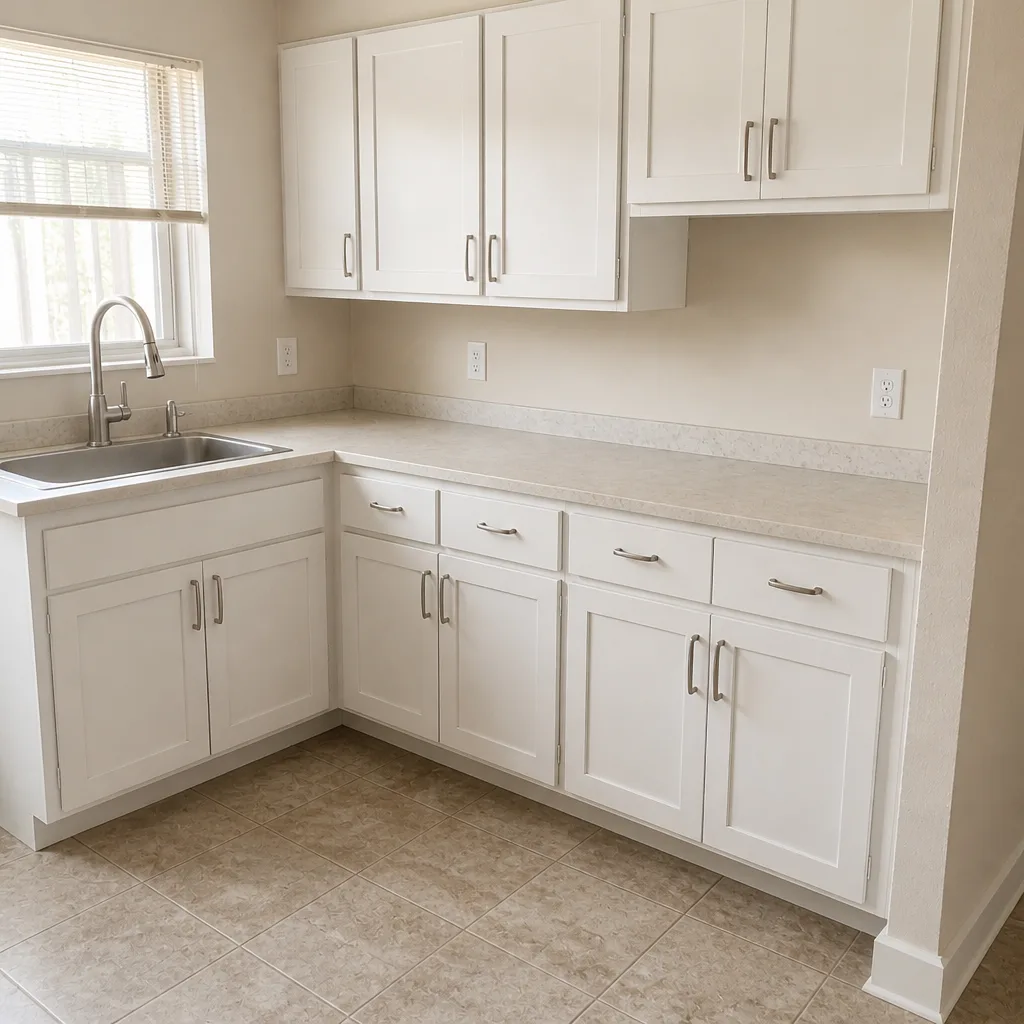 After
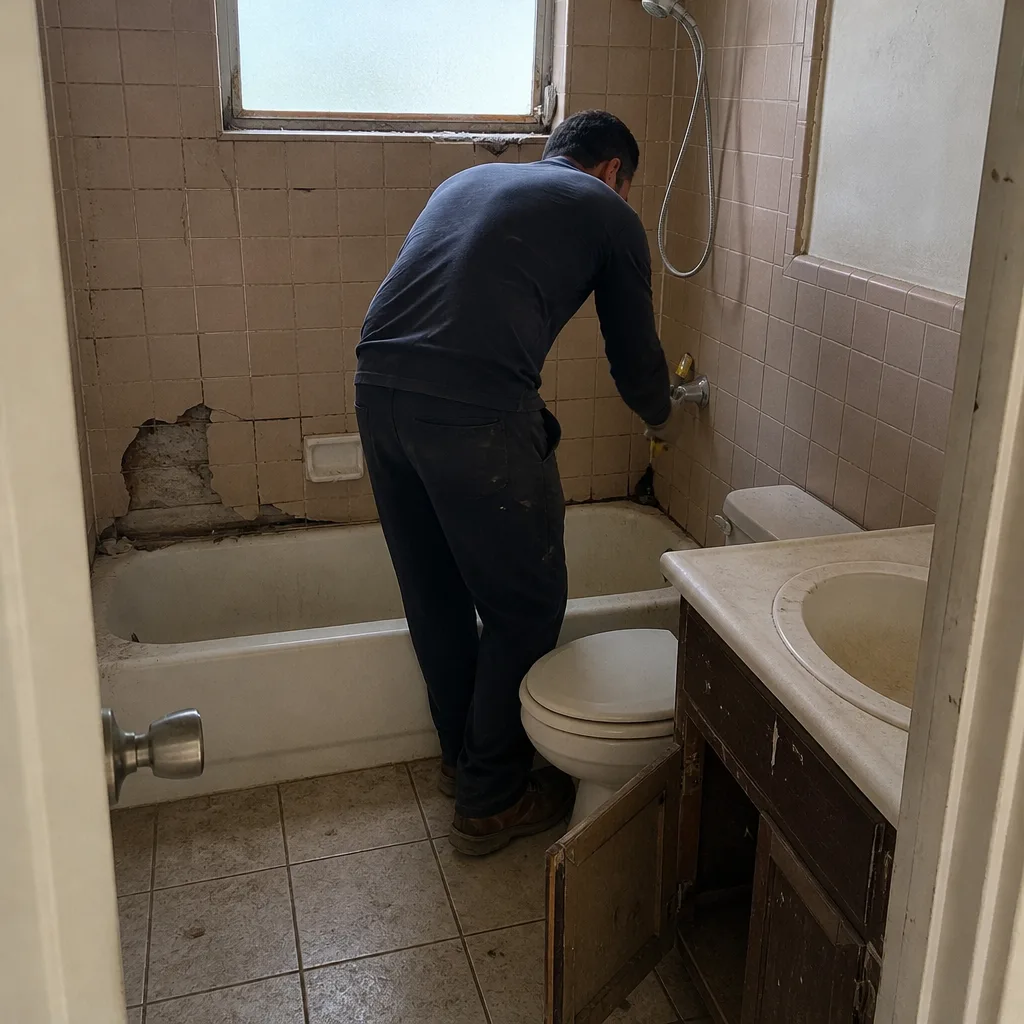 Before
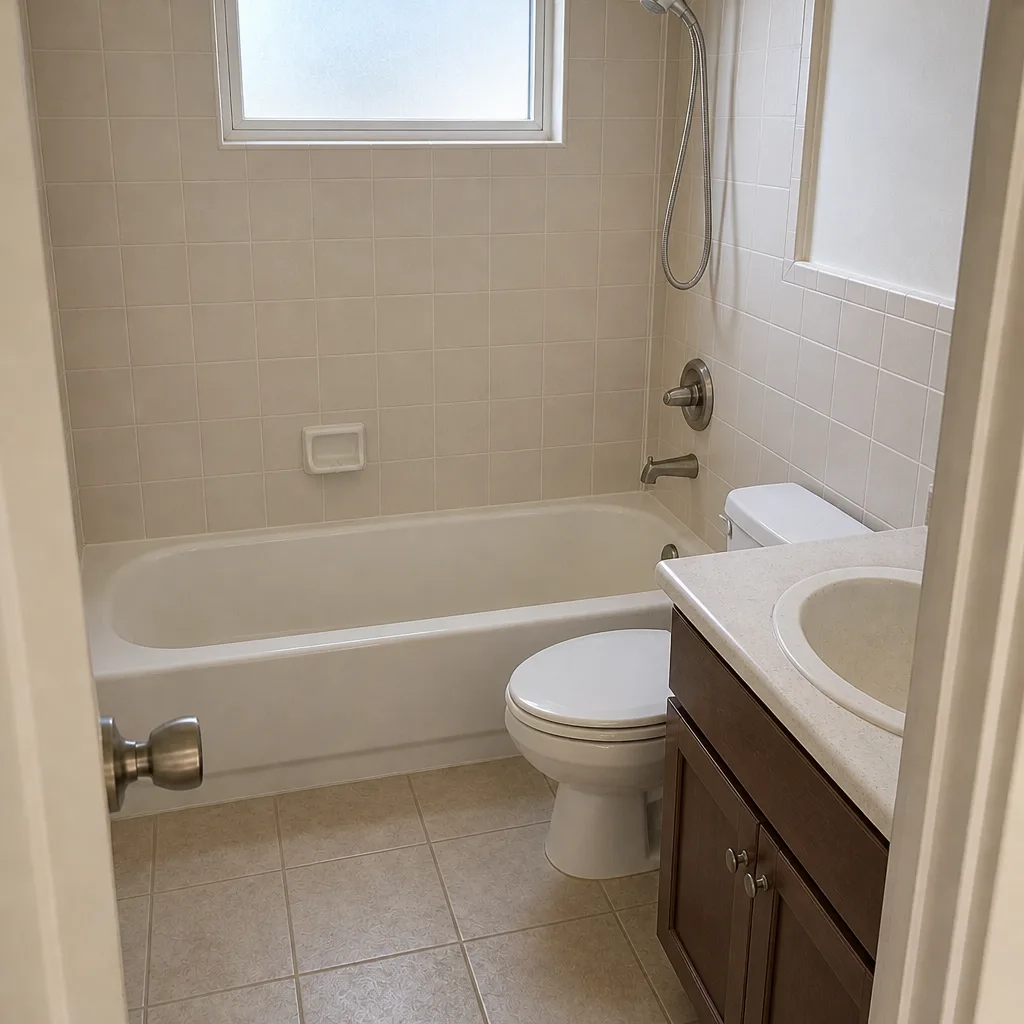 After
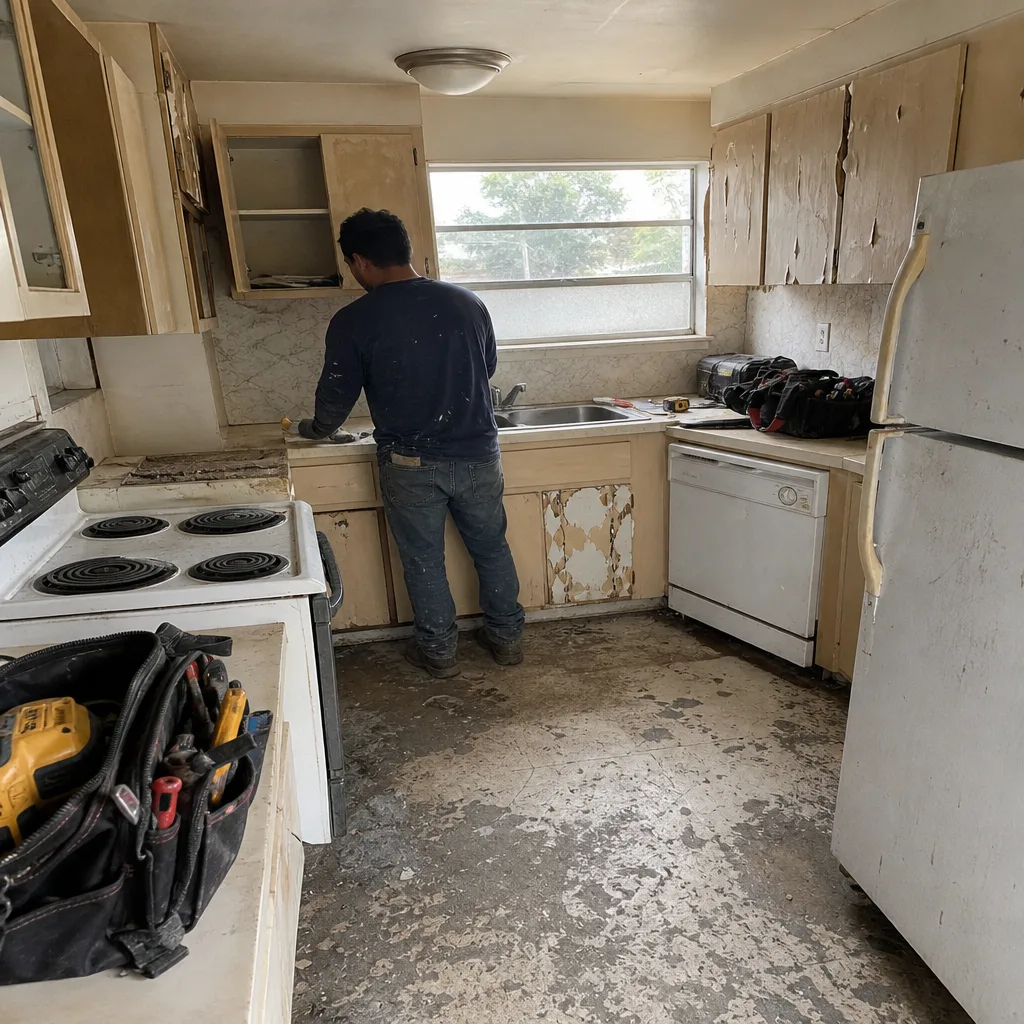 Before
 After
When to Call a Professional
Hire a licensed, insured fence contractor if any of these are true: your fence sits within a right-of-way or easement, your property line is unclear, your HOA requires a formal design review, your fence is over 6 feet tall, your yard has hard limestone or coral rock that will need powered equipment, or you want the warranty on workmanship. The same advice applies if you’ve already had a failed DIY install and need it corrected. A professionally filed permit, a staked survey, and a proper locate request handle the parts where mistakes cost the most. Rowan Construction Group Miami Gardens offers free estimates in Miami Gardens – call (844) 320-5198 to schedule yours. Read more about how we approach Rowan Construction Group Miami Gardens home projects and every trade that touches a fence line. If a future addition is on your horizon, our Home Additions & ADU in Miami Gardens guide shows how the fence and the structure schedule interact.
Frequently Asked Questions
Fence installation in Miami Gardens usually runs four to eight weeks from signed contract to finished fence, with one to three days of actual installation at the end. The rest of the calendar is the permit review (two to four weeks), material procurement (one to six weeks depending on the material), and site prep (one to three days). Call (844) 320-5198 for an exact timeline on your property – estimates are free.
Yes, most residential fence installations in Miami-Dade County require a building permit, and the review typically takes two to four weeks. Fences in a right-of-way or an easement require an additional review. Confirm the requirement for your specific lot before ordering materials; a permit application with the wrong scope gets kicked back and the review clock restarts. Call us for a free second opinion on any written estimate you’ve already received.
A pressure-treated pine privacy fence in South Florida typically lasts 10 to 15 years with annual inspection and periodic staining or sealing. Cedar, in our experience, runs a longer arc but needs the same maintenance in Miami-Dade’s humidity, and the post material often fails before the pickets do. We recommend pressure-treated or ground-contact-rated posts regardless of the fence style, and we’ll quote the upgrade in the written scope so the price difference is visible.
Light rain slows work and often stops it for safety, but a properly built fence can be installed in wet conditions if the posts are set in concrete and the footing isn’t a mud pit. The bigger issue in Miami Gardens is scheduling: a rainy week can push install by one to three days. We build a weather buffer into the scope so the customer sees the written start and end dates, not just the install day count.
No, the price is written before any work starts, and no change proceeds without a signed change order. Clause 1 of the Haven Standard is the whole point: the flat written price is the agreement. If an unexpected condition like buried concrete or a utility conflict comes up, you see the number for the change in writing and approve it before anyone touches the work. Call (844) 320-5198 for a written price on your fence scope.
Yes, we file the fence permit with Miami-Dade County and manage it through inspection, including the final signoff. That’s one of the differences between a professional installation and a job that stalls on the county calendar. Bring a competitor’s quote and we’ll review it line by line at no charge through our Free Second Opinion offer. Estimates are free.
The Bottom Line
The installation itself is the shortest part of a fence project, and almost every scheduling problem comes from before the crew arrives. Plan for four to eight weeks from signed contract, budget two to four weeks for the Miami-Dade permit, and place the material order the same week the permit goes in. Confirm your survey early, read your HOA documents before choosing a style, and insist on a signed scope with real milestone dates. A written price and a written schedule are the two documents that decide whether your fence lands on time or becomes another story about the contractor who kept saying “next week.” Rowan Construction Group Miami Gardens backs every project with the 365-Day Done Right Promise and a written price before work starts, across every trade we touch. Call (844) 320-5198 for a free estimate and we’ll put the schedule in writing.
Written by the team at Rowan Construction Group Miami Gardens.