
Last updated November 18, 2026





Free written scope consultation - allowances, timeline, and change-order rules on paper before a single trade is scheduled
How to Hire a Construction Contractor in Miami Gardens: A Step-by-Step Guide
Florida’s Department of Business and Professional Regulation logged 1,847 contractor complaint cases in Miami-Dade County between 2020 and 2023, and the majority of those disputes came down to scope: what the homeowner thought they bought versus what the contract actually said. That’s not a workmanship problem. It’s a paperwork problem, and it’s preventable before a single permit is pulled. Most hiring guides tell you to get three bids and read reviews, which mostly teaches you to pick the cheapest number on paper. This guide takes a different approach. We treat contractor selection as a document audit, because in Miami Gardens the contractor who can prove competence with paper before the handshake is the one who finishes the job without a fight. By the end you’ll know exactly which documents to demand, what each one should say, and which local red flags should send you walking.
Quick Answer
To hire a construction contractor in Miami Gardens, verify three things before you sign anything: a current DBPR license with the qualifier’s name matching the person you’re dealing with, a Certificate of Insurance that shows both general liability and completed operations coverage, and a written contract with a payment schedule tied to completed milestones rather than calendar dates. Then confirm the change-order clause requires your signature before any additional work or charge. A contractor who can produce all four without excuses is a contractor worth pricing a project with.
Styles & brands we work with
- Kitchen remodeling
- Bathroom remodeling
- Home additions & ADU
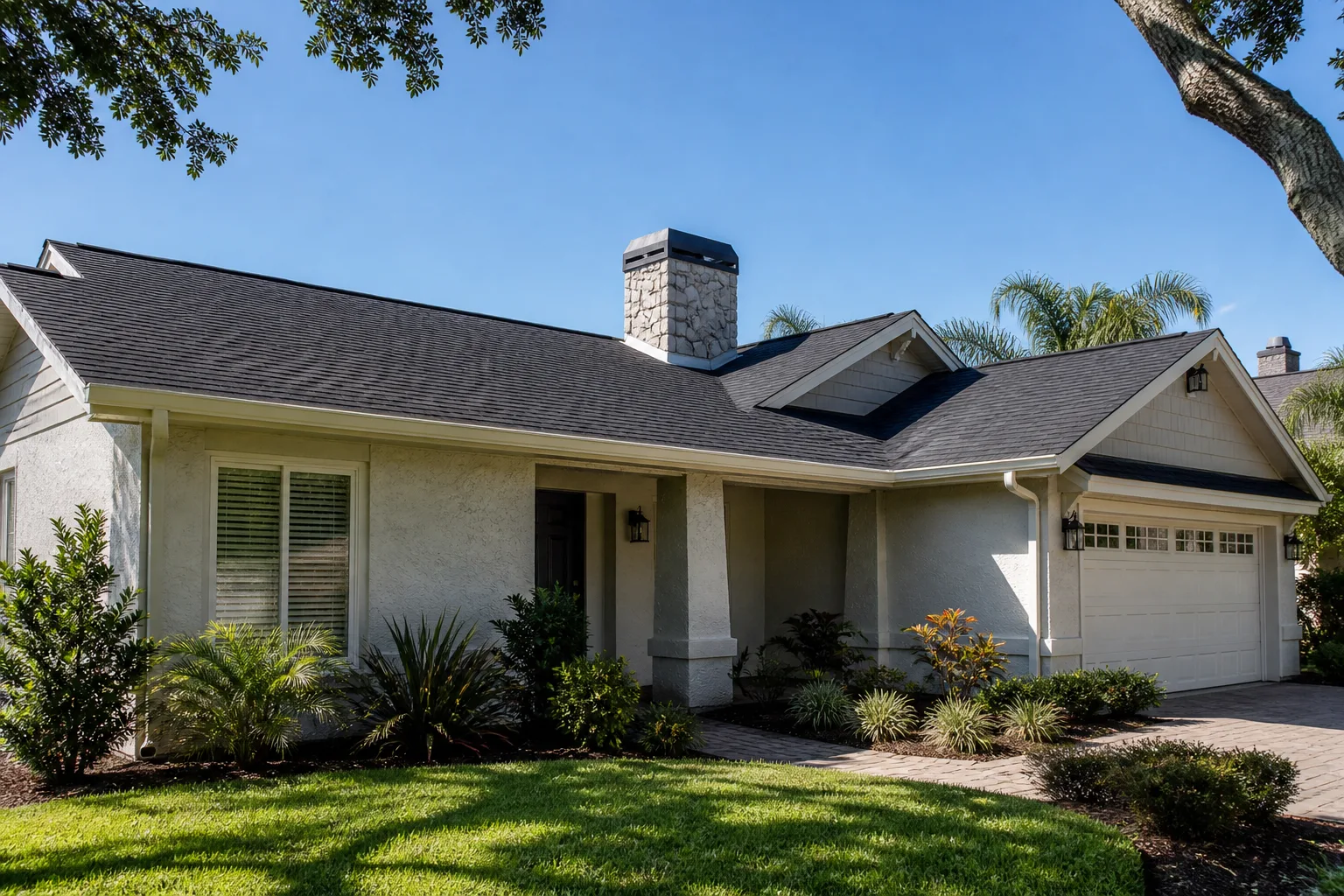
- Roofing
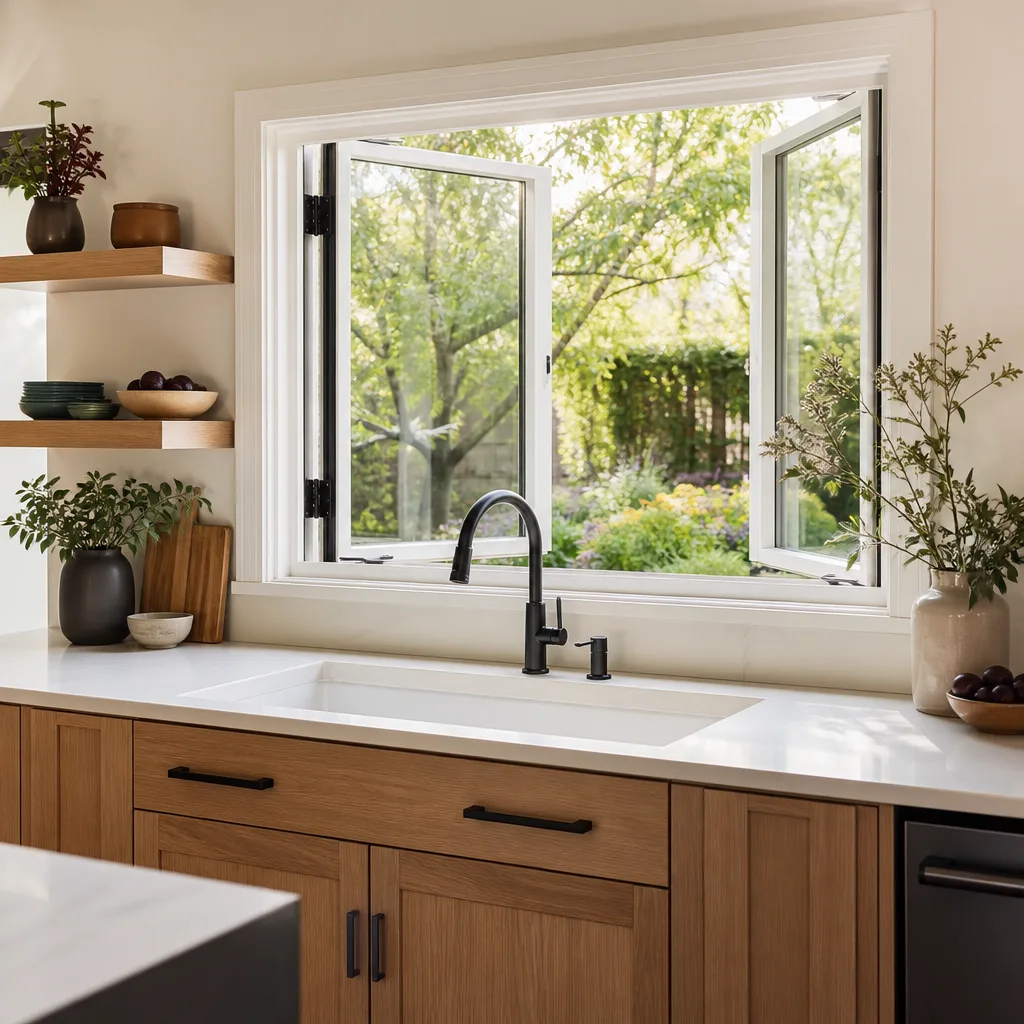
- Windows & doors
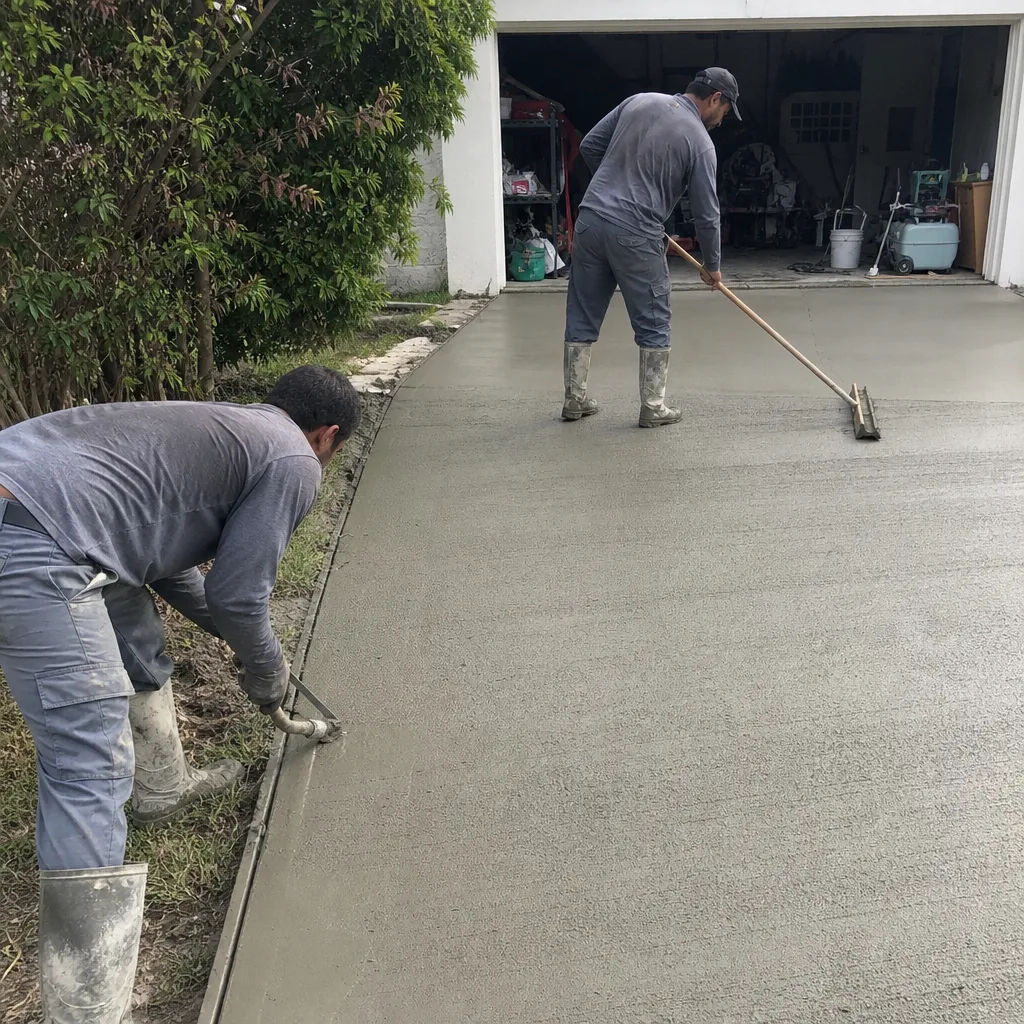
- Driveway & pavers
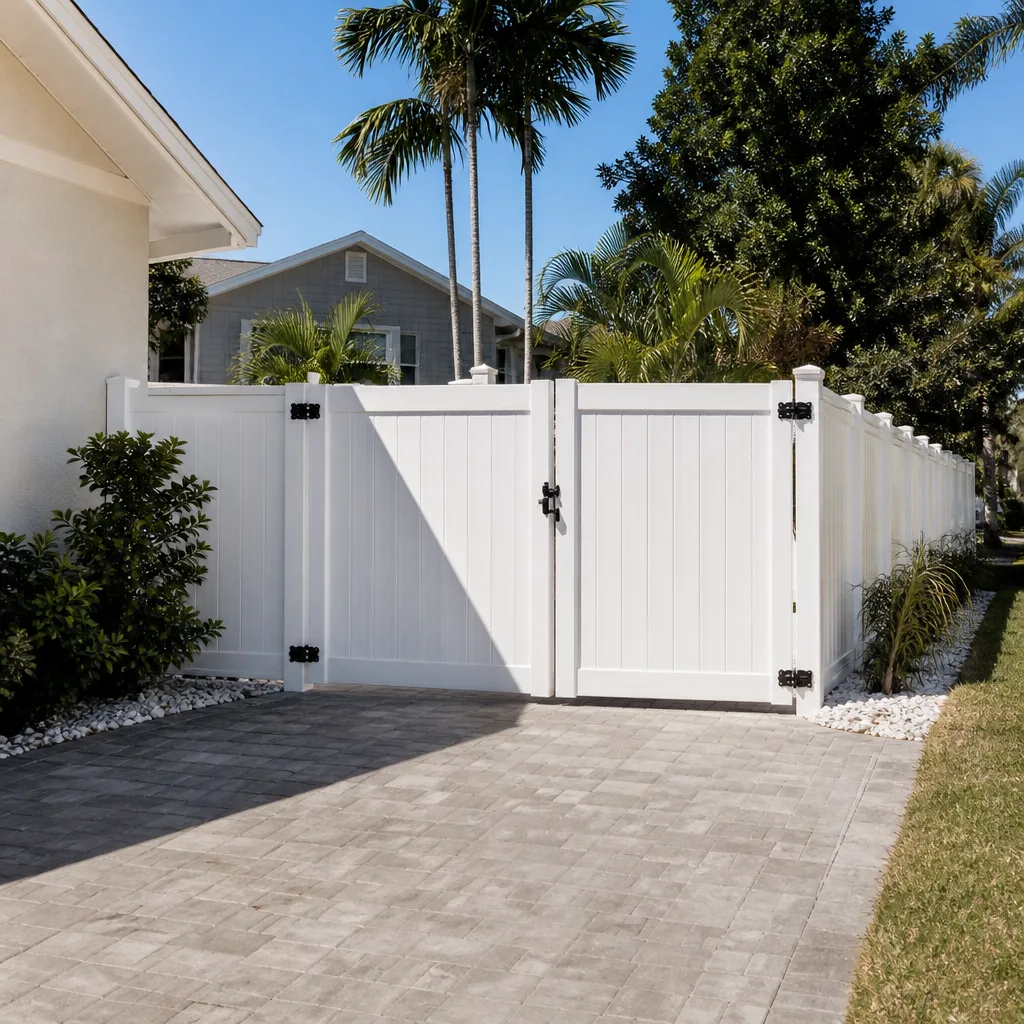
- Fence
Table of Contents
- How to Look Up a Contractor’s License in Florida
- Reading a Certificate of Insurance: General Liability vs. Completed Operations
- The Line-by-Line Contract Checklist
- Why the Change-Order Clause Decides Your Final Price
- How to Verify Subcontractor Licensing (and Why It Protects You)
- Miami Gardens Red Flags to Watch For
- What Construction Pricing Should Look Like on Paper
- Common Mistakes to Avoid
How to Look Up a Contractor’s License in Florida
Every legitimate construction contractor in Miami Gardens holds either a state certified license or a registered license through the Florida DBPR. The license number follows a format you can read at a glance: a “C” prefix with a two-letter trade code and a string of digits (CGC for a certified general contractor, CBC for a certified building contractor, CRC for a certified roofing contractor, and so on). If someone hands you a business card with no license number, that’s your first data point, and it’s not a good one.
Here’s the sequence we recommend to every homeowner who calls us for a second opinion:
- Go to the DBPR license search and enter the license number, not the company name. Company names change; license numbers don’t.
- Confirm the license status reads “Current, Active.” A “Delinquent” or “Null and Void” status means the contractor isn’t authorized to pull permits today, regardless of what the truck says.
- Check the qualifier name. The qualifier is the individual who passed the state exam and carries the license. Ask the person quoting your job whether they are the qualifier or work under one. If they can’t answer, that’s a second data point.
- Verify the insurance certificate expiration date against the license record. If the DBPR shows insurance expired and the contractor hands you a certificate with a current date, ask which one is accurate.
- Ask for the Miami-Dade local business tax receipt. It should show the business name, the physical address, and a current receipt year. A photocopy from three years ago is not a receipt.
This takes about ten minutes and it eliminates most of the contractors you’d regret hiring. If you’d rather skip the research and start with a vetted professional, we’re happy to walk you through what our own documentation looks like before you commit to anything. Start at the Rowan Construction Group Miami Gardens home page, where the license and insurance details sit on the page rather than in a footnote.
Reading a Certificate of Insurance: General Liability vs. Completed Operations
Most homeowners glance at a Certificate of Insurance, see the word “liability,” and hand it back. That’s a mistake, because the coverage line that matters most after the crew leaves is the one nobody points to: completed operations. A policy that covers general liability protects you while the crew is working. Completed operations coverage protects you for damage discovered months later, after the job is finished and the crew is on another site.
Here’s how the two differ in plain terms:
- General liability covers injury or property damage that happens during active work, like a ladder falling through a window while the crew is on site.
- Completed operations covers defects or damage that emerge after the work is done, like a roof flashing failure that causes interior water damage eight months after installation.
- Workers’ compensation covers injuries to the contractor’s own crew. If a contractor has no workers’ comp and a worker is hurt on your property, you can end up exposed.
When you receive a certificate, call the insurance agent listed on the document and confirm two things: the policy is active and the certificate is genuine, and the completed operations coverage is in effect. In Miami Gardens, where summer storm season can expose a roofing or window installation defect within weeks of the job finishing, that second question is the one that matters. A contractor who hesitates to hand over a certificate is telling you something.
The Line-by-Line Contract Checklist
A construction contract is not a formality. It’s the only document that governs what happens when the job goes sideways, and in our experience the difference between a project that closes within a few percent of the agreed price and one that spirals is almost always written into the contract language before work starts. Bring this checklist to your first sit-down with any contractor in Miami Gardens.
- Scope of work. Every task listed in writing, with materials named by brand and specification where possible. “Install tile” is not a scope. “Install 12×24 porcelain tile on bathroom floor and walls, with Schluter waterproofing membrane” is a scope.
- Payment schedule tied to milestones. Payments should follow completed work: foundation poured, framing inspected, drywall hung, final inspection passed. A payment schedule tied to calendar dates rewards a contractor for showing up, not finishing.
- Change-order clause. The contract should state that no additional work or charge proceeds without a signed change order from the homeowner. This single clause is the most important thing in the document.
- Lien waiver requirement. A lien waiver is a signed statement from the contractor and its suppliers confirming they’ve been paid and won’t file a mechanic’s lien against your property. Build it into the payment milestones.
- Dispute resolution method. Mediation, arbitration, or court, named specifically. Vague language like “the parties will work it out” is not a method.
- Written warranty. What’s covered, for how long, and who performs the work if something fails.
At Rowan Construction Group, that discipline is the entire point of how we work: a flat written price and written scope before anything starts, and no change proceeds until the change order is signed. Across 4,000-plus projects, it’s the reason our final numbers land within a few percent of the agreed cost. It also means the contract you sign is one you can actually read.
Why the Change-Order Clause Decides Your Final Price
If you read one section of this guide carefully, make it this one. The change-order clause is where the final price of your project is decided, and it’s where most Miami Gardens homeowners get surprised. A contractor can quote you a number that looks competitive and still finish far above it, all through oral change orders that never reach paper.
An oral allowance promise is the most common version: “Don’t worry about the cabinet line in the quote, we’ll sort that out on site.” That’s not a scope, it’s a placeholder, and the moment your selections run over the allowance, you’re paying the difference without a signed document to check it against. The fix is simple. Demand that every allowance in your contract be listed in writing with a dollar figure and a defined selection range, and demand that any change to the scope require a signed change order that you initiate or approve in writing.
Here’s what a well-built change-order process looks like:
- The contractor submits a written change order describing the additional work, the additional cost, and the effect on the project timeline.
- You review it, ask questions, and either sign or decline.
- No work proceeds on the change until your signature exists.
- A copy of every signed change order is kept with the original contract.
Under Clause 1 of The Haven Standard, the price is written before anyone starts. That’s not a marketing line, it’s a contractural commitment printed on every page and backed by a terms page. If a contractor in Miami Gardens can’t show you where their change-order clause sits in the contract, ask them to show you. The answer tells you everything.
How to Verify Subcontractor Licensing (and Why It Protects You)
Florida statute requires a general contractor to disclose the subcontractors it intends to use, and that disclosure protects you in a way most homeowners don’t realize. If an unlicensed subcontractor works on your property and something goes wrong, liability can transfer to you as the homeowner. That’s not a technicality, it’s a real legal exposure that can surface years after the job is finished.
Ask for the subcontractor list in writing before work begins. For projects in Miami Gardens involving roofing, electrical, or plumbing, each sub should hold its own license in the appropriate trade, and each license should come back “Current, Active” through the same DBPR lookup you used on the general contractor. Check the subcontractor’s insurance certificate separately too; a general contractor’s policy doesn’t always extend to the sub’s workers.
For larger projects that involve multiple trades, our Home Additions & ADU in Miami Gardens guide walks through what the sub list should look like on a larger build. The same principle holds on smaller jobs. Ask for the names, verify the licenses, and keep the list with your contract.
Miami Gardens Red Flags to Watch For
Some red flags are universal, and some are specific to the way contractor solicitation works in South Florida. These are the three we see most often in Miami Gardens, and each one is preventable with a document.
Post-storm roofing solicitors
After a significant storm, unlicensed roofing solicitors appear in residential neighborhoods, sometimes going door to door, offering to “assess” damage. Any contractor who shows up uninvited after a storm and wants to start work before you’ve verified a license is a contractor to walk away from. Legitimate roofing work starts with a written scope, a license number, and an insurance certificate, not a clipboard and a promise.
Oral “allowance” promises
An allowance is a placeholder dollar figure in a contract for a selection you haven’t made yet, like cabinets or countertops. It’s a legitimate line item when it’s written with a real number and a defined range. It becomes a red flag when it stays oral. Any promise that runs alongside “we’ll sort that out later” is a promise you can’t enforce.
Lump-sum bids with no material specifications
A lump-sum bid with no named materials is a bid you cannot compare. When a roofing quote says “$14,000 for roof” and doesn’t name the shingle brand or the layer count, the contractor has room to install a product you didn’t agree to. When it says “Tamko Heritage shingles, 30-year, tear-off to decking, ice and water shield at valleys,” you know what you’re buying. The clearer bid is almost always the one built by someone who has actually priced the job for your specific home.
What Construction Pricing Should Look Like on Paper
In Miami Gardens, as across Miami-Dade, the cost of a construction project depends on the trade and the scope, and we can’t quote a real number without seeing the property. But we can tell you what the paperwork should look like before you commit, on any trade we work in. A kitchen remodel in Miami Gardens carries different material and labor costs than one in Broward, mostly because of permit timelines, inspection scheduling, and the cost of shipping materials through the county. Ask any contractor to show you where those line items sit in their quote.
Here’s what a well-built written quote contains, on every trade from Roofing through Driveway & Pavers:
- A flat price per line item, in dollars
- A named product and specification for every material, including roofing shingles, cabinets, countertops, pavers, and fixtures
- A stated scope of work, with exclusions listed
- A written warranty, with duration and coverage
- A payment schedule tied to milestones
We name brands in our quotes because it makes the number honest. KraftMaid and Wellborn cabinets, Cambria and Caesarstone countertops, GAF and Owens Corning roofing, Kohler and Toto fixtures, Belgard and Techo-Bloc pavers, and PGT and CGI windows all carry specific costs, and a quote that doesn’t name them can only be honest by accident. When the brand is on the page, the number can be checked. For a specific example of how a written price works on a hardscape job, see our Driveway & Pavers in Miami Gardens page, where the line items and specifications are listed in the same format you’ll get on any other project.
We also offer a free second opinion on any written estimate. Bring us a competitor’s quote and we’ll review it line by line at no charge, whether you hire us or not. That includes flagging any place where the scope is vague, the allowance is oral, or the material isn’t named.
Common Mistakes to Avoid
- Hiring the lowest bid without comparing line items. The cheapest number on paper is usually cheapest because something was left out of the scope. Compare what’s included, not what’s quoted.
- Accepting an oral promise to “sort out” an allowance. The allowance becomes a change order later, and without a signed document, the change can go whichever way the contractor prefers.
- Skipping the DBPR lookup because the contractor seems professional. A professional presentation and a current license are separate things. Verify the license every time, no exceptions.
- Paying a large deposit before the contract is signed. Payment follows the document, not the conversation. No signed contract, no payment.
- Ignoring the completed operations line on the insurance certificate. General liability protects you during the job. Completed operations protects you after it. Confirm both.
- Letting a storm-season solicitor start work before any verification. Post-storm door-knocking is common in Miami Gardens. Any contractor who won’t wait for you to verify their license is a contractor who has something to hide.
- Not asking for the subcontractor list. Florida requires disclosure, and an unlicensed sub on your property can transfer liability to you. Ask for the list in writing.
If you’re also hiring for exterior work, the same document discipline applies. Our Fence Installation in Miami Gardens guide shows what the walk-through and written scope look like on an outdoor project.
See the difference
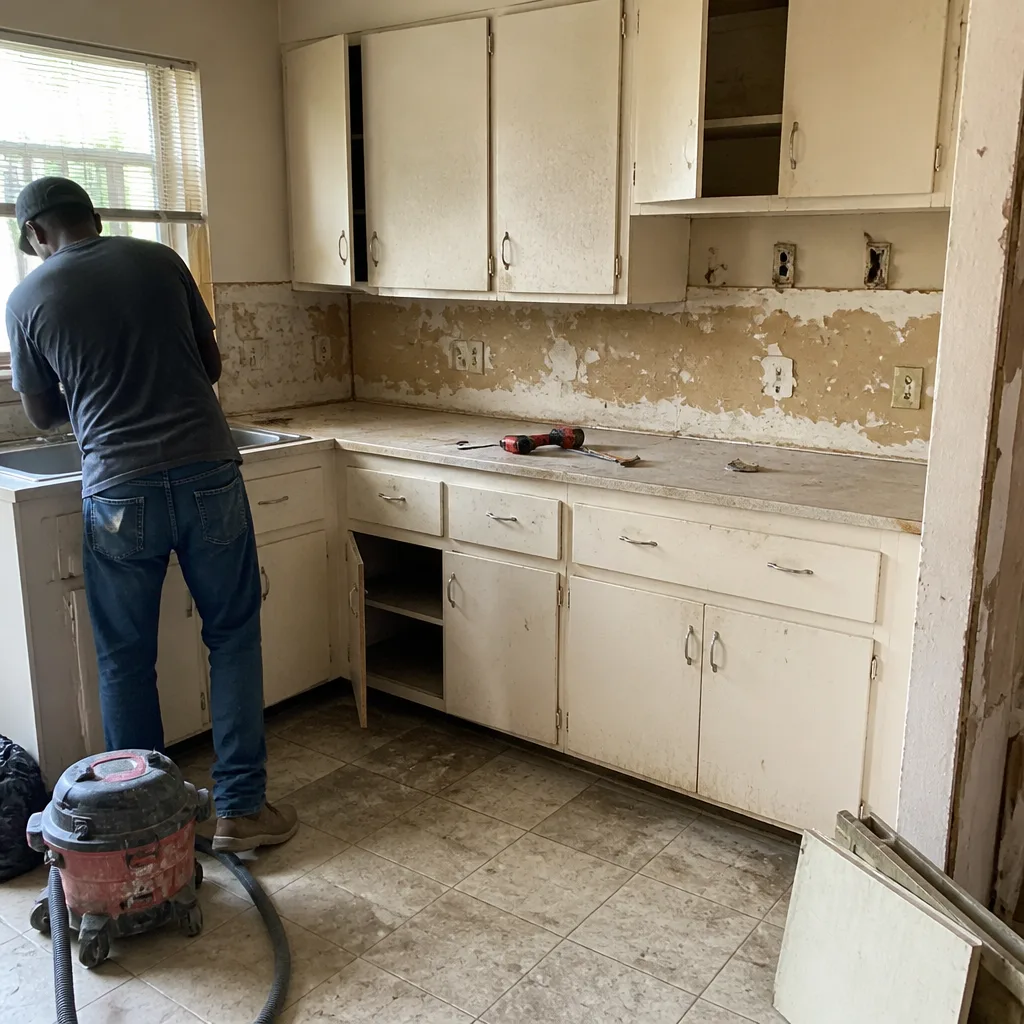 Before
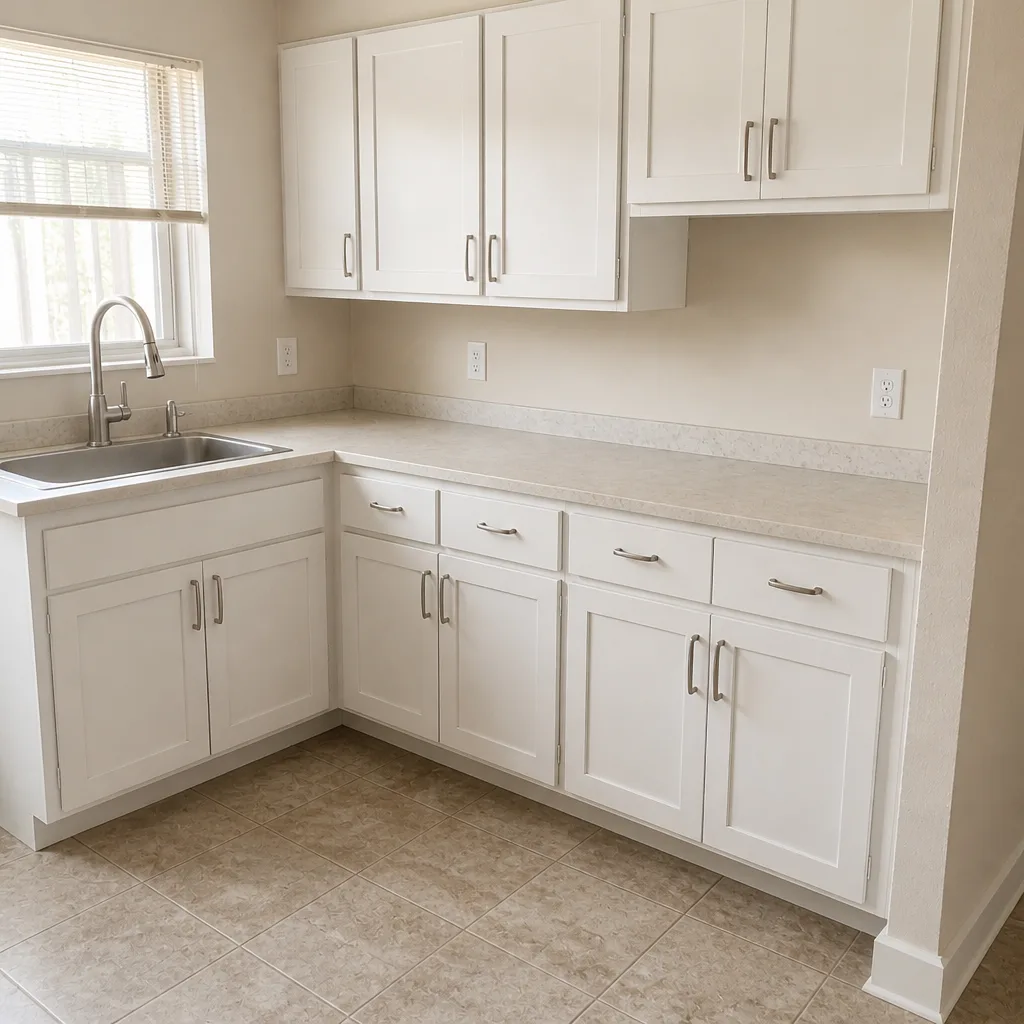 After
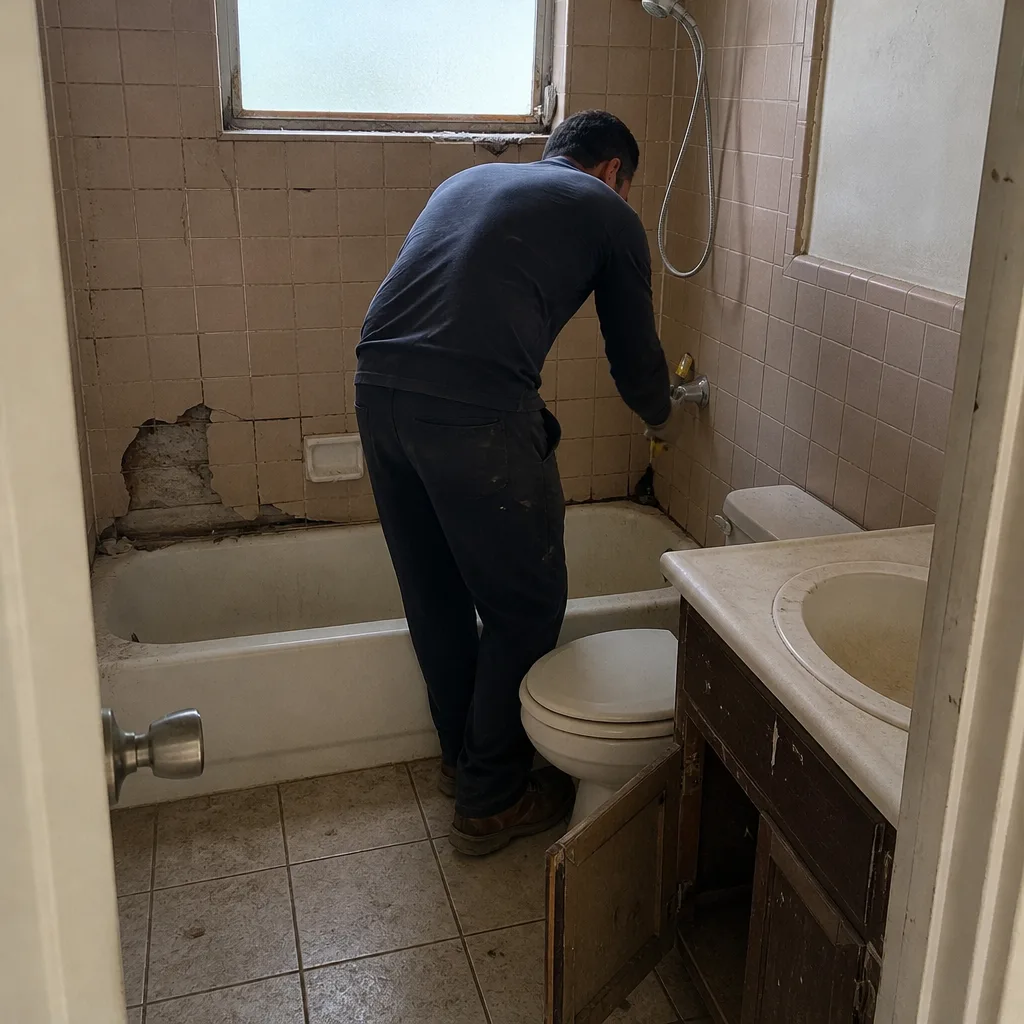 Before
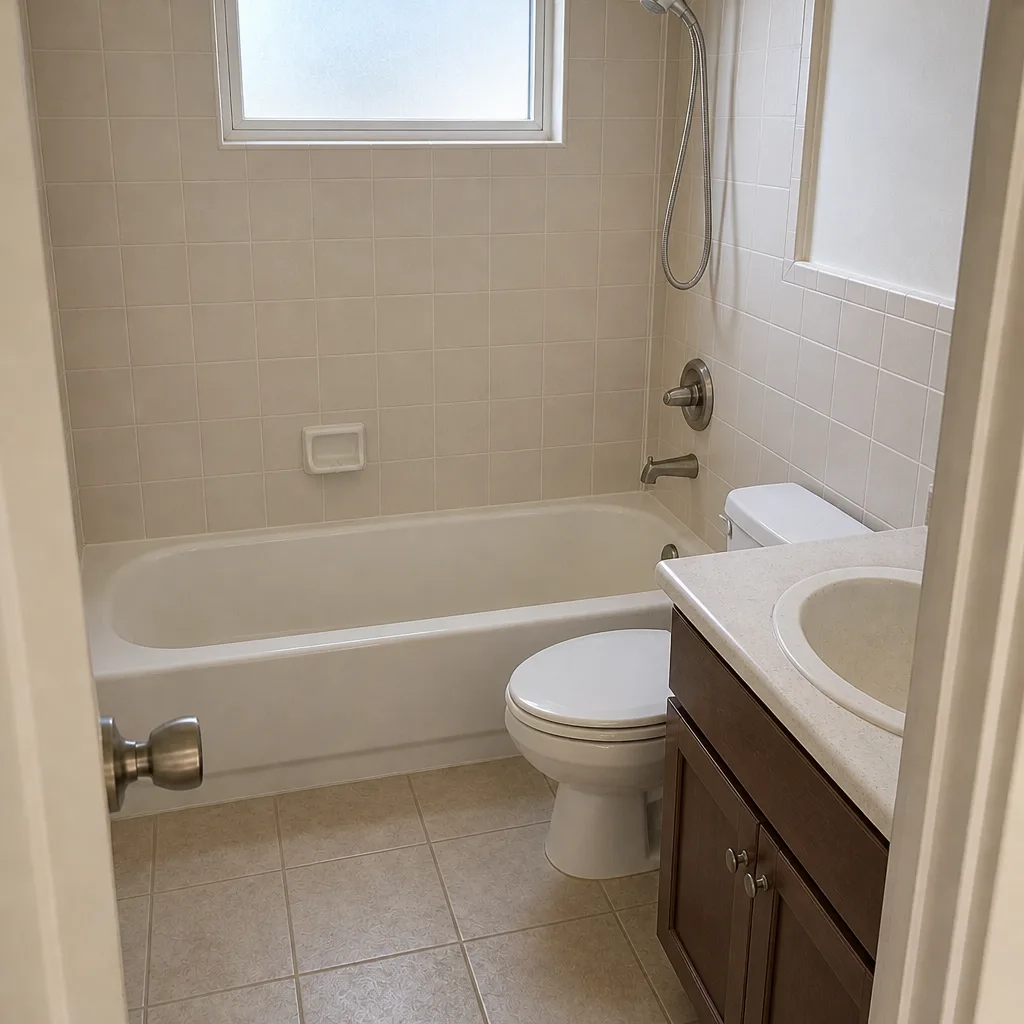 After
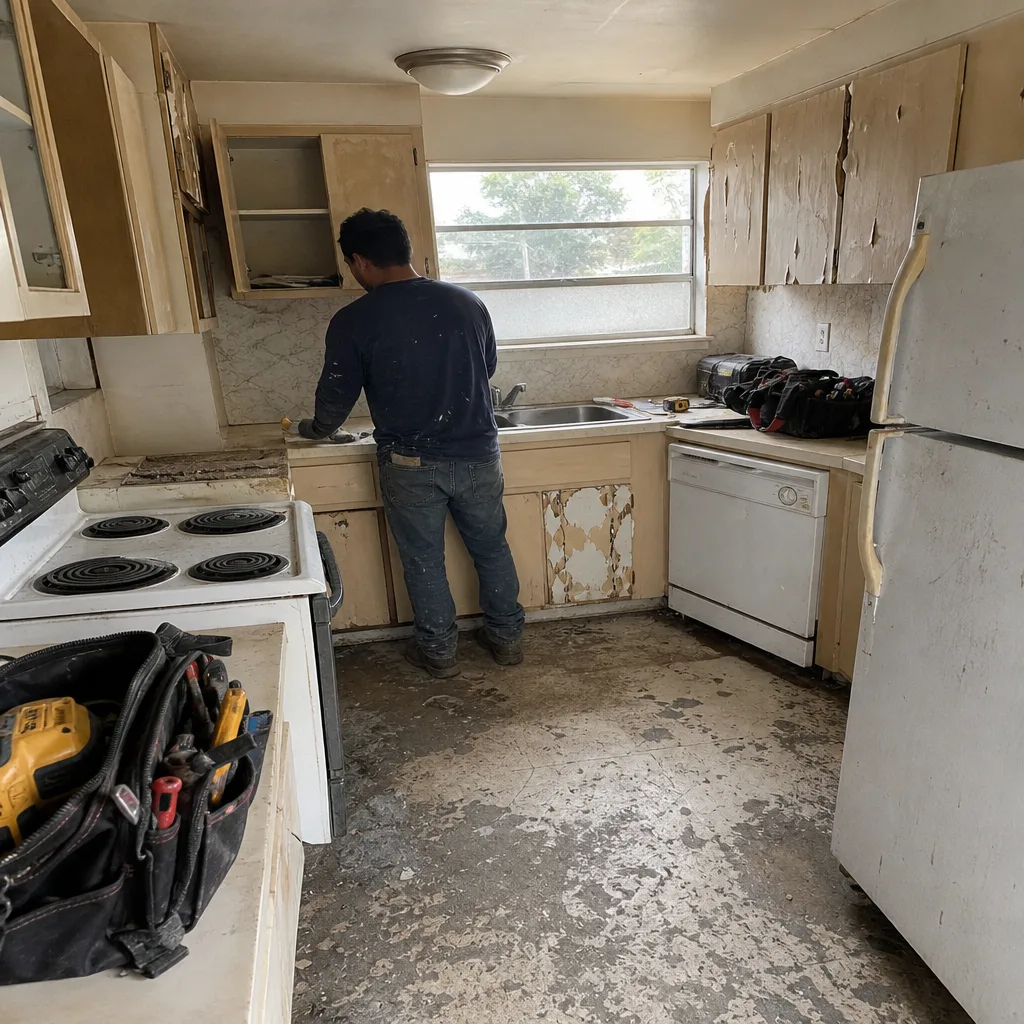 Before
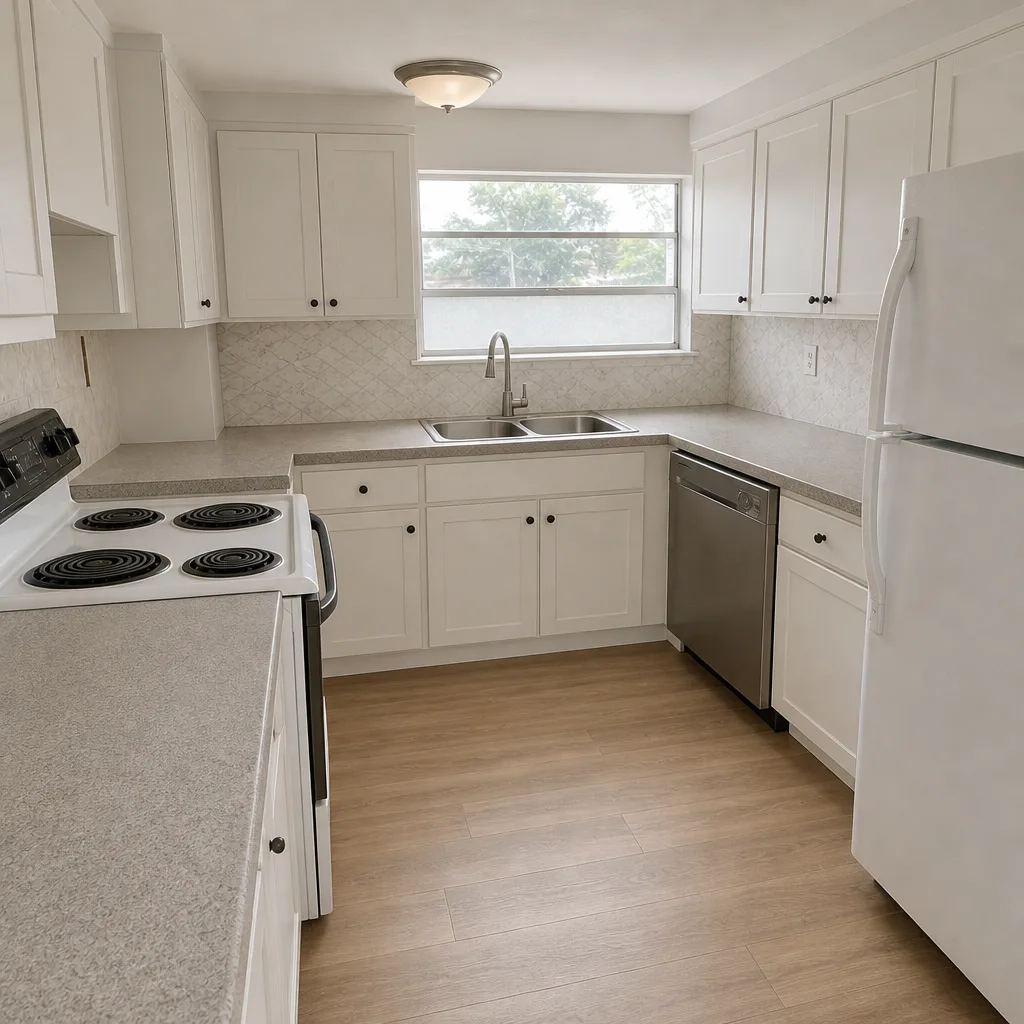 After
When to Call a Professional
Some projects are genuinely do-it-yourself, and some aren’t. Roof work, anything involving structural changes, electrical panels, or gas lines, and any job that requires a permit belongs in the hands of a licensed contractor, both for safety and because the insurance coverage and inspection record only exist when a permitted, licensed crew does the work. Beyond the safety line, the document audit is the reason to call a professional: a licensed contractor hands you a scope, a written price, an insurance certificate, and a change-order clause, and that paperwork is what protects you when something goes wrong six months after the crew leaves. Rowan Construction Group Miami Gardens offers free estimates in Miami Gardens for Kitchen Remodeling, Bathroom Remodeling, Roofing, Windows and Doors, Fence Installation, Driveway & Pavers, and Home Additions including ADUs. Call (844) 320-5198 to schedule yours.
Frequently Asked Questions

Look up the license number on the Florida DBPR website and confirm the status reads “Current, Active.” Check that the qualifier name matches the person quoting your job, and verify the insurance certificate expiration date against the license record. Also ask for the Miami-Dade local business tax receipt showing a current year. If anything doesn’t match, call (844) 320-5198 for a free second opinion before you sign anything.
General liability covers injury or damage that happens during the job, while completed operations covers defects or damage that show up after the job is finished. In Miami Gardens, where summer storms can expose a roofing or window installation defect within weeks, completed operations coverage is the line to confirm. Call the insurance agent listed on the certificate and ask both questions directly. Our team will walk you through any certificate you’re unsure about, free of charge.
Yes, on every project, regardless of size. A written contract with a scope, a milestone-based payment schedule, a change-order clause, and a lien waiver is the only document that governs what happens if the job runs into trouble. Call (844) 320-5198 to see what our written quote and contract look like before you commit.
Under a properly written contract, the price can only change if you sign a change order that describes the additional work and the additional cost. No change proceeds without your signature, which is the discipline that’s kept our projects within a few percent of the agreed cost across 4,000-plus jobs. Call (844) 320-5198 for a free estimate and a written scope before any work starts.
Yes. Florida statute requires a general contractor to disclose its subcontractors, and if an unlicensed sub works on your property and something goes wrong, liability can transfer to you as the homeowner. Ask for the sub list in writing before work starts, and verify each sub’s license through the same DBPR lookup. Call (844) 320-5198 if you want us to review a subcontractor list against a written estimate.
A written estimate should include a flat price per line item, a named brand and specification for every material, a stated scope of work with exclusions listed, a written warranty, and a payment schedule tied to milestones. If any of those are missing, ask for them in writing before you sign. Call (844) 320-5198 for a free estimate that includes all five.
The Bottom Line
Hiring a construction contractor in Miami Gardens is a document audit, not a personality test. Verify the DBPR license with the qualifier’s name on it, confirm the Certificate of Insurance includes completed operations coverage, and insist on a written contract with a milestone-based payment schedule, a signed change-order clause, and a lien waiver requirement. Then demand the subcontractor list in writing and check each sub’s license separately. The contractor who can produce all of that without excuses is the one who will finish the job within a few percent of the price you agreed to. If any of it feels like a fight to get, that’s your answer.
Rowan Construction Group backs every project with a written price before work starts, a signed change order for any change, and the 365-Day Done Right Promise: if it isn’t done right, we make it right. Our crews are background-checked and uniformed, a live person answers calls around the clock, and every visit includes a documented photo record as a standard deliverable. Call (844) 320-5198 for a free estimate in Miami Gardens, or bring us a competitor’s quote and we’ll review it line by line at no charge.
Written by the team at Rowan Construction Group Miami Gardens.