Last updated November 18, 2026



Free written scope consultation - allowances, timeline, and change-order rules on paper before a single trade is scheduled
How Long Does Home Additions & ADU Take? Timelines and What to Expect
Miami-Dade County’s building permit review for a new addition averages 8 – 14 weeks on a first-time submission. That’s longer than many contractors quote for the entire project. So when a homeowner in Miami Gardens is told “four months, start to finish,” the number being quoted is usually construction time, not calendar time – and the gap between those two figures is where budgets slip, leases get extended, and families spend an extra season doubled up in the spare room.
This guide treats the timeline the way it actually runs: as calendar weeks, phase by phase, including the review queues, inspection scheduling, and closeout paperwork that never show up on a contractor’s one-page schedule. By the end you’ll know what each phase really costs in time, how to read a Gantt chart to spot which delays matter, and which three contract clauses keep a finish date honest.
Quick Answer
A home addition or ADU in Miami Gardens typically takes 10 – 16 months of calendar time from design start to Certificate of Occupancy, even though the construction phase itself may only run 5 – 8 months. The difference is permit review through Miami-Dade County and DERM, material lead times, and final inspection and CO scheduling – all of which run on government and supplier clocks, not the contractor’s.
Styles & brands we work with
- Kitchen remodeling
- Bathroom remodeling
- Home additions & ADU
- Roofing
- Windows & doors
- Driveway & pavers
- Fence
Table of Contents
- The real phase-by-phase timeline in Miami Gardens
- Why permit review takes longer here than contractors quote
- The three rejection reasons that restart the clock
- Certificate of Occupancy vs. Certificate of Completion
- How to read a schedule and find the critical path
- The three contract clauses that protect your timeline
- Common mistakes to avoid
- Frequently asked questions
The real phase-by-phase timeline in Miami Gardens
Here’s the sequence as it actually plays out on a Miami Gardens addition, with calendar-week ranges from our own project files. These are the numbers to compare against any quote you receive.
- Design and survey (2 – 4 weeks). An architect or designer produces the drawings; a licensed surveyor produces a boundary and topographic survey with setback dimensions. In Miami Gardens lots, older plats and unrecorded easements can add a week if the surveyor has to research the recorded history.
- Permit submission and review (8 – 16 weeks). Miami-Dade County building plan review runs the structural, energy, and zoning checks. If the property is in a flood zone or near a canal, DERM (the Department of Environmental Resources Management) adds its own review. More on this below.
- Material procurement (2 – 6 weeks). Standard lumber and block are quick. Impact windows and doors, custom cabinetry (KraftMaid and Wellborn, for example), and any special-order tile sit at the longer end. In our experience, impact glazing is the single most common lead-time surprise on a Miami Gardens addition.
- Construction (5 – 8 months for most additions, longer for full ADUs). This is the phase everyone quotes. It runs from site prep and foundation through framing, dry-in, rough-in trades, insulation, drywall, finishes, and final trim.
- Final inspection and Certificate of Occupancy (2 – 4 weeks). The county inspects the finished work, and the CO is issued once all trades have signed off. This is the phase most often omitted from a contractor’s schedule entirely.
The calendar total stacks to roughly 10 – 16 months. That range is wide because a covered lanai addition and a fully self-contained ADU are different animals. To see scope options in detail, our Home Additions & ADU in Miami Gardens page lays out the configurations we build most.
Why permit review takes longer here than contractors quote
Permit review is the phase where quoted timelines most often fall apart, because the contractor controls none of it. Miami-Dade County’s building department, DERM, and – depending on the property – the local zoning authority each run their own review. A first submission that touches flood zones, wetland buffers, or tree protection can route through more than one office before it reaches a reviewer’s desk.
There are Miami Gardens-specific reasons this matters. Large parts of the city sit in or near flood zones where DERM review is triggered, and the city’s older housing stock means many lots have survey quirks – encroaching fences, unpermitted past additions, or easements that were never recorded correctly. Any of those triggers a correction cycle that adds weeks.
Practical buffers we build into every Miami Gardens schedule:
- Submit complete the first time. The single biggest time saver is a submission packet that leaves nothing for a reviewer to ask about.
- Pre-application meeting. For complex ADUs, a pre-application meeting with the county can surface issues before the formal clock starts.
- Budget two correction cycles. Assume at least one round of comments. A tight project should budget for two.
- Track the review portal weekly. Reviews do not email you when a reviewer is waiting on something; you check.
Under Clause 1 of The Haven Standard, we deliver a written price before any work starts – but we also give you the review timeline in writing, so the permit phase is on the page and not buried in a phone call.
The three rejection reasons that restart the clock
When Miami-Dade rejects a submission, the correction cycle can add 3 – 6 weeks each time. In our experience on Miami Gardens additions, three issues cause the majority of rejections:
- Incomplete energy calculations. Florida’s energy code requires a full manual J load calculation and a compliant envelope spec. Missing or incomplete calculations send the whole packet back.
- Missing survey with setback dimensions. The county needs the survey to verify setbacks. A survey without setback lines, or one that doesn’t show every existing structure on the lot, is not enough.
- Structural drawings not signed and sealed by a Florida-licensed engineer. Any structural element – beams, headers, roof connections – needs a sealed drawing. An out-of-state stamp or an unsigned drawing triggers a correction.
The cheapest way to avoid all three is to have the architect, engineer, and surveyor coordinated before anything is submitted. We review every packet line by line, and that habit is why our Miami Gardens submissions usually clear in fewer cycles than the county average. Any homeowner can ask for the same: a pre-submission review meeting with everyone who sealed a drawing in the same room.
Certificate of Occupancy vs. Certificate of Completion: what each means for an ADU
This is the distinction that surprises most Miami Gardens homeowners, because it’s rarely explained. A Certificate of Completion (CC) is issued when a specific scope of work – a roof, an addition, a renovation – is finished and inspected. A Certificate of Occupancy (CO) is the document that legally allows a building or dwelling unit to be occupied.
For an ADU, the CO is the one that matters. Florida requires a CO before anyone can legally live in the unit, whether it’s a detached structure in the backyard or an attached in-law suite. The CO is issued only after every trade has passed final inspection – electrical, plumbing, mechanical, structural, and building. Each of those inspections has to be scheduled, and inspectors’ calendars run 1 – 2 weeks out in Miami-Dade.
Why the CO process adds weeks the schedule doesn’t show
- Staggered trade finals. Five trades means five inspections, and they rarely line up the same week. Plan for 2 – 3 weeks just to get every final scheduled and passed.
- Punch list tied to the CO. Any incomplete detail delays the final. A missing door closer or an uncompleted landscape requirement can hold the CO.
- Recorded as-built paperwork. Some additions require as-built drawings or an updated survey recorded before the CO is issued.
In practice, a Miami Gardens ADU is not rentable or move-in-ready the day the crew leaves. It’s ready when the CO is in hand, and that’s a 2 – 4 week gap in most projects. We build that gap into the written schedule so the family knows when they can actually move in.
How to read a project schedule and find the critical path
A Gantt chart is a horizontal bar chart where each bar is a task drawn against a calendar. The tasks that appear in reading order top to bottom are not the ones that determine the finish date. The ones that matter are the ones on the critical path – the longest chain of dependent tasks, where any delay pushes the whole project back.
Here’s how to read one in under five minutes:
- Find the longest chain of connected bars. Draw your eye along the sequence of tasks that link to each other without a gap. That chain ends at the same day as the project. Everything connected end-to-end with no slack between them is the critical path.
- Find the float. Float (also called slack) is the spare time between a task and the next one it feeds. A task with two weeks of float can slip two weeks without moving the finish line.
- Ask which tasks are critical when you hear about a delay. If the contractor says a cabinet order is late, look at the bar. If cabinetry has float, the finish date doesn’t change. If it’s on the critical path, ask for a revised schedule in writing.
A Gantt chart also shows where a change order pushes the schedule. Every change we sell has a written schedule impact, so the customer can see whether the change moves a bar on the critical path. In Miami Gardens, the tasks that sit on the critical path most often are permit issuance, foundation, and final inspection. Material windows and finishes usually have some float.
The three contract clauses that protect your timeline
A construction quote can be tight on price and still leave the finish date completely unprotected. Three clauses close that gap, and every one of them is worth reading carefully before you sign:
- A defined substantial completion date. A specific calendar date – not “four to six months.” Substantial completion is the point at which the work is complete enough for the intended use, with only minor punch-list items left. A date is defensible; a range is not.
- A per-diem delay provision. A stated dollar amount per day that the contractor owes you if substantial completion slips past the agreed date, for reasons within the contractor’s control (weather and permit delays typically carve out of this). The per-diem number should be meaningful enough to matter.
- A change-order requirement that includes written schedule impact. No change proceeds without a signed change order – and the change order states how many days, if any, the change adds to the schedule and whether it lands on the critical path. This is Clause 1 of The Haven Standard applied to time, not just money.
What these clauses don’t cover is fair. Nobody can control a hurricane, and permit delays caused by the county are not the contractor’s to insure. The clauses cover the causes a contractor does control: sequencing, crew scheduling, procurement, and follow-through.
Common Mistakes to Avoid
- Comparing a construction schedule to a calendar schedule. “Four months” usually means construction only. Ask every contractor for a calendar timeline with permit review included. If they can’t produce one, that’s your answer.
- Submitting an incomplete permit packet to save a week. A rejection costs 3 – 6 weeks. A complete packet on first submission beats a fast one every time.
- Assuming impact windows are a quick order. In Miami Gardens, impact-rated windows and doors sit at the long end of material lead times. Order these early, and confirm the lead time in writing.
- Treating the CO like a formality. Florida requires the CO before an ADU can be occupied. Do not sign a lease or move a family member in until the CO is issued and in hand.
- Accepting a verbal promise on the finish date. Without a substantial completion date in the contract, a “promise” to finish by summer is worth nothing.
- Skipping the pre-submission review with the surveyor and engineer. Conflicting survey and drawing info is the most common rejection cause in Miami-Dade. Get the surveyor, architect, and engineer on the same page before submission.
- Reading the Gantt chart by eye rather than by dependency. A wall of bars looks complex, but the finish date is set by a single chain of tasks. Learn which chain, and you can spot a real schedule slip in minutes.
See the difference
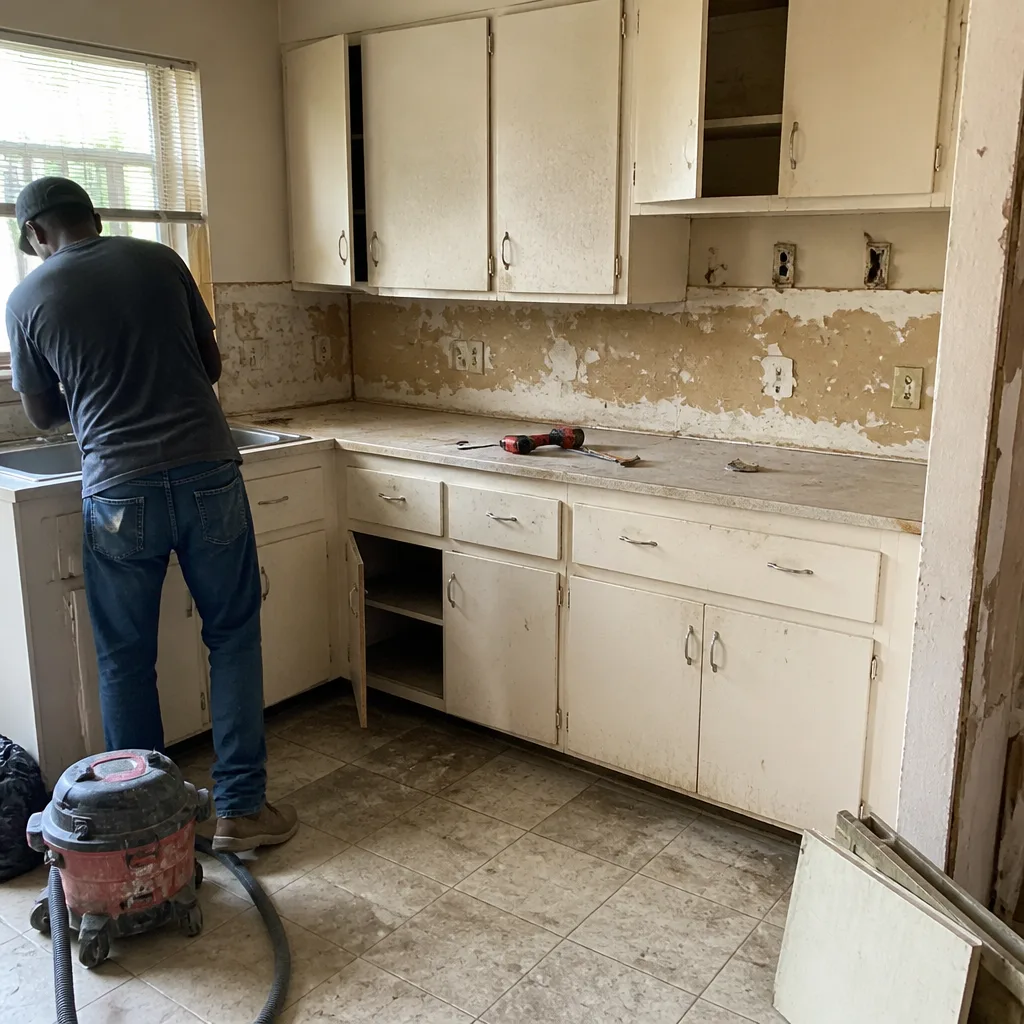 Before
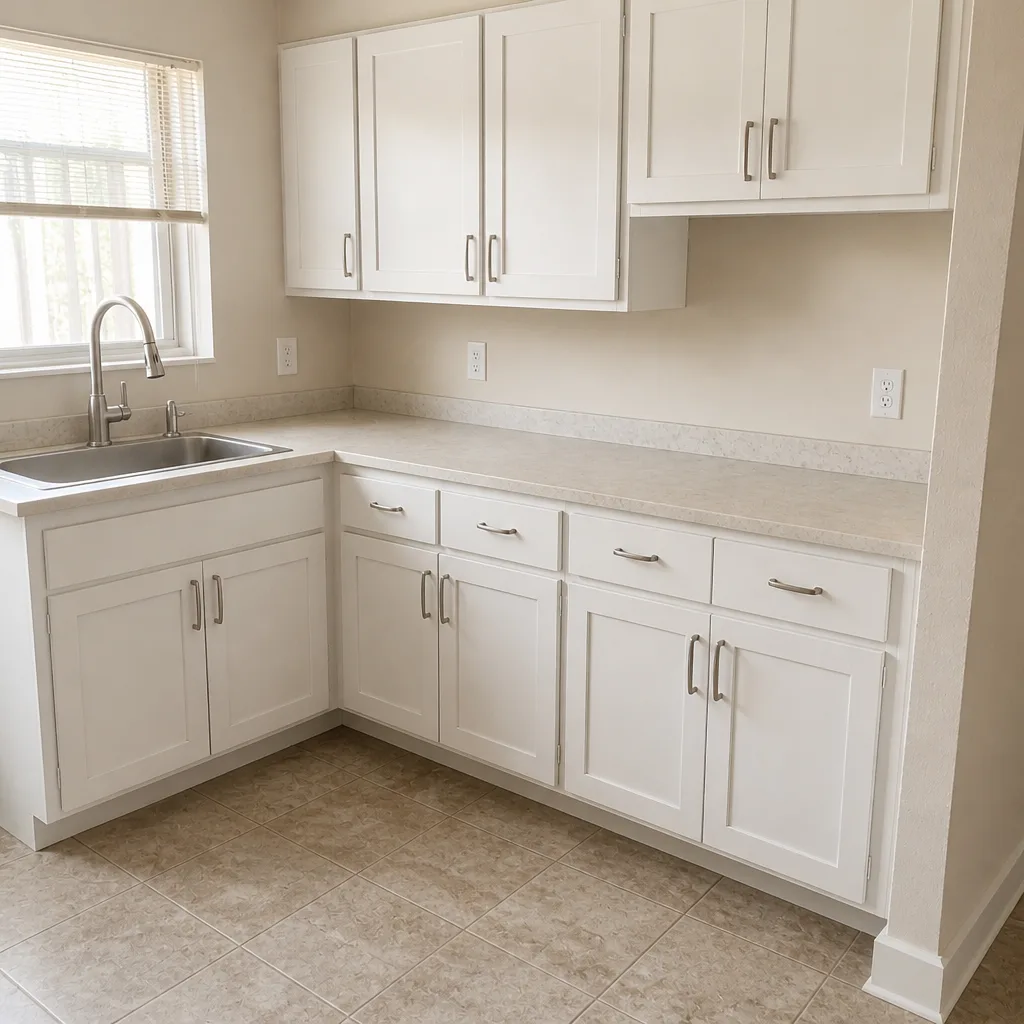 After
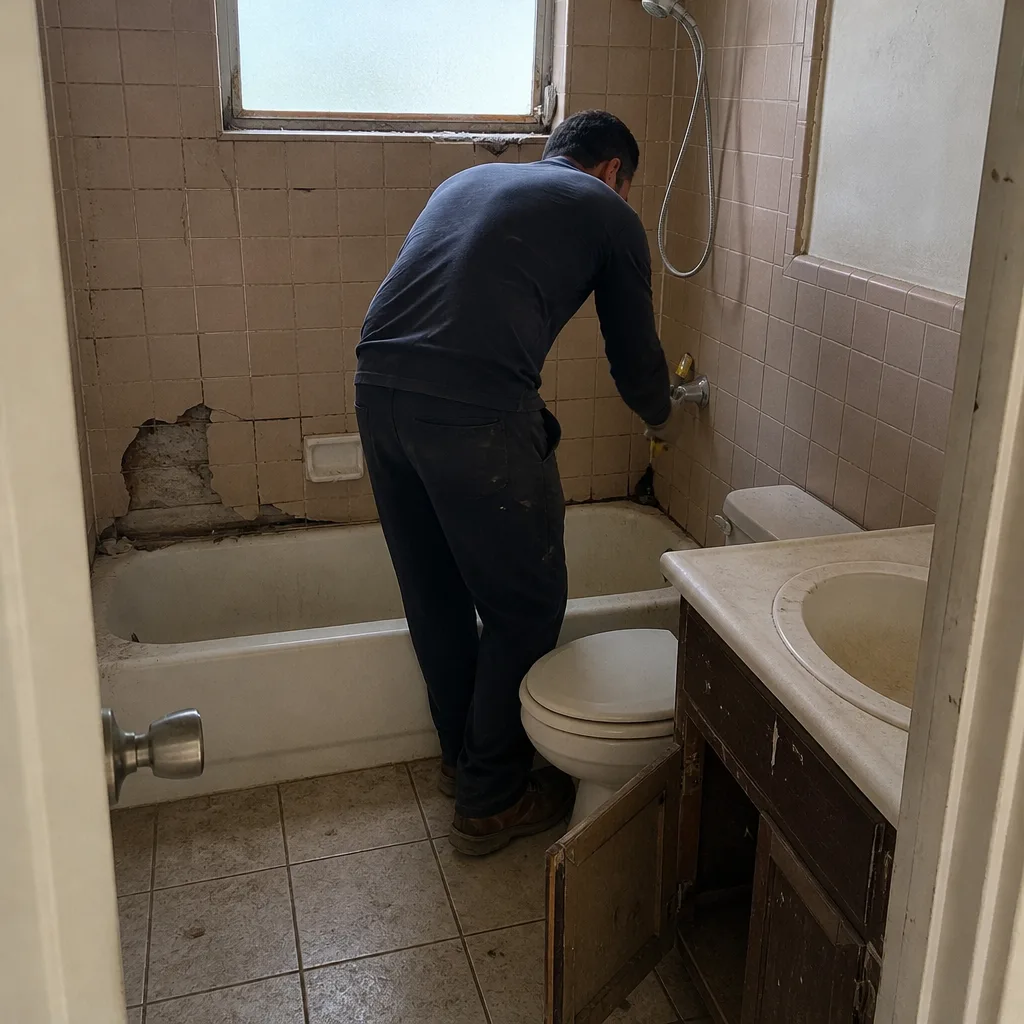 Before
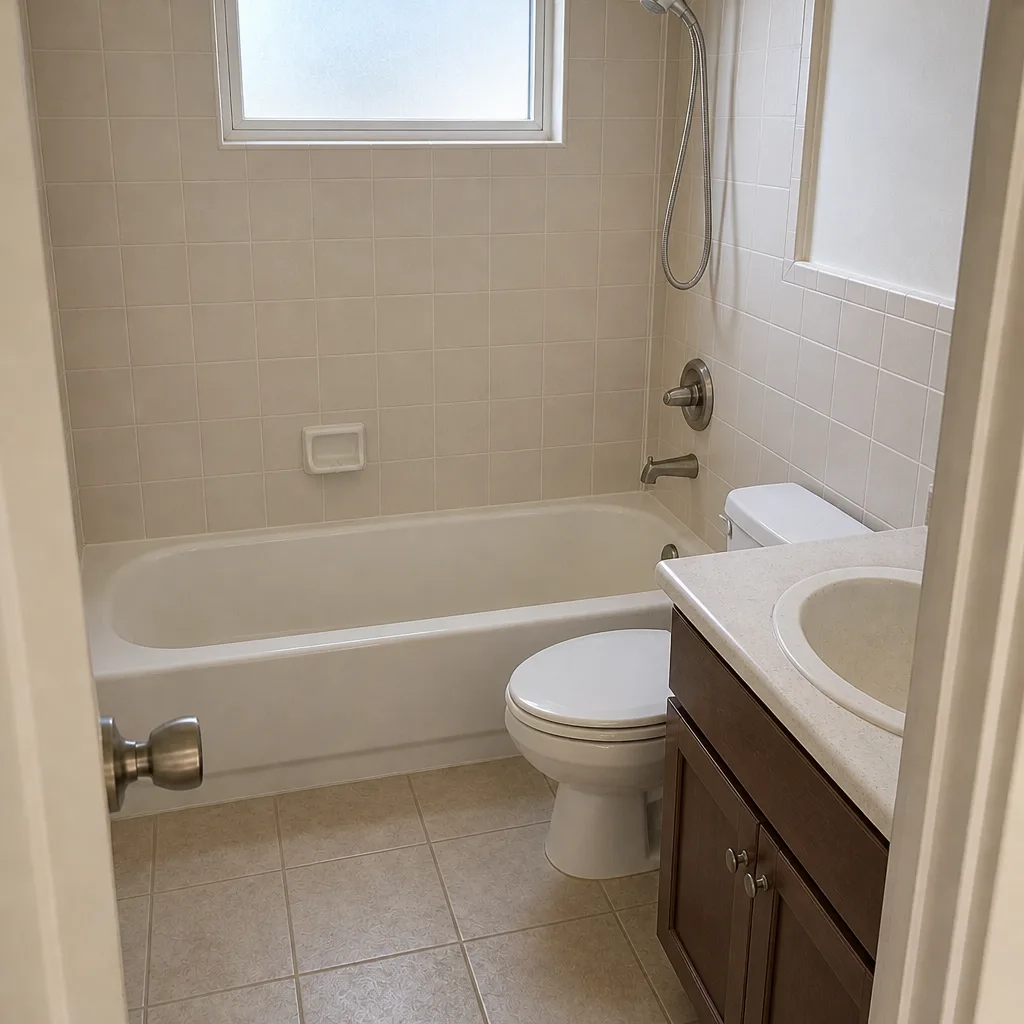 After
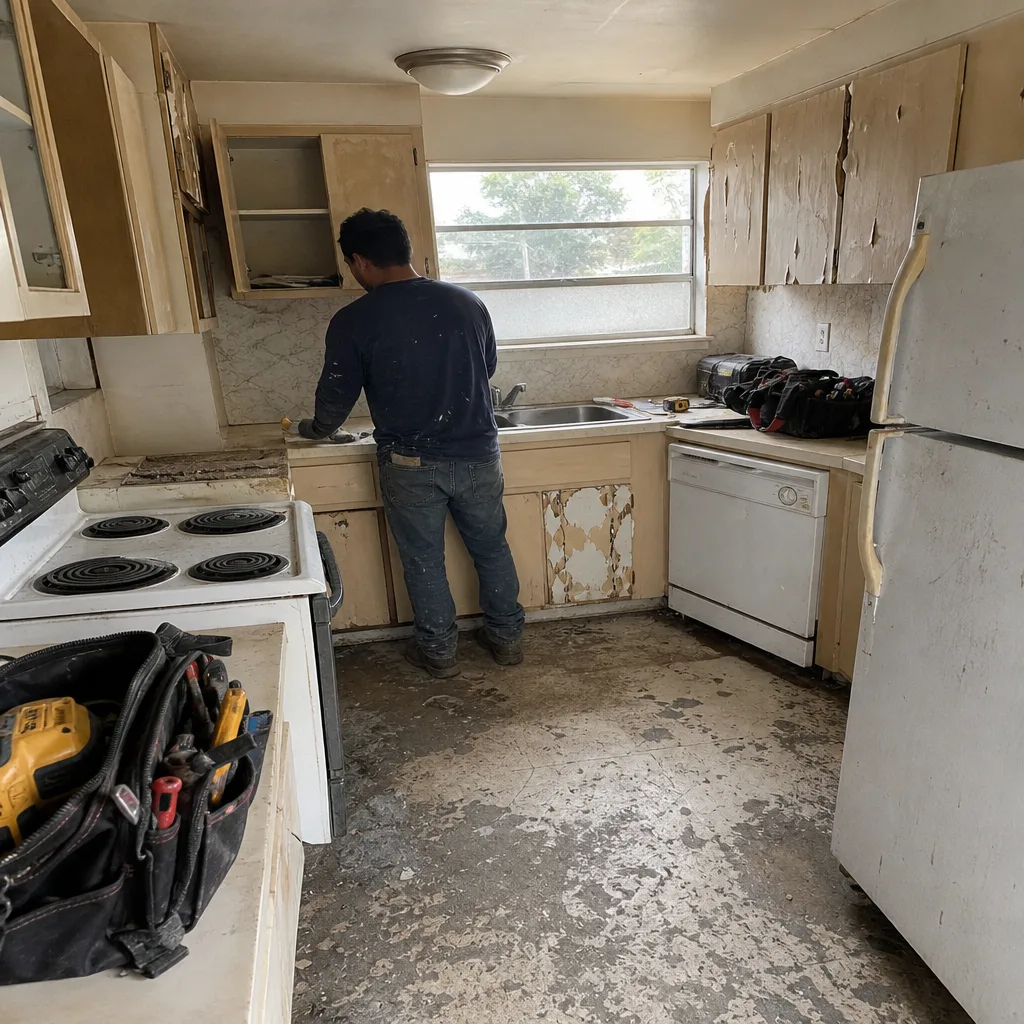 Before
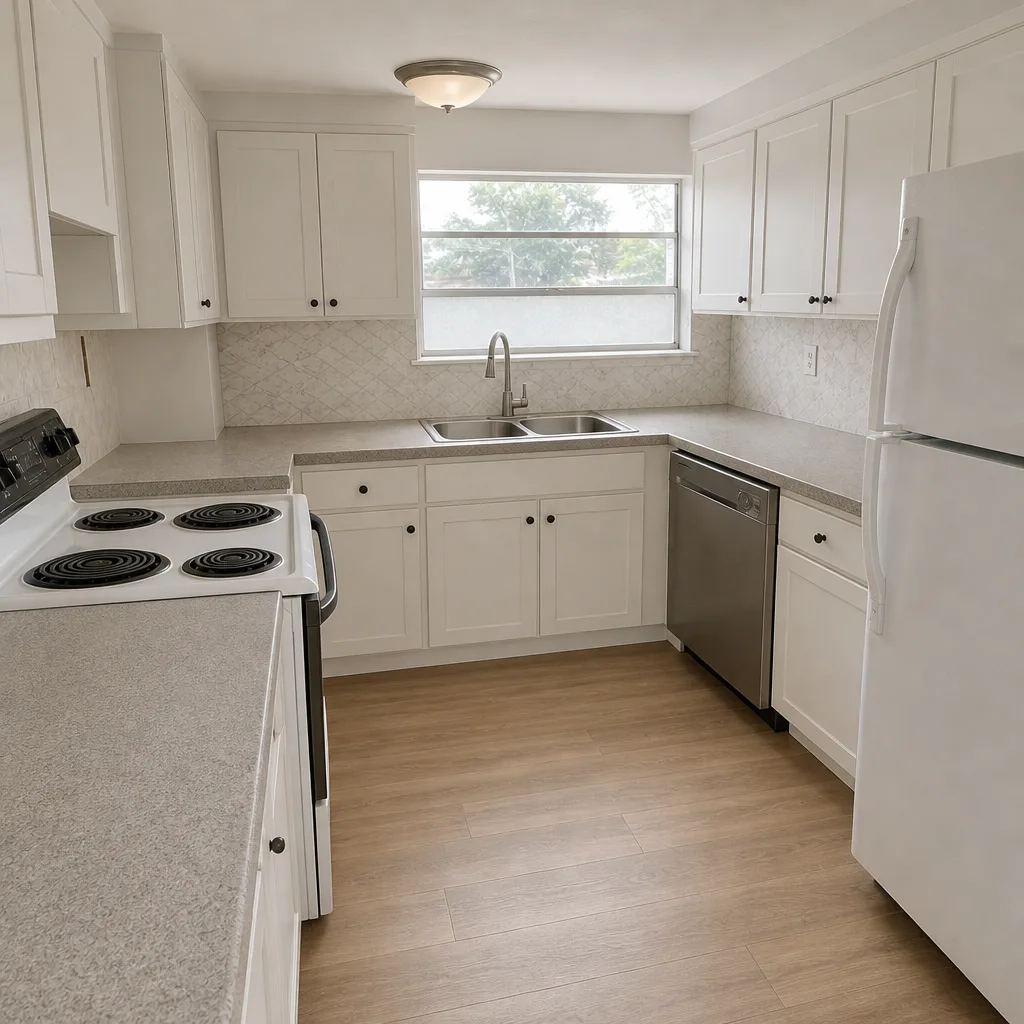 After
When to Call a Professional

The permit and structural work on a Miami Gardens addition is not a homeowner project. If you’re adding a load-bearing wall, an ADU, or any structure that will carry a roof, the work needs a Florida-licensed engineer, a permitted plan set, and a closeout process that ends with a CO. Roofing, windows and doors, and site work around a new addition compound the risk if sequencing goes wrong – for example, a new addition tied into a failing roof system, or a driveway and pavers project that disrupts drainage next to a fresh foundation. Any of those is a call-a-professional scenario.
Rowan Construction Group Miami Gardens offers free estimates in Miami Gardens – call (844) 320-5198 to schedule a written quote. Under The Haven Standard, the price is written before anyone starts, the schedule is in writing, and no change proceeds without a signed change order. Background-checked, uniformed technicians and a documented photo record come standard on every visit. For related work outside the addition itself, our Driveway & Pavers in Miami Gardens and Fence Installation in Miami Gardens services are built on the same process, and the Rowan Construction Group Miami Gardens home page covers the full scope we work across.
Frequently Asked Questions
A home addition in Miami Gardens typically takes 10 – 16 months of calendar time from design start to Certificate of Occupancy. Construction itself runs 5 – 8 months; the rest is design, permit review through Miami-Dade County and DERM, material lead times, and final inspection scheduling. Call (844) 320-5198 for a project-specific timeline in writing – estimates are free.
A modular or panelized ADU can shave weeks off construction, but it doesn’t shorten permit review, site work, or the CO process. Reviewers still check the sealed drawings, survey, and energy calculations, and the site still needs foundation and utility work. So the realistic calendar savings on a modular ADU (from builders like Abodu, for example) is 4 – 8 weeks versus site-built, not months. Call (844) 320-5198 to compare the schedule for both options.
Most Miami-Dade permit rejections come from incomplete energy calculations, a survey missing setback dimensions, or structural drawings not signed and sealed by a Florida-licensed engineer. Each correction cycle adds 3 – 6 weeks to review. A pre-submission review with your surveyor and engineer prevents most of them. Call (844) 320-5198 for a free second opinion on a permit packet or a competitor’s written estimate.
Yes. Florida requires a Certificate of Occupancy before an ADU can legally be occupied. The CO is issued only after every trade – building, electrical, plumbing, mechanical, and structural – passes final inspection, and scheduling those finals adds 2 – 4 weeks to most Miami-Dade projects. Do not sign a lease or move anyone in until the CO is in hand. Call (844) 320-5198 to plan the closeout phase of your Miami Gardens ADU.
Construction in Miami Gardens slows at the front and back of a named storm – crews mobilize for prep and then for cleanup, shutting sites for a week or more. June through November carries real schedule risk. Planning the critical-path phases around early summer and ensuring your contractor’s per-diem clause addresses weather carve-outs keeps the finish date honest. Call (844) 320-5198 to talk through storm-season scheduling.
Not without a signed change order. Under Clause 1 of The Haven Standard, the written price is delivered before any work starts, and no change proceeds until the change order is signed – including the written schedule impact. Across 4,000-plus projects this discipline has kept costs within a few percent of the agreed price. Call (844) 320-5198 for a free estimate with a line-item written price.
The Bottom Line
The timeline on a Miami Gardens addition is set by the calendar, not the crew. Budget 10 – 16 months of calendar time, and measure every quote against that range. The permit review through Miami-Dade County and DERM runs 8 – 16 weeks on its own, and it’s the phase most often missing from a contractor’s one-page schedule. The CO process adds 2 – 4 weeks at the end that most quotes omit entirely. Protect the finish date with three clauses – a substantial completion date, a per-diem delay provision, and change orders with written schedule impact – and read the Gantt chart to see which delays actually matter. Call (844) 320-5198 for a free estimate with the price and schedule in writing.
Written by the team at Rowan Construction Group Miami Gardens.