Last updated November 18, 2026
Free written scope consultation - allowances, timeline, and change-order rules on paper before a single trade is scheduled
DIY vs Professional Driveway & Pavers: What’s Safe to Do Yourself
Laying pavers looks like the perfect weekend project. The blocks are uniform, the patterns are on YouTube, and the material cost feels reasonable. Here’s the part those videos skip: the six inches of compacted base under the pavers decides whether your driveway lasts seven years or twenty-five, and that base has to be built with a plate compactor, not a hand tamper. In Miami Gardens, rental yards charge $120-$180 a day for that machine. This guide gives you a task-by-task line, the real rental numbers, and the point where the work legally has to go to a licensed contractor.
Quick Answer
You can safely DIY paver pattern planning, joint sand, sealing, and straight-run cutting – but base excavation, compaction, and any driveway over Miami-Dade’s square-footage permit threshold require a licensed contractor and equipment most homeowners don’t own. Installing pavers correctly means building a compacted base at 95% density, and that measurement is the single biggest predictor of whether the driveway survives its first wet season.
Styles & brands we work with
- Kitchen remodeling
- Bathroom remodeling
- Home additions & ADU
- Roofing
- Windows & doors
- Driveway & pavers
- Fence
Table of Contents
- Why the Base Layer Is the Whole Job
- Equipment Thresholds: What You Can and Can’t Rent Versus Own
- Miami-Dade Permits and the Licensed Contractor Question
- Tasks That Are Genuinely Safe to Do Yourself
- DIY vs. Professional Cost in Miami Gardens
- What Failure Looks Like
- Choosing Paver Brands and Materials
- When to Hand It Off
Why the Base Layer Is the Whole Job
Pavers sit on three things: a 6-inch layer of compacted crushed limestone (called the sub-base), a 1-inch layer of bedding sand, and the pavers themselves. The pavers are decorative. The base is structural. If the crushed limestone settles unevenly after a few wet seasons, every paver above it shifts – and no amount of tap-tapping will fix it without pulling the pavers up and starting over.
Miami Gardens sits on a limestone-influenced soil profile with a high water table. Our rainy season runs roughly May through October, and we regularly see pavers installed by first-time DIYers in the Palmetto Estates and Bunche Park area fail within two seasons – rutting under the front wheels, sand washing out through the joints, and settling along the driveway apron where it meets the sidewalk. Ask anyone who has run pavers across the front of a home near Scott Lake. The water table moves with the wet season, and a base built too shallow will work fine in February and turn into a wobbling slab the following August.
The compaction step is the reason the base is hard. A plate compactor delivers directional vibration that settles the aggregate into a locked, dense matrix. A hand tamper delivers a fraction of that force across a much smaller area. On a 400 sq ft driveway, that gap between a working base and a settling base is measured in years.
Equipment Thresholds: What You Can Rent Versus What You Can Do
The DIY-vs-pro line isn’t about skill. It’s about what equipment you can get your hands on, what it costs, and whether you can operate it safely. Here are the actual numbers from Miami Gardens-area equipment yards, current as of typical seasonal rates:
- Plate compactor: $120-$180 per day in the Miami Gardens market. A 400 sq ft driveway needs roughly two full days of compaction work when you account for lift layers and passes. That’s $240-$360 in rental alone before you buy a single paver.
- Hand tamper: $20-$40 per day, or $50-$80 to buy. But using one for base compaction is like kneading bread with your knuckles – it doesn’t produce density anywhere near spec.
- Diamond blade saw (wet or dry): $70-$120 per day to rent, or $150-$300 to buy a decent wet saw. You need it for cut pavers along the edge and any pattern change.
- Excavation equipment: A walk-behind trencher or mini-skid-steer rents for $200-$350 per day. Hand-digging a 400 sq ft driveway to a 6-inch depth means moving about 7 cubic yards of soil and old material. That’s a dumpster and a lot of hours.
- Bedding sand, edge restraints, geotextile fabric, joint sand, sealant: $600-$1,100 in materials for a 400 sq ft driveway, depending on paver choice.
Add it up and a true DIY driveway paver install in Miami Gardens lands at $1,800-$3,200 in materials and rental for 400 sq ft – if everything goes right and you don’t make a mistake that means pulling a twelve-inch section up and redoing it.
Miami-Dade Permits and the Licensed Contractor Question
Miami-Dade County requires a permit for driveway work that changes the footprint, intersects the right-of-way, or involves structural base work. Above roughly 400 sq ft of new impervious surface (and various thresholds depending on whether you’re in a flood zone or touching the swale), you’ll typically need an engineer’s drawing, a site plan, and a licensed contractor’s signature on the permit application.
Here’s what most DIY guides won’t say: a homeowner in unincorporated Miami-Dade can pull an owner-builder permit for some residential work, but most driveway permits crossing the public right-of-way are not available to unlicensed owners. That means if your driveway apron meets the sidewalk – which it does on nearly every Miami Gardens driveway – you need a licensed contractor to sign off. Doing the work unpermitted and getting caught means the county can require removal and rebuild at your cost.
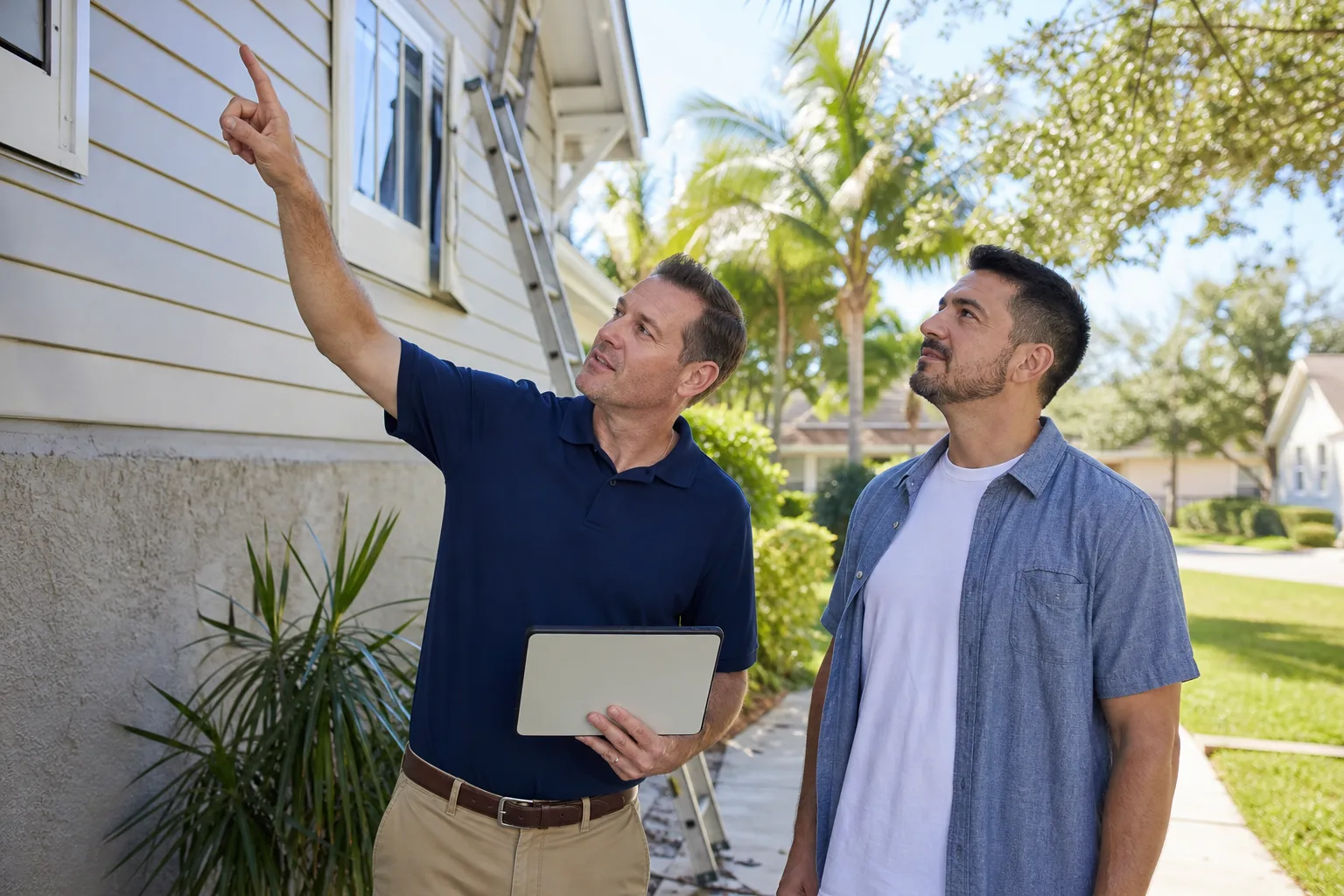
Walk outside and look at your driveway apron where it meets the sidewalk or swale. If the work extends into that transition zone, that’s the point where the permit conversation stops being optional. We walk homeowners through the difference between an owner-builder exemption and a full permit every week on site walks in Miami Gardens – because the answer depends on where the driveway edge actually sits.
Tasks That Are Genuinely Safe to Do Yourself
Some parts of a paver installation are well within reach for a careful homeowner with patience. If you hire a pro for the base and setting bed, these are the pieces you can honestly keep for yourself:
- Pattern planning. Choose the layout on paper or in a free app first. Herringbone holds up best to tire rotation; running bond is simplest to execute; basket weave is a classic for entries. Getting the pattern right on paper costs nothing.
- Edge cutting on straight runs. Once the field pavers are set, cutting edge pavers along the driveway border with a diamond blade saw is a clean, contained job. Rent the saw for one day and cut all your edges in a single afternoon. Do this outside with a hose – the wet saw creates slurry that stains garage floors.
- Joint sand application. Once the pavers set, sweep polymeric or regular joint sand into the seams, mist it lightly, and repeat. This is the finish step that locks the pavers together. Polymeric sand in Miami Gardens needs to be applied in dry weather and requires about 24 hours of no rain – watch the forecast and don’t try it the day before a storm front.
- Sealing. After 30-60 days of settling, apply a penetrating or film-forming paver sealer. Two thin coats with a roller or sprayer, in the morning before the sun is high. Sealing protects against the UV and organic staining we get in South Florida – particularly from palm fronds and the mildew that builds up in wet-season humidity.
None of these steps require heavy equipment. All of them improve the finish. Together they represent about 15% of the total labor on a full install.
DIY vs. Professional Cost in Miami Gardens
Professional paver installation in Miami Gardens runs $18-$28 per square foot installed, depending on paver brand, pattern complexity, demolition of the existing surface, and base conditions. For a 400 sq ft driveway, that’s $7,200-$11,200 all-in – base prep, pavers, labor, hauling, permit handling, cleanup, and a written warranty.
Here’s the honest DIY math for the same 400 sq ft driveway:
- Pavers (Belgard or Techo-Bloc, 400 sq ft plus 10% waste): $1,200-$2,200
- Base material (crushed limestone, ~7 cubic yards): $250-$450
- Bedding sand, edge restraints, geotextile: $200-$350
- Joint sand and sealer: $150-$250
- Plate compactor rental (2 days): $240-$360
- Diamond blade saw rental (1 day): $70-$120
- Dumpster and debris hauling: $300-$500
- Permit (if owner-builder is even allowed): $150-$400 depending on scope
That’s $2,560-$4,630 in materials and rental – before permitting limitations kill the plan. For driveways that cross the public right-of-way, the permit issue alone makes the DIY route a non-starter. If you need materials sourced properly, we handle that as part of a full Driveway & Pavers installation in Miami Gardens quote, and we name the paver brand and the price on the page before anyone swings a tool.
Even where DIY is legal and you save $3,000-$6,000 in labor, you’re trading a written warranty and a documented base compaction record for a driveway with no paper trail. Under a proper install, that record includes photo documentation of every lift layer, so if the base fails five years down the road you have proof of the compaction spec. That documentation is the difference between a warranty and a handshake. You can see how we handle it across all trades on the Rowan Construction Group Miami Gardens home page.
What Failure Looks Like
Every DIY paver mistake shows up in a predictable order. Here’s what failure actually looks like, in the sequence we typically see it on an under-built base:
Year one: The driveway looks great. The pavers are tight and flat. The joints look full. Nothing hints at what’s coming.
First wet season: Sand starts washing out through the joints in the runoff zones – the low spots, the edges near the apron, the seams near the swale. You sweep in more sand. It washes out again by August.
Years two to three: Ruts appear under the front wheels, and pavers start rocking slightly underfoot. Because the base wasn’t compacted to spec, the aggregate has continued to settle with each wet-dry cycle.
Years four to seven: Visible settling along the driveway edges, sometimes an inch or more. Pavers begin cracking at the pattern transition joints. Water pools in the drive instead of draining to the street. At that point, fixing it means pulling up nearly the whole driveway – because the problem is six inches below the surface.
Compare that to a properly built install: base compacted to spec, edge restraints pinned correctly, and joint sand locked in with a sealer. That driveway realistically lasts twenty-plus years in Miami Gardens weather with just an annual sand top-off and a re-seal every few years.
Choosing Paver Brands and Materials
Paver choice affects cost, pattern, and how the driveway holds up. The two brands we spec most often in Miami Gardens are Belgard and Techo-Bloc – both hold up well to South Florida’s UV exposure and occasional heavy rain. Belgard’s “Urbana” and “Catalina” lines are popular for driveways in this market; Techo-Bloc’s “Blu 60” and “Para” lines handle the freeze-free climate and high-traffic zones well. For entries and accent bands, a clay brick face or a concrete paver with a granite-field option gives you a quality edge.
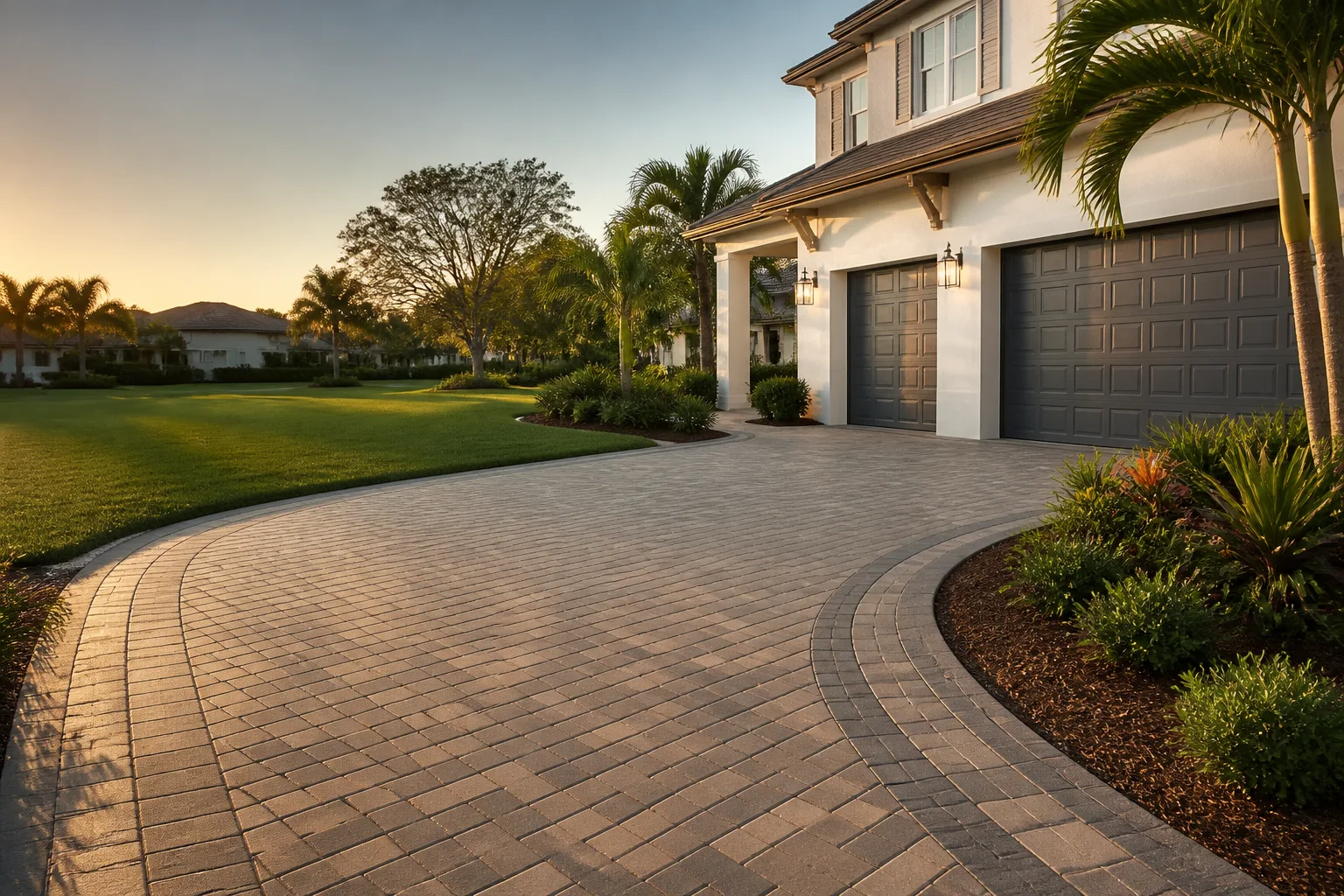
Don’t overlook the aesthetic logic. Pavers should match the facade of the home, not fight it. In neighborhoods like Andover and Lake Lucerne, salt-and-pepper gray or charcoal pavers with a contrasting charcoal accent band look sharp against the stucco and terracotta palettes common in Miami Gardens housing stock. Materials matter as much as install – a $10/sq ft paver with poor base work will outlast a $25/sq ft showpiece on a bad base.
If the project touches windows, doors, or an adjacent patio, those details work in step with the driveway. If you’re planning a wider backyard transformation, our Home Additions & ADU in Miami Gardens service walks through how hardscape ties into structure. If the driveway runs alongside a property line, our Fence Installation in Miami Gardens team can coordinate the paver edge so neither trade has to come back.
When to Call a Professional
Call a licensed contractor when: the driveway crosses the public right-of-way (nearly every Miami Gardens driveway does); the existing surface needs demolition and hauling; the total square footage exceeds 400 sq ft; the current base has failed and needs engineered replacement; or you need the written compaction record to back a warranty. Those five triggers cover roughly 90% of what we see on a pre-install walk.
For everything else – pattern planning, edge cuts on straight runs, joint sand, sealing after the settle period – the work is yours if you want it. There’s no shortage of good work a homeowner can do on a paver driveway. There’s no honest way to compact six inches of crushed limestone without a plate compactor, though, and pretending otherwise is how driveways end up being rebuilt at year seven.
Rowan Construction Group Miami Gardens offers free estimates in Miami Gardens – call (844) 320-5198. We’ll walk the driveway with you, put a flat written price on paper, and quote the base separately from the surface so you can see exactly where your money goes.
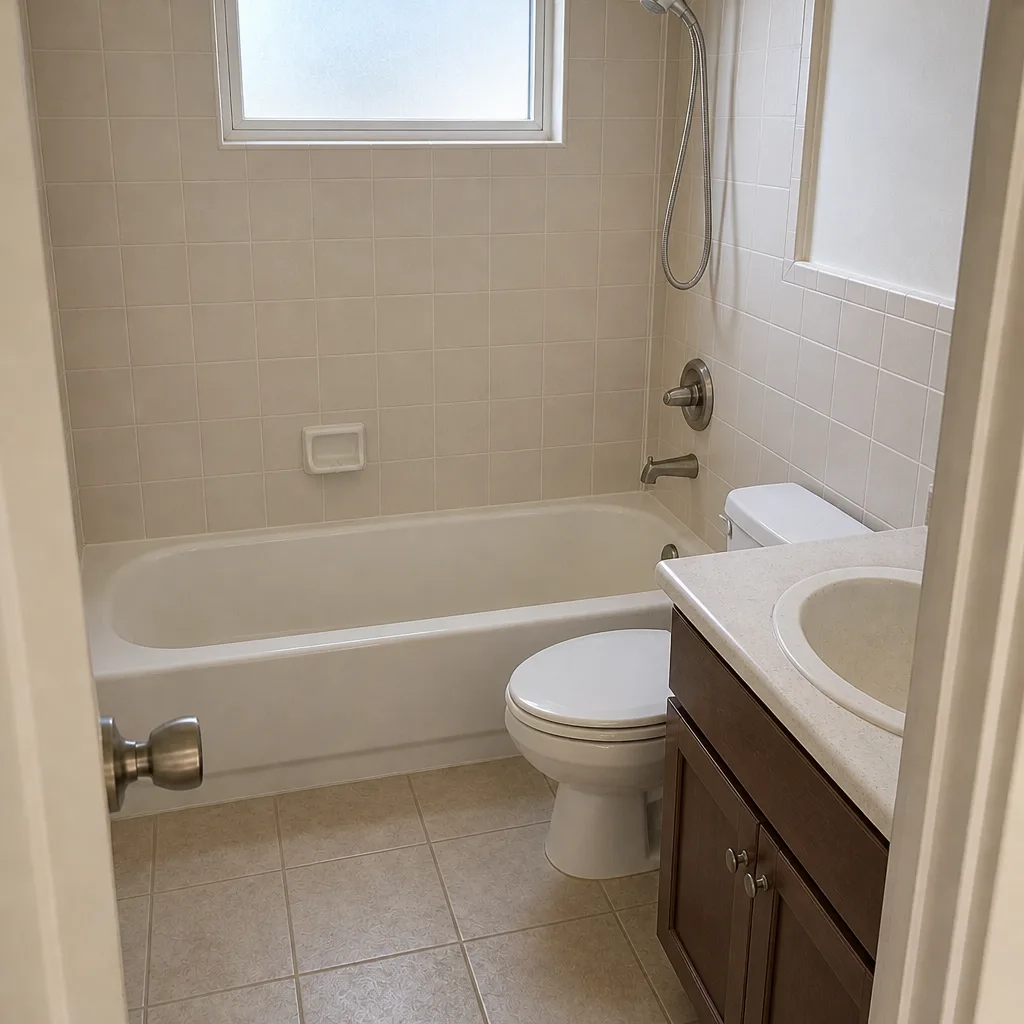
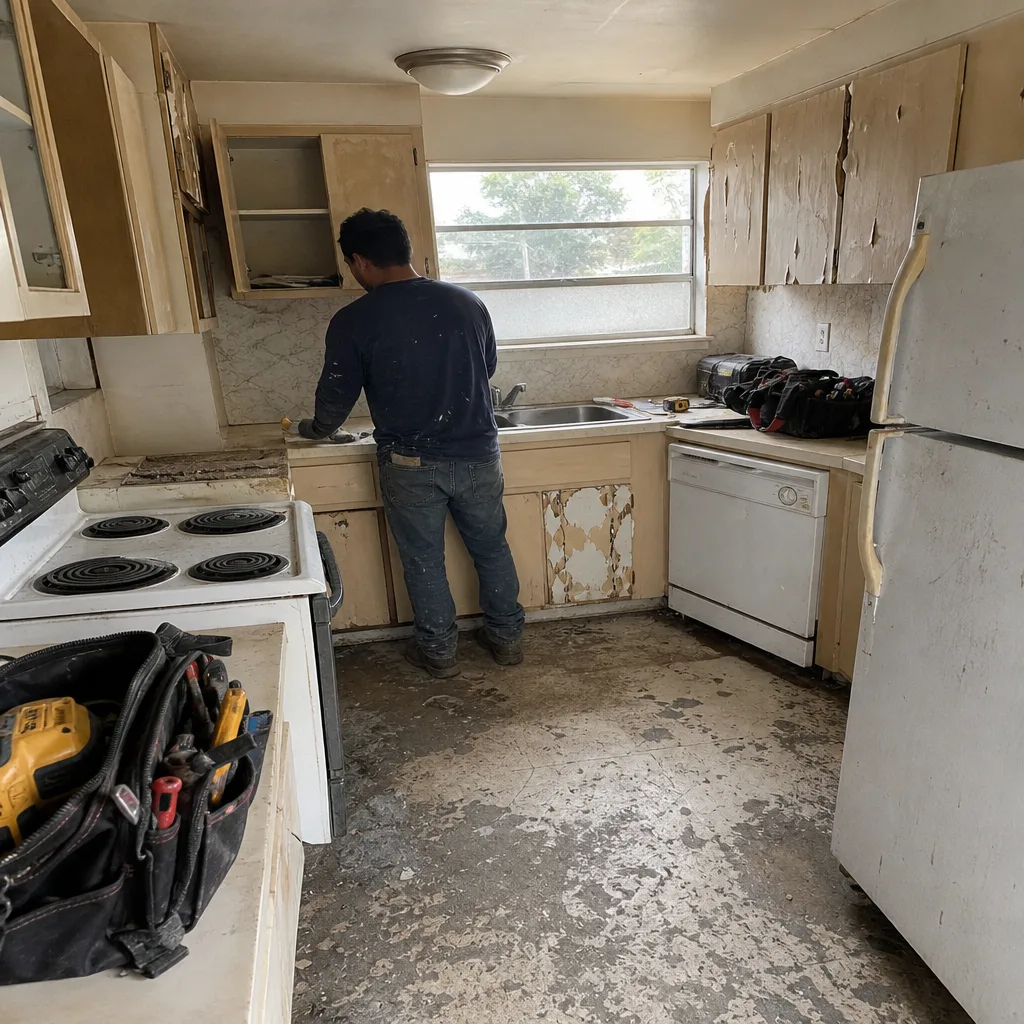
See the difference
 Before
 After
 Before
 After
 Before
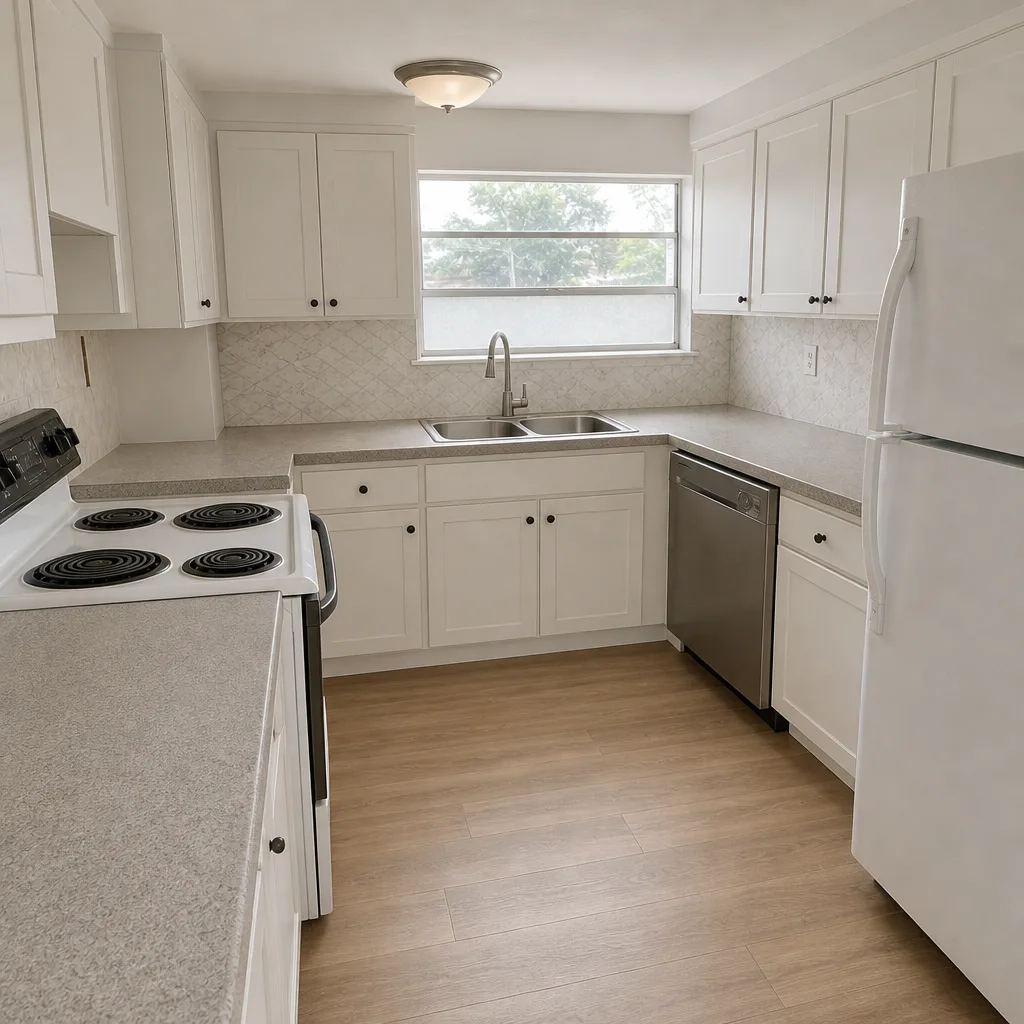 After
Common Mistakes to Avoid
- Compacting with a hand tamper. It feels productive for about twenty minutes and then it isn’t. The density gap between a hand tamper and a plate compactor is the single biggest cause of early paver failure.
- Skipping the geotextile fabric. A woven separation fabric between the subgrade and the base material stops soil from pumping up into the base during wet season. Skip it and the base gets contaminated within one season.
- Laying pavers directly on sand without a crushed base. This is a common shortcut, and it’s the reason you see fifteen-year-old driveways in South Florida with one-inch ruts.
- Cutting pavers dry without a wet saw or dust mask. The silica dust from concrete pavers is a serious health hazard. Use a wet saw or a dust-control shroud, and wear an N95 either way.
- Permitting a driveway apron through an owner-builder exemption. In Miami-Dade, driveways that meet the right-of-way typically require a licensed contractor’s signature. Doing it unpermitted can force a rebuild.
- Applying polymeric joint sand right before a storm. Miami Gardens gets heavy summer rain. Polymeric sand needs 24 hours of dry weather to cure. Mistimed application wastes the whole bag.
- Ignoring drainage slope. Pavers must drain away from the garage and toward the street. A flat install pools water – water finds its way into the slab, and the slab doesn’t forgive.
Frequently Asked Questions
You can install driveway pavers yourself for small areas where you’re not crossing the public right-of-way, are staying under the square-footage threshold that triggers engineer drawings, and can rent a plate compactor. Most Miami Gardens driveways meet the sidewalk at the apron, which usually triggers a permit that requires a licensed contractor’s signature. Call (844) 320-5198 and we’ll walk the site and tell you whether your drive is DIY-legal or permit-required.
Professional paver installation in Miami Gardens runs $18-$28 per square foot installed, so a 400 sq ft driveway lands at $7,200-$11,200 all-in. That covers demolition, base prep, compaction, pavers, joint sand, permits, hauling, and a written warranty. Call (844) 320-5198 for a free written price on your specific driveway – estimates are free and no work starts until you sign.
You need a permit for any driveway that changes footprint, crosses the public right-of-way, or exceeds the county’s impervious-surface threshold – typically around 400 sq ft. In most Miami Gardens driveways, the apron meets the swale or sidewalk and a licensed contractor’s signature is required on the permit. Call (844) 320-5198 and we can tell you what your property needs before you lift a shovel.
A properly installed paver driveway with a 6-inch compacted base and correct edge restraints lasts 20-25 years in South Florida, with joint sand top-offs every year or two and a re-seal every three to five years. A driveway with a hand-tamped or shallow base typically shows settling and joint washout within the first wet season. Call (844) 320-5198 to have your base evaluated before you decide.
No, not correctly. A hand tamper doesn’t produce the density a plate compactor delivers, and spec-grade base compaction needs that density to hold through repeated wet-dry cycles. You can rent a plate compactor in Miami Gardens for $120-$180 per day, which is the only honest DIY route if you’re determined to do the base yourself. Call (844) 320-5198 if you’d rather have it handled and documented.
The base layer is 6 inches of crushed limestone compacted to spec – it does the structural work. Bedding sand is the 1-inch layer above it that lets the pavers seat evenly and drain. Skipping the base, or substituting extra sand for a crushed stone base, is the most common cause of paver failure in South Florida. Call (844) 320-5198 for a written scope that separates base work from surface work so you can see what each costs.
The Bottom Line
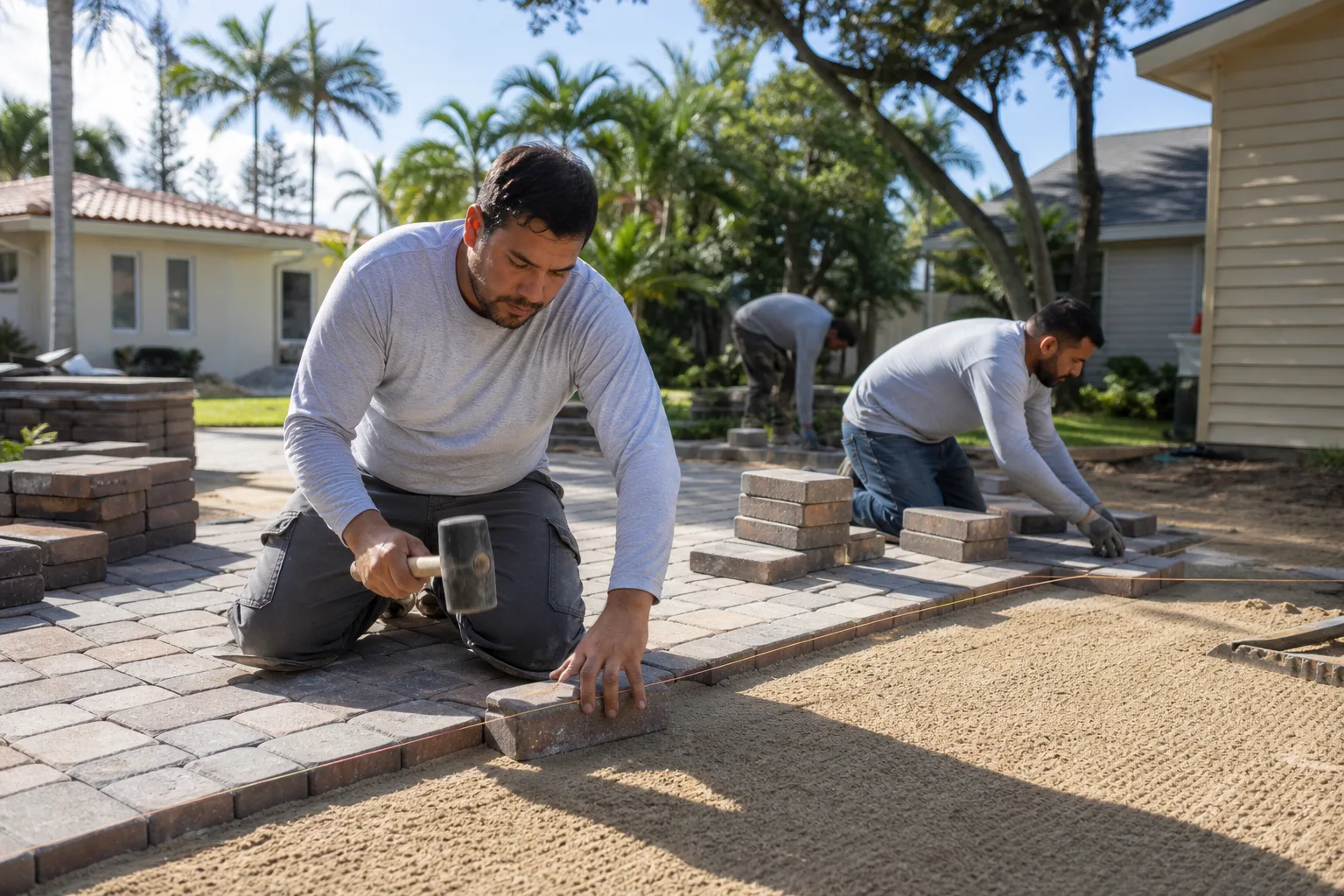
The DIY-vs-pro question for driveway pavers comes down to equipment and permitting, not ambition. You can honestly do pattern planning, edge cutting, joint sand, and sealing. You cannot do the base compaction correctly without a rental plate compactor, and in most Miami Gardens driveways you cannot pull the permit without a licensed contractor’s signature. If your total budget is $2,500-$4,600 and the project is small and clear of the right-of-way, DIY is a real option. If the driveway meets the sidewalk, needs demolition, or you want a written warranty behind the work, professional installation at $18-$28 per sq ft is the honest number – and it comes with a documented record of every compaction pass.
Call (844) 320-5198 for a free estimate. We quote the price in writing before any work starts, we pull the permits, and under the Haven Standard, no work proceeds on a change until the change order is signed. Every project includes a documented photo record of what we found and what we did.
Written by the team at Rowan Construction Group Miami Gardens.