Last updated November 18, 2026



Free written scope consultation - allowances, timeline, and change-order rules on paper before a single trade is scheduled
DIY vs Professional Windows & Doors: What’s Safe to Do Yourself
Here’s the part most installation guides skip: a homeowner in Miami Gardens who self-installs a Miami-Dade-approved impact window without pulling a permit ends up with an opening that is physically impact-rated but legally non-compliant. The homeowner’s insurance carrier has the right to deny a hurricane claim on that basis. Not because the window failed, but because the paper trail never existed. In Miami Gardens and the rest of Miami-Dade County, the DIY boundary for windows and doors is drawn by impact compliance law, not by whether you happen to be handy. This guide walks through what the Florida Building Code actually requires, which installation shortcuts void a product’s NOA status, what you can safely handle yourself, and what skipping the permit costs you at resale.
Quick Answer
In Miami-Dade County, the safe DIY zone for windows and doors ends at the rough opening. You can legally and safely handle interior trim, hardware swaps on existing frames, and weatherstripping on non-impact doors. Replacing or installing a window or exterior door is permitted work that must pass inspection, and a product’s Miami-Dade Notice of Acceptance only holds if it is installed exactly as the manufacturer’s approved drawings specify. That makes full unit replacement a job for a licensed professional, not a weekend project.
Styles & brands we work with
- Kitchen remodeling
- Bathroom remodeling
- Home additions & ADU
- Roofing
- Windows & doors
- Driveway & pavers
- Fence
Table of Contents
- Why Florida Treats Window and Door Work Differently Than Most States
- When Is a Permit Required for Window and Door Replacement?
- What Voids a Miami-Dade NOA: The Installation Details That Matter
- What Homeowners Can Legally and Safely Do Themselves
- How to Verify Your Installer’s License Before Signing Anything
- The Resale Cost of Unpermitted Window Work in Miami Gardens
- What the Inspection Actually Checks
Why Florida Treats Window and Door Work Differently Than Most States
Most states regulate windows for energy efficiency and structural soundness. Florida regulates them as life-safety equipment. After Hurricane Andrew in 1992, Miami-Dade became the first jurisdiction in the country to require missile-impact testing for exterior glazing in windborne debris regions, and the test standard known as TAS 201, TAS 202 and TAS 203 was written in response. A window sold in Ohio might carry an energy rating. A window sold in Miami Gardens carries a Notice of Acceptance, or NOA, issued by Miami-Dade County after the product passed large-missile impact and cyclic pressure testing.
That NOA is conditional. It is granted to a specific product as installed according to specific published drawings: anchor type, anchor spacing, edge distance, substrate, sealant, and the sequence of flashing. Change any of those variables and the approval no longer covers what you built. This is the piece that surprises homeowners. A NOA is not a sticker on the glass. It is a legal description of an assembly.
Miami Gardens sits in the high-velocity hurricane zone, which is the strictest wind zone in the Florida Building Code. The city’s housing stock, much of it built between the 1960s and 1990s, was largely constructed before impact glazing was standard, so replacement work is constant. Roofs and windows in this climate take salt air, UV load, and driving rain from June through November. We’ve seen more failed seals and corroded anchors on the east side of the city, closer to the coastal breeze, than inland. The installation detail matters as much as the product here, and that’s a Miami Gardens fact, not a general one.
When Is a Permit Required for Window and Door Replacement?
In Miami-Dade County, a building permit is required to replace any exterior window or exterior door, including a like-for-like swap where the opening size does not change. There is no size threshold and no exemption for “same size, same location.” If the unit comes out of the wall, the work is permitted. The one narrow category that can sometimes avoid a permit is a repair that does not remove the frame, such as reglazing or replacing a sash in an existing frame; your local building department is the authority on that call, and we always recommend confirming in writing before you start.
Here is what the permit process involves for a window or door replacement:
- Product approval documentation. The permit application must include the NOA or Florida Product Approval number for the specific unit, plus the manufacturer’s installation drawings.
- Signed and sealed plans when required. Certain replacements, including some larger openings or structural changes to the rough opening, need engineering.
- Contractor licensing. The permit is pulled by a licensed contractor in the correct category. A homeowner can pull an owner-builder permit on their own residence in some cases, but that permit carries disclosure obligations and puts the inspection responsibility on you.
- Rough-in and final inspections. Inspectors verify anchor embedment, spacing, flashing, and sealant before the opening is closed in, then again at final.
- Certificate of completion. The closed permit becomes part of the property record, and that record is what a future buyer’s inspector will pull.
An unpermitted installation is not just a paperwork gap. It means no inspection ever confirmed that the anchors reached the required embedment into the block or that the flashing was lapped in the correct direction. In a high-velocity hurricane zone, those details are the difference between a window that holds and one that doesn’t.
What Voids a Miami-Dade NOA: The Installation Details That Matter
Three installation shortcuts account for most of the compliance failures we see on windows and doors in Miami Gardens, and all three look fine from the inside of the house.
Frame anchor spacing deviations. The NOA lists a maximum anchor spacing, often 6 to 12 inches on center around the perimeter, and a minimum edge distance from the corner of the opening. A crew that “eyeballs it” and runs anchors at 16 inches on center because that’s the stud spacing has just built something the NOA does not cover. Fewer anchors means the frame can rack under cyclic wind pressure. This is a documented, checkable dimension, and it’s exactly what an inspector measures.
Unapproved sealant substitutions. The NOA names the sealant type and sometimes the brand. A painter’s caulk from the hardware store is not a structural sealant, and substituting it voids the approval even if the joint looks sealed. In Miami Gardens, UV exposure breaks down the wrong sealant within a couple of seasons, and the leak shows up during the first tropical system rather than the first rain.
Buck construction shortcuts. A buck is the wood or composite frame built into a masonry opening so the window has something to fasten to. The approved drawings specify the buck material, its anchoring, and how the window attaches to it. A crew that skips the buck or substitutes untreated lumber has changed the load path. Untreated wood in a masonry wall in South Florida wicks moisture and rots within a few years, and the window loses its structural attachment point.
None of these shortcuts show a visible defect on the day of installation. That’s what makes them dangerous. The window works fine until the day it has to.
What Homeowners Can Legally and Safely Do Themselves
The good news is that a meaningful list of window and door tasks stays inside the homeowner’s lane. These are finish and maintenance items. They don’t touch the rough opening, the anchoring system, the flashing, or the structural load path, so they don’t require a permit and they don’t put a NOA at risk.
- Interior casing and trim. Cutting and fitting wood casing, caulking the joints, and painting the interior surround is fine. Use a paintable, flexible caulk at the wall joint so it moves with the trim.
- Hardware replacement on existing frames. Swapping a door handle, deadbolt, or window lock on an existing, undamaged frame is a homeowner task. Keep the same lock type and strike plate position where possible.
- Weatherstripping on non-impact doors. Foam or bulb weatherstripping on a non-impact garage entry door or back door slows air and water infiltration. Check that the door still latches cleanly after you apply it.
- Touch-up painting and finish repair. Repainting a door slab, staining exterior trim, and sealing small finish cracks with the correct exterior product are all safe to handle.
- Cleaning and adjusting. Lubricating window tracks, replacing a sliding-door roller on a unit that stays in place, and adjusting the latch are routine maintenance. If a roller swap requires lifting the panel out of the frame, check your unit’s instructions first.
Notice the pattern. Every task on that list stops before the frame. Once you’re cutting the opening, removing the unit, or touching the anchor and flashing system, you’ve crossed into permitted work. If you’re also thinking about other exterior projects on the property, our guide to fence installation in Miami Gardens covers a similar permit-versus-DIY boundary for fence work.
How to Verify Your Installer’s License Before Signing Anything
Any adult can hand out business cards. A license is a public record, and in Florida, verifying it takes about three minutes on the Department of Business and Professional Regulation (DBPR) license lookup. The relevant license types for permitted window and door replacement in Miami-Dade are a certified or registered general contractor, a certified or registered building contractor, or a certified or registered specialty contractor licensed for the specific trade. Verify the license covers the work you’re hiring for, not just that the number exists.
A simple sequence:
- Search the company name and the individual’s name in the DBPR database.
- Confirm the license status shows “active,” not “delinquent” or “inactive.”
- Confirm the license type includes window and door replacement or general construction as a covered scope.
- Check for complaint history, which DBPR publishes.
- Ask for a written price and a written scope before anyone picks up a tool, and confirm the permit will be pulled in the company’s name, not yours.
Under our Haven Standard, the written price comes before any work starts, every time. No-hassle upfront pricing is not a slogan here; it is the founding discipline that kept Rowan’s 4,000-plus projects within a few percent of the agreed cost. And because every crew member is background-checked and uniformed, and every visit includes a documented photo record as a standard deliverable, you know exactly who showed up and what they found. If you already have a quote in hand, the Free Second Opinion offer reviews it line by line at no charge.
The Resale Cost of Unpermitted Window Work in Miami Gardens
Unpermitted window work surfaces at two moments: inspection and resale. In Miami Gardens’ market, where many homes have changed hands within the last decade, a home inspector who pulls the property record and finds no permit for a set of replaced windows will flag it as a potential unpermitted improvement. That flag does not end the sale, but it opens a negotiation the seller was not planning on.
What follows is usually one of three outcomes. The buyer asks for a credit. The seller pays for a retroactive permit and inspection, which can mean opening up finished walls around the windows to verify anchor embedment. Or the buyer walks if the number isn’t small. A retroactive permit carries fees, plan review, engineering if required, and sometimes re-inspection costs to cure the condition the inspector finds; in a full window package, that can run into thousands of dollars and add weeks to a closing timeline. The exact figure depends on how many openings are involved and what the inspector requires, which is why we never quote a single number for everyone.
There’s a second cost that doesn’t show up on the closing statement. Some insurance carriers ask whether impact glazing was permitted and inspected when they price wind coverage, and an owner-builder permit or a missing permit can complicate a claim. We can’t speak for any specific carrier’s underwriting, but the question comes up, and the cleanest answer is a closed permit on the property record.
What the Inspection Actually Checks
Homeowners often assume the inspection is a formality on the final walkthrough. In Miami-Dade, the rough-in inspection happens while the opening is still accessible, and that’s where the important measurements get taken.
- Anchor embedment and spacing. Measured against the NOA drawing, opening by opening.
- Flashing and weather barrier integration. Correct lap direction, sill pan installed properly, and the transition to the wall weather barrier sealed.
- Sealant type and placement. Matching the specified product, not a substitute.
- Product identification. The installed unit carries the label and approval number that match the permit.
- Operation and clearances. Doors that open and latch, windows that latch and lock.
When the closing inspection passes, the homeowner receives a signed record that the work complied with the approved drawings. That record is what protects the insurance claim and the resale. Our own process pairs the inspection documentation with a photo record from every visit, so you’re not just told the work passed, you can see what was found and what was done.
Common Mistakes to Avoid
- Buying the product before confirming the installer’s NOA match. A beautiful window from a brand with no current Miami-Dade NOA for your opening type is not a candidate for permitted installation. Confirm the approval listing before you pay for anything.
- Using a general handyman for a permitted replacement. Some handymen are excellent at finish work and are not licensed to pull a window permit. Ask for the DBPR license number and check the type.
- Assuming “same size, same location” skips the permit. It does not in Miami-Dade County. The permit is tied to the removal and replacement of the unit, not the size change.
- Caulking over a leaking sill instead of fixing the flashing. In Miami Gardens, water comes in sideways during a storm. Caulk on the outside face doesn’t address a sill that was never sloped or lapped correctly. The leak returns.
- Letting a crew skip the photo record. Photos of anchors, flashing, and sealant before the opening is closed in are your proof if anything is questioned later. Insist on them.
- Ignoring the change-order discipline. If scope changes mid-install, a signed change order with a written price is what keeps the final bill honest. Verbal “we’ll sort it out” is how projects drift.
- Assuming a discount window from a big-box store comes with the right install spec. The box store sells the unit; the install spec and the NOA match are the installer’s job to confirm, and that’s where shortcuts happen.
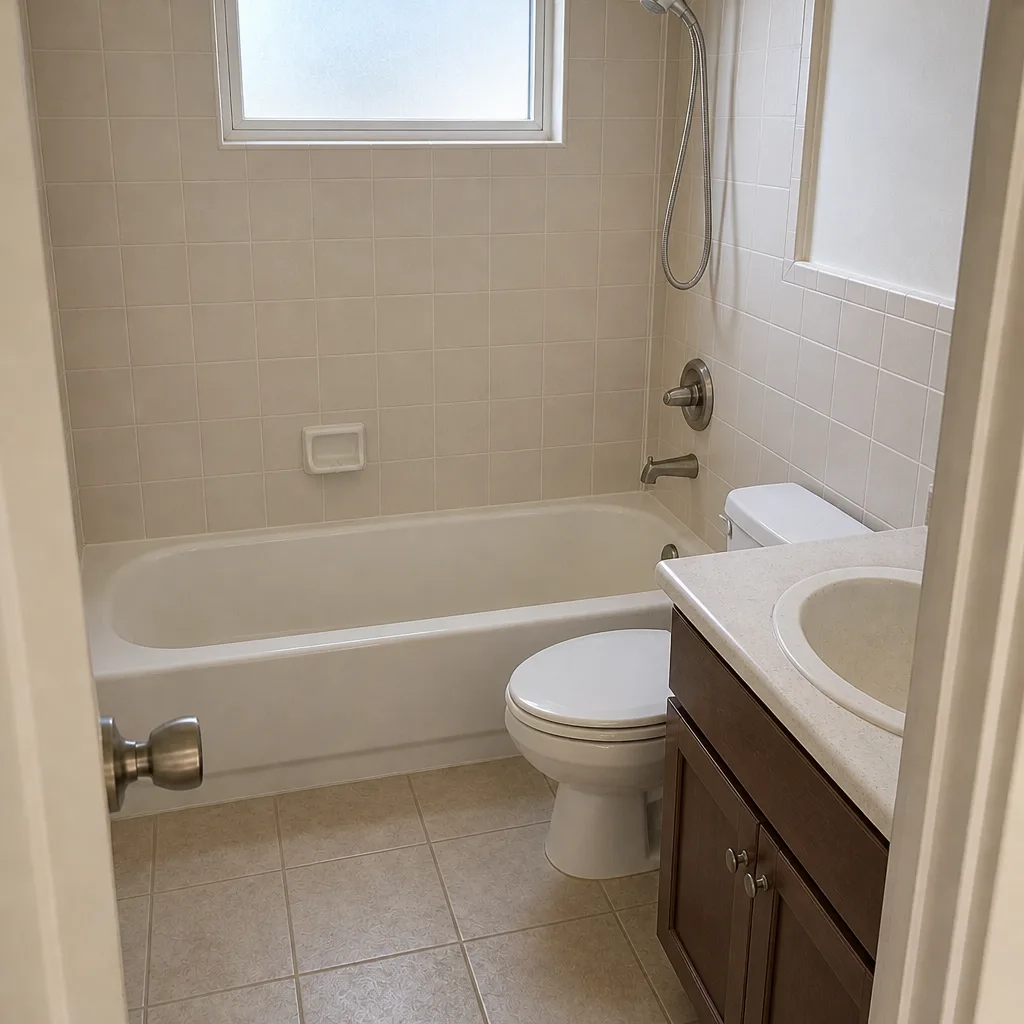
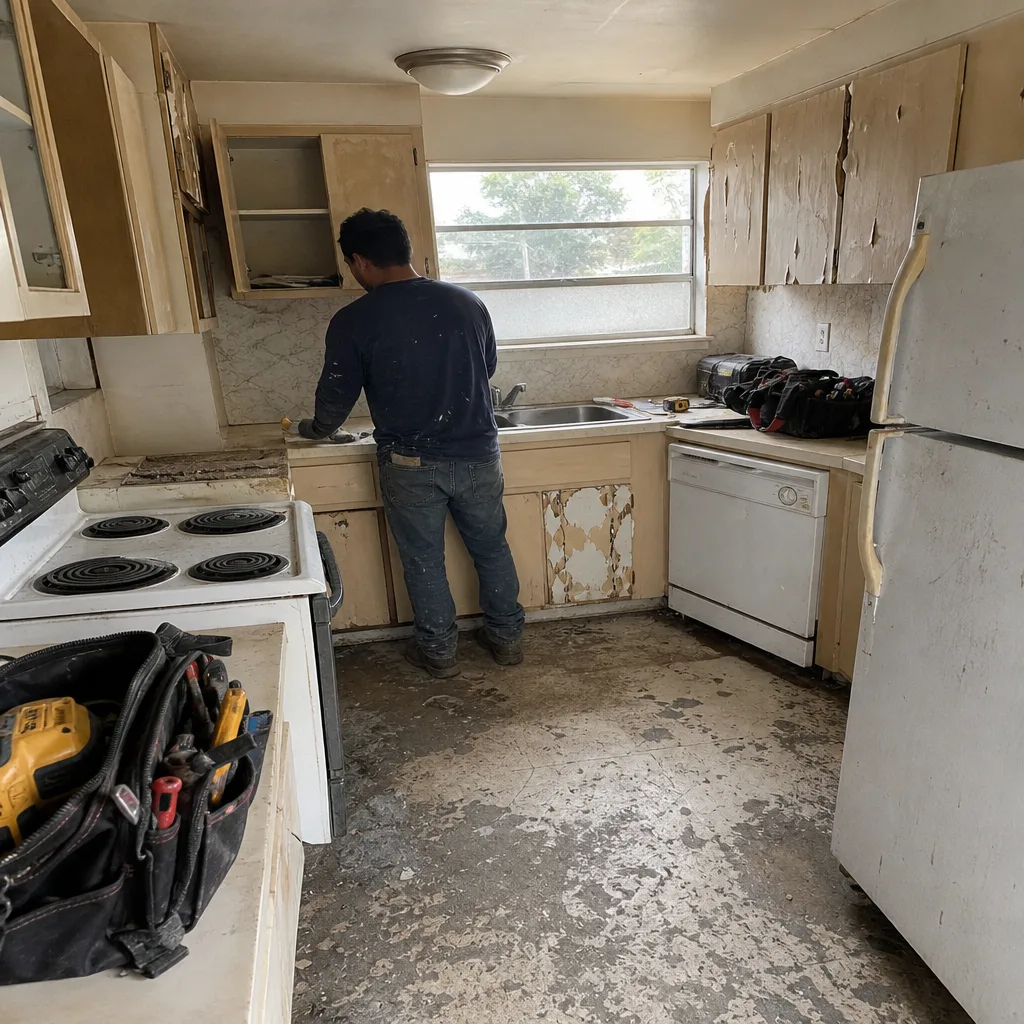
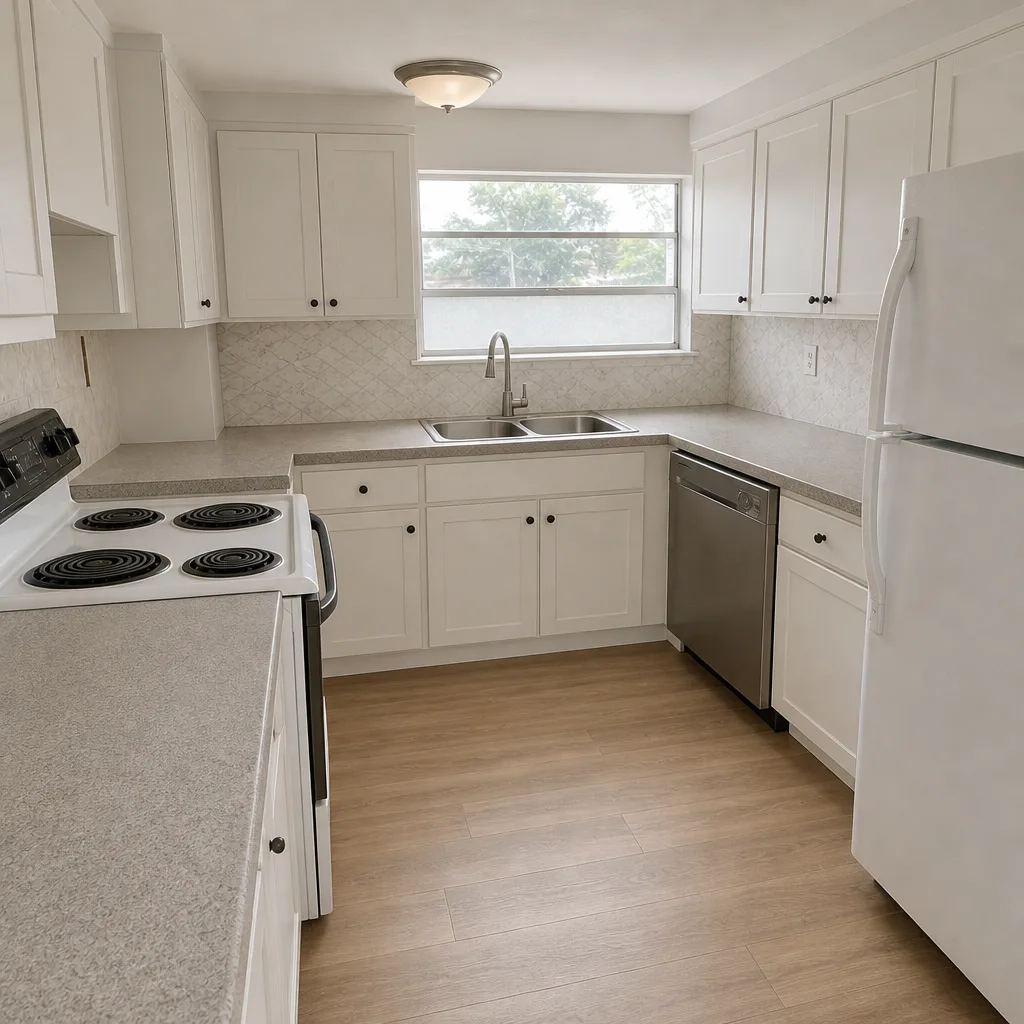
See the difference
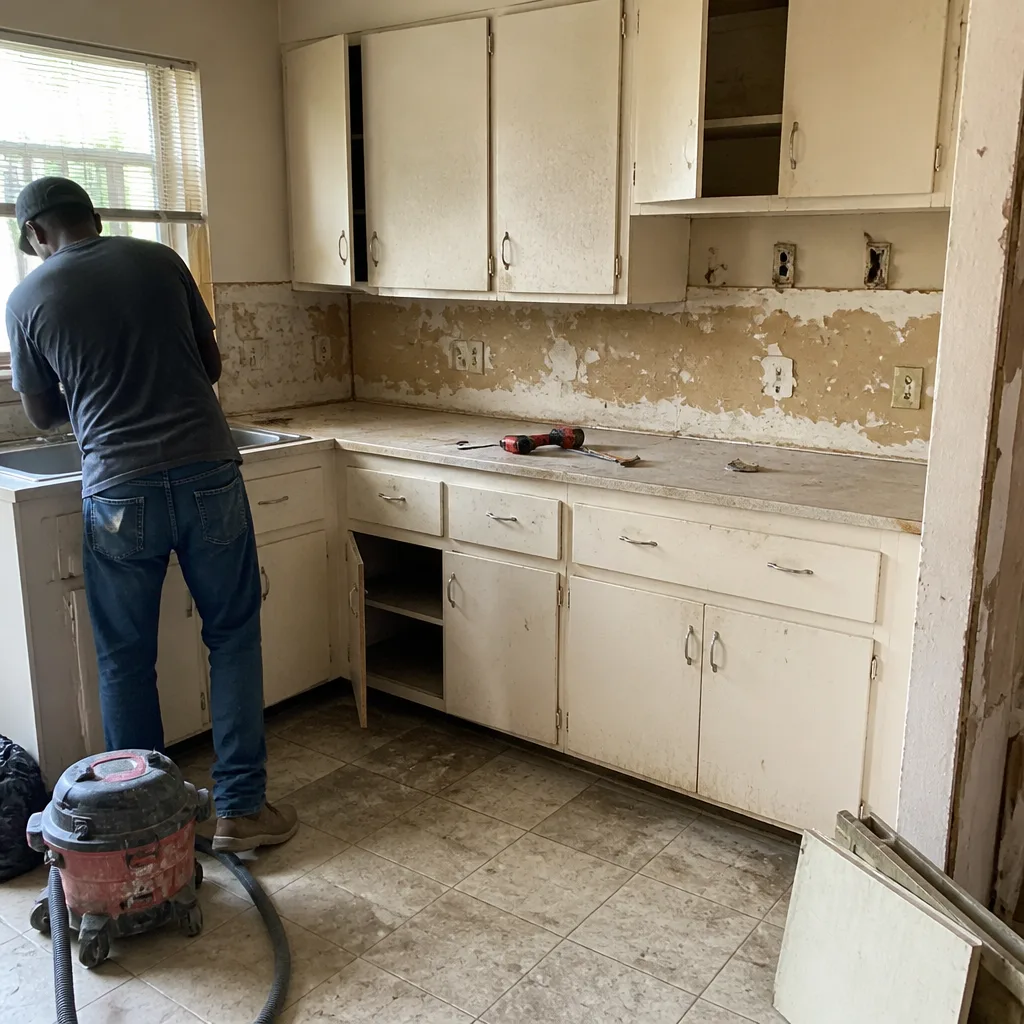 Before
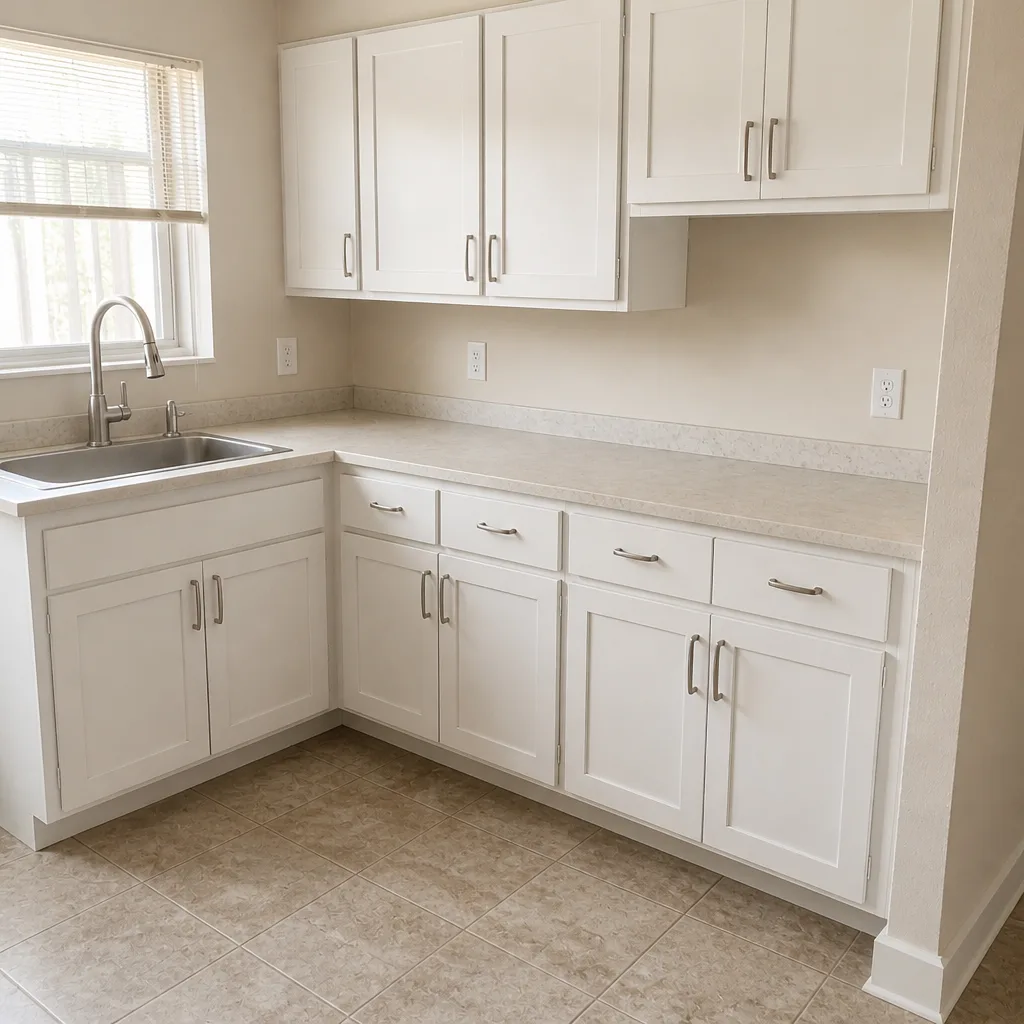 After
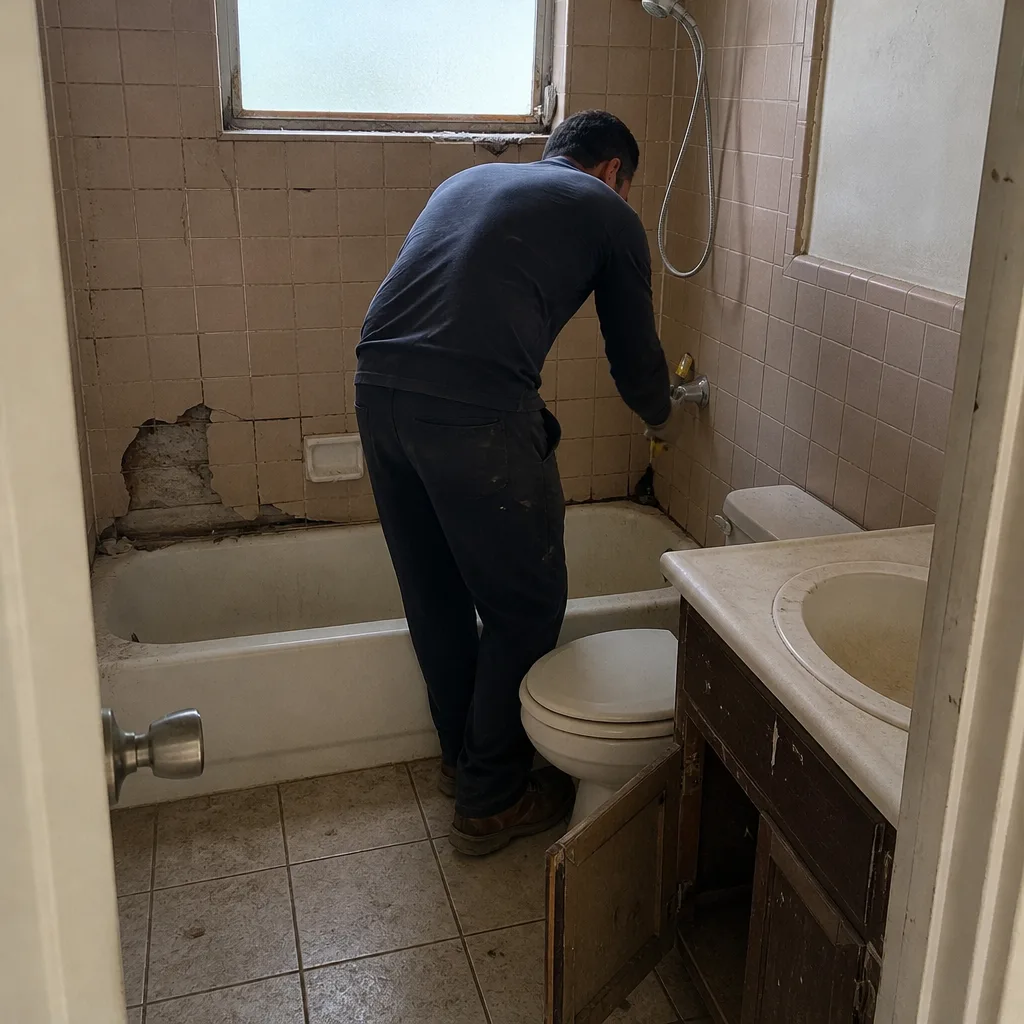 Before
 After
 Before
 After
When to Call a Professional
Call a licensed professional whenever the job involves the rough opening, the anchoring system, the flashing, or the structural load path. In practical terms, that means any window or exterior door replacement, any change to the opening size, any repair that removes the frame, and anything that will need a permit. It also means any second-story or above-grade work where an injury from a fall is a real risk, and any door or window that’s part of a hurricane-resistance strategy covered by insurance. The safety stakes are real: a failed anchor under wind load can send a sash into the room, and the injury risk on ladder work at height is not worth the savings. Rowan Construction Group Miami Gardens offers free estimates in Miami Gardens and a no-hassle upfront written price before anything starts. Call (844) 320-5198.
Frequently Asked Questions
You can physically install one, but you cannot legally complete a compliant replacement without a permit, and an owner-builder permit shifts inspection responsibility to you. A self-installed impact window that fails inspecton or that deviates from the NOA installation drawing is legally non-compliant, even if it’s rated for impact. That can affect your wind insurance. For permitted replacement work, hire a licensed professional. Call (844) 320-5198 for a free estimate and a written price.
Yes. Miami-Dade County requires a building permit to replace any exterior window or exterior door, including a same-size replacement. The permit ensures the product’s NOA matches the assembly and that anchors, flashing, and sealant were installed per the approved drawings. Confirm with the building department for your specific scope, and call us if you want the permit handled for you.
Anchor spacing or edge distance that doesn’t match the approved drawing, substituting an unapproved sealant, and skipping or shortcutting the buck construction all void the NOA. The approval describes the whole assembly, not just the glass. Any deviation means the installed window is no longer the product that was tested.
A home inspector can flag it from the property record, and the sale usually resolves with a credit to the buyer, a retroactive permit and inspection, or a delayed closing. Retroactive permitting can mean opening finished walls to verify anchor embedment. In Miami Gardens’ market, where homes trade often, buyers and their agents check the permit history. Call (844) 320-5198 for a free second opinion if you’re buying or selling a property with unpermitted work.
Search the company and individual names on the Florida DBPR license lookup. Confirm the status is active, the license type covers window and door replacement (general, building, or the proper specialty), and there are no open complaints. Then ask for the written scope and price. A written price before work starts is a baseline for a legitimate contractor.
Not with a properly documented quote. Our written price is a flat price with a written scope, and no work proceeds on a change until a change order is signed. That discipline is why projects finish within a few percent of the agreed number. If your existing quote doesn’t show that, ask for a free line-by-line second opinion. Call (844) 320-5198 for exact numbers on your project.
Thinking About Other Exterior Projects Too?
Windows and doors rarely fail in isolation. If you’re also weighing driveway work, a new fence, or an addition, the same permit-versus-DIY logic applies, and the same written-price discipline is what protects the budget. Start with our Rowan Construction Group Miami Gardens home page to see all seven trades, read our guide to Driveway & Pavers in Miami Gardens for the hardscape version of this conversation, or review Home Additions & ADU in Miami Gardens if your project involves new openings on a larger scale. Every quote comes with a flat written price, a written scope, a written warranty, and the 365-Day Done Right Promise: if it’s not done right, we make it right. No urgency theatre, no countdown timers, just a documented record you can compare against anything else in your inbox.
The Bottom Line
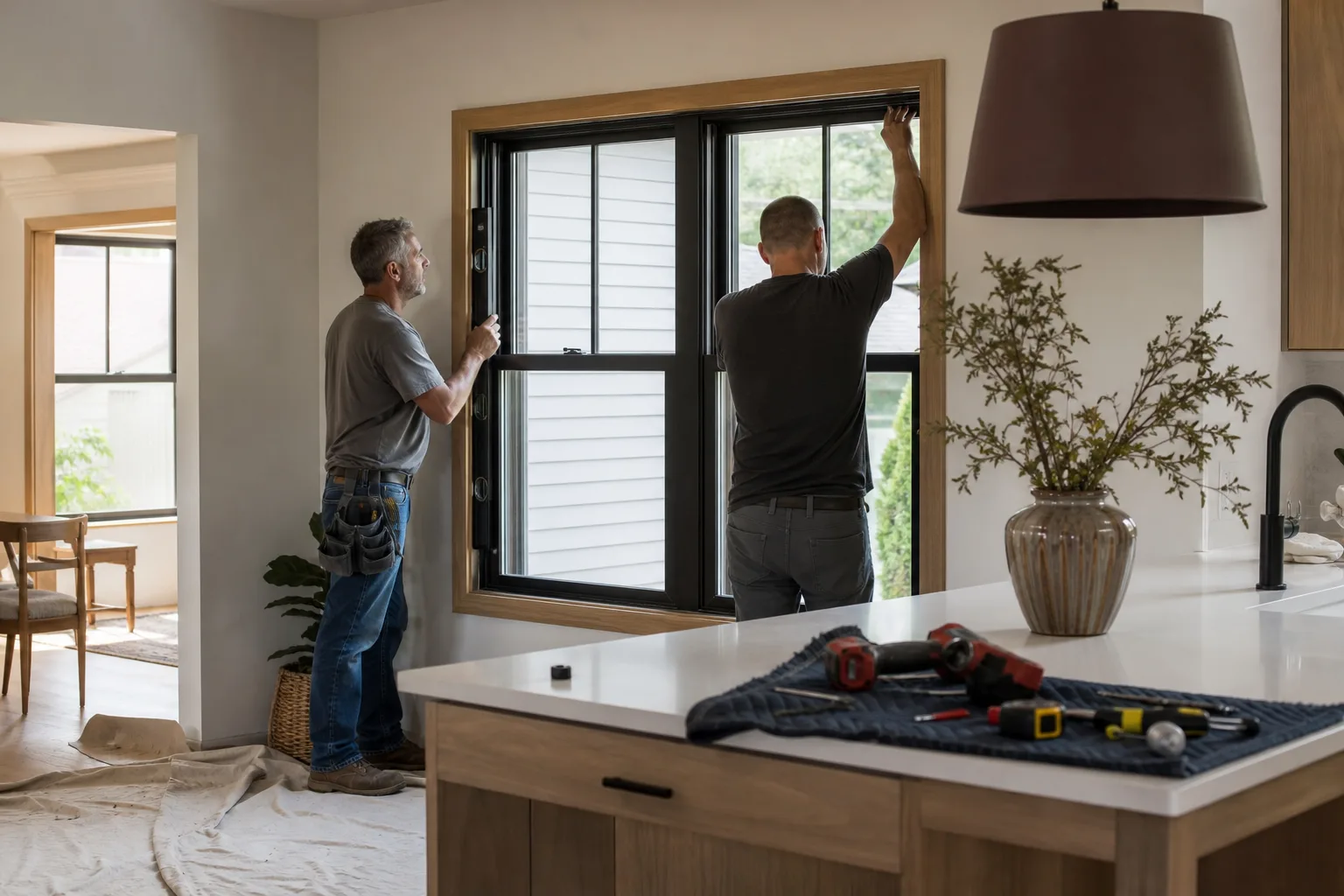
The safe DIY zone for windows and doors ends at the rough opening. In Miami Gardens, the line isn’t about your skill; it’s drawn by the Miami-Dade NOA system, the Florida Building Code permit requirements for Miami-Dade County, and the wind insurance claim that depends on a closed permit. Interior casing, hardware swaps, weatherstripping on non-impact doors, and finish work are all yours to handle. Full unit replacement is permitted work that needs a licensed professional, an inspector, and a paper trail. Verify the license, get the price in writing, keep the photo record. Do that, and you skip the resale headache and the insurance question entirely.
If you’re ready to price a window or door project with a written number in hand before anyone shows up, Rowan Construction Group Miami Gardens offers free estimates and a free second opinion on any written estimate. Sourcing runs across more than fifty vetted brands, from James Hardie exterior products to KraftMaid cabinetry when a project reaches the interior. Call (844) 320-5198 to schedule your free estimate.
Written by the team at Rowan Construction Group Miami Gardens.