Last updated November 18, 2026


Free written scope consultation - allowances, timeline, and change-order rules on paper before a single trade is scheduled
DIY vs Professional Fence Installation: What’s Safe to Do Yourself
Here’s the counterintuitive part: in Miami-Dade County, the choice between DIY and professional fence installation is usually made for you by the permit desk, not by your skill level or your Saturday schedule. Most residential fence projects in Miami Gardens require a permit pulled under a licensed contractor, which legally closes the full do-it-yourself route before anyone digs a hole. Skip that step and you don’t just risk a fine; you build a structure that has to be remediated before the property can be legally sold. This guide draws the exact line: what the code requires, what you can genuinely handle yourself, what tools cost to rent, and what the real savings number looks like.
Quick Answer
In Miami-Dade County, most residential fence installations need a building permit, and a licensed contractor must pull and sign for that permit in the large majority of cases. A homeowner can only self-perform under a narrow owner-builder permit, and even then the work must meet wind-load and inspection standards. Everything short of that – post-hole digging after utility marking, panel hanging, gate hardware, finish work – is fair game for a capable homeowner on a properly permitted project.
Styles & brands we work with
- Kitchen remodeling
- Bathroom remodeling
- Home additions & ADU
- Roofing
- Windows & doors
- Driveway & pavers
- Fence
Table of Contents
- Where the Permit Threshold Actually Sits in Miami-Dade
- Owner-Builder Permits: When They’re Legally Available
- What’s Actually Safe to Do Yourself
- The Real Tool and Rental Cost of a DIY-Eligible Project
- The Liability Question Nobody Asks Until After the Storm
- Installed Cost vs. Self-Install: The Honest Numbers
- Why Miami Gardens Fences Fail Differently
Where the Permit Threshold Actually Sits in Miami-Dade
Miami-Dade County regulates fences through the building code and, in most municipalities, a separate zoning review. The trigger isn’t a single number you can memorize; it depends on height, material, location on the lot, and whether the fence sits in an easement or a flood zone. But the practical threshold most homeowners hit is straightforward: a fence over roughly six feet, or one that runs along a property line in a regulated setback, pulls a permit. And once a permit is required, a licensed contractor’s signature generally goes on the application.
That’s the legal hinge. Under Florida law, a homeowner can act as their own contractor on their own primary residence through an owner-builder exemption, but that exemption doesn’t erase the engineering requirements. Your fence still has to meet the wind-load provisions of the Florida Building Code, still gets inspected, and still has to pass. If it fails inspection, you’re the one footing the correction.
In our experience across fence installation in Miami Gardens, the permit question resolves fastest when you know three things before you call anyone:
- Height: measure from finished grade to the top of the highest rail or picket, not the post.
- Location: property-line fences, corner-lot visibility triangles, and easements all add review layers.
- Material: masonry and concrete walls trigger structural review that wood and aluminum picket typically don’t.
The Miami Gardens building department can tell you in a single phone call whether your specific project needs a permit. Do that before you rent anything. It takes ten minutes and it decides the rest of this guide’s relevance to your project.
Owner-Builder Permits: When They’re Legally Available
The owner-builder route is real but narrow. Florida allows a homeowner to pull permits on their own primary residence without a contractor’s license, provided they personally perform or directly supervise the work, intend to live there, and sign an affidavit to that effect. In Miami-Dade, that affidavit is not a formality – it puts the liability for code compliance, inspections, and any future defect squarely on you.
Where owner-builder permits get complicated in Miami Gardens is at the intersection of material and wind zone. A six-foot pressure-treated wood privacy fence is one thing; a masonry wall or a fence supporting a gate structure is another. The higher the wind-load demand, the more the county wants to see engineered details, and those details usually come from a licensed designer or contractor. That’s not bureaucracy for its own sake – Miami Gardens sits in a high-velocity hurricane zone, and fences here see sustained wind loads that inland fences simply don’t.
Here’s the honest test. Ask yourself whether you can produce, on request, the following:
- A site plan showing the fence line relative to the property survey.
- Post spacing and embedment depth calculated to code for your wind zone.
- Correct fastener specification – galvanized or stainless, rated for pressure-treated lumber contact.
- Proof of utility clearance before digging.
- Willingness to be on-site for every inspection, on the inspector’s schedule, not yours.
If any of those five feels like a stretch, the owner-builder permit isn’t the right tool for your project, regardless of how handy you are.
What’s Actually Safe to Do Yourself
Once a project is properly permitted and the layout is staked and inspected, a good chunk of the labor is genuinely homeowner-friendly. We’ve seen customers save meaningful money by taking on the tasks below while the licensed crew handles layout, setting, and structural checks. The key is knowing which tasks carry real risk and which are just sweat.
Safe for a capable homeowner:
- Calling 811 for utility marking – required before any digging, and it’s free. Do this at least three business days ahead.
- Post-hole digging – after utility marks are confirmed, digging is labor, not skill. It’s the single biggest labor cost on a wood fence job and the easiest to take on.
- Hanging panels and pickets – once posts are set, plumbed, and cured, attaching rails and pickets is repetitive and forgiving.
- Gate hardware installation – hinges, latches, and self-closing springs are bolt-on work with clear instructions.
- Finish painting or staining – this is where homeowners routinely save the most, because finish work takes time but no special tools.
Not safe, and not legal without the license:
- Setting structural posts in a permitted fence line without the contractor of record.
- Any masonry wall section, which requires structural review and specific reinforcement.
- Altering the permitted layout after inspection sign-off.
One caution worth stating plainly: digging is safe only after utility marks are placed and you’ve hand-probed near any marked line. A struck gas or electrical line is a genuine hazard, not an inconvenience. If a marked utility crosses your post line, stop and call the utility, not a shovel.
The Real Tool and Rental Cost of a DIY-Eligible Project
The savings math on DIY fence work only works if you count the rentals honestly. Below are typical Miami-area rental rates for a weekend project, which is what most homeowner-led fence labor stretches to:
- Post-hole digger (manual): $65-$95 per day. A two-person auger rents higher but saves your back on rocky ground.
- Portable concrete mixer: $45-$70 per day. Skip it and you’re mixing 80-pound bags in a wheelbarrow, which adds hours.
- 4-foot spirit level and string line: $20-$40 to buy, not rent. Buy these; you’ll use them again.
- Circular saw or miter saw: $15-$30 per day if you don’t own one.
- Post driver (for metal posts): $30-$50 per day.
- Wheelbarrow and hand tools: $20-$35 per day if you’re renting everything.
Add it up for a two-day project and you’re looking at roughly $200-$350 in rentals alone, before a single bag of concrete. That number matters because it eats directly into the savings the DIY route is supposed to produce. If you already own the saw, the level, and the wheelbarrow, your rental cost drops by a third or more.
If your project overlaps with hardscape work – and many Miami Gardens fence jobs do, since the fence line usually meets a driveway or patio edge – it’s worth understanding how those scopes interact. Our guide to Driveway & Pavers in Miami Gardens covers how Belgard and Techo-Bloc edge restraints are set, which affects where your fence posts land.
The Liability Question Nobody Asks Until After the Storm
This is the part that changes people’s minds. Suppose you build a fence under an owner-builder permit, or without a permit at all, and a hurricane blows through Miami Gardens. The fence fails, a section goes into a neighbor’s yard, and it damages their vehicle, pool screen, or roof. What happens next is not a friendly conversation.
Homeowner’s insurance policies typically cover sudden and accidental damage, but coverage can be reduced or denied when a structure wasn’t built to code or permitted. More importantly, an unpermitted structure may not be treated as a covered improvement at all. The neighbor’s claim lands on your liability coverage, and your carrier will look hard at whether the fence met Florida Building Code wind-load requirements. If it didn’t, you may be paying that claim yourself.
There’s a second, quieter consequence: an unpermitted fence can cloud a future sale. Miami-Dade code enforcement can require removal or remediation of an unpermitted structure, and title reviewers flag open permits. That’s a several-thousand-dollar problem created by a decision that felt like saving $1,200.
A permitted, inspected fence built by a licensed contractor shifts that exposure. The permit record and inspection sign-off become documentation that the structure meets code, which is exactly what a carrier and a buyer want to see.
Installed Cost vs. Self-Install: The Honest Numbers
This is where most DIY guides get vague. Here are realistic 2026 Miami-Dade figures, professional installed cost versus self-install material cost, for a 150-linear-foot fence. Material pricing assumes mid-grade products at big-box or lumber-yard rates.
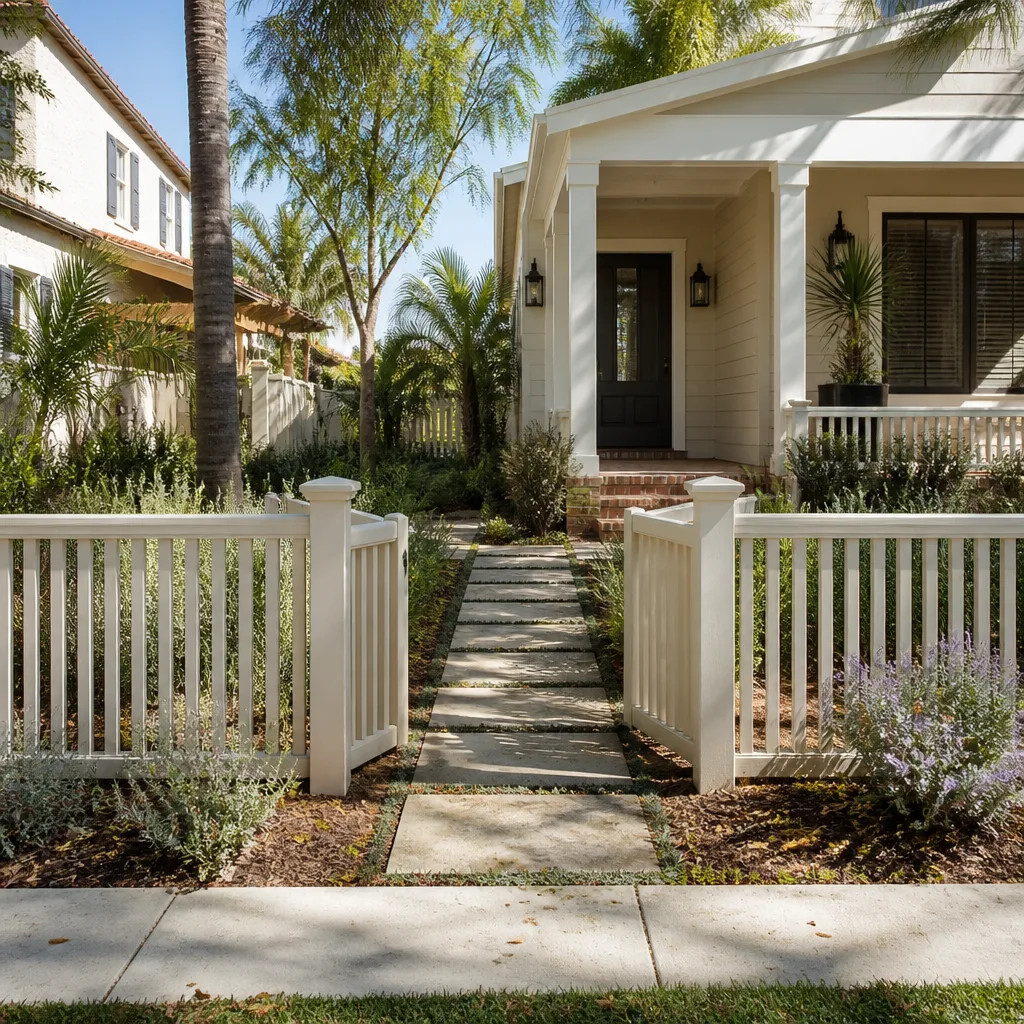
- Pressure-treated wood privacy fence, 6 ft: installed $4,500-$6,800; materials self-install $2,400-$3,600. Apparent savings $2,100-$3,200 before rentals and permit fees.
- Aluminum picket fence, 4 ft (powder-coated): installed $5,400-$8,200; materials $3,000-$4,200. Apparent savings $2,400-$4,000, though aluminum panels are fussier to align.
- Vinyl privacy fence, 6 ft: installed $5,800-$8,900; materials $3,400-$4,800. Savings similar, with less finishing labor.
- Masonry/CMU wall: installed $9,500-$16,000; materials $5,000-$8,500. Not a realistic DIY project – structural review and reinforcement are required.
Subtract $200-$350 in rentals, a permit fee (typically a few hundred dollars), concrete, fasteners, and a few weekends of your labor, and the true savings on a wood fence usually lands in the $1,400-$2,300 range. That’s real money. It’s also what’s at stake if the work fails inspection and has to be redone.
For homeowners whose fence project sits alongside a larger outdoor build – a detached structure, a covered patio – it helps to see how those scopes price together. Our Home Additions & ADU in Miami Gardens page covers the permit sequencing when a fence line abuts a new structure.
Why Miami Gardens Fences Fail Differently
Miami Gardens fences age in ways that fences in cooler, drier climates don’t. The combination of near-constant humidity, intense UV, and summer wind events means pressure-treated lumber takes on moisture fast and, if not sealed, begins to warp within two or three seasons. Post rot at the soil line is the single most common failure we see, and it’s usually a drainage problem, not a material problem – sandy soil in neighborhoods like Andover and Norwood drains unevenly after heavy rain.
Wind is the other variable. A fence here isn’t just a privacy screen; it’s a wind-loaded structure. Rail spacing, post embedment, and fastener galvanization all affect whether the fence meets the wind-load provision of the Florida Building Code and survives a named storm. That’s why a properly permitted and inspected project is worth the paperwork – the inspection is a wind-load check, not a formality.
If you’re also planning roof or exterior work alongside the fence, our Rowan Construction Group Miami Gardens home page describes how we sequence projects that share a permit timeline, and how we document each one.
Common Mistakes to Avoid
- Skipping the 811 call. Digging before utility marks are placed is the fastest way to turn a weekend project into an emergency. The call is free and takes three business days.
- Assuming a permit isn’t needed because the fence is “short.” Height triggers vary by zoning and material, and Miami Gardens reviews property-line fences closely. A phone call to the building department settles it.
- Setting posts in mud without checking embedment depth. Hurricanes don’t care how good the fence looks in April; they test how deep and how well-cured the posts are.
- Using standard steel fasteners with pressure-treated lumber. The copper in treated wood corrodes them fast. Galvanized or stainless, always.
- Finishing the wood too soon. Staining fresh pressure-treated lumber before it dries traps moisture and causes the warping homeowners blame on the material.
- Upgrading the gate without upgrading the posts. Gate posts carry more load than line posts and need deeper embedment. A heavy gate on a shallow post sags within a season.
- Building across an easement. Many Miami Gardens lots carry utility or drainage easements that a survey will show and a fence will violate.
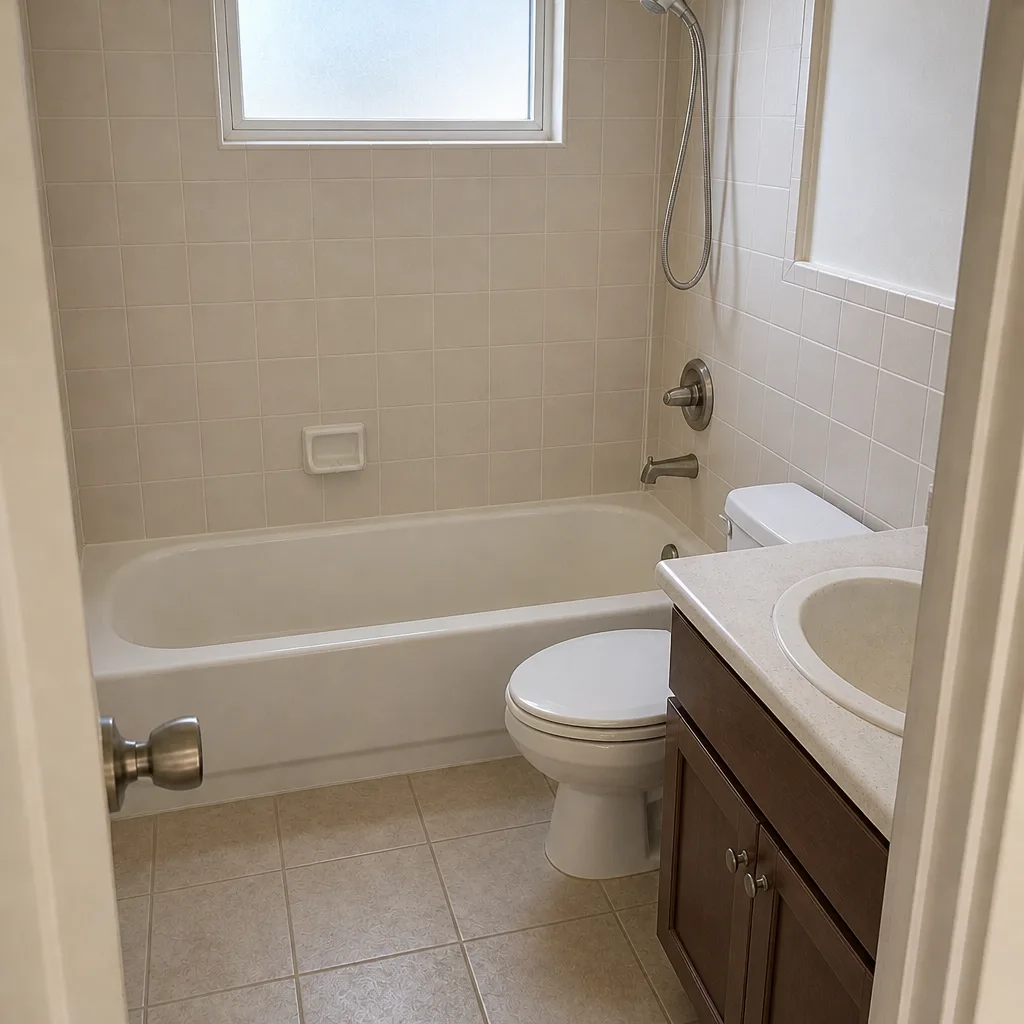
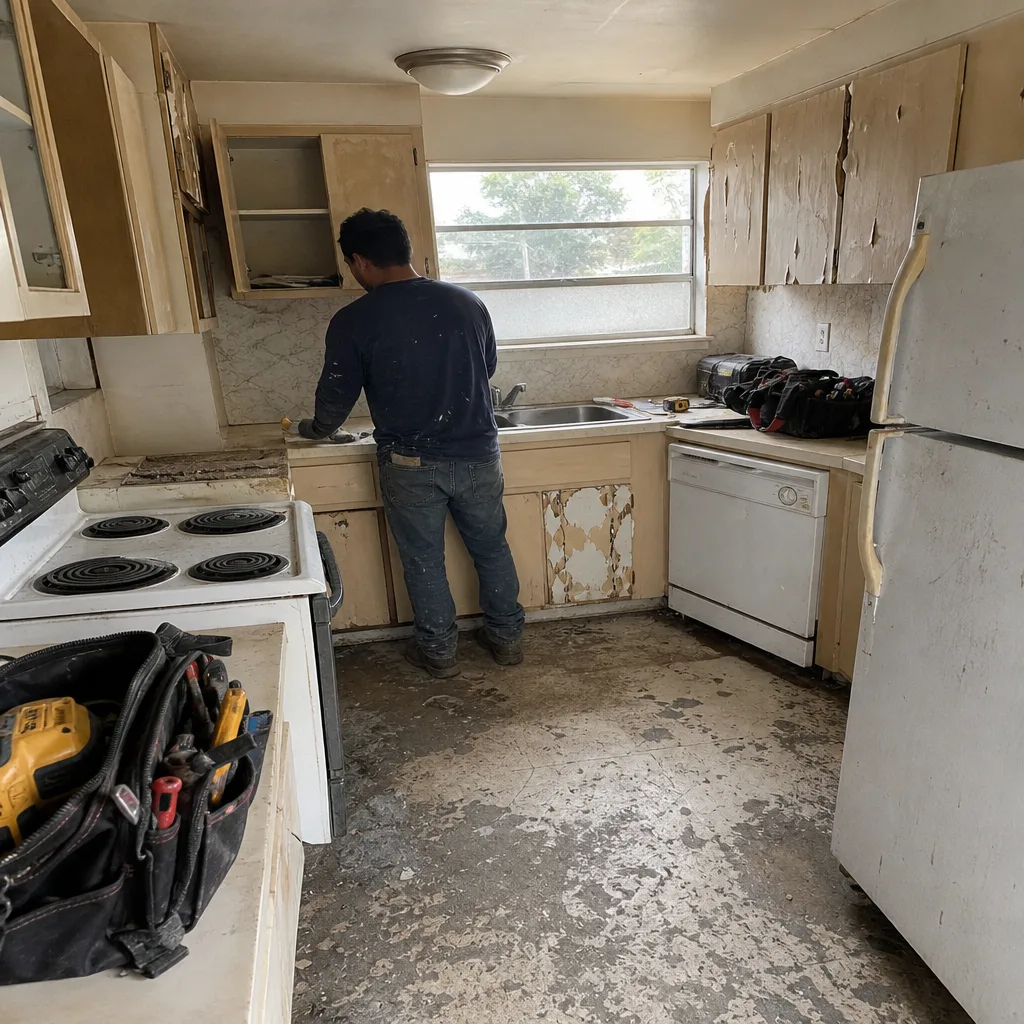
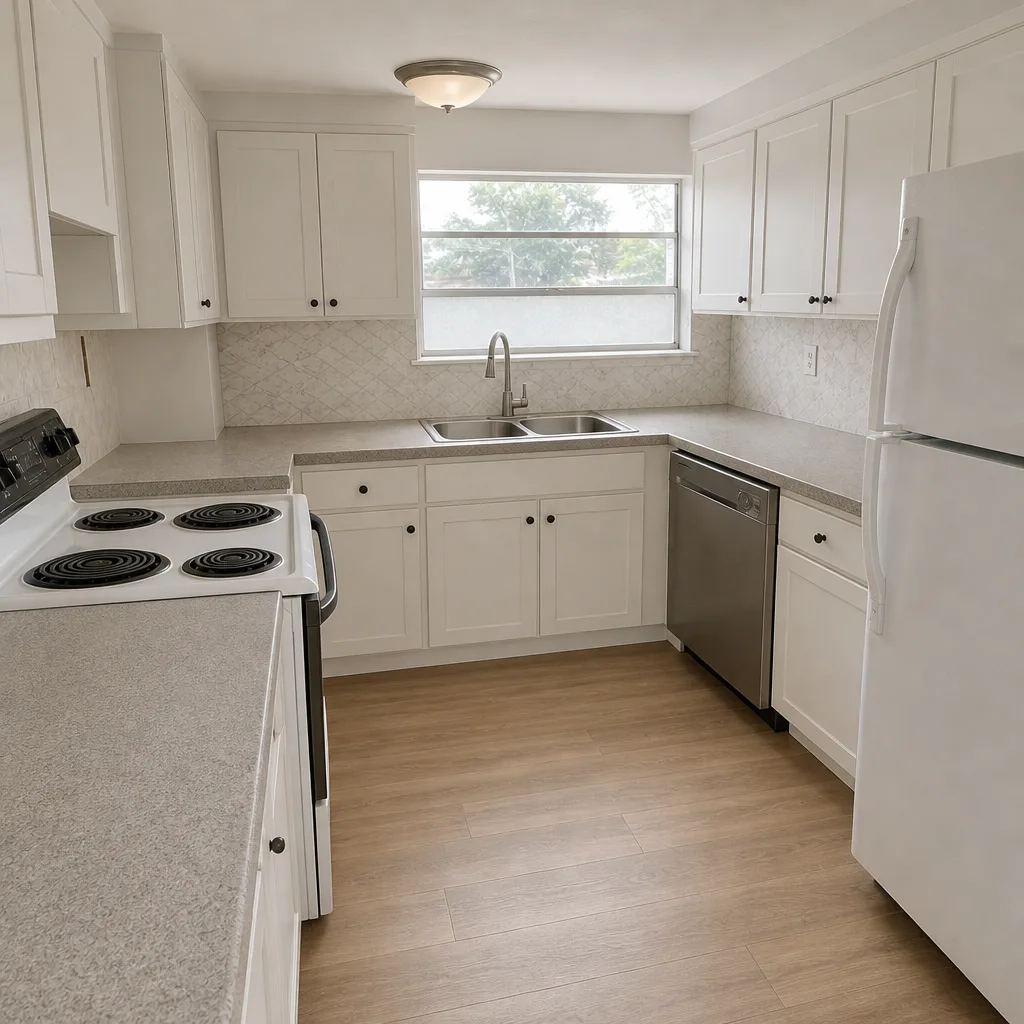
See the difference
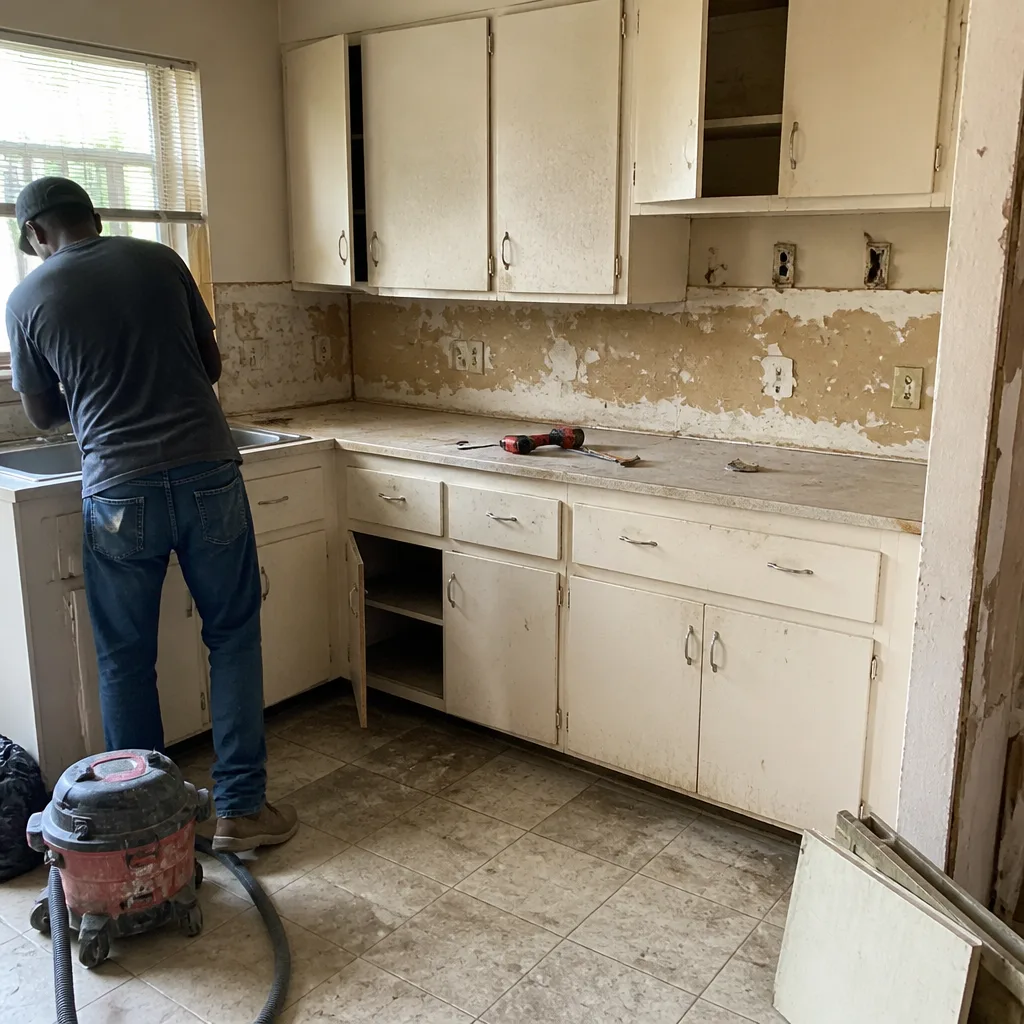 Before
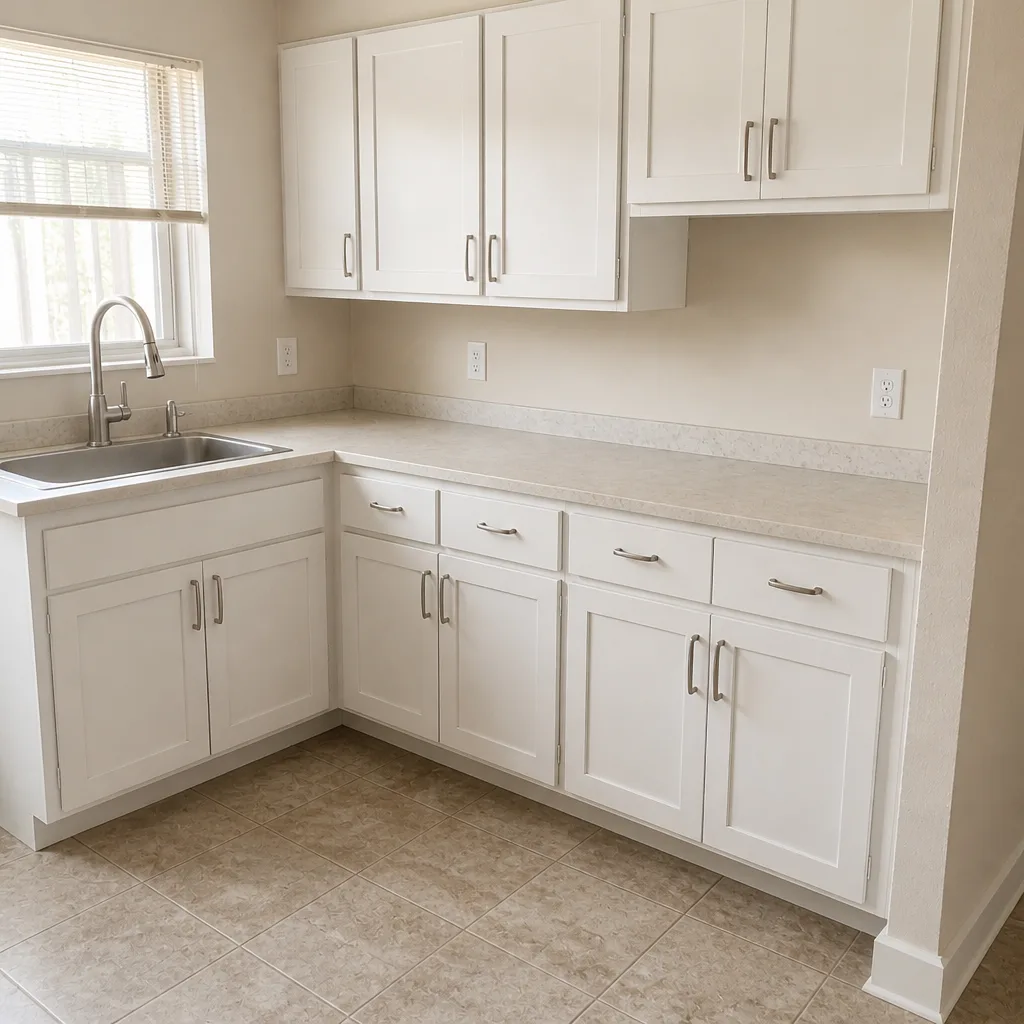 After
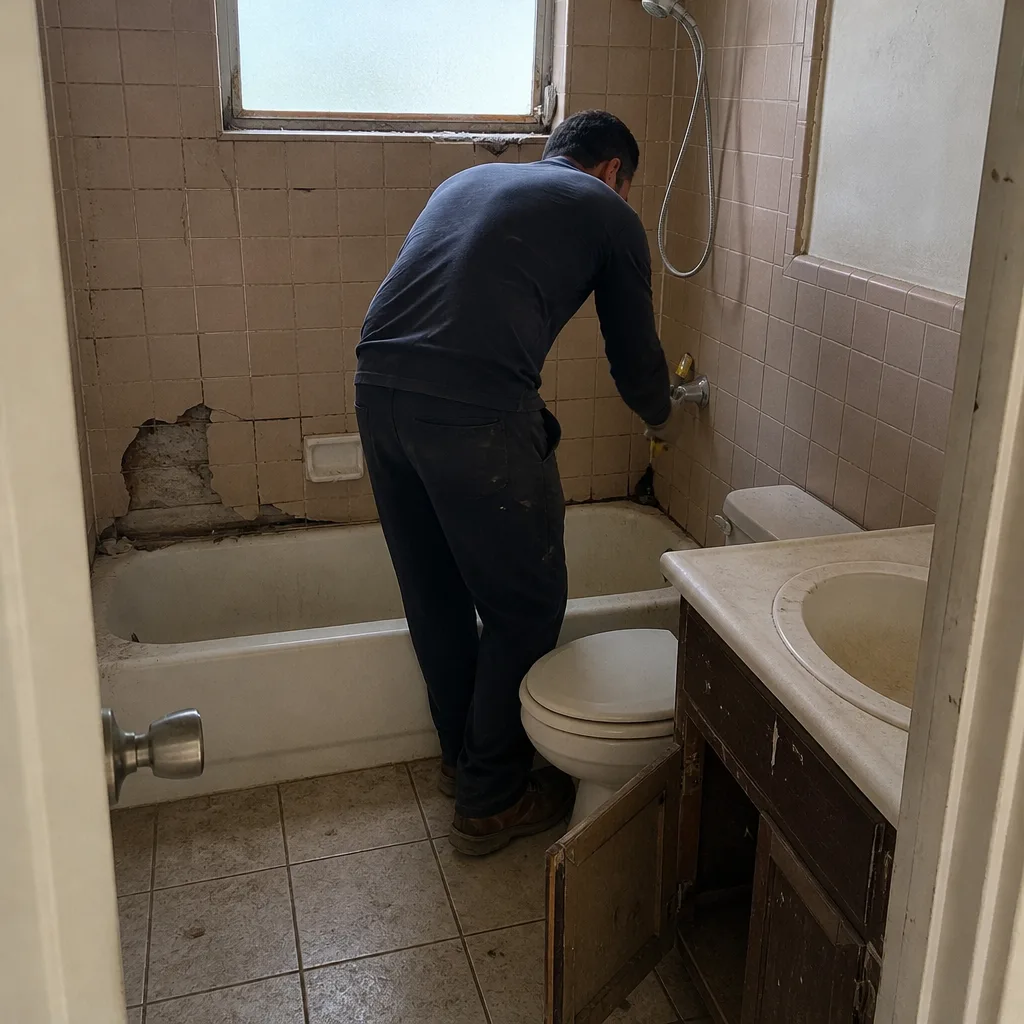 Before
 After
 Before
 After
When to Call a Professional
Call a professional when any of the following is true: the fence exceeds the height that triggers a permit, the fence is masonry or supports a gate heavier than a standard walk gate, the project sits on or near a property line requiring survey work, or you simply can’t be on-site for inspections on the county’s schedule. These are the scenarios where the permit process itself makes DIY the wrong path.
Rowan Construction Group Miami Gardens offers free estimates in Miami Gardens, with a written price and written scope delivered before any work starts – under Clause 1 of the Haven Standard, no work proceeds until the price is in writing. Our technicians have up to 19 years of experience, crews are background-checked, and every visit includes a documented photo record. Call (844) 320-5198 to schedule your free estimate, or bring a competitor’s quote and we’ll review it line by line at no charge.
Frequently Asked Questions
In most cases, yes. Miami-Dade County requires a permit for residential fences above roughly six feet and for most property-line installations, with a licensed contractor’s signature required on the application in the large majority of cases. Call the Miami Gardens building department with your fence height and location to confirm before you buy materials.
Legally, yes, on your own primary residence, by signing an owner-builder affidavit and taking on full liability for code compliance and inspections. In practice, the wind-load and structural requirements of Florida Building Code make the owner-builder route workable only for simpler wood or aluminum fences. Masonry and gate structures realistically need a licensed contractor.
On a 150-foot pressure-treated privacy fence, realistic savings after rentals, permit fees, and materials land around $1,400-$2,300 – not the $3,000-plus that raw material comparisons suggest. Call (844) 320-5198 for a free written estimate so you can compare the professional number against your own DIY math.
Coverage can be reduced or denied, because insurers may not treat an unpermitted structure as a covered improvement, and your liability coverage faces a claim the carrier may decline to pay if the fence didn’t meet code. A permitted, inspected fence protects both you and your neighbor. Call (844) 320-5198 to schedule a free estimate and see what a permitted installation costs.
On a properly permitted project, homeowner-safe tasks include calling 811 for utility marking, post-hole digging after marks are placed, hanging panels and pickets, installing gate hardware, and finish painting or staining. Post setting, structural masonry, and layout changes after inspection are not.
A typical 150-foot wood privacy fence runs two to four working days once the permit is issued, with inspection scheduling adding a few days. Masonry walls run longer. Permit timelines vary by project complexity and county workload, so the written scope should state expected dates before work begins.
The Bottom Line
The DIY-versus-pro line for fence installation in Miami-Dade isn’t drawn by how capable you are; it’s drawn by the permit. Most residential fences here require a licensed contractor’s signature, and an unpermitted fence exposes you to insurance gaps and a remediation problem at resale. What genuinely remains in your scope is real work – utility marking, post-hole digging, panel hanging, gate hardware, and finish – and it can save $1,400-$2,300 on a typical wood fence. Get the price in writing, know which tasks are yours, and let the permit process do its job.
Written by the team at Rowan Construction Group Miami Gardens.