Last updated November 18, 2026


Free written scope consultation - allowances, timeline, and change-order rules on paper before a single trade is scheduled
Windows & Doors Warning Signs Every Homeowner Should Know
A window proposal that lists “impact-rated glass” without a Miami-Dade NOA number is not a compliant product offer. Impact-rated glass and a Miami-Dade NOA-approved impact window assembly are legally distinct things, and only one of them will pass a Miami-Dade building inspection. That distinction is where most of the money in a window project actually lives. Not in the frame color, not in the showroom glass, but in the paperwork attached to the spec sheet. In this guide we’ll show you how to read a proposal for compliance, how to spot the physical warning signs that mean a window or door is failing structurally rather than cosmetically, and how to catch the contract and license red flags that quietly shift risk onto you. We’ve walked Miami Gardens homes where the hardware was fine and the paperwork was the real problem.
Quick Answer
The warning signs that matter most in a window and door project are split between the hardware and the paperwork. Valid warning signs in the product itself are water intrusion at the sill, fogging between panes, frame racking after a storm, and stress cracks in the impact interlayer. The bigger warning signs are in the proposal: a missing Miami-Dade NOA product approval number, vague installation language, an unlicensed or mis-classed contractor, and a contract missing the clauses Florida Statute 489 requires. Read the paperwork before you read the hardware, because a beautiful window installed against a non-compliant spec is a liability, not an asset.
Styles & brands we work with
- Kitchen remodeling
- Bathroom remodeling
- Home additions & ADU
- Roofing
- Windows & doors
- Driveway & pavers
- Fence
Table of Contents
- How to Read a Window Proposal for NOA Compliance
- Physical Warning Signs That Mean the Buck Needs Replacing
- Contractor License Red Flags for Florida Window Work
- Contract and Payment Warning Signs Under Florida Statute 489
- Post-Storm Warning Signs in Impact Windows Homeowners Ignore
- Warning Signs Specific to Entry and Patio Doors
- What the Warning Signs Actually Cost to Fix
How to Read a Window Proposal for NOA Compliance
A Miami-Dade NOA, or Notice of Acceptance, is the county’s product approval for a specific window or door assembly tested to withstand wind-borne debris impact and specified design pressures. It is tied to a product, a size range, and an installation method. Not to a brand. Not to a marketing line that says “hurricane approved.” If the proposal in front of you lists an impact product without a NOA number, you have a proposal, not a compliant product offer. Here is how to check it.
- Find the NOA number on the spec sheet. It is a distinct number, typically starting with “NOA” followed by a year and sequence and it must appear in the product documentation for the exact model and size the proposal names.
- Verify it on the Miami-Dade product approval search. The county maintains a public database. Enter the NOA number and confirm the issuing date, expiry, product description, and the listed installation method all match what the contractor is proposing for your home.
- Confirm the size range. An approval for a 36-inch unit does not automatically cover a 60-inch unit. The approved product size range must include the specific units going into your home.
- Confirm the pressure rating. The proposal should list a design pressure rating that meets or exceeds what is required for your building’s location and elevation. Missing pressure data is a red flag, not a rounding error.
- Confirm the installation method matches. The NOA specifies how the assembly is anchored and sealed. If the contractor proposes a different method, the approval does not cover the installation and the inspection can fail.
When a NOA number is missing from a spec sheet, the honest response is that the product is unverified until the number is produced. We don’t accept “it’s the same as” from a supplier for any window we inspect, and neither should you. If you’re moving next into roofing or structural repairs after a window replacement, the same product approval discipline applies to those trades too; see our Rowan Construction Group Miami Gardens home for how we document each trade before anything is ordered.
Physical Warning Signs That Mean the Buck Needs Replacing
The buck is the rough structural frame behind the window opening: the wood or composite that carries the window and transfers wind load to the wall. It is behind the finished drywall, invisible in daily life, and it is the single largest cost variable in any Miami Gardens window replacement. When a buck is sound, the job is a window swap. When the buck is compromised, the project adds a rebuild of the structural opening, which we’ve found routinely runs $300 to $800 per opening on top of the base window price in this market.
These are the indicators we treat as structural rather than cosmetic:
- Rot or softness around the interior casing that does not stop within a quarter inch of probing. A shallow surface issue is paint and caulk; a soft spot that takes a screwdriver head means moisture has reached the structural wood.
- Stucco separation at the window perimeter that runs more than a hairline. This is the classic sign of buck movement in South Florida’s stucco-over-frame construction.
- Daylight visible at the interior edge of the frame when the window is closed and latched. This means the frame has shifted and the gasket seal is broken.
- Frame racking where the window is out of square by more than a quarter inch across the diagonal. Racking in an impact window is not a cosmetic defect.
- Water staining on the interior drywall around the opening, especially after heavy rain. This means the assembly is failing somewhere even if the interior glass looks fine.
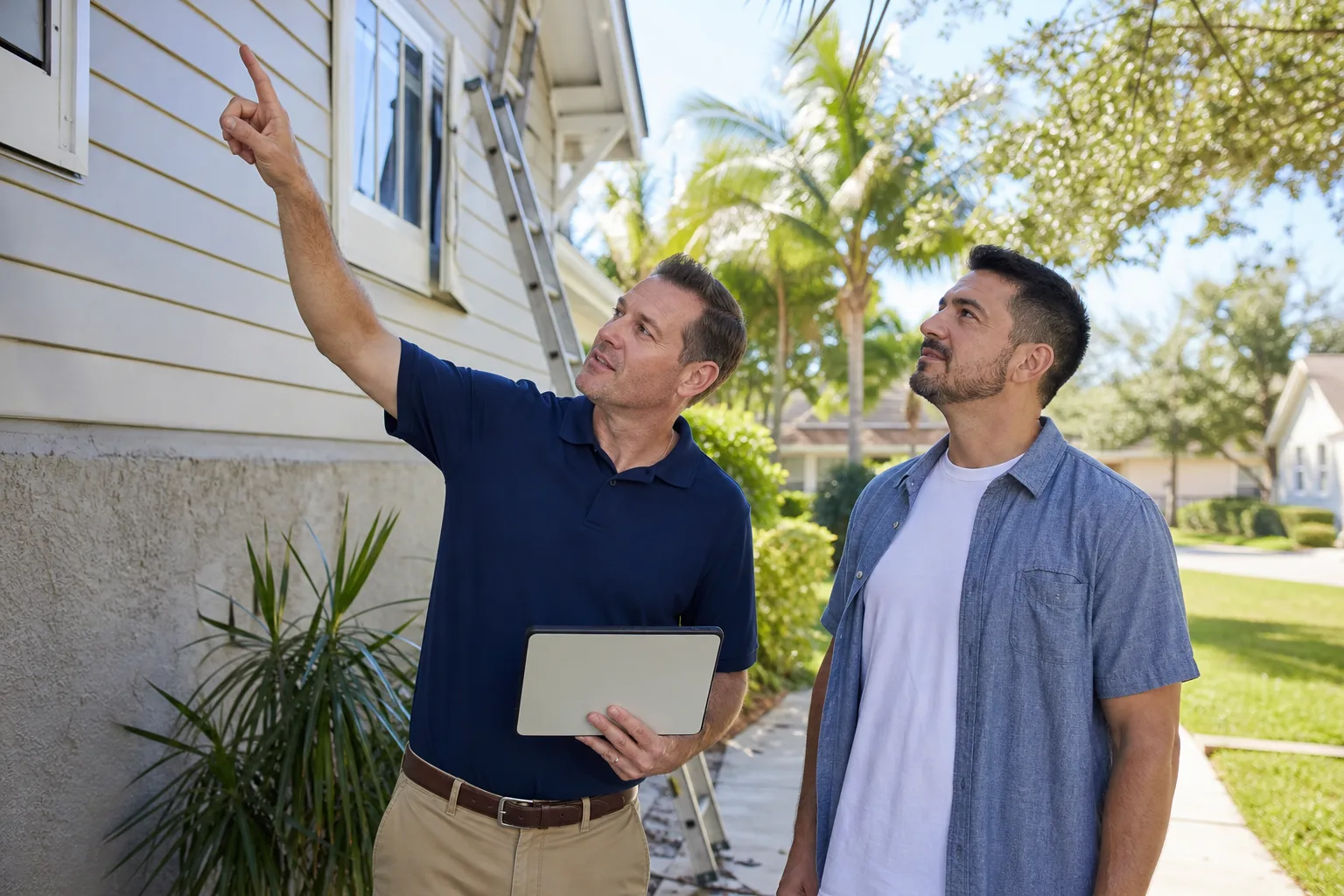
Miami Gardens homes built in the 1970s and 1980s along the corridors near Northwest 199th Street and the older blocks of Scott Lake commonly present a buck condition we don’t see in newer construction: the original wood buck was set against exterior stucco with a minimal moisture barrier. Every hard summer rain drives water against that assembly. Under Clause 1 of the Haven Standard, we photograph the buck on site before writing the price, so the customer sees exactly which openings need structural work and which do not.
Contractor License Red Flags for Florida Window Work
Florida separates contractors into two categories that matter enormously for window and door work. A certified contractor holds a state license and can work anywhere in Florida. A registered contractor holds a local license that only covers the specific county or municipality where it was issued. In Miami-Dade, a registered license has to be matched to the specific jurisdiction before any permit is pulled. A registered license from another county does not automatically carry into Miami-Dade.
Red flags to check before signing:
- The license class is wrong for the scope. Window and door replacement that involves structural opening work is generally general, building, or residential contractor scope. A “handyman” license or a specialty license limited to awnings and shutters typically does not cover a full window replacement.
- License number is missing from the proposal or business card. A licensed Florida contractor will hand it over without hesitation because it is public record, searchable on the state’s contractor database.
- The license belongs to a different entity than the one proposing the work. If the company name on the contract doesn’t match the name on the license, the license is not authorizing the work.
- No general liability insurance certificate provided on request. On any job over a few thousand dollars, this is mandatory. Ask for it directly and read the effective dates.
- Worker’s compensation coverage is not confirmed. On a Florida window job, a worker injured on your property without coverage can create a claim against you.
Fence and paver contractors in this market face the same three checks, and we cover them in depth on our Fence Installation in Miami Gardens page. For window work, always start with the state license lookup before any other conversation. If a contractor balks at providing the license number, that is the answer you need.
Contract and Payment Warning Signs Under Florida Statute 489
Florida Statute 489 is the contractor licensing law, and it places specific disclosure and contract terms on anyone performing work in the state. A window replacement contract that omits the required clauses is not just sloppy, it shifts legal and financial risk from the contractor onto you. Under our Haven Standard the contract you sign is the full written scope, not a one-page proposal with a number at the bottom.
What a compliant Florida contract should include, and the warning signs when it doesn’t:
- The contractor’s license number in the contract body. Missing means the disclosure requirement was skipped.
- A description of the work and the specific products by model, size and NOA number. “Nine impact windows” is not a scope. It is a category.
- Payment schedule tied to milestones, not to calendar dates. A large deposit before materials arrive is standard in this market, but it should not exceed Florida’s statutory cap on the first payment and should be linked to a documented delivery milestone.
- A three-day right of rescission notice for residential contracts, as required by Florida law. A contract without it can be legally unenforceable at the homeowner’s option.
- Written notice of the homeowner’s right to file a complaint with the state licensing board. This is a statutory disclosure, not a courtesy.
- A written warranty that specifies duration and what is covered. “Standard manufacturer warranty” is not a warranty – it’s a pointer at a document you haven’t seen.
- A change order procedure. Under Clause 1 of the Haven Standard, no change is made on the job until the change order is signed, which is the reason projects finish within a few percent of the number agreed. A contract with no change process means changes happen by phone and land in the final invoice.
If you already have a written estimate from a competitor, our Home Additions & ADU in Miami Gardens overview of how we scope structural permits and inspections applies to window projects at the scale where a NOA is required, and it will help you read the proposal in front of you line by line.
Post-Storm Warning Signs in Impact Windows Homeowners Ignore
Impact windows are designed to take a strike and stay in the opening. That is not the same as staying compliant. After a named storm passes, three failure modes routinely show up in Miami Gardens homes and get dismissed as “it still works.”
- Stress cracks in the interlayer. The laminated interlayer between the glass plies can develop fine crazing not visible at arm’s length. Under load, a cracked interlayer loses the redundant load path the assembly was approved on. The window stays in the frame and stays non-compliant.
- Frame racking after impact. A struck window can rack the frame even if the glass survives. Racking can break the anchor’s hold on the buck without breaking the glass. A racked unit is no longer an approved assembly at that size and pressure.
- Sill seal separation. Water forced under the sill during a storm can break the perimeter seal. The interior stays dry until the next hard rain, then suddenly doesn’t. The seal is part of the approved installation method, and a broken seal fails the assembly just as cleanly as broken glass.
What each costs to cure depends on what failed. A reseal at the sill is a minor line item. A full re-glaze of one unit can run several hundred dollars on top of the original install. A full assembly replacement at an opening where the NOA is compromised – meaning the window as installed is no longer the product that was approved – is the most expensive outcome, and the one most often ignored because the window “still opens and closes.”
The window-specific inspection we run after a storm looks at the interlayer under a flashlight at an angle, checks the frame corner joints for movement, and probes the sill seal at four points. It takes under a minute per opening. Every visit comes with a documented photo record, so the condition of each unit is on file before the next storm.
Warning Signs Specific to Entry and Patio Doors
Doors fail differently than windows, and the paperwork is where the divergence starts. An entry door and an impact sliding glass door have separate NOA approvals, and the door hardware – lockset, astragal, hinge types – is part of the approved assembly on many products. A contractor who swaps an approved handle for a brand they stock may be voiding the approval without telling you.
Look for these door-specific signs:
- The door “walks” out of square – the deadbolt no longer aligns with the strike plate on a seasonal basis. In Miami Gardens this is often a hinge and buck issue rather than a lock issue, and it’s the physical warning sign that pairs with a missing NOA for the hardware.
- A patio door that sticks at the bottom in one season and the top in another. That pattern means the track or frame is moving under load, which is a racking indicator.
- Draft at the perimeter when the door is latched. Sill seals and perimeter weatherstripping are part of the approved installation and part of what fails first in South Florida humidity.
- Rust or pitting at the anchor points on an aluminum frame door. This is a sign of long-term water exposure that has likely compromised the anchor’s hold on the buck.
If the door in question is a patio door onto a new structure, the framing and permitting path matters as much as the door product itself. Our Driveway & Pavers in Miami Gardens guide covers exterior structural sitework in the same neighborhood vocabulary, and the same rules on written scope apply to anything attached to the house.
What the Warning Signs Actually Cost to Fix
When a homeowner asks what a warning sign “means,” what they usually want to know is what it costs. Here are the ranges we see in Miami Gardens and across the metro market. These are line-item figures, not marketing estimates, and each one is quoted in writing before work begins.
| Item | Typical Range |
|---|---|
| Standard impact window replacement, per opening (base, sound buck) | $900 – $1,600 |
| Buck rebuild at an opening with rot or movement | $300 – $800 additional per opening |
| NOA verification and permit documentation | Included in scope |
| Post-storm reseal at sill | $150 – $400 per opening |
| Post-storm single-unit re-glaze with approved interlayer | $400 – $900 per opening |
| Full assembly replacement where NOA is compromised | Full replacement pricing plus removal |
| Entry door with approved hardware assembly | $1,200 – $3,500 including frame work |
| Impact sliding glass door | $2,500 – $6,500 depending on size and approval class |
Note that the buck rebuild is the single largest variable on a typical Miami Gardens window project, and it’s also the line most proposals understate. A contractor quoting at the low end of the base range without mentioning the buck has either not inspected it or has not priced it. Our proposal separates base window price, buck rebuild (per opening, with photographs), and permit documentation into distinct line items so you can compare any two quotes on equal terms. If you have a competitor’s written estimate in hand, we’ll review it line by line at no charge.
Common Mistakes to Avoid
- Accepting “impact glass” as a compliance claim. Impact glass is a material. NOA approval is a legal status for a specific assembly. Ask for the number, not the adjective.
- Skipping the Miami-Dade product approval search. The database is public and free. It takes five minutes and it catches the majority of false claims.
- Hiring a registered contractor whose license doesn’t cover Miami-Dade. A local license from another county does not automatically transfer. Confirm jurisdiction before signing.
- Signing a contract without the statutory rescission notice. It’s a required disclosure. Its absence can make the contract unenforceable on your side but doesn’t help you with the work already completed.
- Letting a contractor select door hardware or window operators from “what we carry.” An approved assembly’s hardware is specified. Subbing is a change, and it needs a signed change order.
- Ignoring post-storm signs because the window still functions. Glass in the frame and compliant assembly are different conditions. A visual inspection with photographs is the only way to know which one you have.
- Assuming the buck is fine because the interior looks fine. Rot behind the casing is invisible until it’s structural. The inspection, done properly, includes probing.
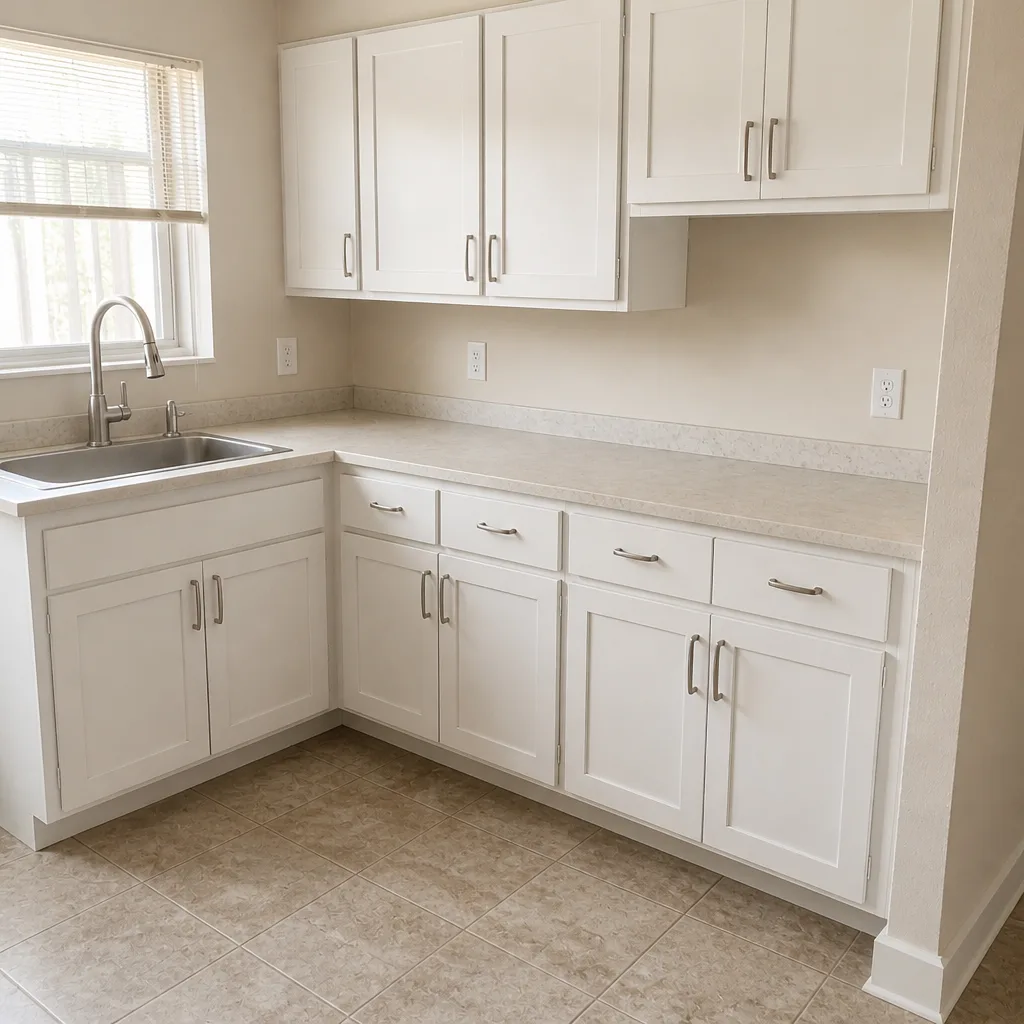
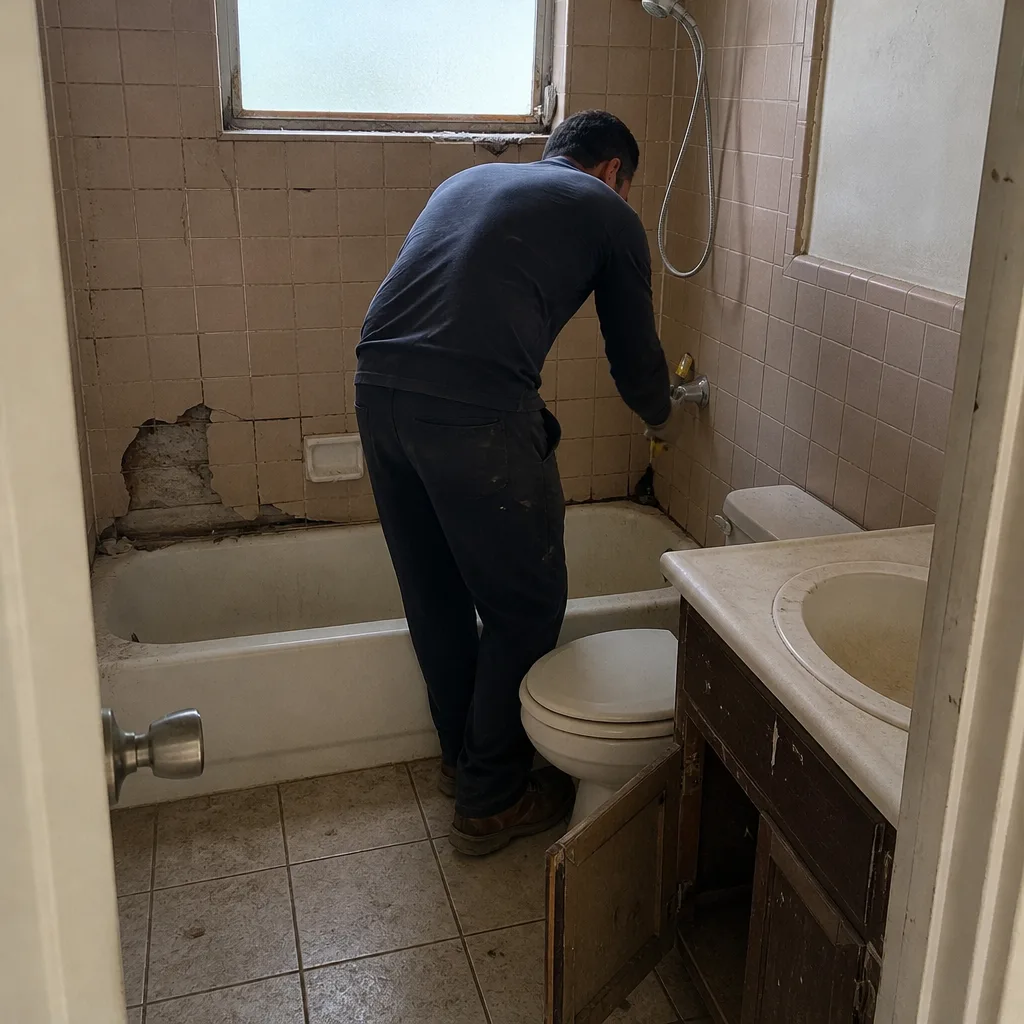
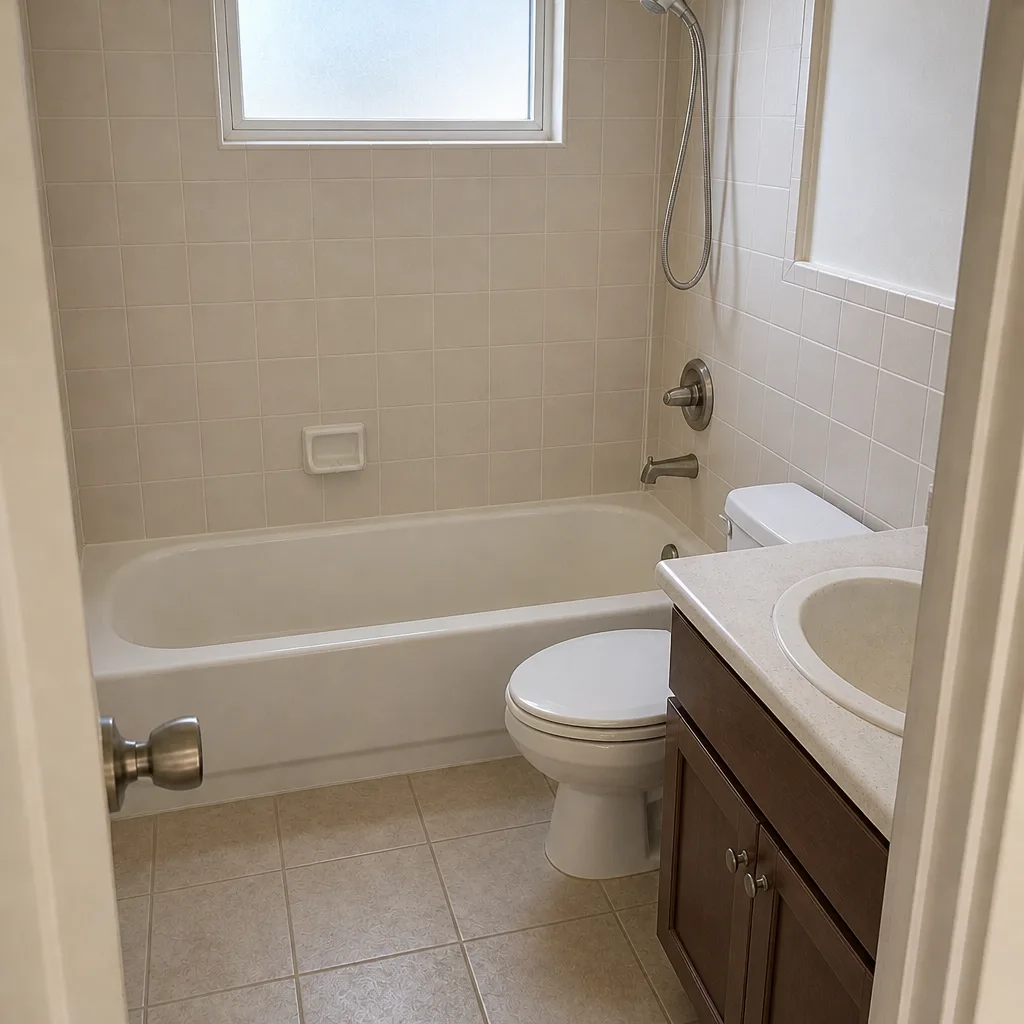
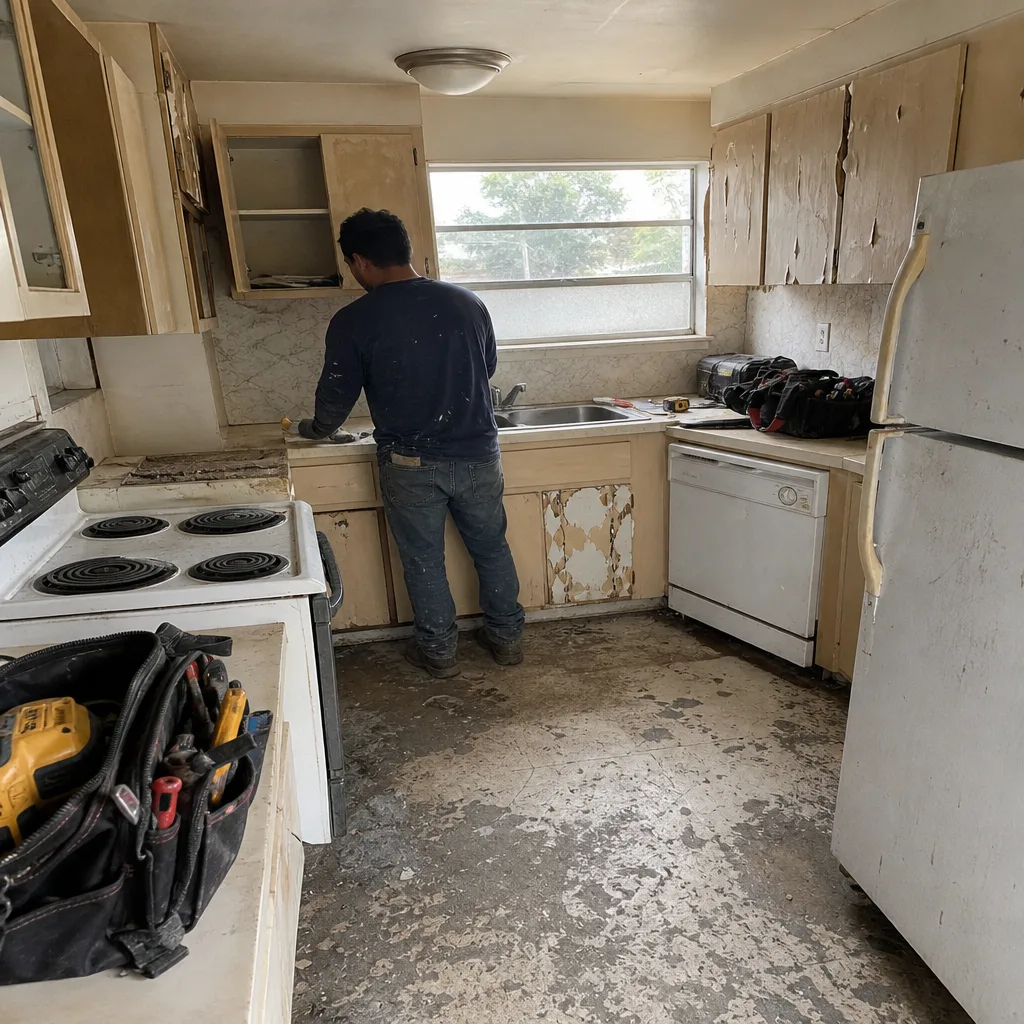
See the difference
 Before
 After
 Before
 After
 Before
 After
When to Call a Professional
Call a licensed contractor before you sign a proposal that has no NOA number, before any storm damage that showed stress cracks or racking, and before any window project on a home with visible stucco separation at the opening. Structural work on a window buck, any door hardware sub, and any re-glaze of an impact unit are not projects we recommend DIY – impact assemblies are heavy, glass edge damage is invisible until failure, and any non-approved installation voids the product approval you paid for. Rowan Construction Group Miami Gardens offers free estimates in Miami Gardens, and every quote is a flat written price with a written scope and a written warranty before any work starts. Call (844) 320-5198 to schedule yours.
Frequently Asked Questions
Look for the NOA number on the product spec sheet, then enter it directly into the Miami-Dade County product approval search online. Confirm the product description, size range, design pressure rating, and installation method match the proposal in front of you. If any of those four items is missing or doesn’t match, the product is not approved for your project as proposed. Call (844) 320-5198 for a free second opinion on any written estimate – we’ll walk through the NOA line with you.
A certified contractor holds a state license valid anywhere in Florida; a registered contractor holds a local license valid only in the jurisdiction that issued it. For Miami-Dade window work, the license has to match the specific county and municipality. If a registered contractor shows you a license from another Florida county, the work in Miami Gardens is not automatically covered. Call (844) 320-5198 to confirm a plan before signing anything.
Yes, because a window that stayed in the opening can still have a cracked interlayer, a racked frame, or a broken sill seal, and any of those can void the assembly’s NOA compliance. A quick visual inspection with photographs of each opening is the only reliable check. Call (844) 320-5198 to schedule a documented inspection.
Yes, in almost every case – window and door replacements in Miami-Dade County require a permit and an inspection that verifies the installed assembly matches the approved product. A contractor who suggests skipping the permit is suggesting you accept the liability. The permit and inspection are part of every written scope we produce. Call (844) 320-5198 for a free estimate that includes the permit line item.
The buck is the rough structural frame behind the window opening. A rebuild removes the damaged wood or composite, replaces it with new structural material set against a proper moisture barrier, and re-flashes the opening before the new window goes in. In this market it typically adds $300 to $800 per opening. Call (844) 320-5198 for a free inspection that identifies which openings need it and which don’t.
Not on a Rowan project, unless you sign a change order. Under Clause 1 of the Haven Standard, our written price is delivered before any work starts and no change is made on the job until the change order is signed – the discipline that keeps projects finishing within a few percent of the agreed number. Call (844) 320-5198 for your free written estimate.
The Bottom Line
The warning signs that cost the most money in a Miami Gardens window and door project are the ones in the paperwork, not the hardware. A missing NOA number is a compliance failure before a single unit is ordered. A wrongly-classed license and a contract without the Florida Statute 489 disclosures quietly move risk onto you. Physical signs – racked frames, cracked interlayers, separated sill seals, soft bucks – matter too, but they are observable, and once priced they stop being scary and become line items. Read the paperwork first, price the buck separately, and never accept an adjective where a product approval number belongs. If you’re ready for a written price with a written scope before anyone picks up a tool, call (844) 320-5198 to schedule your free estimate with Rowan Construction Group Miami Gardens – background-checked, uniformed technicians, a live person answering 24/7, and a documented photo record included on every visit.
Written by the team at Rowan Construction Group Miami Gardens.