Last updated November 18, 2026





Free written scope consultation - allowances, timeline, and change-order rules on paper before a single trade is scheduled
DIY vs Professional Bathroom Remodeling: What’s Safe to Do Yourself
In Miami-Dade County, replacing a bathroom exhaust fan that requires new ductwork is a permitted electrical and mechanical job. Most homeowners don’t discover this until a home inspector flags it during a sale, and by then the fix costs more than the fan. That single example explains why the DIY-versus-hire question in bathroom remodeling has less to do with skill than with paperwork and moisture. This guide draws the line at exactly the tasks that trigger permits, shows where DIY saves real money, and where it quietly creates liability, with Miami Gardens specifics on code, climate, and resale.
Quick Answer
Demo, painting, accessory and hardware installation, and swapping a vanity top are safe to do yourself and legally don’t require a Miami-Dade permit. Anything that touches the moisture barrier behind tile, moves or replaces plumbing lines or valves, adds or relocates an electrical circuit, or requires new exhaust ductwork is a permitted job under Florida Building Code Section 105 and belongs to a licensed professional. The dividing line is code exposure and waterproofing, not whether you’re handy.
Styles & brands we work with
- Kitchen remodeling
- Bathroom remodeling
- Home additions & ADU
- Roofing
- Windows & doors
- Driveway & pavers
- Fence
Table of Contents
- Where Miami-Dade Draws the Permit Line
- What You Can Legally Do Yourself
- The Moisture Barrier Most DIYers Skip
- The Dollar-Honest Breakdown: Savings vs. Liability
- How to Vet the Subcontractors You Hand Off To
- The Change-Order Principle Applied to Your DIY Scope
- Common Mistakes to Avoid
- When to Call a Professional
Where Miami-Dade Draws the Permit Line
Florida Building Code Section 105 lists the work that requires a permit, and the residential exceptions are narrow. For a bathroom, the code splits cleanly into permitted and non-permitted tasks, and knowing which is which before you buy a single tile decides whether your project closes out clean or shows up as an open permit at closing.
These tasks require a permit in Miami-Dade County:
- Any new or relocated electrical circuit, including adding GFCI receptacles or moving a light fixture to a new location
- Replacing or relocating supply lines, drain lines, or the shower valve body
- Installing new exhaust ductwork or replacing a fan where the duct run changes
- Removing or altering a load-bearing wall, or enlarging a window opening
- Converting a tub to a shower where the drain location moves
- Any work on the waterproofing system that is inspected as part of a shower pan replacement
These do not require a permit:
- Cosmetic work: paint, wallpaper, caulk, grout refresh on existing tile
- Replacing a faucet aerator, showerhead, or toilet seat
- Swapping a vanity top or a mirror on the same mounting points
- Installing towel bars, shelving, and accessories
- Replacing a light bulb, a fan cover, or a med-cabinet on existing wiring
The exhaust-fan clause catches people. A one-for-one fan swap on the same duct and same circuit is generally a maintenance item. Route new duct through a soffit, add a roof or wall cap, or run a new circuit, and you’ve crossed into permitted electrical and mechanical work. In Miami Gardens homes built in the 1960s and 1970s, ceiling fans and bath fans frequently share undersized circuits, so what looks like a swap often becomes a new run. If you’re weighing a larger scope that touches structure or exterior, the same logic applies across our Rowan Construction Group Miami Gardens home trades.
What You Can Legally Do Yourself
There is real money in the tasks the code leaves alone, and a homeowner with patience and a good drill can take demo, finish, and accessory work off the contractor’s line item without touching anything that gets inspected.
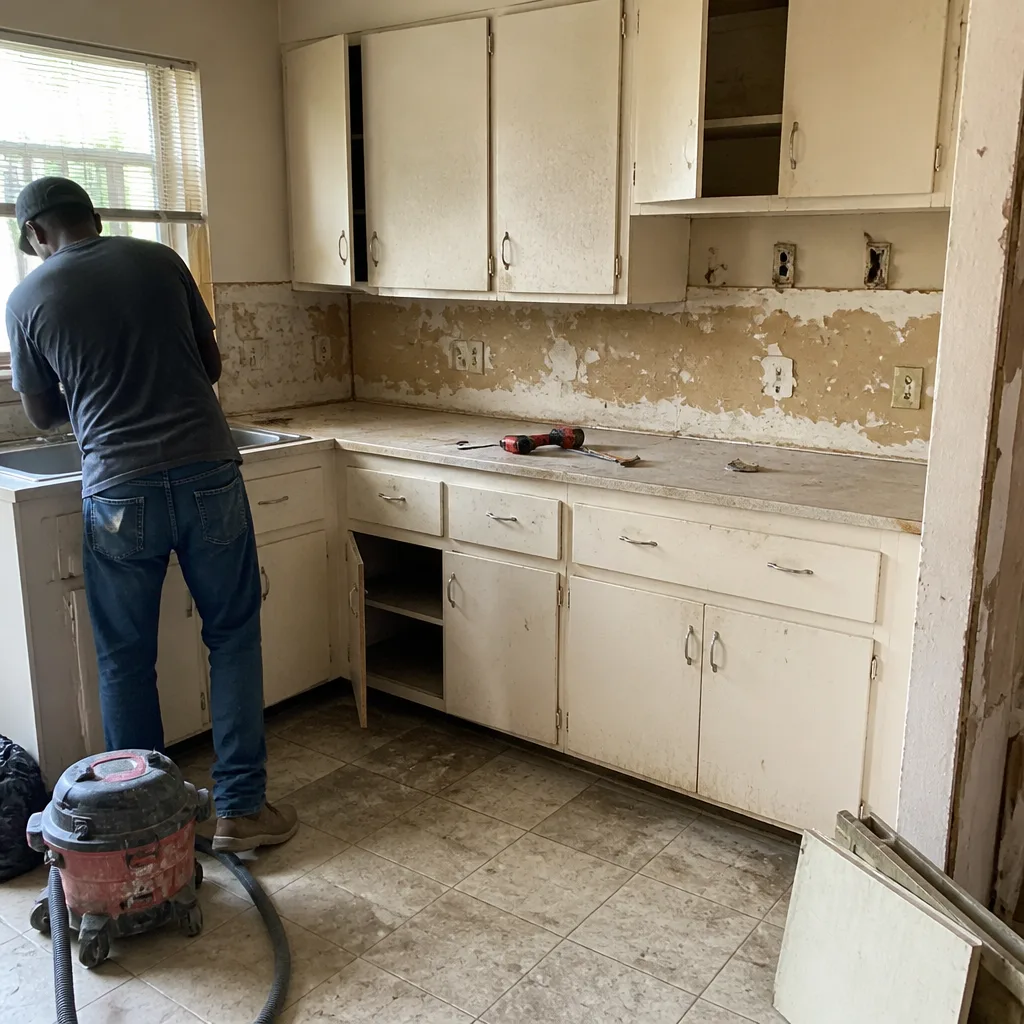
- Demolition. Pulling old tile, removing a vanity, and hauling debris is labor-heavy and skill-light. Protect the drain with a rag before you swing a hammer, and shut the water at the fixture stops first. A day of careful demo can trim a meaningful slice off a contractor’s labor line.
- Painting and drywall patching. Bathrooms need a satin or semi-gloss enamel rated for high humidity. In Miami Gardens, the interior humidity runs high enough that flat paint in a bathroom mildews within a season. Choose a mildew-resistant bath enamel and give it two coats.
- Accessory and hardware installation. Towel bars, robe hooks, shelving, mirrors, and a new toilet seat are all yours. A stud finder and a level are the whole toolkit.
- Vanity top swap. If you’re keeping the cabinet and the plumbing rough-in in place, dropping a new top and resetting the faucet on the same supplies is a weekend job. Kohler and Toto both sell drop-in tops sized to standard cabinet widths, which takes the guesswork out.
- Grout and caulk refresh. Regrouting existing tile and recaulking the tub-to-wall joint restores a tired bathroom for under a hundred dollars in materials.
The pattern to notice: everything on that list can be undone or redone without pulling a permit or opening a wall. That’s the safe zone.
The Moisture Barrier Most DIYers Skip
This is the single task DIYers skip most often, and it’s the one that costs the most to fix. A waterproofing membrane is the thin layer that sits between your tile and the substrate, and its job is to keep water out of the wall assembly behind the shower. Skip it and water gets in. In Miami-Dade’s humidity, water that gets behind a wall doesn’t dry out the way it does in a desert climate. It sits there, feeds mold, and rots the framing and the subfloor from the inside while the tile face looks perfect.
Two details matter more than the brand of membrane. First, the membrane has to be continuous, with the seams lapped and sealed in the direction water runs, and it has to tie into a pre-sloped shower pan. Second, the shower pan itself needs a slope that sends water to the drain, not a flat pan that holds an inch of standing water. A flat pan behind a new membrane is the most common failure we see when a homeowner has done the tiling themselves and called us for the leak. The tile is generally salvageable. The wall behind it usually is not. A contractor who knows the system will flood-test the pan before tile goes down and document the membrane install, which is exactly why the waterproofing task should not be a DIY one.
The Dollar-Honest Breakdown: Savings vs. Liability
Here’s where the numbers fall, using a typical Miami Gardens 5-by-8-foot hall bath as the model and pricing the way a written estimate would break it down. Ranges are what we see on real job quotes in this market.
- Demo and haul-away: $400 to $900 if hired out. DIY saves most of this line, minus dumpster or bag fees.
- Painting: $300 to $700 for a bath in this size. DIY saves nearly all of it.
- Accessory and hardware installation: $150 to $400 if bundled. DIY saves it.
- Shower valve replacement (permitted): $450 to $900 parts and labor. Doing it unpermitted creates liability, not savings, when water damage surfaces and an adjuster asks for the permit record.
- GFCI circuit addition (permitted): $250 to $600. Unpermitted electrical is a fire risk and a real estate disclosure problem.
- Waterproofing membrane and pan rebuild: $1,200 to $2,800 depending on substrate condition. This is the line item where DIY most often converts a $1,500 job into a $6,000 repair after the leak.
The honest pattern is this: the tasks you can do yourself save hundreds. The tasks that invite a moisture or code failure cost thousands when something goes wrong. If a claims adjuster determines the work was unpermitted, the water-damage claim on a failed shower pan can be denied outright, which is the exact reason the permit line exists.
How to Vet the Subcontractors You Hand Off To
Most owner-builder projects don’t fail at the DIY line. They fail at the handoff, because hiring a plumber or electrician is not the same as vetting one. In Florida, the credential check takes about five minutes on the Florida Department of Business and Professional Regulation (DBPR) website.
- Verify the license on the DBPR lookup. Search by the contractor’s name or license number at the DBPR license portal and confirm the license is active, that it covers the work you’re hiring for (a Certified or Registered Plumbing Contractor for valve and drain work, an Electrical Contractor for circuit work, a General or Building Contractor for structural and waterproofing scopes), and that the expiration date is in the future.
- Match the license to the name on the estimate. The name on the DBPR record should match the name on the written quote and the certificate of insurance. A mismatched name is a hard stop.
- Ask for the certificate of insurance directly. Require general liability and workers’ comp certificates in the contractor’s legal name, and call the insurer to confirm active coverage.
- Get the permit in the contractor’s name. When you pull your own owner-builder permit, you take on the inspection responsibility. When a licensed contractor pulls it, the licensed party is accountable for the inspection passing.
- Put the scope in writing. The quote should list what’s included, what’s excluded, the materials by brand, and the price. If a number isn’t in writing before the work starts, it isn’t a price.
That last item is the same principle we apply to our own projects under The Haven Standard: no work proceeds on a change until a change order is signed. If you’re going to run a handoff, run it the same way. On bigger scopes – a primary suite with a walk-in shower or an expanded footprint – the license chain gets longer, which is why we bring together the trades involved in Home Additions & ADU in Miami Gardens under one written scope before a single crew mobilizes.
The Change-Order Principle Applied to Your DIY Scope
The written change order is a contractor’s discipline, and it works for a homeowner too. It protects the value of what you did at resale, because resale value is decided by paperwork and documentation rather than by how good the tile looks.
Keep a simple DIY record from day one:
- Photograph the work in progress, not just the finish. Before, during, and after shots of what you removed, what was behind it, and what you installed.
- Keep material receipts with product names, model numbers, and purchase dates. A receipt for a waterproofing membrane proves the membrane went in; a photo proves where.
- Write a one-page scope log: what you did yourself, what was subcontracted, and which licensed contractor did what, with their license number.
- Keep the permit records, inspection cards, and final sign-offs in one folder.
- Get the contractor’s written warranty and file it with the log. Our own 365-Day Done Right Promise is a written warranty, and a written warranty only helps you if you can produce it.
When a buyer’s inspector walks a Miami Gardens home in 2030 and asks whether the shower was ever rebuilt, that folder is your answer. A homeowner who kept a documented record stands in a very different place than one who says “we did it ourselves a few years back.”
Common Mistakes to Avoid
- Skipping the membrane because the old wall “looked fine.” The old wall is exactly what you can’t trust. In a Miami Gardens bath that’s been wet for decades, the substrate behind the tile may already be compromised, and a membrane install reveals that on the first day.
- Routing a new exhaust fan without new ducting. A fan rated for a certain cubic feet per minute (CFM) rated fan needs the right duct size and a proper exterior termination. Dropping a bigger fan onto undersized duct just pressurizes the old duct and shortens the fan’s life.
- Doing electrical work on the basis that “the breaker’s off.” Bathroom electrical circuits in older Miami Gardens homes are frequently shared and mislabeled. Anything beyond a bulb or a fixture cover needs a licensed electrician, and we’re not going to pretend otherwise.
- Buying the vanity before measuring the rough-in. Standard cabinet widths are 24, 30, 36, and 48 inches, and the drain stub location decides which one fitting your space will serve. Order the cabinet after you’ve measured what’s actually in the wall.
- Leaving the bathroom out of service for months. A stalled DIY bath forces a family into a mismatched routine and often leads to shortcuts. Budget a realistic timeline, not an optimistic one.
- Not getting the permit pulled because “it’s just a shower.” A shower rebuild is one of the most permit-exposed tasks in a home. The inspection that passes is your proof of work, and its absence is your legal exposure.
- Ignoring the impact of a bathroom on your home’s resale position. Buyers in this market have renovated before and read the drawings. Leaving a trail of unpermitted changes is a red flag to the buyer who pays premium.
When to Call a Professional
Call a professional when the scope touches the waterproofing system, the plumbing rough-in, the electrical panel or any new circuit, load-bearing structure, or new exhaust duct. Also call when the project is a full gut: once the wall is open and the studs are visible, one licensed crew that owns the entire scope can coordinate the plumbing, electrical, waterproofing, and finish in the right order, which is when the schedule and the price hold.
That’s the work we do. Rowan Construction Group Miami Gardens offers free estimates in Miami Gardens – call (844) 320-5198. Every visit includes a documented photo record, the quote is a flat written price with a written scope before any work starts, and a live person answers the phone. Bring a competitor’s written estimate and we’ll review it line by line at no charge under our free second opinion offer. If you’re also looking at the exterior of the property while the bathroom is being planned, our Driveway & Pavers in Miami Gardens and Fence Installation in Miami Gardens teams work off the same written-price discipline.
Frequently Asked Questions
Adding or relocating an electrical circuit, moving or replacing supply or drain lines, changing exhaust ductwork, altering a load-bearing wall, and any waterproofing work inspected as part of a shower pan replacement all require a permit under Florida Building Code Section 105. Cosmetic work and like-for-like fixture swaps that don’t change the circuit or duct do not. Call (844) 320-5198 if you’re unsure which side of the line your project falls on.
Only if the waterproofing system behind the tile is installed to code and inspected, which is the part most DIYers skip. The tile face is the visible finish; the membrane and the sloped pan are what the inspection checks. In our experience, shower rebuilds are the single most common point where DIY work turns into a paid repair.
On a typical 5-by-8-foot hall bath in Miami Gardens, demo, painting, accessory installs, and a vanity top swap can save roughly $800 to $1,500 in labor if you do them yourself. Taking on the shower valve, GFCI circuit, or waterproofing does not save money, because an unpermitted failure can cost several thousand dollars to correct.
Often it won’t. If a claims adjuster determines the work was unpermitted, a water-damage claim on a failed shower pan can be denied, which is why the permit record matters to your insurance company, not just your city. Pulling the permit and keeping the inspection record is the cheapest insurance you can buy on a bath project.
Use the Florida Department of Business and Professional Regulation (DBPR) license lookup, search by name or license number, and confirm the license is active, covers the work, and hasn’t expired. Match the license to the name on the estimate and the name on the insurance certificate. If those three don’t line up, walk away.
A documented, permitted remodel preserves and often adds value at resale; an unpermitted one discounts the home because buyers and their inspectors treat it as undone work. The documentation – permits, inspection sign-offs, photos, receipts – is what a buyer’s agent is actually evaluating. If you want the work priced in writing before you decide, call (844) 320-5198 for a free estimate.
The Bottom Line
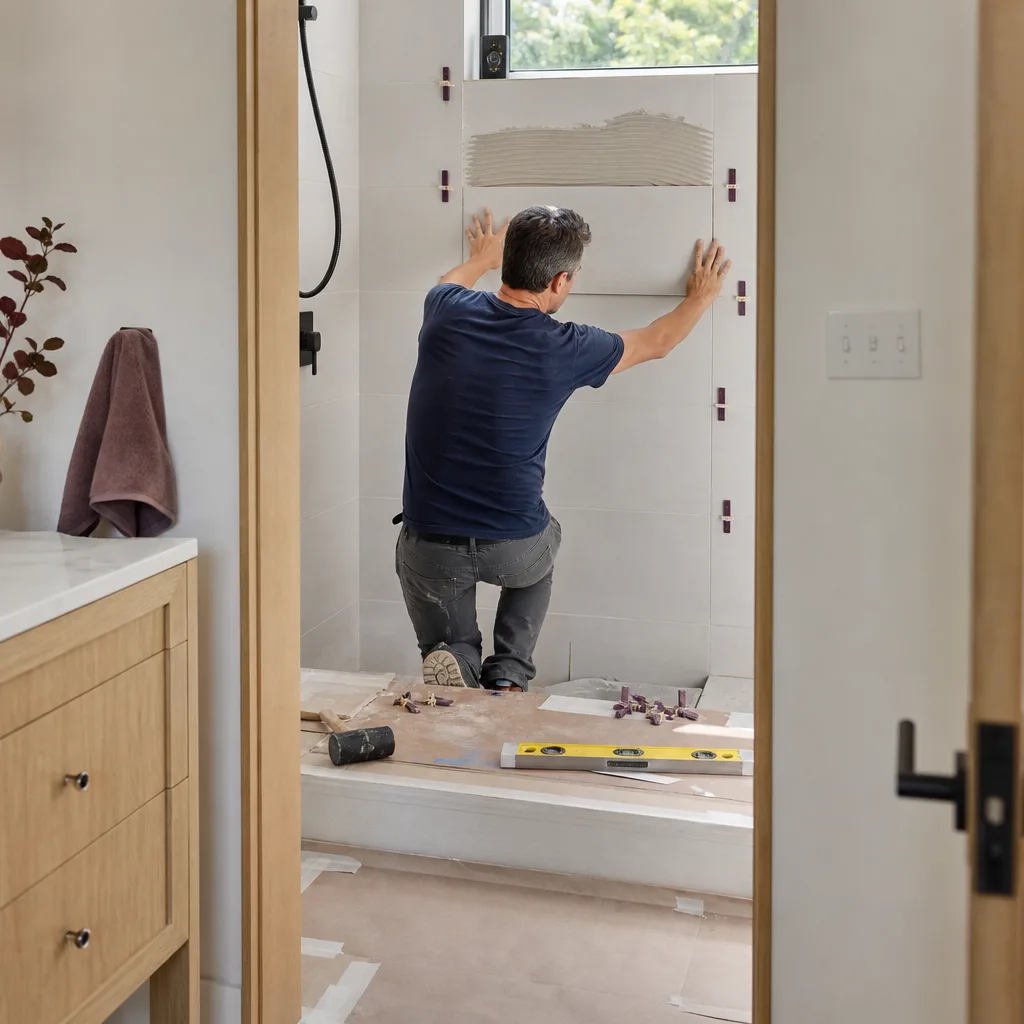
The safe DIY list in a bathroom is shorter than most homeowners assume, and the permit line is what separates it from the unsafe list. Demo, paint, accessories, and a vanity top swap are yours. The waterproofing membrane, the plumbing valve, the GFCI circuit, and new exhaust ducting belong to a licensed professional who pulls the permit and stands behind the inspection. The tasks you skip are the ones that turn a weekend project into a code violation that surfaces at resale. Do the free work, pay for the permitted work, and keep a documented record of both – that’s the line that protects the value of everything you did yourself.
Written by the team at Rowan Construction Group Miami Gardens.
See the difference
 Before
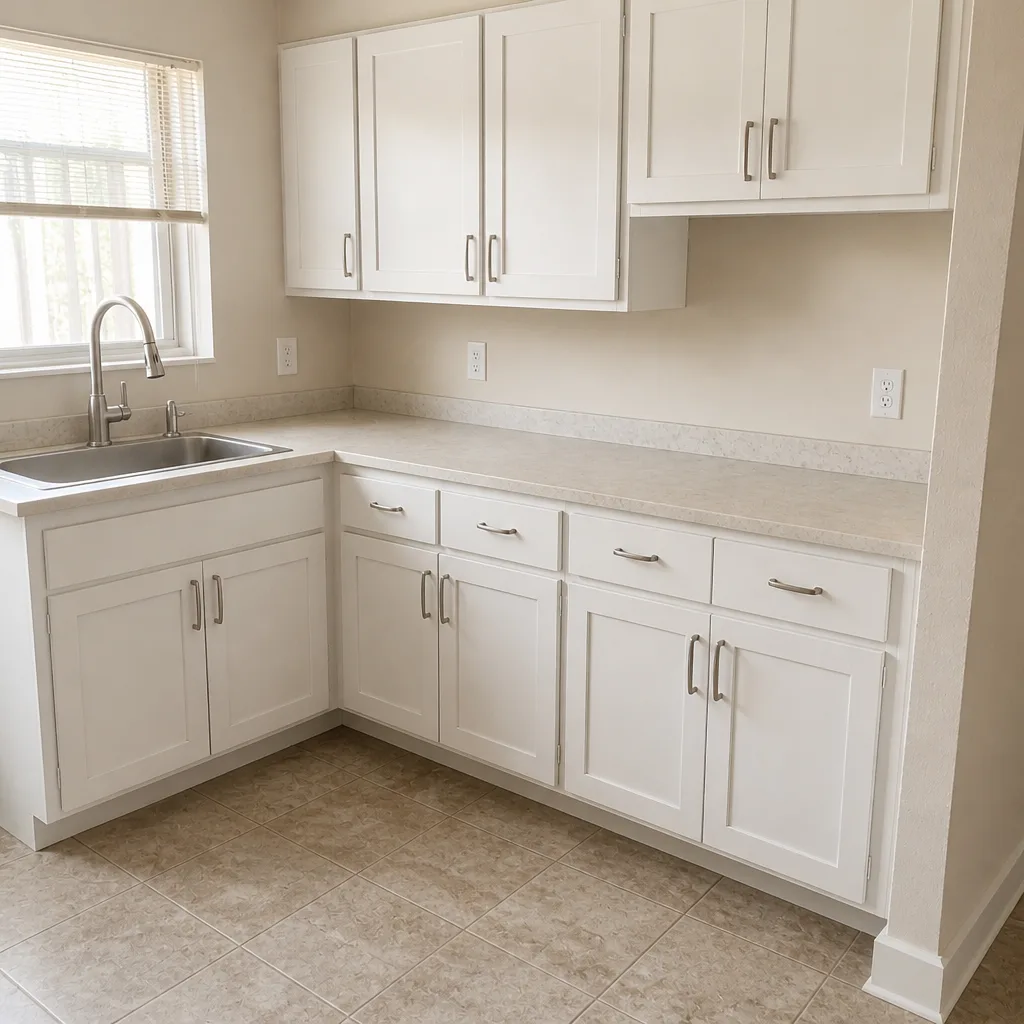 After
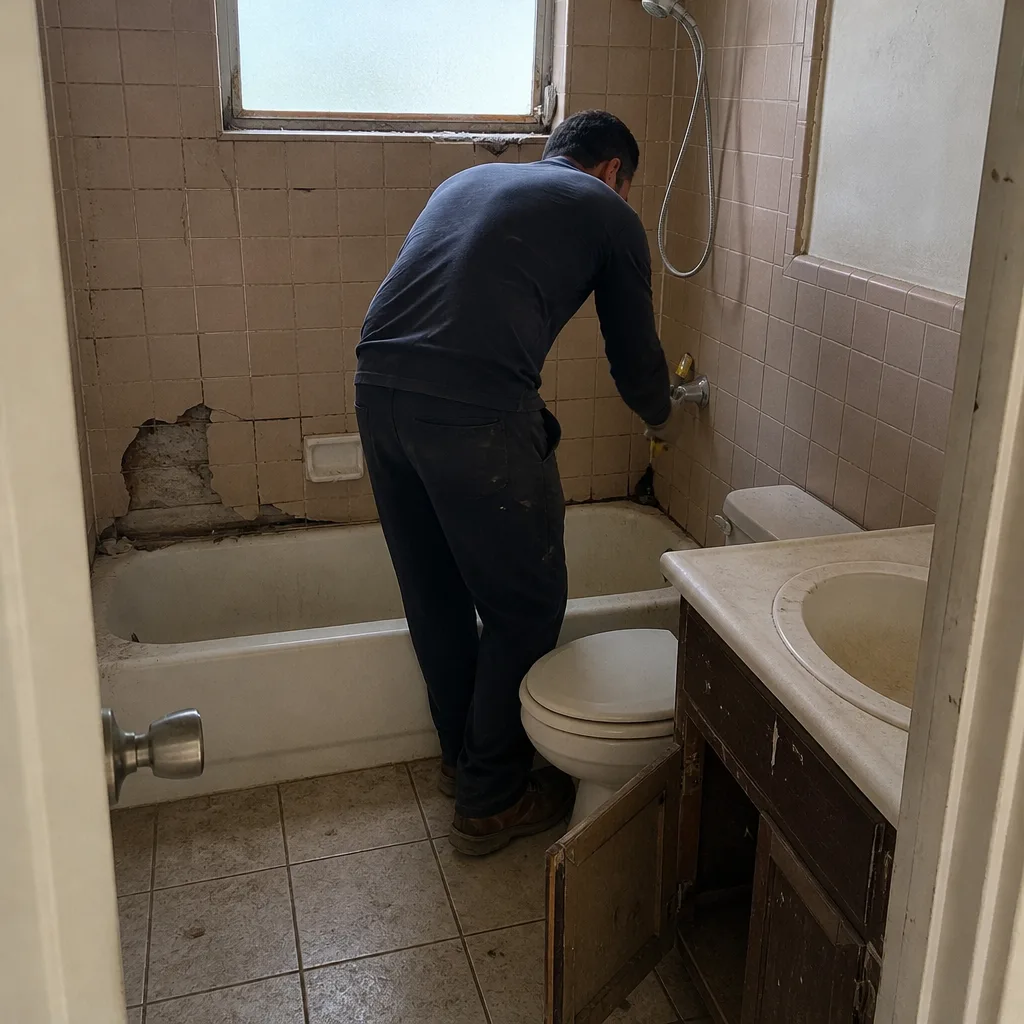 Before
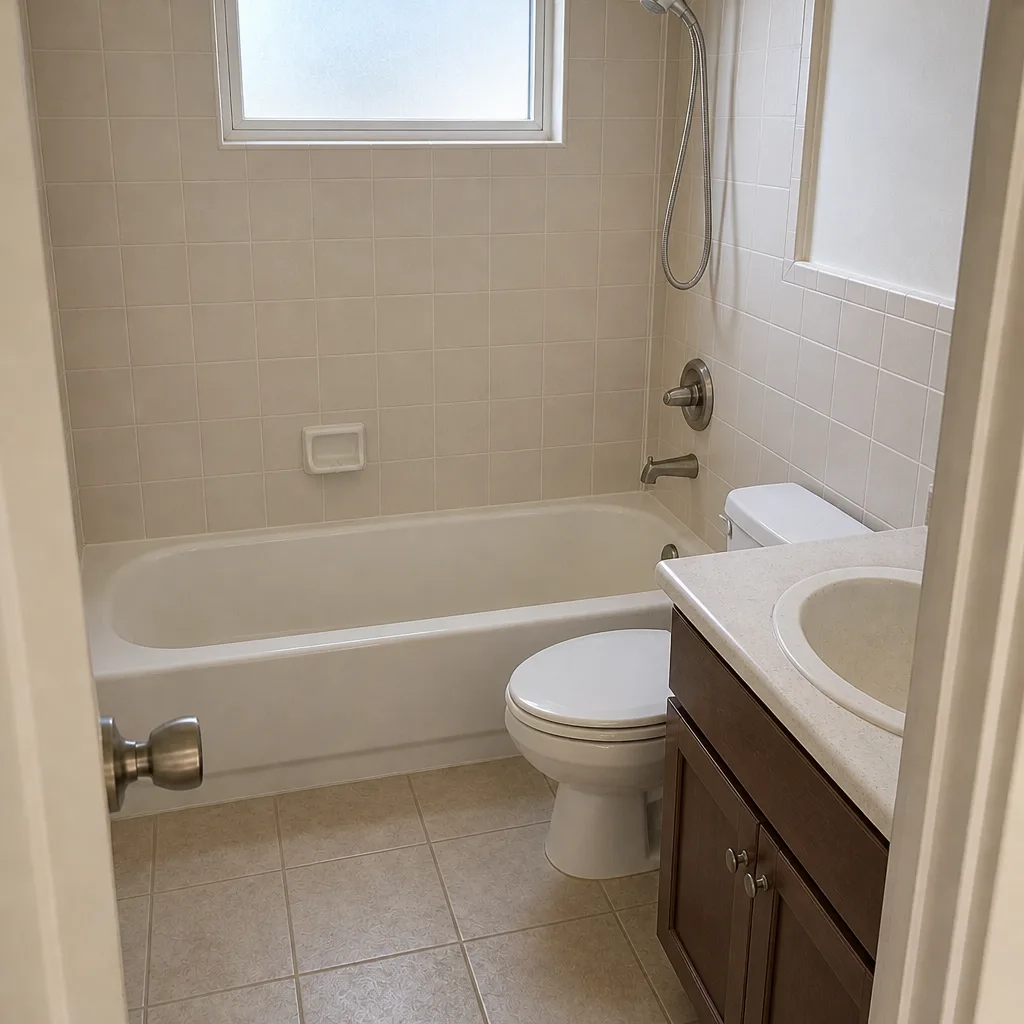 After
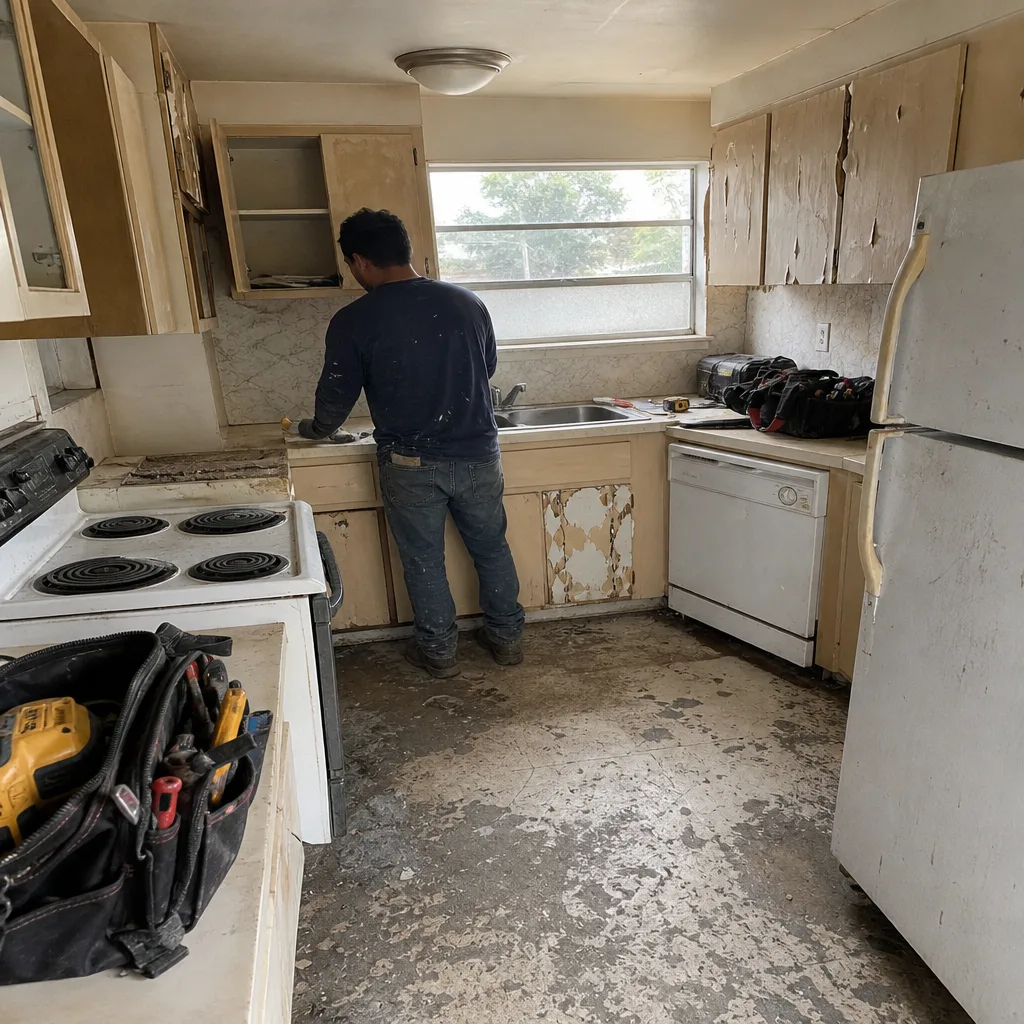 Before
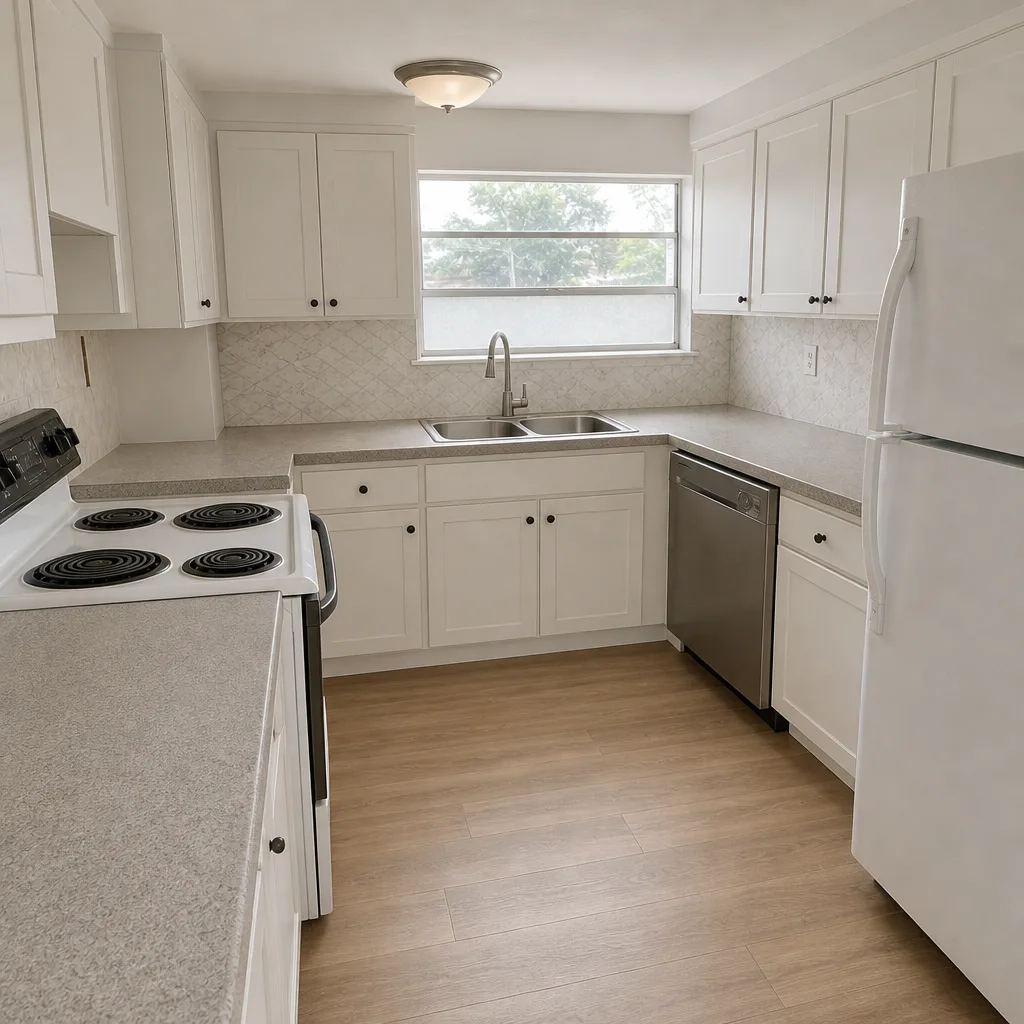 After