Last updated November 18, 2026

Free written scope consultation - allowances, timeline, and change-order rules on paper before a single trade is scheduled
Construction Cost Breakdown: The Miami Gardens Homeowner’s Reference for 2026
A concrete block room addition in Miami Gardens has a 2026 market cost range of $140 – $215 per finished square foot. That $75 spread is the single most useful number on this page, because it is not explained by contractor profit margin. It is explained by what the scope contains: impact-rated windows add $18 – $28 per square foot, a monolithic slab adds roughly $12, and a licensed electrical sub with permitted work versus homeowner-supplied fixtures moves the number again. Two bids can be $40,000 apart and both be honest. This reference separates cost by trade, by material tier, and by the Miami Gardens factors that push numbers up, so you can read a bid line by line instead of comparing totals.
Quick Answer
Construction in Miami Gardens in 2026 runs roughly 12 – 18% above inland Florida averages on roofing and structural work because of Miami-Dade wind mitigation requirements, and licensed trade labor runs $8 – $14 per hour above the state median. A kitchen remodel lands between $28,000 and $95,000 depending on whether cabinets are KraftMaid or custom, a roof replacement between $18,000 and $48,000 depending on shingle, tile, or membrane, and a block room addition between $140 and $215 per finished square foot. Permit fees are calculated as a percentage of declared construction value through the Miami-Dade County fee schedule, and they should appear as a separate line in every bid.
Styles & brands we work with
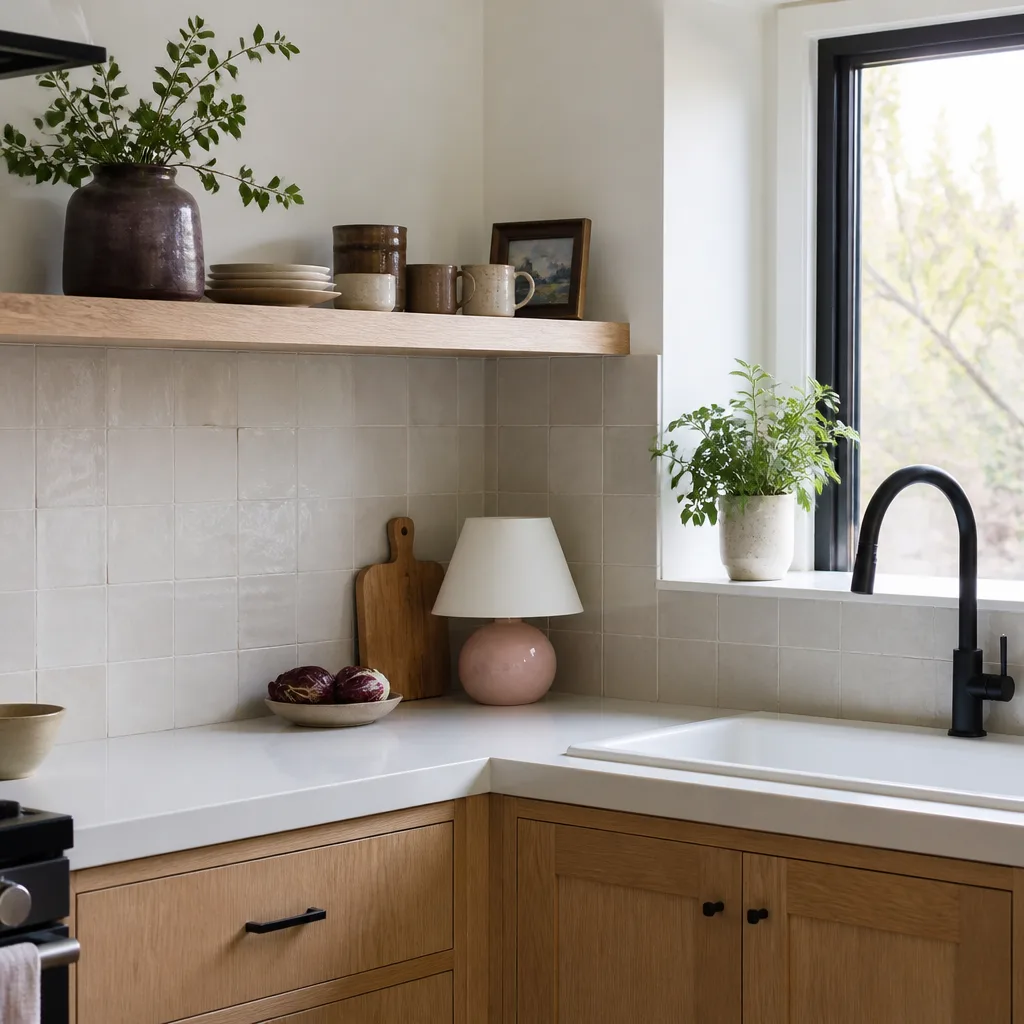
- Kitchen remodeling
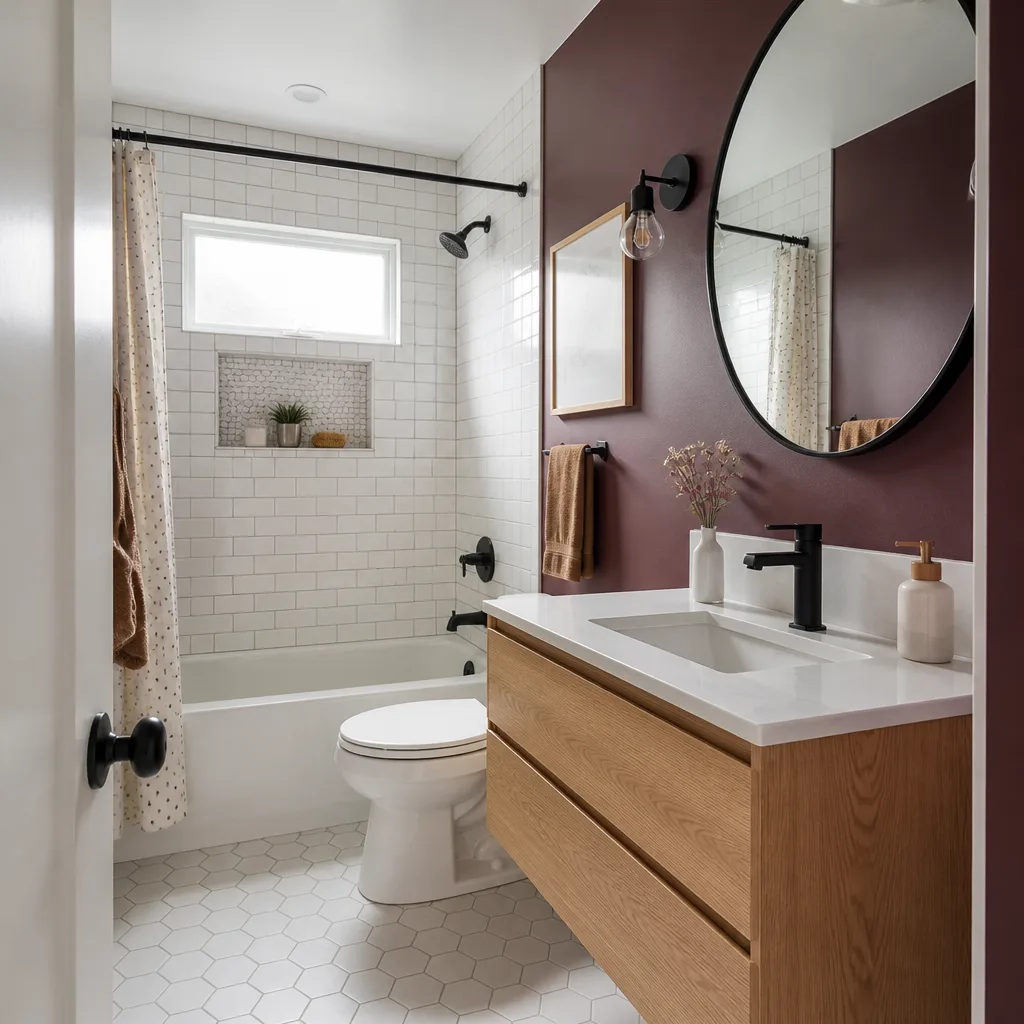
- Bathroom remodeling
- Home additions & ADU
- Roofing
- Windows & doors
- Driveway & pavers
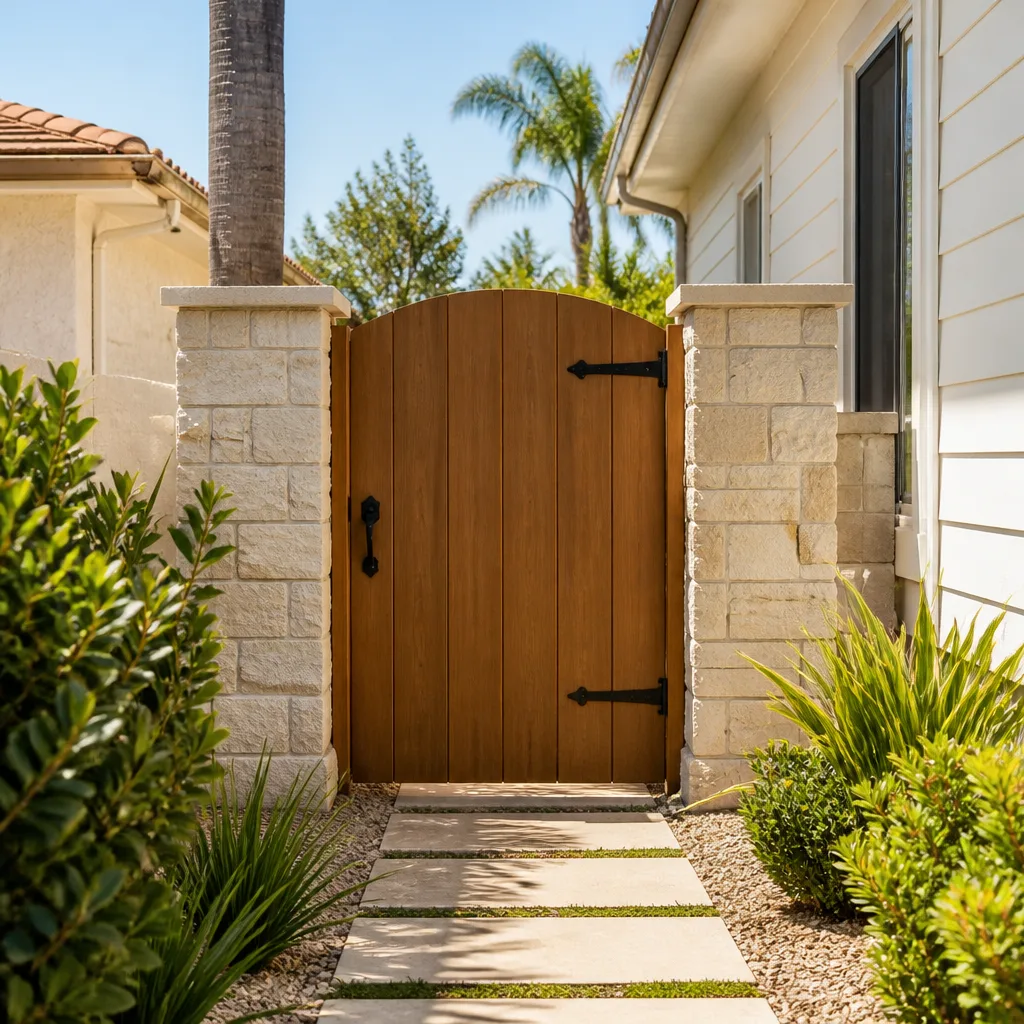
- Fence
Table of Contents
- Trade-by-Trade Cost Ranges for Miami Gardens
- Why Miami Gardens Costs More Than Inland Florida
- How to Read a Bid: Fixed-Price, Cost-Plus, and GMP
- Permit Fees in Miami-Dade County
- What Signed Change Orders Actually Cost
- Material Tiers: What Separates Low, Mid, and High
- A Seven-Step Bid Verification Checklist
Trade-by-Trade Cost Ranges for Miami Gardens
Every number below is a 2025 – 2026 Miami Gardens range in current dollars, stated as low, mid, and high tiers. The tier is defined by specification, not by how the contractor feels about the job. Use it to check whether a bid’s line item sits where the scope says it should.
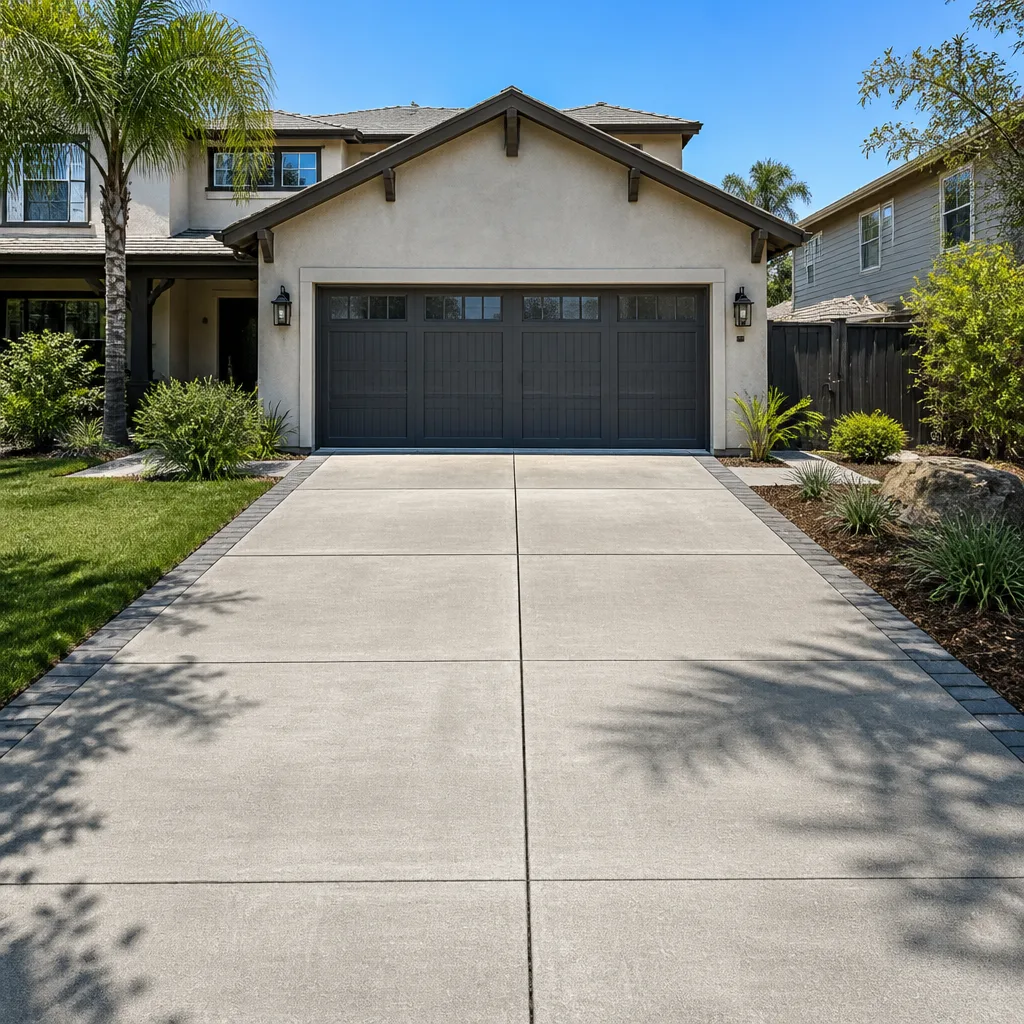
- Concrete and masonry: Driveway slabs run $9 – $16 per square foot; block walls $32 – $58 per linear foot. Mid tier means a monolithic pour with rebar on 12-inch centers and a proper subbase; high tier adds stamped finishes or Belgard and Techo-Bloc paver surfaces at $18 – $32 per square foot installed.
- Roofing, shingle: $18,000 – $28,000 for a typical Miami Gardens single-family roof. Mid tier is a GAF or Owens Corning architectural shingle with a secondary water barrier and upgraded underlayment; the high tier adds a peel-and-stick membrane at the eaves and valleys.
- Roofing, flat membrane: $22,000 – $38,000. TPO or modified bitumen, mechanically attached or fully adhered, with tapered insulation.
- Roofing, standing seam metal: $38,000 – $48,000 and up. The range widens with panel gauge and whether the seams are mechanically locked or snap-lock.
- Impact windows and doors: $28 – $55 per square foot installed for impact-rated units. The premium over standard windows is $18 – $28 per square foot, and it is not optional if you want the wind mitigation credit.
- Electrical: Panel replacement $2,800 – $5,500; whole-house rewiring $9,000 – $18,000; rough-in for an addition $4,000 – $9,000. All of it permitted and inspected.
- Plumbing rough-in: $3,500 – $8,500 for an addition; a full bathroom rough-in $2,200 – $4,800 in cast iron or PVC, depending on the existing stack.
- HVAC: $7,500 – $14,000 for a complete changeout, sized by Manual J rather than by the old unit’s label.
- Finish carpentry: $4,000 – $12,000 for trim, doors, and casework in a typical room. Cambria or Caesarstone countertops at $65 – $115 per square foot installed push the number upward on the top end.
For the driveway scope specifically, our breakdown of Driveway & Pavers in Miami Gardens shows where the paver-versus-concrete decision changes the total.
Why Miami Gardens Costs More Than Inland Florida
Miami-Dade County sits in the High-Velocity Hurricane Zone, and that designation is the largest single cost driver in this market. Roofing must meet product approval standards that inland counties don’t require: a secondary water barrier across the entire deck, specific fastener schedules, and sometimes a ring-shank nail specification. In our experience, that adds 12 – 18% to roofing and structural costs versus comparable work in, say, Polk County. It is not a markup. It is a specification.
Labor is the second driver. Licensed trade labor in Miami-Dade runs $8 – $14 per hour above the state median for electricians, plumbers, and roofers, because the licensed pool in South Florida is smaller relative to the construction volume. A Miami Gardens homeowner should expect an electrician at $85 – $125 per hour and a licensed roofer’s crew at $62 – $88 per hour, and those rates are the honest ones.
Material freight is the third. Concrete block, tile, and lumber all travel farther to reach Miami-Dade than they do to reach most Florida markets, and heavy materials carry a freight premium that shows up in the delivered price. Ask any contractor to show you the supplier’s delivered quote on the block and the truss package. A bid that won’t break out materials is a bid you can’t verify.
A fourth factor most guides skip: salt air and humidity. Fasteners, flashing, and hardware in Miami Gardens corrode faster than they do twenty miles inland. Stainless or hot-dipped galvanized hardware costs more, and skipping it costs more later. Roof tile attachments in coastal exposure also tend to need a more aggressive wind uplift specification. If a bid doesn’t mention the fastener specification, ask before you sign.
How to Read a Bid: Fixed-Price, Cost-Plus, and GMP
The contract type tells you who carries the risk when material prices move. This is the question that separates a homeowner who gets burned from one who doesn’t, and it has nothing to do with the total on page one.
- Fixed-price (lump sum). The contractor commits to a total for a written scope. The contractor carries the material price risk. If lumber spikes, the contractor absorbs it; if lumber drops, the contractor keeps the difference. Best protection for a homeowner who has a well-defined scope.
- Cost-plus. You pay the contractor’s actual costs plus an agreed percentage or fee. Transparent, easy to administer, but the homeowner carries the price risk. This is often used for complex or fast-moving projects where the scope can’t be fully defined up front. Ask for the open-book receipts.
- GMP (guaranteed maximum price). You pay actual costs plus fee up to a ceiling, and any savings above the ceiling are shared back to you, usually at an agreed split. The contractor carries risk above the GMP, the homeowner benefits from costs coming in below it. Best protection when the scope is meaningful but the design isn’t fully complete.
Below is the practical comparison. For a Miami Gardens remodel with a defined scope, fixed-price is the sharpest tool. For an addition whose design is still fluid, GMP with a shared savings clause is the honest structure.
Permit Fees in Miami-Dade County
Miami-Dade building permit fees are calculated as a percentage of the declared construction value, and the multiplier varies by permit type. Roof permits, structural permits, electrical, plumbing, and mechanical each use their own schedule, and the county publishes the schedule, so there is no reason to accept a permit line on a bid without asking for the calculation.
- Ask for the permit application and the county’s fee worksheet, not the total.
- Verify the declared construction value matches the contract value. A contractor who under-declares the value to save the fee is exposing you to a stop-work order and a re-inspection later.
- Budget roughly for the county’s percentage plus a plan review fee plus the inspections themselves. These are three separate lines.
- Impact window permits pull a separate fee and often a separate product-approval review.
- Check whether the bid includes permit expediting. In Miami-Dade, using a licensed expediter can move a filing through the queue faster; it costs money and should be a line item, not a mystery.
Our Home Additions & ADU in Miami Gardens guide shows what the full permit sequence looks like on a block addition, including the inspection milestones.
What Signed Change Orders Actually Cost
A signed change order costs $150 – $400 per change event in administrative terms: drafting the scope, pricing the difference, scheduling, and revising the permit or the drawing set if required. That cost is real, and it is always less than the cost of an unsigned scope change. An unsigned change is where disputes come from. The homeowner believed the change was included; the contractor believed it wasn’t; nobody has the document.
This is the discipline that keeps a project within a few percent of the agreed price. Under Clause 1 of the Haven Standard, the price is written before anyone starts, and no work proceeds on a change until the change order is signed. That’s not red tape. That’s the reason a $120,000 remodel can finish at $123,000 instead of $146,000.
Two things to look for in a contractor’s change-order practice:
- The change order is priced before the work, not after. A change order priced post-installation is an invoice, not a change order.
- The change order includes the schedule impact, not just the dollars. Two extra days on a cabinet lead time is a schedule change; it should be written down.
Material Tiers: What Separates Low, Mid, and High
Material tier is where the widest gap in a bid lives. A $28,000 kitchen and a $95,000 kitchen both contain cabinets and countertops. What differs is the specification, and the specification is always nameable.
- Cabinets: Low tier is a stock box with a particleboard core. Mid tier is KraftMaid or Wellborn semi-custom with plywood construction and soft-close hardware. High tier is custom millwork with fully dovetailed drawers and an integrated appliance panel.
- Countertops: Low tier is laminate at $20 – $35 per square foot. Mid tier is engineered quartz from Silestone or Caesarstone at $55 – $95 per square foot installed. High tier is Cambria or a natural stone at $85 – $150 per square foot installed, plus edge detail.
- Fixtures: Low tier is a builder-grade line. Mid tier is Kohler or Toto. High tier is a designer finish, and the lead time is usually 6 – 10 weeks longer.
- Windows: Low tier is non-impact single-hung; high tier is impact-rated with a low-E coating and a heavy frame. Required in Miami-Dade if you want the wind mitigation credit and the insurance premium reduction.
For the tile and finish decisions that drive a bathroom’s total, see the entry link from our Rowan Construction Group Miami Gardens home page. We quote flat prices against a named specification, so the tier in the bid is the tier you get.
A Seven-Step Bid Verification Checklist
Any homeowner in Miami Gardens can verify a bid without a construction background. These are the seven steps we’d take if we were the customer.
- Compare line items, not totals. Two bids that differ by $40,000 almost always differ on three or four specific lines, not across the board.
- Check the roof specification against the wind mitigation requirement. Fastener schedule, secondary water barrier, product approval number.
- Confirm the electrical and plumbing lines are permitted, and that the licensed sub is named.
- Confirm the impact window line is itemized separately, not folded into the “miscellaneous” line.
- Ask for the permit fee worksheet and confirm the declared construction value.
- Ask for the change-order policy in writing. The policy, not the promise.
- Ask for the warranty in writing. The 365-Day Done Right Promise is our version; whoever you hire should put theirs on paper, priced to the scope.
Common Mistakes to Avoid
- Comparing lump-sum totals without comparing specs. A bid that’s $30,000 lower almost always excludes something. Ask which line items are missing before you consider it cheaper.
- Accepting a permit line without the worksheet. Miami-Dade publishes its fee schedule. The contractor should show the calculation, not a round number.
- Signing a cost-plus contract with no ceiling and no shared savings. On a defined scope, this transfers material price risk to you with nothing in return.
- Treating impact-rated windows as optional in Miami Gardens. They aren’t. The wind mitigation requirement is a county standard, and skipping it costs more in insurance premiums than it saves in construction.
- Allowing a verbal scope change. A $150 – $400 change order is always cheaper than a dispute. If the contractor won’t do paperwork on the change, the change isn’t defined.
- Under-declaring construction value to lower the permit fee. A stop-work order and re-inspection cost more than the fee saved, and it delays the closing.
- Ignoring fastener specification in a coastal-exposure market. Salt air eats the wrong fasteners. Ask what’s specified, not just what’s installed.
See the difference
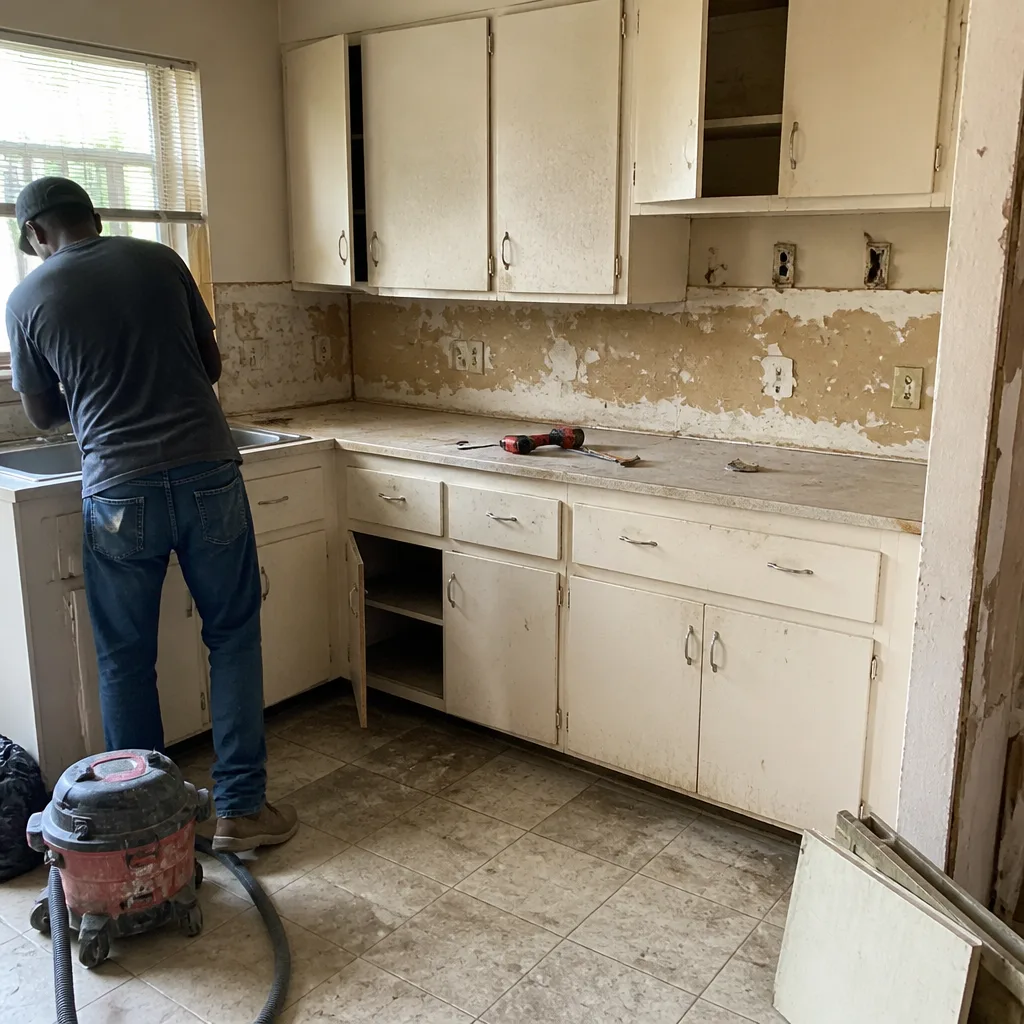 Before
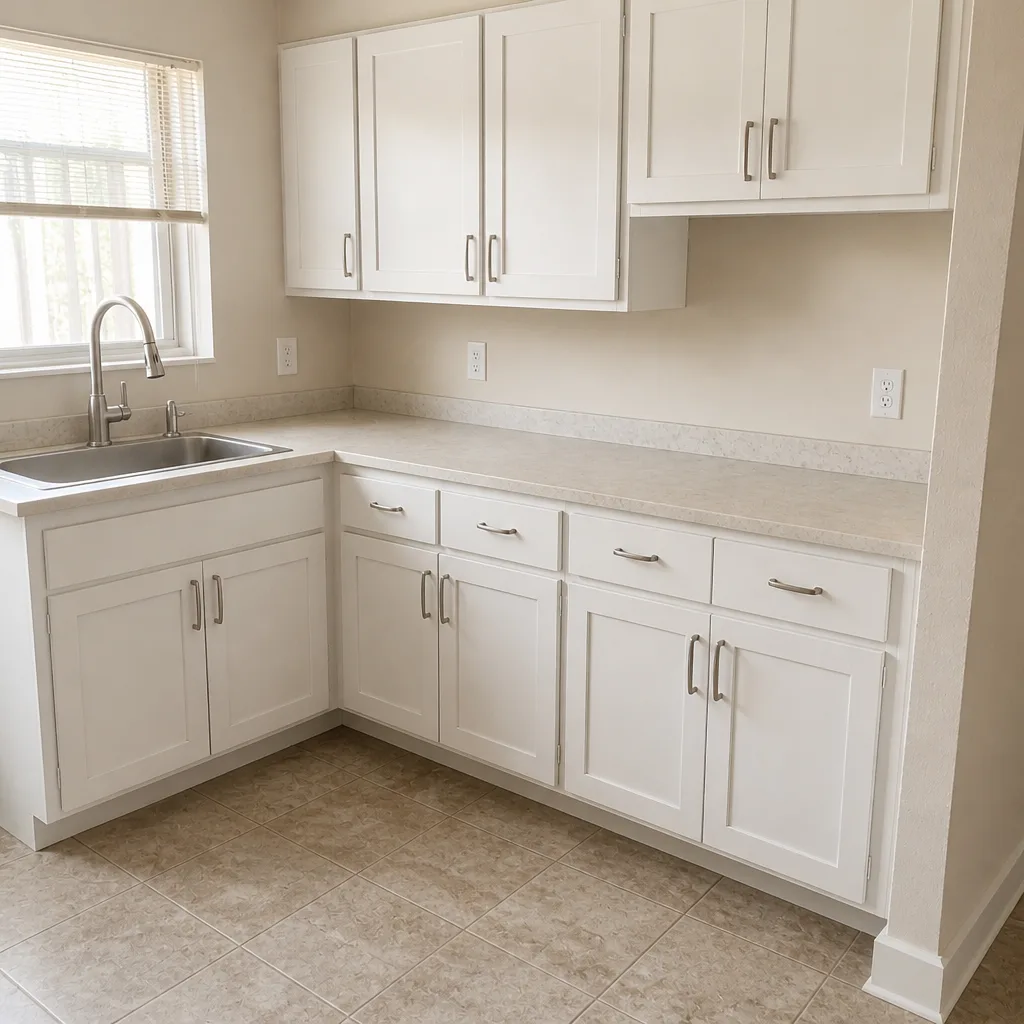 After
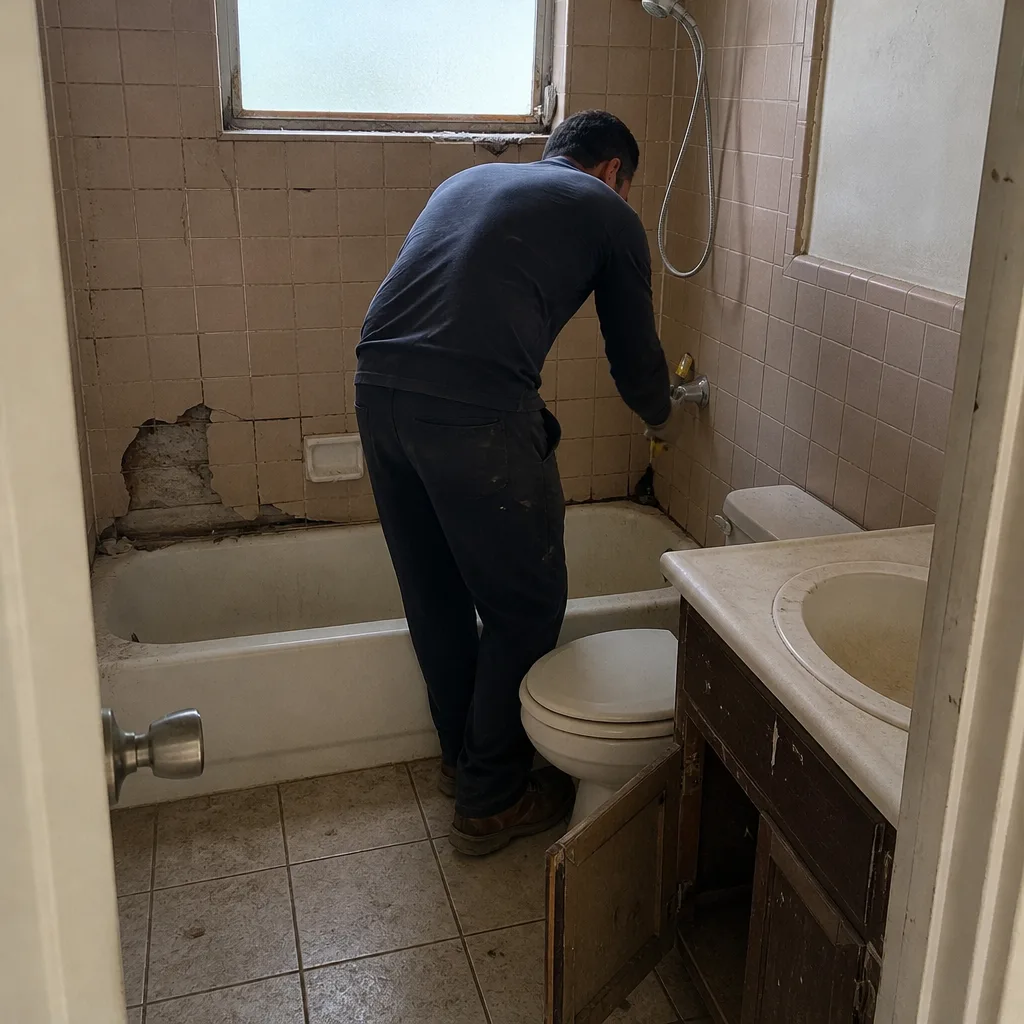 Before
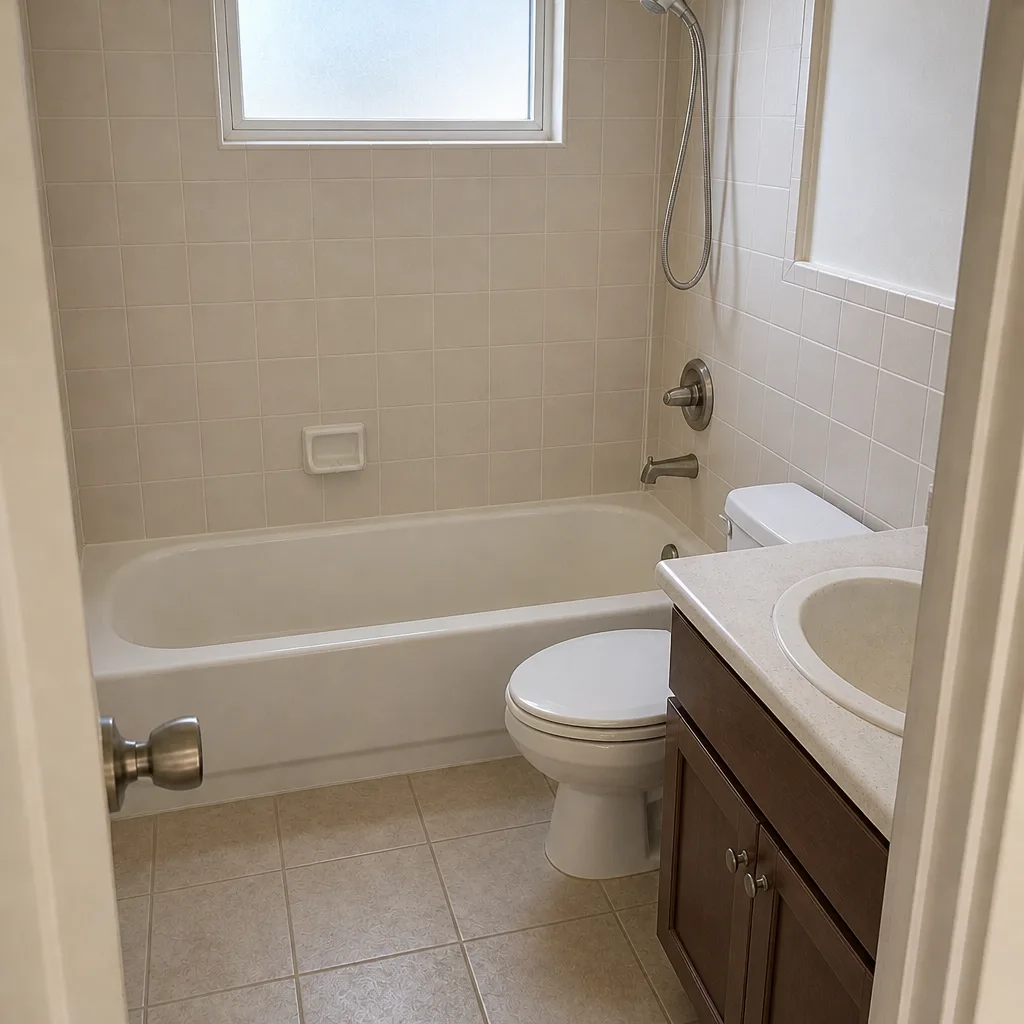 After
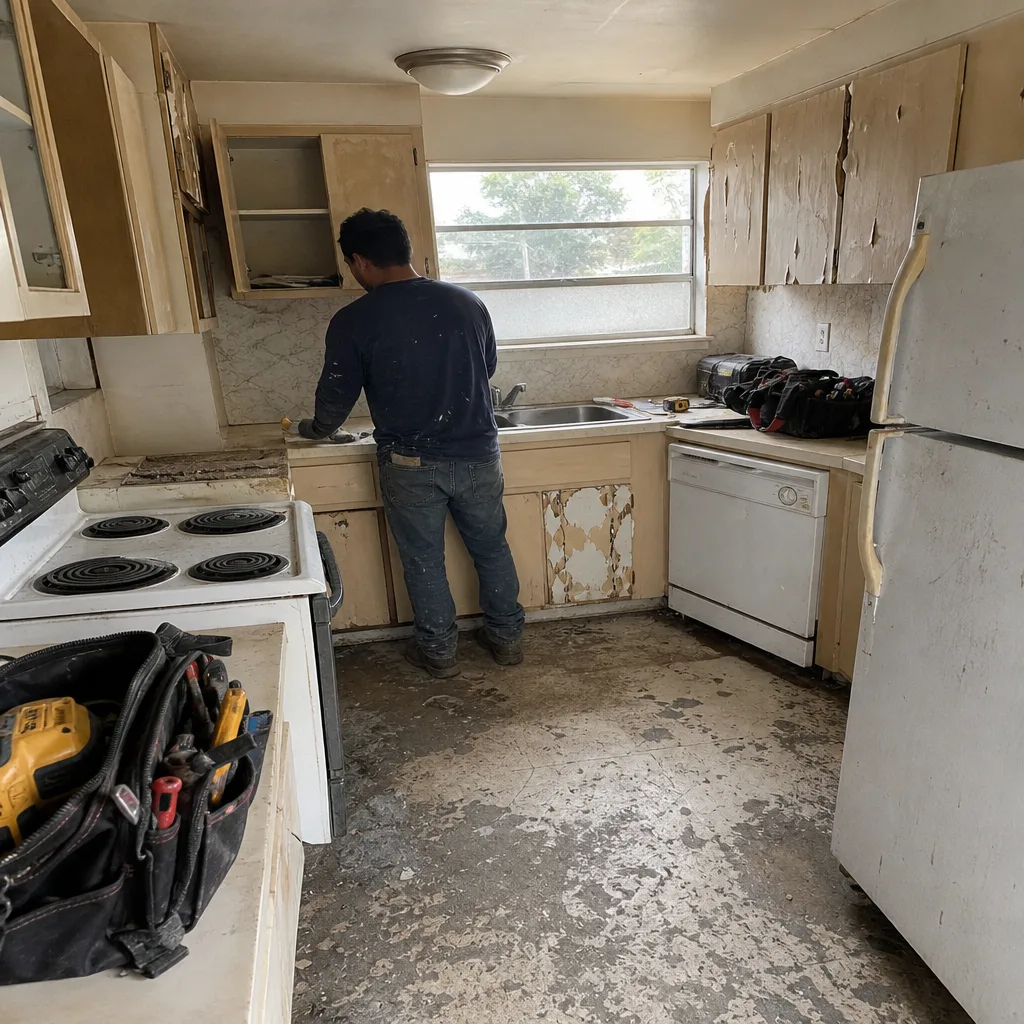 Before
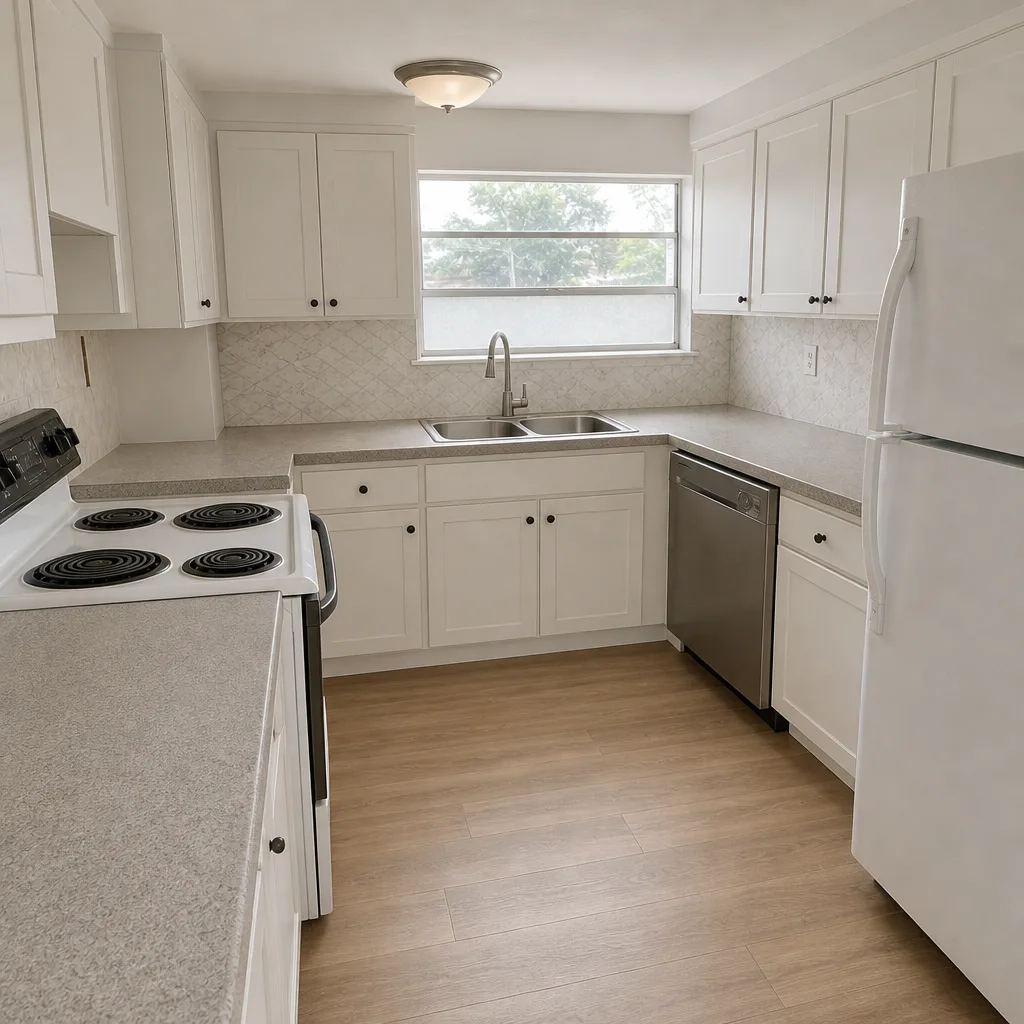 After
When to Call a Professional
Some of this guide you can handle on your own: reading a bid, asking for the permit worksheet, checking the change-order policy. But electrical panel work, gas lines, roof decking and structural tie-downs, and any addition that touches the load path are not homeowner tasks. In Miami-Dade, an unpermitted structural change can void the wind mitigation credit, and the consequences land on you, not on the contractor who took the shortcut. A block room addition that is measured wrong at the slab stage is a $6,000 mistake; one that is measured wrong at the truss stage is a $40,000 mistake. Rowan Construction Group Miami Gardens offers free estimates in Miami Gardens and provides a written price before any work starts, plus a free second opinion on any written estimate you already have. Call (844) 320-5198 to schedule your free estimate.
Frequently Asked Questions

A concrete block room addition in Miami Gardens runs $140 – $215 per finished square foot in 2026. The spread tracks three scope decisions: impact-rated windows add $18 – $28 per square foot, a monolithic slab adds roughly $12 per square foot, and the licensed electrical and plumbing subs with permitted work versus homeowner-supplied fixtures move the total again. Call (844) 320-5198 for an exact quote against your scope, with the price in writing before anyone starts.
Miami-Dade sits in the High-Velocity Hurricane Zone, and wind mitigation requirements add 12 – 18% to roofing and structural costs versus inland Florida. On top of that, licensed trade labor runs $8 – $14 per hour above the state median, and heavy materials carry a freight premium into South Florida. Call (844) 320-5198 if you want your bid checked line by line, because the premium should be visible in the specification, not folded into a markup.
Choose fixed-price for a well-defined scope, because the contractor carries the material price risk. Choose cost-plus or a guaranteed maximum price (GMP) when the design is still fluid and the scope can’t be pinned down. A GMP with a shared-savings clause protects a homeowner better than open cost-plus on most Miami Gardens additions. Call (844) 320-5198 for a free review of whichever contract you’re considering.
Miami-Dade building permit fees are calculated as a percentage of the declared construction value, with a different multiplier for each permit type: structural, electrical, plumbing, and mechanical. Roof and impact window permits carry their own schedules. Ask for the county’s fee worksheet, not just the total, and check that the declared construction value matches the contract value. Call (844) 320-5198 if you want us to verify the permit line in a bid you’re holding.
A signed change order typically costs $150 – $400 per change event in administrative terms, which covers re-drafting the scope, pricing the difference, and adjusting the schedule if needed. It is always less than the cost of a dispute over an unsigned scope change, because an unsigned change is where the homeowner and the contractor interpret the same conversation two different ways. Call (844) 320-5198 to see how we handle change orders before you sign anything.
Yes, if you want the wind mitigation credit and the insurance premium reduction, and increasingly yes as a practical matter given county code and lender requirements. Impact-rated units run $28 – $55 per square foot installed, with a premium of $18 – $28 per square foot over standard windows. It is a specification, not an optional upgrade. Call (844) 320-5198 for a line-item quote on the windows and doors, priced separately from the structural work.
The Bottom Line
Construction cost in Miami Gardens is not a single number. It is a range per trade, moved by specification and by the local factors that don’t show up in national averages: the High-Velocity Hurricane Zone specification, the licensed-labor premium, the freight into South Florida. A homeowner who reads the spec, asks for the permit worksheet, and confirms the change-order policy will get a fair price from any honest contractor. The comparison is line by line, never total to total. Rowan Construction Group Miami Gardens puts a written flat price, a written scope, and a written warranty in your hands before any work starts, and a free second opinion on any written estimate you’re already holding. For the fence, driveway, or addition scope, our Fence Installation in Miami Gardens and Driveway & Pavers in Miami Gardens guides carry the trade-specific ranges. Call (844) 320-5198 to schedule your free estimate.
Written by the team at Rowan Construction Group Miami Gardens.