Last updated November 18, 2026


Free written scope consultation - allowances, timeline, and change-order rules on paper before a single trade is scheduled
Construction Permits, Codes & Inspections in FL: What You Need to Know
An unpermitted addition in Miami-Dade County doesn’t just risk a stop-work order. It can trigger a forced demolition order and a property lien that survives the sale of the home. The consequence surfaces most often during contract due diligence, when the buyer’s inspector finds work that was never signed off, and the seller suddenly owns a problem they thought was finished years ago. This guide traces Florida’s permit system one layer at a time: state code, county amendments, and municipal ordinances. You’ll learn the actual agency names, the application numbers, the review timelines, and the correction costs, so that a project in Miami Gardens or anywhere in the county moves through review instead of stalling in it.
Quick Answer
Florida building permits run through a three-layer system: the Florida Building Code 7th Edition sets the statewide minimum, Miami-Dade County amends specific chapters of that code, and each municipality applies its own zoning and ordinance requirements on top. A “building permit” is only one of three documents you may need. You might also need a zoning certificate and a certificate of occupancy, each with its own application and its own inspections. Most project delays we see in Miami Gardens come from homeowners mistaking one of those documents for the other two.
Styles & brands we work with
- Kitchen remodeling
- Bathroom remodeling
- Home additions & ADU
- Roofing
- Windows & doors
- Driveway & pavers
- Fence
Table of Contents
- The Three Layers of Florida’s Permit System
- What the Florida Building Code 7th Edition Actually Governs
- Building Permit, Zoning Certificate, and Certificate of Occupancy: Three Documents, Not One
- How the Miami-Dade ePlan Portal Works
- Threshold Inspections Versus Standard Framing Inspections
- How Unpermitted Work Gets Discovered and What Correction Costs
- How to Voluntarily Permit Previously Unpermitted Work
- Common Mistakes to Avoid
The Three Layers of Florida’s Permit System
Think of Florida permitting as a stack. The bottom layer is state law: the Florida Building Code 7th Edition, which applies in every county and sets the minimum technical standard for construction. The middle layer is the county, and in South Florida that means Miami-Dade County’s Department of Permitting, Environment and Regulatory Affairs, known locally as DERM-adjacent permitting or the county building department. The top layer is the municipality, which applies its own zoning code and ordinance requirements. A project in Miami Gardens must clear all three before a certificate of occupancy is issued.
The layers don’t always agree, and that’s where projects stall. A state-code-compliant roof assembly can still fail a county review if Miami-Dade’s High Velocity Hurricane Zone provisions require a specific product approval or a higher wind speed rating. A county-approved plan set can still stall at the city level if the setback doesn’t match the local zoning ordinance. In our experience, the review failures we see most often in Miami Gardens come from applicants who submitted a building permit application without checking whether the project also needed a separate zoning certificate.
- State layer: Florida Building Code 7th Edition – technical standards for structure, roofing, energy, plumbing, mechanical, and electrical.
- County layer: Miami-Dade County amendments, HVHZ product approvals, county permitting portals, and county threshold inspection requirements.
- Municipal layer: City of Miami Gardens zoning, setbacks, lot coverage, and ordinance requirements, plus local inspection scheduling.
Each layer has its own fee schedule, its own review clock, and its own inspections. Budget for all three before you draw a site plan, not after.
What the Florida Building Code 7th Edition Actually Governs
The 7th Edition is organized by chapter, and two chapters matter more than any others for Miami-Dade homeowners: Chapter 16 and Chapter 15. Chapter 16 covers structural design and structural loads, which is where Miami-Dade’s local amendments hit hardest. The county’s High Velocity Hurricane Zone provisions apply to everything east of Interstate 95 and within one mile of the coastline, so a large share of Miami Gardens falls under the HVHZ wind load requirements even when the project isn’t on the beach. A roof replacement on a block home in Miami Gardens gets designed to the same wind uplift pressures as a project in Miami Beach.
Chapter 15 governs roof assemblies and roof covering materials. This is the chapter where county amendments override the state minimum most visibly. A roofing product with a Florida Product Approval is acceptable statewide, but the county may require a higher wind rating, a specific attachment method, or a secondary water barrier in specific zones. We’ve watched roof submittals fail review because the product approval number listed a wind rating below what Miami-Dade required for the address, even though the same product passed in Broward County without issue. That’s a county amendment doing its job, not a mistake by the applicant.
Chapters 10 through 13 address plumbing, mechanical, and electrical systems, and these are the code sections behind what we call MEP permits. If your project moves a bathroom sink or adds an electrical outlet, you’ll need separate mechanical, electrical, or plumbing permits pulled alongside the building permit. In Miami-Dade, those are frequently reviewed on a different track and a different timeline than the structural scope. Here’s the rule we tell every client in Miami Gardens: if a trade touches it, a trade permit covers it, and the trade permits run concurrently with the building permit.
Building Permit, Zoning Certificate, and Certificate of Occupancy: Three Documents, Not One
Homeowners often say “pull a permit” as though it’s one form. It’s not. A building permit allows construction and confirms the technical scope meets code. A zoning certificate is a separate application that confirms the project meets land-use rules – setbacks, lot coverage, height limits, parking minimums. A certificate of occupancy, or CO, is the third document and the only one that confirms a completed structure is legal to use. You need all three for a closeout, and each application has its own form and fee schedule.
The zoning certificate is the application that derails the most projects, because homeowners rarely think to file it. An accessory dwelling unit in a Miami Gardens backyard might pass everything in the building code review and still fail zoning because the structure intrudes into a rear setback or exceeds lot coverage. Our team at Rowan Construction Group fields this question on nearly every addition conversation, so we’ve built the zoning review into the upfront process before the plans are drawn. If you want to see how that sequencing works on a real project, our team details the process in the Home Additions & ADU in Miami Gardens guide.
The certificate of occupancy comes last and requires its own final inspections. A project can have every trade inspection passed and still not have a CO because one final signature is pending. We’ve seen projects sit weeks waiting on the last CO inspection while the crew was already finished. The lesson: schedule the CO inspection the same week the final trade inspection is scheduled, not after.
How the Miami-Dade ePlan Portal Works
Miami-Dade County’s ePlan portal is the online submittal system for most residential and commercial permits in the unincorporated county and for the county-level review that touches Miami Gardens projects. Submittals go up as PDFs, and the portal enforces file size and naming conventions. A drawing set submitted as one giant PDF tends to get kicked back. Submit plan sheets as individual files or per the portal’s specification and the intake passes on the first try.
Review timelines in ePlan vary widely by discipline. Structural reviews, which handle Chapter 16 wind load and framing calculations, typically run 15 – 25 business days longer than MEP reviews on the same plan set. MEP reviews often clear in 5 – 10 business days. That gap is why a project can show “approved” on the electrical scope while the overall permit status still reads “under review.” If a contractor tells you the permit is “basically done,” ask which discipline is still open. Structural is almost always the answer.
- Create an ePlan account tied to the property address and contractor, if a contractor is pulling the permit.
- Upload the full plan set, product approvals, and any energy or truss calculations as required by the portal checklist.
- Wait for intake review. Intake acceptance is usually within 2 – 3 business days; incomplete submittals get rejected and reset the clock.
- Track each discipline separately: structural, MEP, roofing, zoning. Each one has its own reviewer and its own timeline.
- Respond to reviewer comments in the portal, not by email. Comments not answered in the portal can stall the file indefinitely.
- Download the approved set and pay the permit fee before scheduling any inspection.
We submit ePlan packages for Miami Gardens projects routinely, and the difference between a project that clears on first review and one that gets rejected usually comes down to missing product approvals on the roof and window scope. If your scope includes new doors or windows, our Fence Installation in Miami Gardens page is a different trade but shares the same submittal discipline on site improvements.
Threshold Inspections Versus Standard Framing Inspections
A threshold inspection is a structural inspection performed by an independent, state-licensed threshold inspector. It’s a separate role from the building inspector and from your contractor. The threshold engineer is required on specific projects defined by Florida Statute 553 and Miami-Dade County’s threshold building code, including buildings over a certain occupancy threshold, certain structural systems, and large additions. On residential projects, your typical single-family kitchen or bath remodel won’t trigger a threshold inspection. A substantial two-story addition or an ADU with a second story very well might.
Here’s the part homeowners don’t expect: the threshold engineer is typically the owner’s cost, not the contractor’s. Those inspections require a licensed engineer with a specific certification, and the owner is responsible for hiring them. In our experience with Miami Gardens additions, the threshold inspection fee can add several hundred to well over a thousand dollars to a project, on top of the standard permit fees, and it’s easy to miss when a contractor quotes only the permit fee.
A standard framing inspection is what most homeowners know. It’s the county inspector’s check that the framing meets the approved plan before the walls are closed. If your project includes a pool deck, driveway, or paver installation, the same rule applies to those elements. Our Driveway & Pavers in Miami Gardens guide breaks down how that inspection sequence works. In either case, no insulation, drywall, or covering goes up until the framing signoff is posted. A contractor that skips that step is building a problem the buyer’s inspector will find.
How Unpermitted Work Gets Discovered and What Correction Costs
Unpermitted work almost always surfaces during one of four moments: a property sale inspection, a homeowner’s insurance claim after storm damage, a code enforcement complaint from a neighbor, or a routine inspection triggered by a different permit application. The City of Miami Gardens runs code enforcement sweeps routinely, and a stop-work order or notice of violation isn’t uncommon when a dumpster or concrete truck sits on a property for weeks without a posted permit.
Once discovered, the correction path has costs at every step. Expect to pay permit fees on the original work, which are usually calculated at current rates on the full scope, and often carry a penalty multiplier for work done without a permit. Expect re-inspection charges if the first inspection fails. Expect to open walls, remove finishes, and expose the structural work so a county inspector can see what was built. On a Miami Gardens project where a bathroom was finished without a permit, we’ve seen correction costs exceed the original project price because the entire shower had to come out so the plumbing rough-in could be inspected.
- Permit fees: generally the same or higher than the original scope fee, sometimes with a penalty multiplier.
- Re-inspection fees: charged per visit when a failed inspection requires a return trip.
- Demo and exposure cost: the cost of removing finishes, drywall, or concrete so inspectors can see the work.
- Threshold engineer fee: where the scope triggers a threshold inspection, the owner pays.
- Stop-work and lien risk: a stop-work order in Miami-Dade can escalate to a demolition order and a surviving lien against the property.
How to Voluntarily Permit Previously Unpermitted Work
Florida law allows a homeowner to voluntarily permit previously unpermitted work. This is the path that avoids demolition. The county’s “voluntary compliance” process requires the owner to acknowledge the work was performed without a permit, submit as-built drawings or a current plan set reflecting what’s actually there, pay the applicable fees, and pass inspections that verify the work meets code. A licensed contractor can often open the walls, expose the framing, and prepare the as-built scope to make the correction inspectable in one visit. If you’re sitting on unpermitted work anywhere in Miami Gardens, doing this now beats doing it during a sale eight months from now.
- Contact the county or city permitting office and disclose the unpermitted scope.
- Request a voluntary compliance or as-built permit application.
- Hire a licensed contractor to prepare the as-built plan set and open any concealed work.
- Submit the application, pay the fees, and post the permit on the property.
- Pass the required inspections in the same order a new permit would require.
- Obtain the final signoff and close the permit. Keep the paperwork with your title documents.
You’ll find the same documentation discipline across every project we handle at Rowan Construction Group. Whether the scope is a paver driveway or a full home addition, our teams document what was found and what was built in a photo record that stays with our client, because that record is often the thing that saves a sale inspection ten years later. The Rowan Construction Group Miami Gardens home page is where to start if you’d like to see the full scope of our trades.
Common Mistakes to Avoid
- Submitting a building permit without the zoning certificate. In Miami-Dade County, the two applications are filed separately. A project that passes structural review can still stall in zoning, and that delay is usually measured in weeks, not days.
- Assuming the state product approval is enough. Miami-Dade’s HVHZ provisions apply even in Miami Gardens, and a product approved statewide may not meet the county’s wind rating for the address. Verify the approval number against the county’s required rating before you order materials.
- Skipping concurrent MEP permits. If the scope touches plumbing, electrical, or mechanical, separate trade permits are required. A kitchen remodel that moves a sink without a plumbing permit is a future correction order waiting to happen.
- Scheduling the certificate of occupancy too late. The CO inspection is a separate appointment from the final trade inspections. Schedule it the same week, or you’ll be waiting on the last signature after the crew has already left.
- Missing the threshold inspection budget. On larger additions and second-story ADUs, the threshold engineer is the owner’s cost. That number needs to be in the owner’s budget from day one, not discovered at framing.
- Handling an as-built correction without a plan set. The voluntary compliance path only works when you submit drawings that show what’s actually there. Without them, the county has no basis to inspect the work and the file stalls.
- Ignoring the county reviewer comments in the portal. Comments answered by email rather than in ePlan can leave the file open indefinitely. Every response goes through the portal.
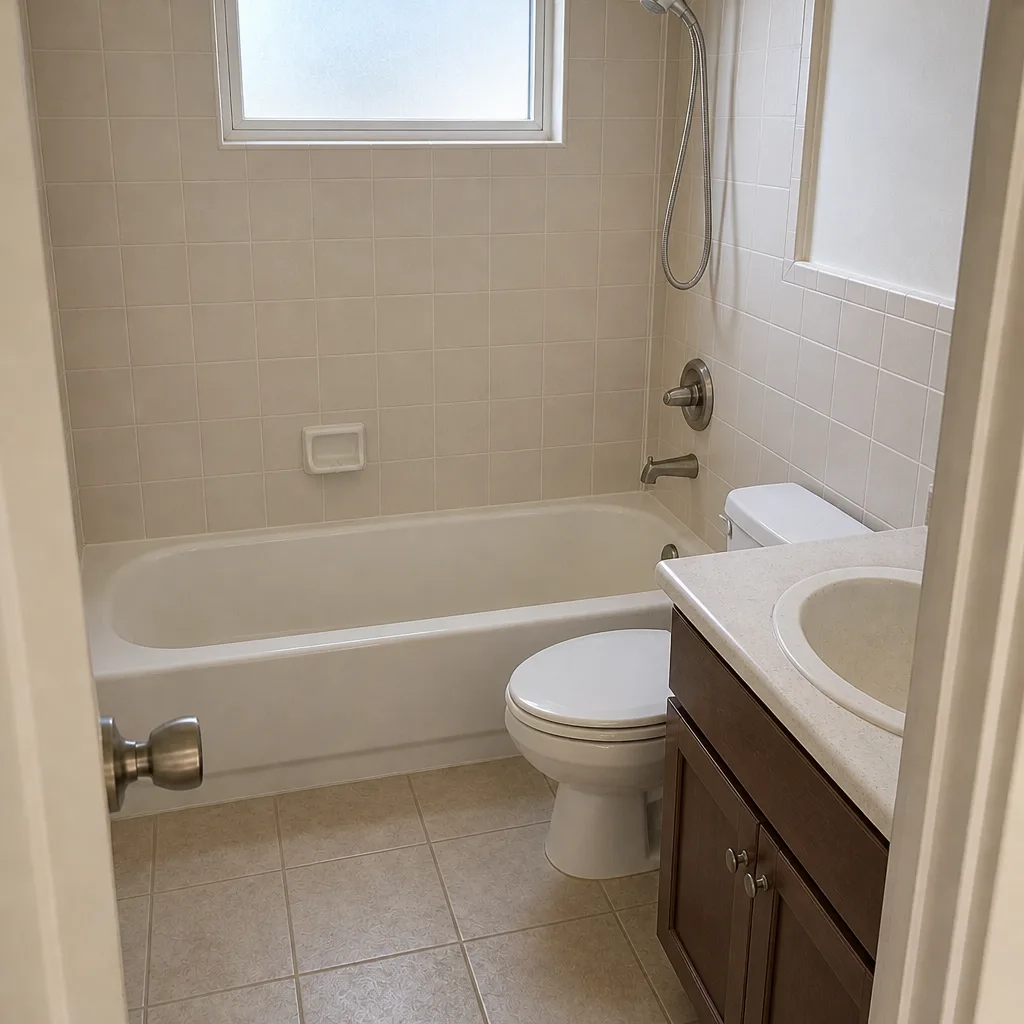
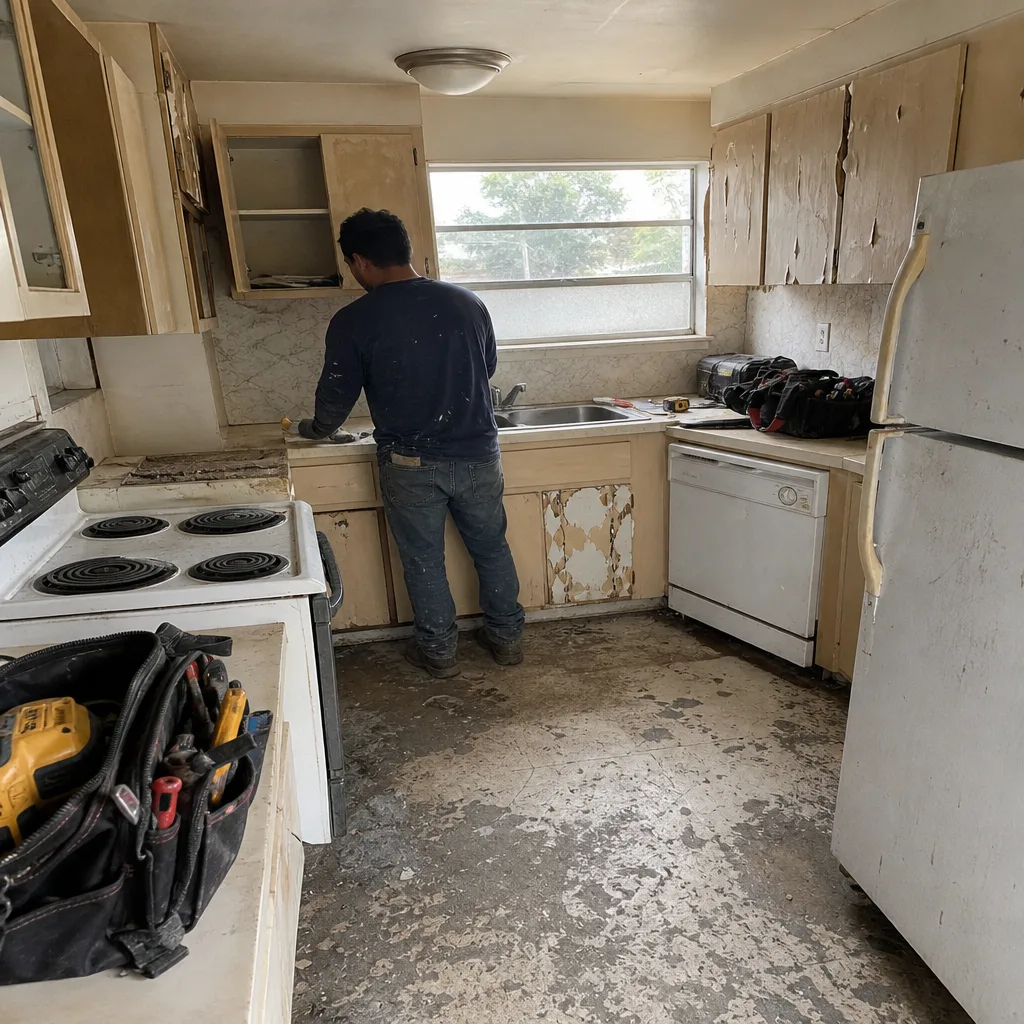
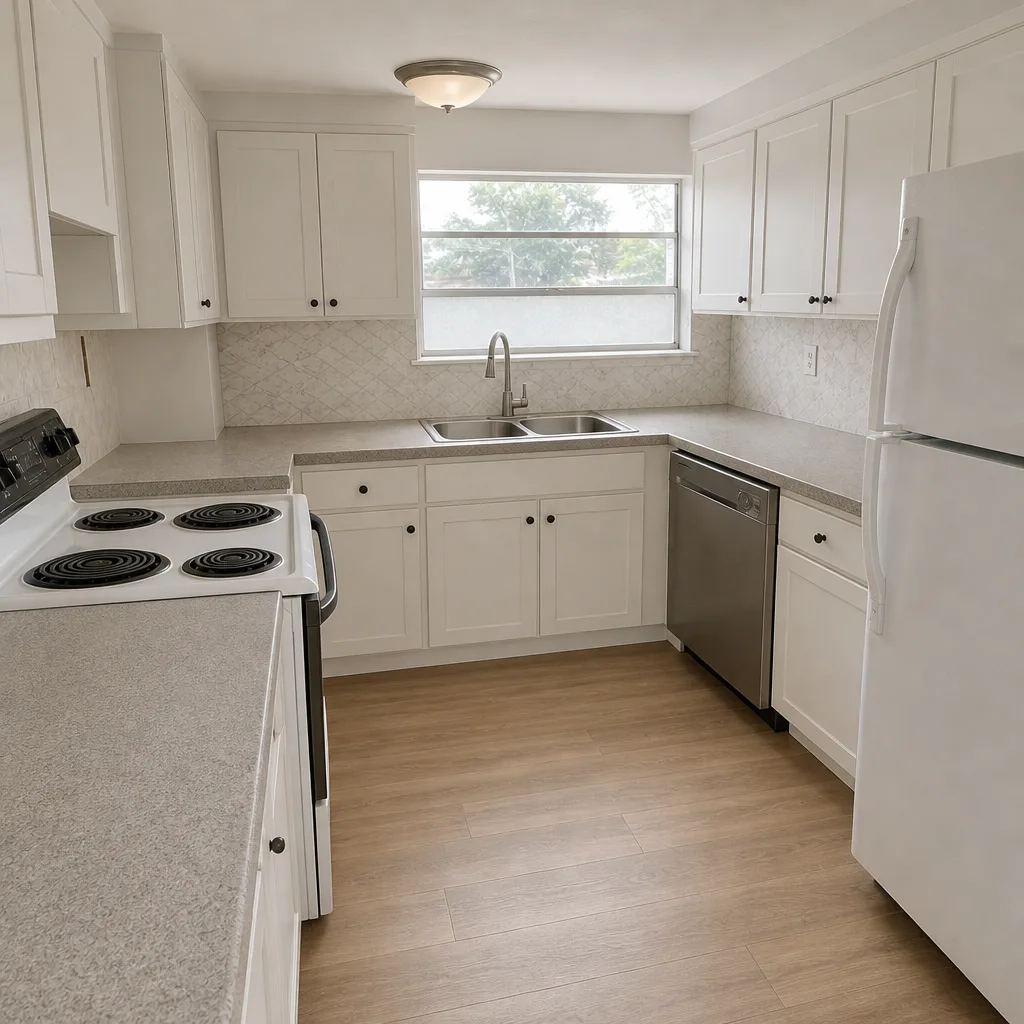
See the difference
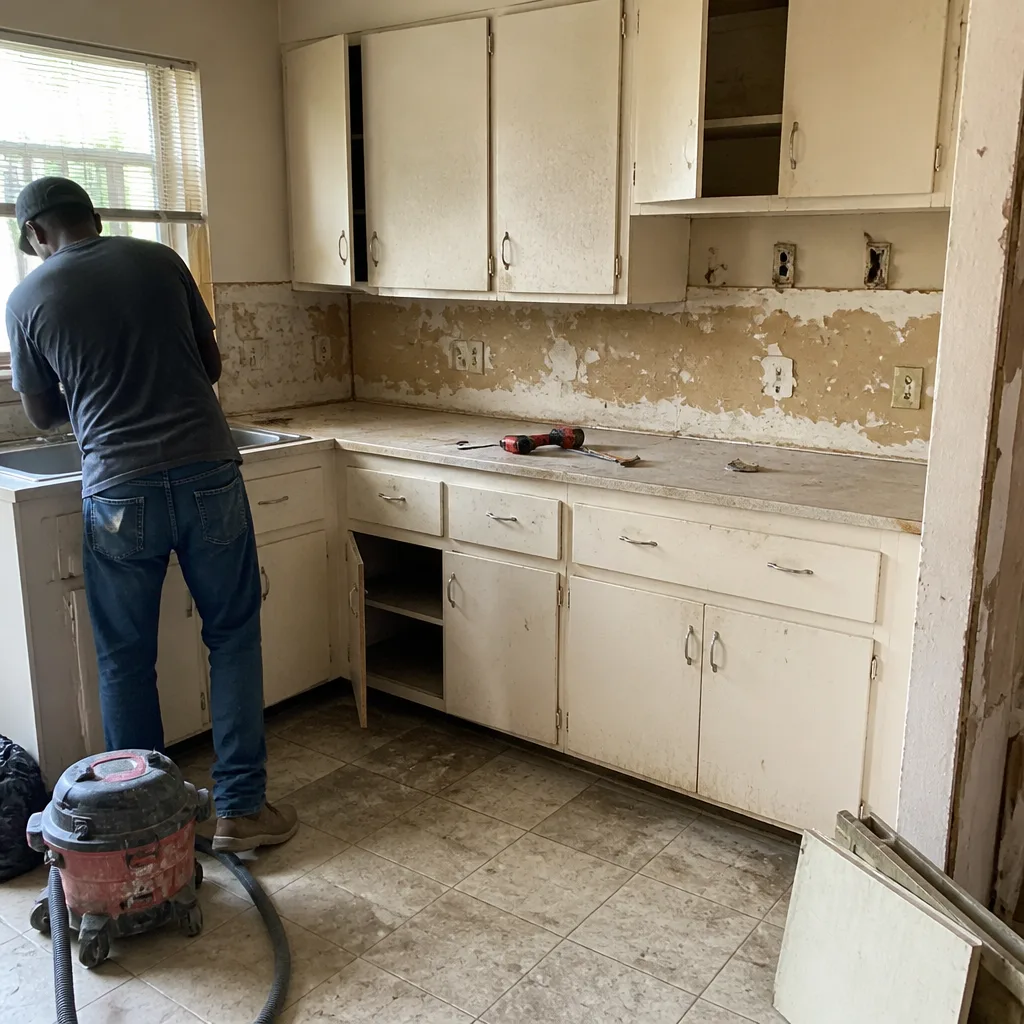 Before
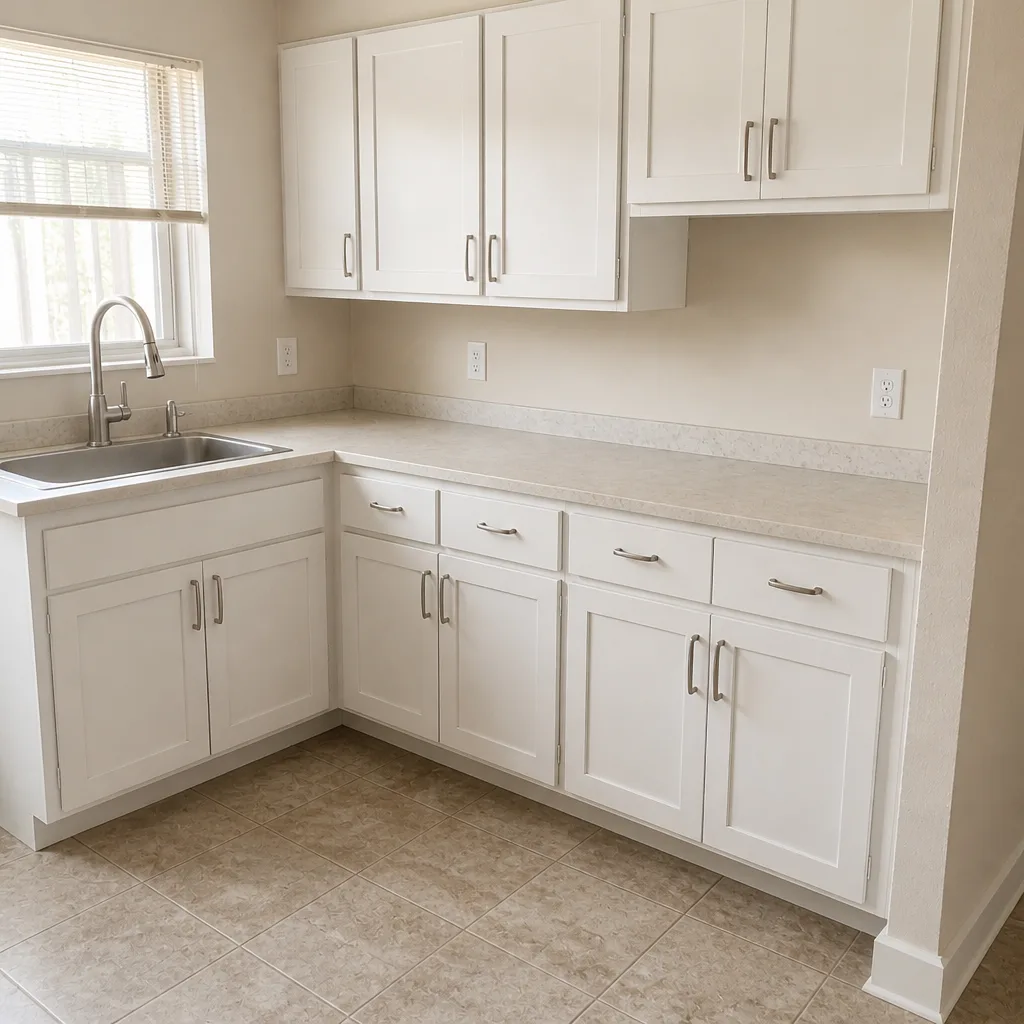 After
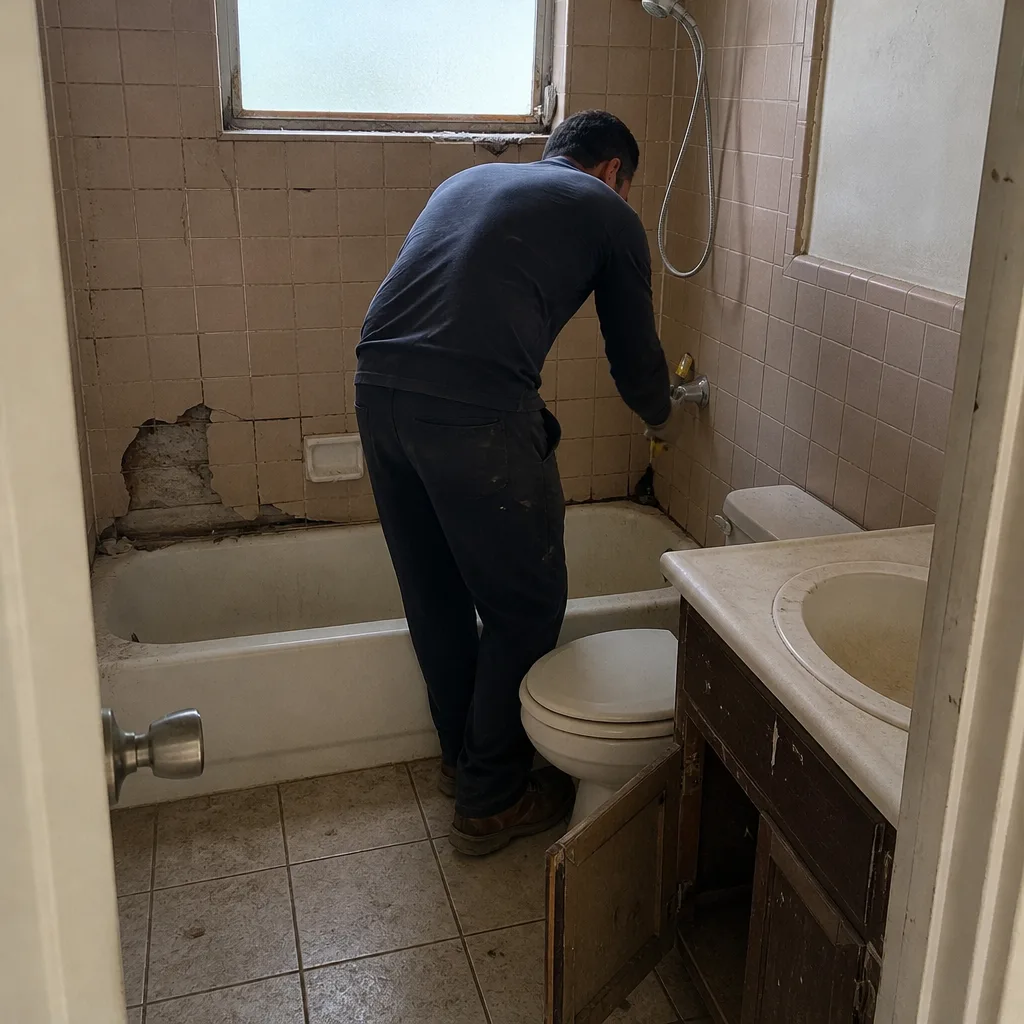 Before
 After
 Before
 After
When to Call a Professional
Pull in a licensed contractor when any of three things is true. First, the scope touches structure, roofing, electrical, plumbing, or mechanical, and you’re not certain what permits are required. Second, your project triggers zoning review and you aren’t confident the setbacks and lot coverage will pass on a first read. Third, you’ve discovered previously unpermitted work and need the as-built plan set to run the voluntary compliance path without exposing you to a demolition order. Each of those is a place where the wrong first step costs weeks. Rowan Construction Group Miami Gardens offers free estimates in Miami Gardens – call (844) 320-5198. Our technicians have up to 19 years of experience, and every project gets a written price before any work begins. That’s Clause 1 of the Haven Standard, and it’s the reason we’re comfortable putting a number in writing on a permit-driven job.
Frequently Asked Questions
Yes, if the scope touches plumbing, electrical, or mechanical. A cosmetic refresh with new paint and tile doesn’t typically require a building permit, but the moment a toilet is moved, an outlet is added, or a wall is opened to relocate a drain line, separate plumbing or electrical permits are required. In Miami Gardens, our team pulls the trade permits alongside the building permit so both review tracks run at the same time. Call (844) 320-5198 for a free estimate on the scope.
MEP reviews typically clear in 5 – 10 business days, while structural reviews run 15 – 25 business days longer than MEP on the same submittal in ePlan. If the scope includes a zoning review, add the city’s timeline on top. The structural review is almost always the last discipline to close, so budget for that timeline when you plan a project in Miami Gardens. Call (844) 320-5198 and we’ll walk through the realistic review timeline for your scope.
No. A final inspection confirms a specific trade scope is done, and the certificate of occupancy is a separate document that confirms the structure is legal to occupy. Both are required. A project can pass every final trade inspection and still not have a CO because that appointment hasn’t been scheduled, which is exactly why we schedule the CO the same week as the final trade inspection. Call (844) 320-5198 to schedule a free estimate on your project.
The buyer’s inspector will likely flag it, and the sale can stall until the work is either permitted or corrected. In the worst case, Miami-Dade County can require demolition and a lien that survives the sale of the home. The voluntary compliance path exists so that a homeowner can disclose and correct the work before it becomes a sale problem. Call (844) 320-5198 to talk through your situation before a transaction is at risk.
Our team pulls the permits as the licensed contractor of record on the project. That includes the building permit, the concurrent MEP permits, and the zoning submittal where the scope requires it. The homeowner’s only role is selecting finishes and signing the change order if the scope changes. Call (844) 320-5198 and we’ll confirm which permits your specific scope requires.
Not without a signed change order. The written price is the written price. Reviewer comments in ePlan sometimes require a design adjustment, and when that happens, we write the change order and get it signed before any related work proceeds. That’s the Haven Standard discipline. Call (844) 320-5198 to schedule your free estimate and get the flat price in writing.
The Bottom Line
Florida permitting runs across three layers that don’t all move at the same speed. The state code sets the technical minimum, Miami-Dade County amends Chapter 15 and Chapter 16 to fit the HVHZ wind requirements, and the City of Miami Gardens applies its own zoning rules on top. A building permit is only one of three documents you’ll need, and the review timelines favor the owner who submits the MEP permits alongside structural and schedules the certificate of occupancy the same week as the final trade inspection. If you’re sitting on unpermitted work, the voluntary compliance path exists so you don’t have to discover the problem during a sale. Our technicians have up to 19 years of experience with the process, and every project we take on in Miami Gardens gets a written price before work begins.
Ready to price the project? Call Rowan Construction Group Miami Gardens at (844) 320-5198 for a free estimate. Every quote is a flat written price with a written scope, and if you bring a competitor’s estimate, we’ll review it line by line at no charge.
Written by the team at Rowan Construction Group Miami Gardens.