Last updated November 18, 2026



Free written scope consultation - allowances, timeline, and change-order rules on paper before a single trade is scheduled
The Complete Guide to Construction in Miami Gardens
Miami Gardens sits across three FEMA flood zone designations within a single zip code, and that one fact can add $8,000 to $22,000 to a foundation scope depending on which side of NW 183rd Street your property falls on. This is not a generic South Florida suburb where the same builder’s playbook works everywhere. The soil, the flood patchwork, and Miami-Dade County’s local code amendments change the numbers on every trade. This guide walks you through the real variables a Miami Gardens homeowner faces: permit jurisdiction, geotechnical testing, wind-load rules, and who is legally allowed to touch each part of your house.
Quick Answer
Construction in Miami Gardens is governed by a layered code environment: the Florida Building Code sets the floor, Miami-Dade County amendments (notably the High-Velocity Hurricane Zone provisions) raise the bar for structural, roofing, and opening work, and the City of Miami Gardens Building Department handles most residential permits directly. Expect soil bearing tests to be required for additions over 400 square feet, foundation costs to shift by flood zone designation, and separate licensed trades for structural, electrical, plumbing, and HVAC work under Florida Statute 489.
Styles & brands we work with
- Kitchen remodeling
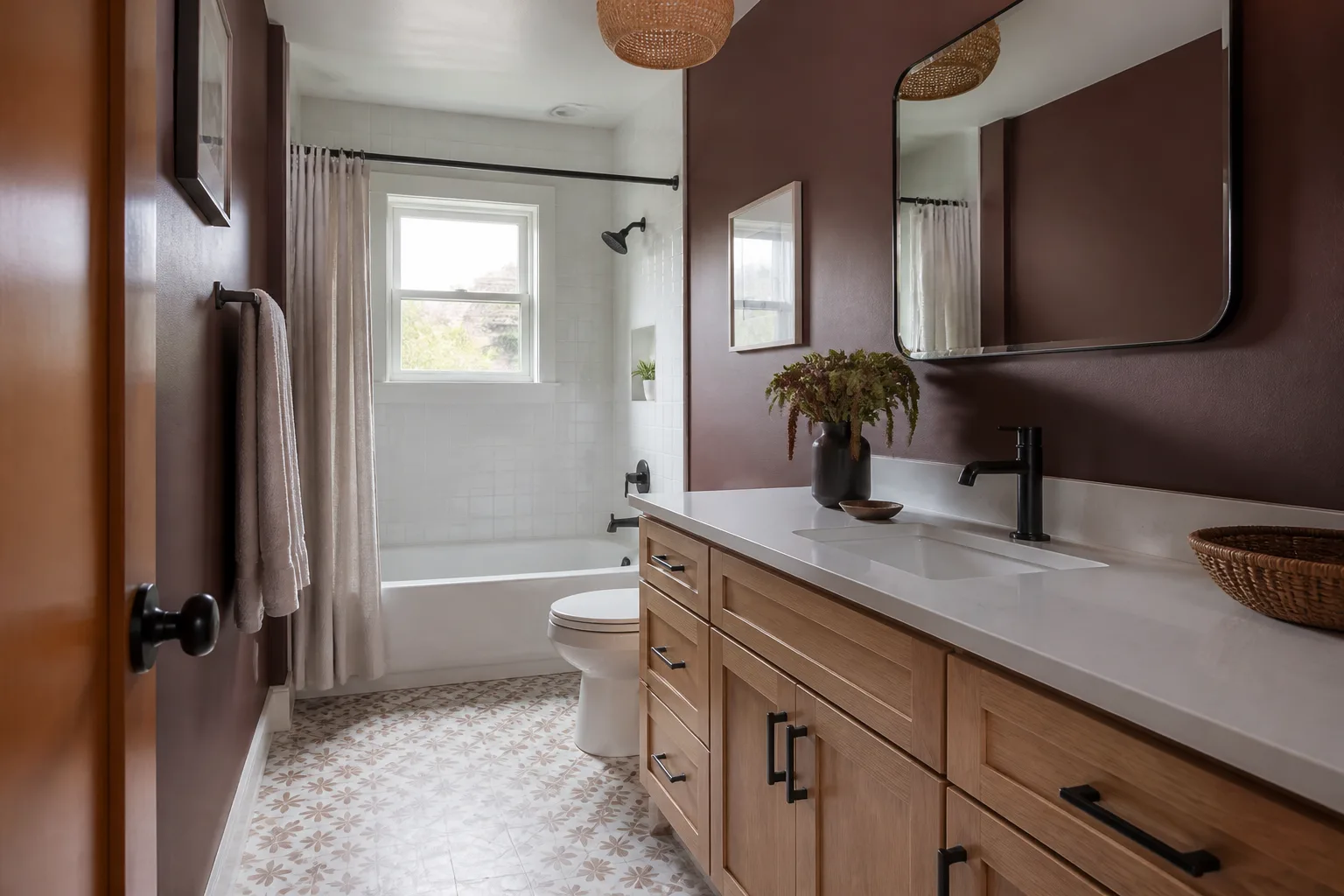
- Bathroom remodeling
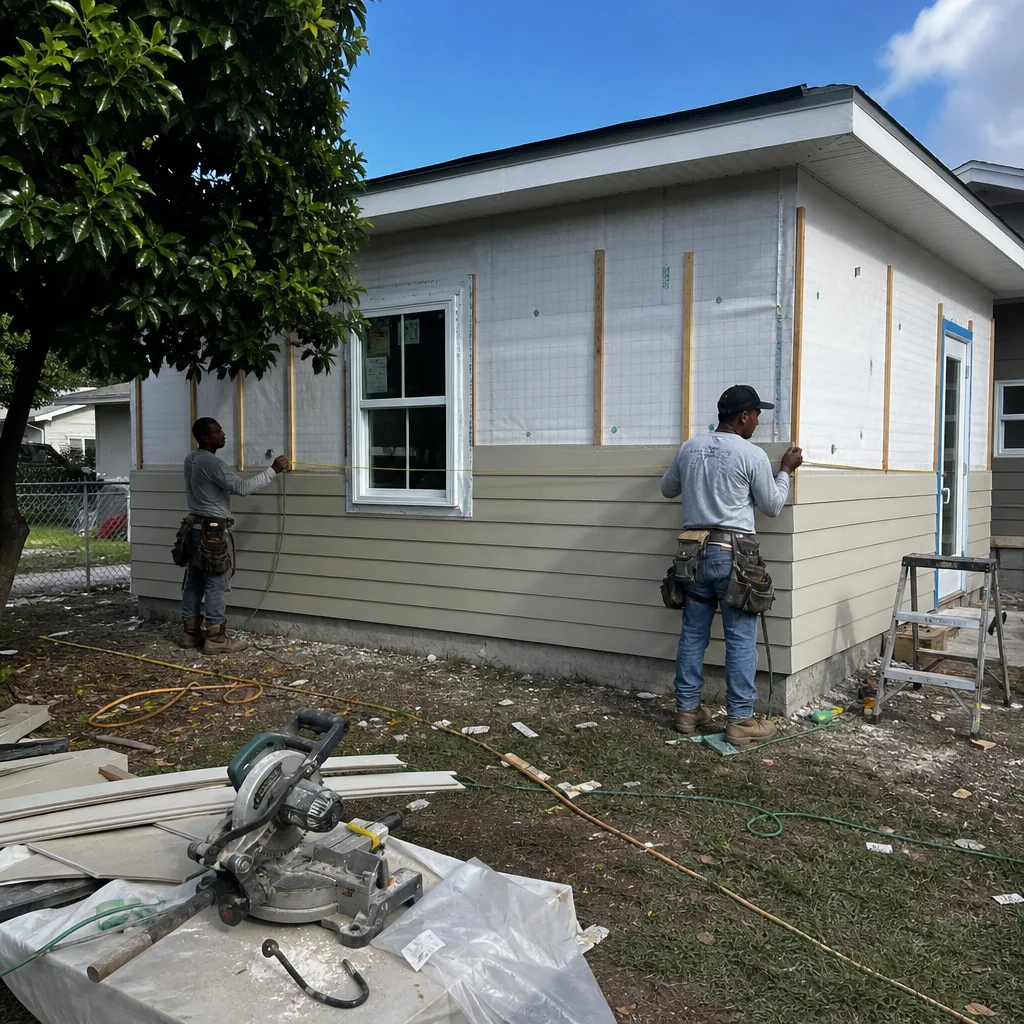
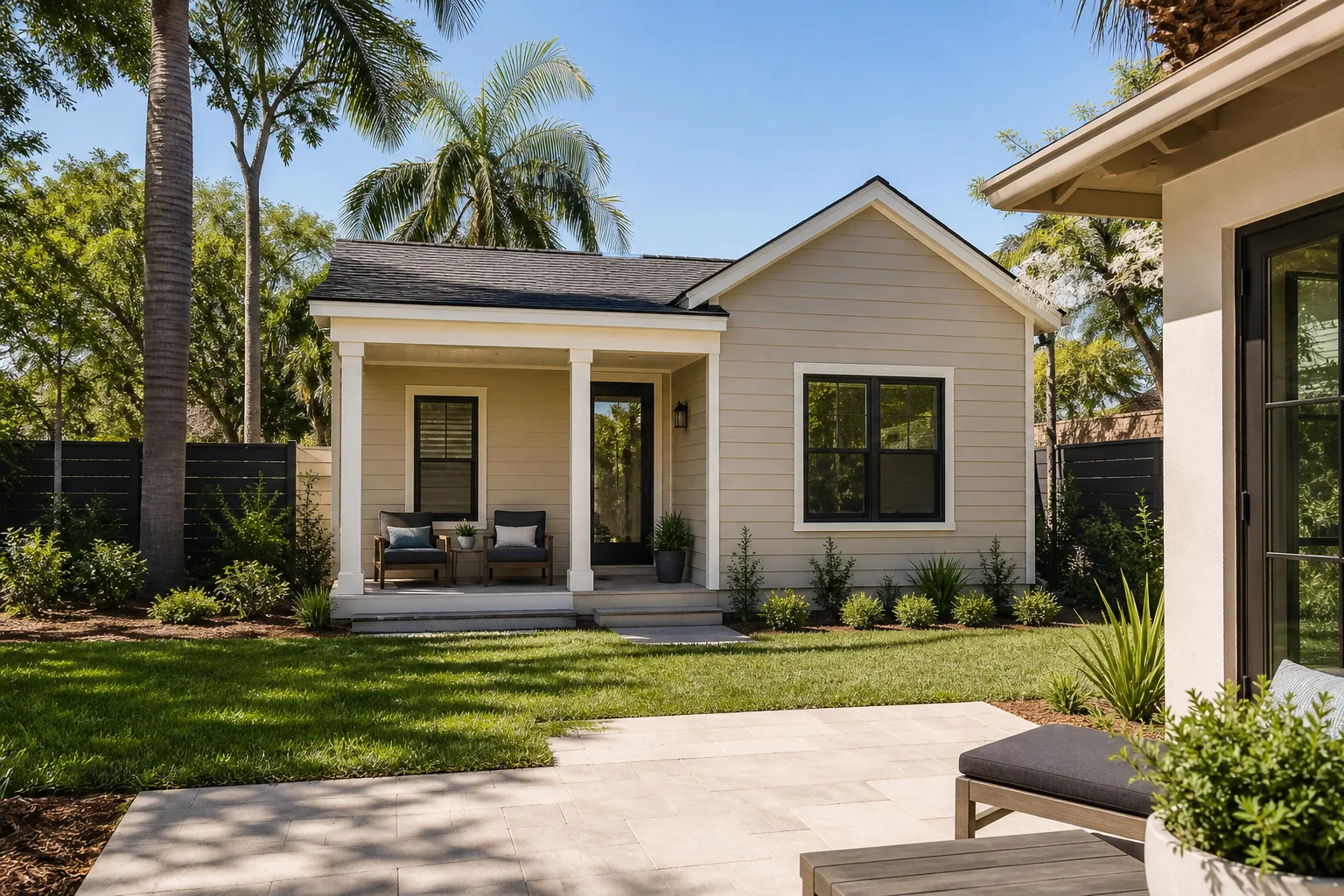
- Home additions & ADU
- Roofing
- Windows & doors
- Driveway & pavers
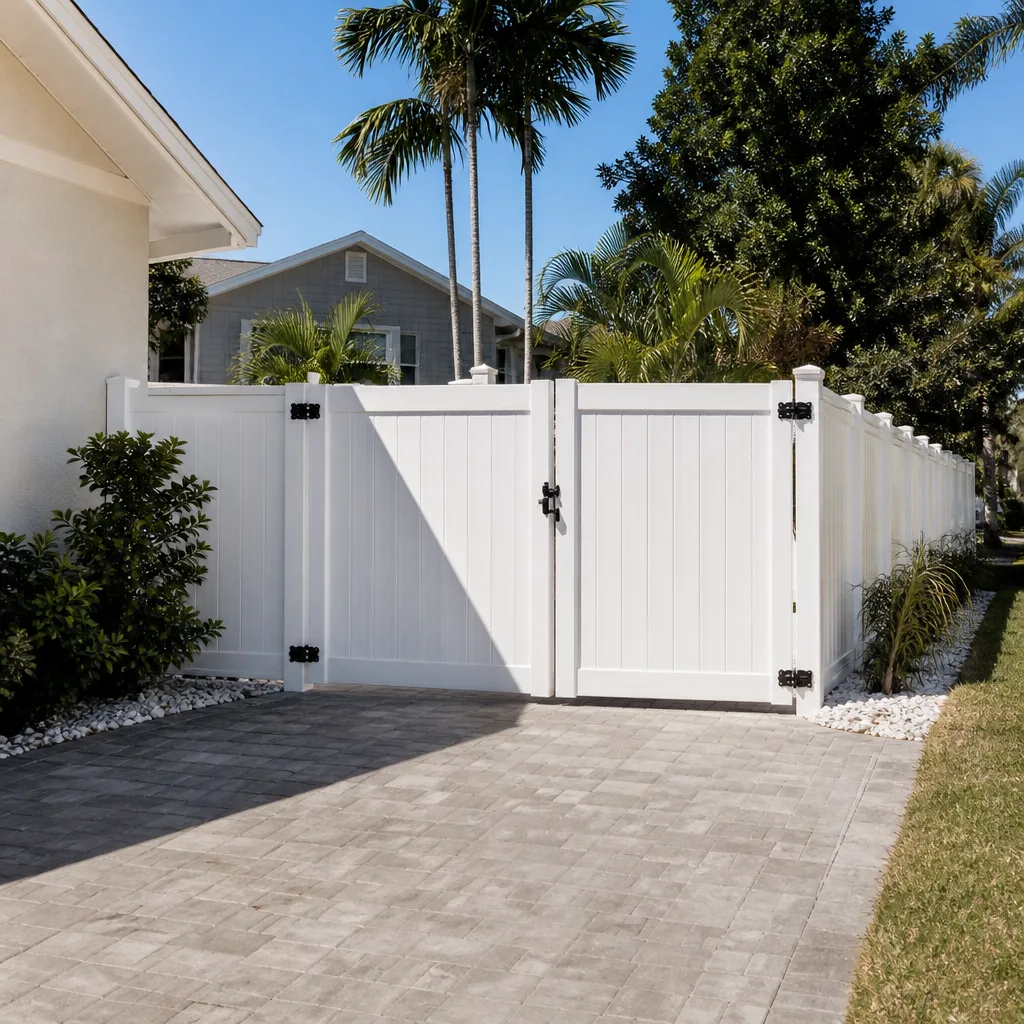
- Fence
Table of Contents
- Who Actually Reviews Your Permit in Miami Gardens?
- How Miami-Dade County Amendments Override State Defaults
- The Flood Zone Patchwork and What It Costs You
- Which Trades Need Separate Licensed Subcontractors
- Why Soil Tests Aren’t Optional for Additions
- What Construction Costs in Miami Gardens in Dollar Terms
- The Permit Application Flow, Step by Step
- Neighborhood-by-Neighborhood Reality Check
Who Actually Reviews Your Permit in Miami Gardens?
Most single-family residential work in Miami Gardens goes through the City of Miami Gardens Building Department, which issues its own permits and inspections under a delegated authority from Miami-Dade County. The exception is anything touching the High-Velocity Hurricane Zone structural envelope on certain commercial corridors or properties under county-level review, where the Miami-Dade Department of Permitting, Resources and Development (DPRD) may take the lead. For a homeowner, the practical difference is turnaround time and paperwork, not who shows up to inspect.
What determines jurisdiction:
- City jurisdiction (most common): kitchen and bath remodels, roof replacements, fences, driveways, pool enclosures, windows and doors, interior structural changes.
- County DPRD involvement: properties in unincorporated enclaves, some larger additions, and anything requiring a geotechnical or elevation certificate review.
- Both: additions over 400 square feet often trigger a county-level structural review alongside a city permit.
We’ve seen homeowners assume a permit is a formality and start work early. In Miami Gardens, a stop-work order on an unpermitted addition can force demolition of finished work before the permit is refiled. That is a cost measured in five figures, not a fine. Our full Rowan Construction Group Miami Gardens home page lays out how we handle permits on every project.
How Miami-Dade County Amendments Override State Defaults
Florida has a statewide building code, but Miami-Dade County adds local amendments that raise requirements for wind resistance and material durability. For Miami Gardens properties, those amendments are not optional. They apply to the structural, electrical, and roofing scopes specifically.
Structural: Concrete block construction is standard here, and Miami-Dade amendments require specific anchor systems and uplift tie-downs rated for the local wind zone. A framing plan built to a generic Florida code default won’t pass review; the connector schedule has to reflect the county’s design wind speed requirements.
Electrical: Panel and service equipment must carry Miami-Dade product control approval (a county-level certification beyond standard UL listing) because of corrosion concerns in coastal-humid climate. If a subcontractor installs a panel without that approval, the inspection fails and the panel comes out.
Roofing: All roofing assemblies in Miami-Dade must have a valid Product Approval number. A shingle that sells fine in Tampa may not carry Miami-Dade approval for the same assembly. Roofers who work outside this region regularly get caught here, and the fix is a full tear-off and re-roof.
What to ask before signing:
- Ask for the product approval number on every roofing, window, and door product.
- Confirm the framing plan is stamped for Miami-Dade design wind speeds, not a default template.
- Verify electrical and mechanical equipment is on the county-approved equipment list.
The Flood Zone Patchwork and What It Costs You
Miami Gardens crosses FEMA flood zone boundaries multiple times within its borders. Zone X (minimal risk) properties typically need no elevation certificate for a standard foundation. Zone AE (high risk, defined base flood elevation) properties need an elevation certificate, and foundation design has to account for the base flood elevation plus freeboard, which means a different foundation type or a filled pad.
The cost implication is concrete: a Zone X slab-on-grade foundation in Miami Gardens runs a standard scope. A Zone AE property in the same zip code can carry an additional $8,000 to $22,000 for the elevation certificate, engineered fill, and foundation elevation work. That spread is real, and it turns entirely on the FEMA flood map boundary, not the year the house was built.
When we scope a project in Miami Gardens, we pull the flood zone before we talk about foundation type. If you are planning a substantial addition, the Home Additions & ADU in Miami Gardens page covers how foundation and elevation work into a full addition budget, including where wind-load and flood requirements overlap.
Which Trades Need Separate Licensed Subcontractors
Florida Statute 489 is the law that governs contractor licensing. Under it, several work categories require a dedicated licensed contractor, and one license cannot cover them all. A general or building contractor can coordinate the work, but cannot legally perform, say, electrical rough-in unless they also hold that license.
The seven major trade categories break down this way:
- Roofing: Requires a licensed roofing contractor under Florida Statute 489.
- Concrete: Often under the general or building contractor; separate license not typically required for flatwork.
- Framing: Covered under the general/building contractor license for most residential work.
- Electrical: Requires a licensed electrical contractor, no exceptions.
- Plumbing: Requires a licensed plumbing contractor.
- HVAC: Requires a licensed mechanical contractor.
- Finish (drywall, paint, tile): Generally under the general contractor; not separately licensed.
If someone offers to handle electrical and framing under one license, ask for the license numbers on both. The state database takes a minute to check, and it’s the fastest way to spot a problem before a permit is filed. For roof work specifically, our Rowan Construction Group Miami Gardens home page notes how we verify each trade’s licensing before any crew is scheduled.
Why Soil Tests Aren’t Optional for Additions
A geotechnical report (soil bearing capacity test) measures how much load the ground can carry per square foot. In the Miami Gardens area, soil composition varies by parcel: some lots are on higher limestone-based soil, others on fill or transition layers that carry less bearing capacity. An addition over 400 square feet usually triggers the requirement because the new foundation has to be designed to the actual soil conditions, not an assumed default.
The cost of a geotechnical report in this market runs $350 to $900 depending on the number of borings and the lab work. That is a small number against the alternative. We’ve seen a contractor skip the test, pour a foundation to an assumed bearing value, and end up with a slab that settles unevenly within two years under a room addition. By then the fix is demolition and re-pour, and the $700 saved turns into $20,000 lost.
What the report actually does:
- Establishes allowable bearing capacity for the specific lot.
- Identifies the presence of fill or organic material that requires over-excavation.
- Guides the engineer’s foundation design and the inspector’s field check.
What Construction Costs in Miami Gardens in Dollar Terms
Here is what the numbers actually look like for Miami Gardens work as of 2026. These are market ranges, not quotes, but they give you a reference point before anyone hands you a number. Our technicians have up to 19 years of experience in this market, and these ranges come from what we see working here.
| Project | Typical Range | Notes |
|---|---|---|
| Kitchen remodel | $28,000 – $75,000 | Depends on cabinet line and footprint changes |
| Bathroom remodel | $12,000 – $32,000 | Full gut vs. cosmetic |
| Roof replacement | $9,500 – $22,000 | Material and roof pitch |
| Fence installation | $2,800 – $8,500 | Linear feet and material |
| Driveway & pavers | $4,200 – $14,000 | Square footage and paver type |
| Home addition | $110,000 – $280,000 | Size, scope, flood zone |
| Geotechnical report | $350 – $900 | Required for most additions over 400 sq ft |
The single biggest cost lever in Miami Gardens is where your property sits on the flood map. A Zone AE addition carries foundation work that a Zone X addition doesn’t, and that difference lands in the five-figure range. Our Driveway & Pavers in Miami Gardens page covers exterior work, which also has a base-prep step that soil conditions affect more than most homeowners expect.
The Permit Application Flow, Step by Step
The process is orderly but takes time. Here is the sequence for a typical Miami Gardens residential project:
- Pre-application research: Confirm the property’s flood zone, verify the scope against Miami-Dade amendments, and identify any county-level review triggers (additions over 400 sq ft, elevation certificates).
- Plan preparation: Stamped architectural and engineering drawings that reflect the actual design wind speed and product approval numbers. Generic drawings get rejected at intake.
- Geotechnical report (if required): Completed before structural drawing submission so the foundation design is based on the measured soil capacity.
- Submission: Most residential permits go to the City of Miami Gardens Building Department; larger additions may also route through county DPRD review.
- Plan review: City reviewers check code compliance, product approvals, and trade license documentation.
- Permit issuance and inspection schedule: Inspections happen in sequence: foundation, framing, rough-in trades, insulation, final. Each has to pass before the next stage closes.
- Certificate of occupancy (for additions): The final inspection and CO close the project.
Timelines vary widely by scope. A roof replacement might clear permit in two to three weeks. An addition can take two to four months from submission to permit issuance, and that is normal. Build the permit time into your project schedule, not the other way around.
Neighborhood-by-Neighborhood Reality Check
Miami Gardens is not one uniform construction environment. Neighborhoods on the western side near NW 57th Avenue tend to sit on higher ground and more stable soil. Properties closer to the eastern edge and near the canal corridors encounter more fill and drainage considerations. Near NW 183rd Street, the flood zone boundaries cut across so many parcels that two neighbors on the same block can have different foundation requirements.
A few patterns we’ve seen in Miami Gardens:
- Older homes in the central neighborhoods carry aging cast-iron plumbing and Federal Pacific era electrical panels, both of which come up in renovation scopes more than the homeowner expects.
- Wind-rated window and door replacements are more frequently required on post-1994 homes than homeowners realize, because the opening protection rules apply to any significant structural change.
- Properties near the canal corridors need drainage review for additions and pavers; water has to have somewhere to go.
Our Fence Installation in Miami Gardens page covers one exterior trade where property-line and easement rules matter more than in most places, partly because so many parcels near the canal corridors carry utility easements along the rear line.
Common Mistakes to Avoid
- Assuming the state code is the whole picture. The Florida Building Code is the floor. Miami-Dade amendments override it on wind load, product approval, and electrical equipment. A contractor who builds to the state minimum will fail inspection in Miami Gardens.
- Skipping the geotechnical report to save $700. On an addition over 400 square feet, that $700 protects a foundation decision worth five figures. It is not optional and the city will ask for it.
- Not checking which side of the flood line the property sits on. Zone AE properties need an elevation certificate and foundation work that Zone X properties don’t. Picking a foundation type before confirming the designation can force a re-design mid-project.
- Accepting one license number for work that requires several. Electrical, plumbing, HVAC, and roofing each need their own licensed contractor under Florida Statute 489. Ask for every license number and verify each one.
- Ordering materials before permit approval. Roofing and window products must carry Miami-Dade product approval. Materials bought off a national catalog without that number often cannot be installed, and returns are not always possible.
- Starting work before permits issue. A stop-work order on an unpermitted addition in Miami Gardens can force demolition of finished work. That cost is not recoverable through any warranty.
- Reading the base price and ignoring the change orders. The price you sign should match the price you pay. Under the Haven Standard, no change proceeds without a signed change order, which is how projects stay within a few percent of the agreed cost.
See the difference
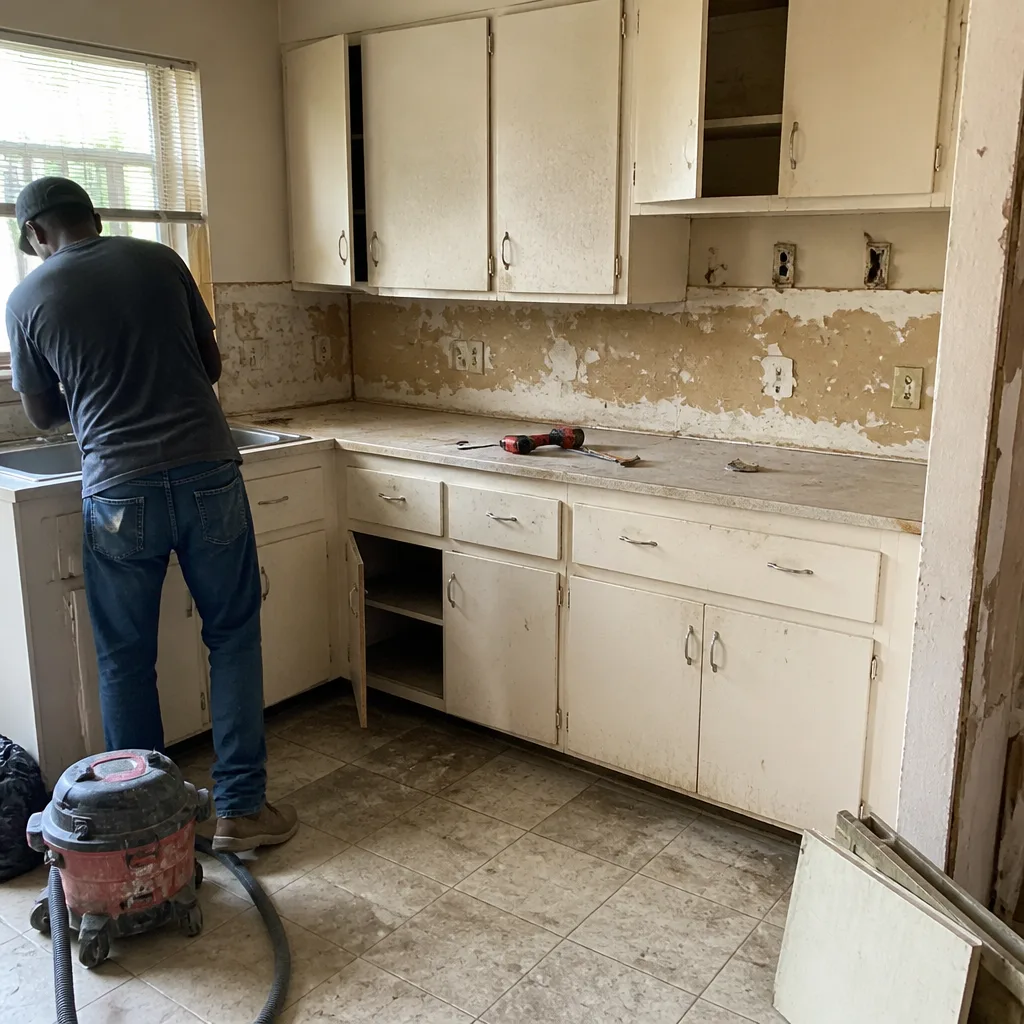 Before
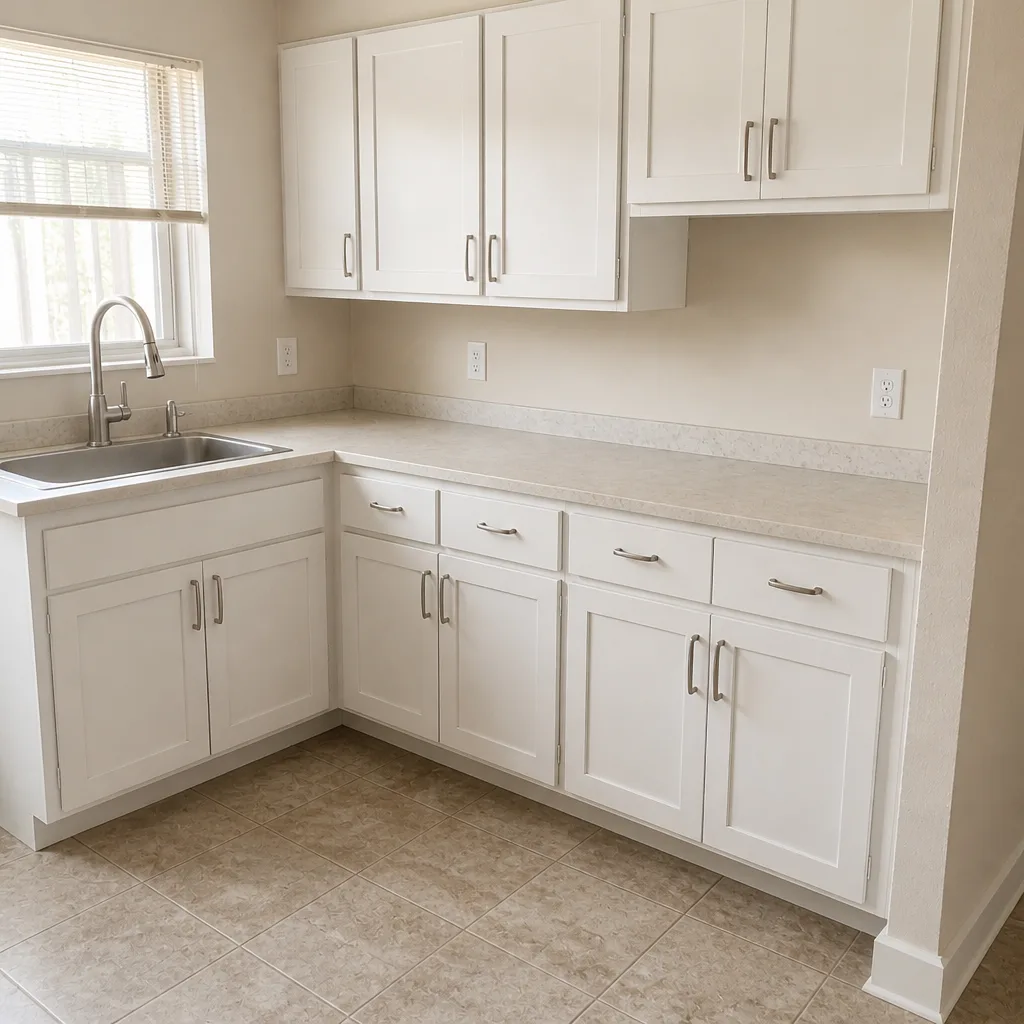 After
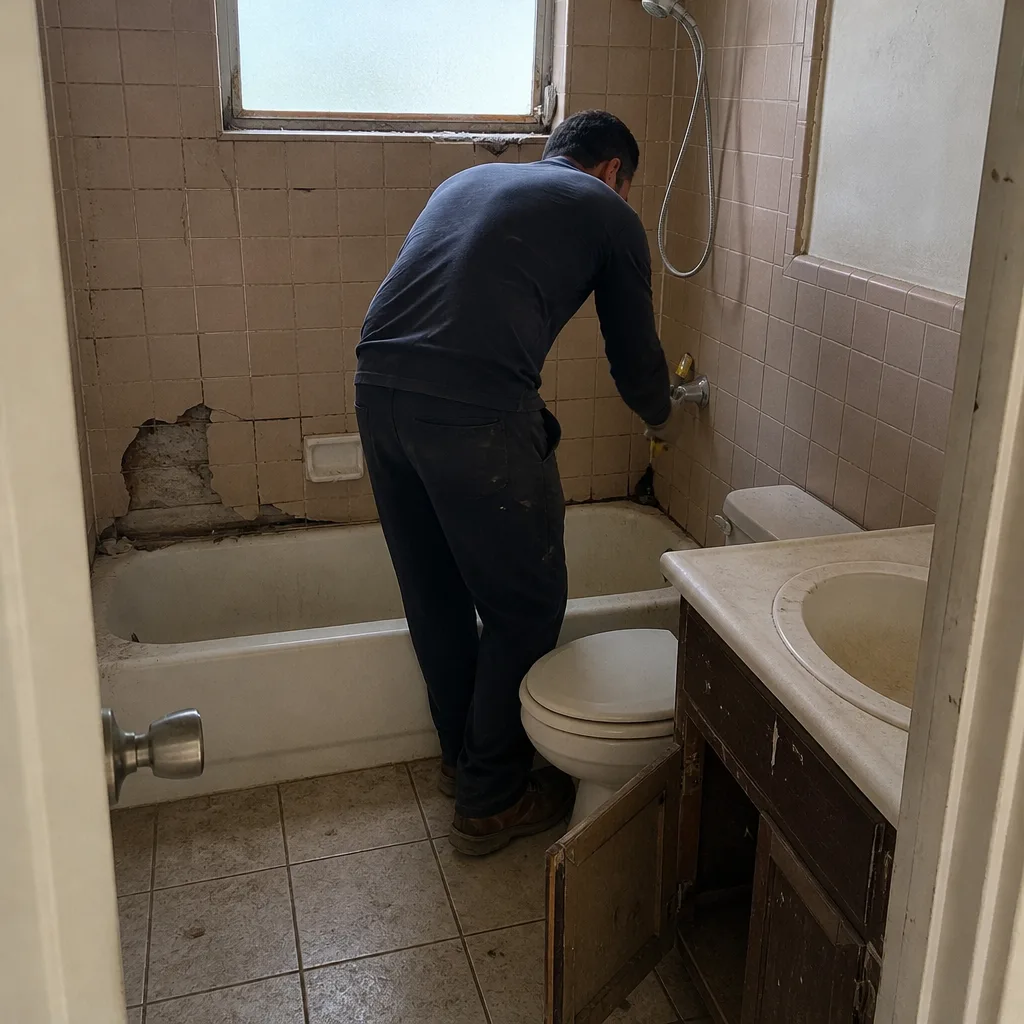 Before
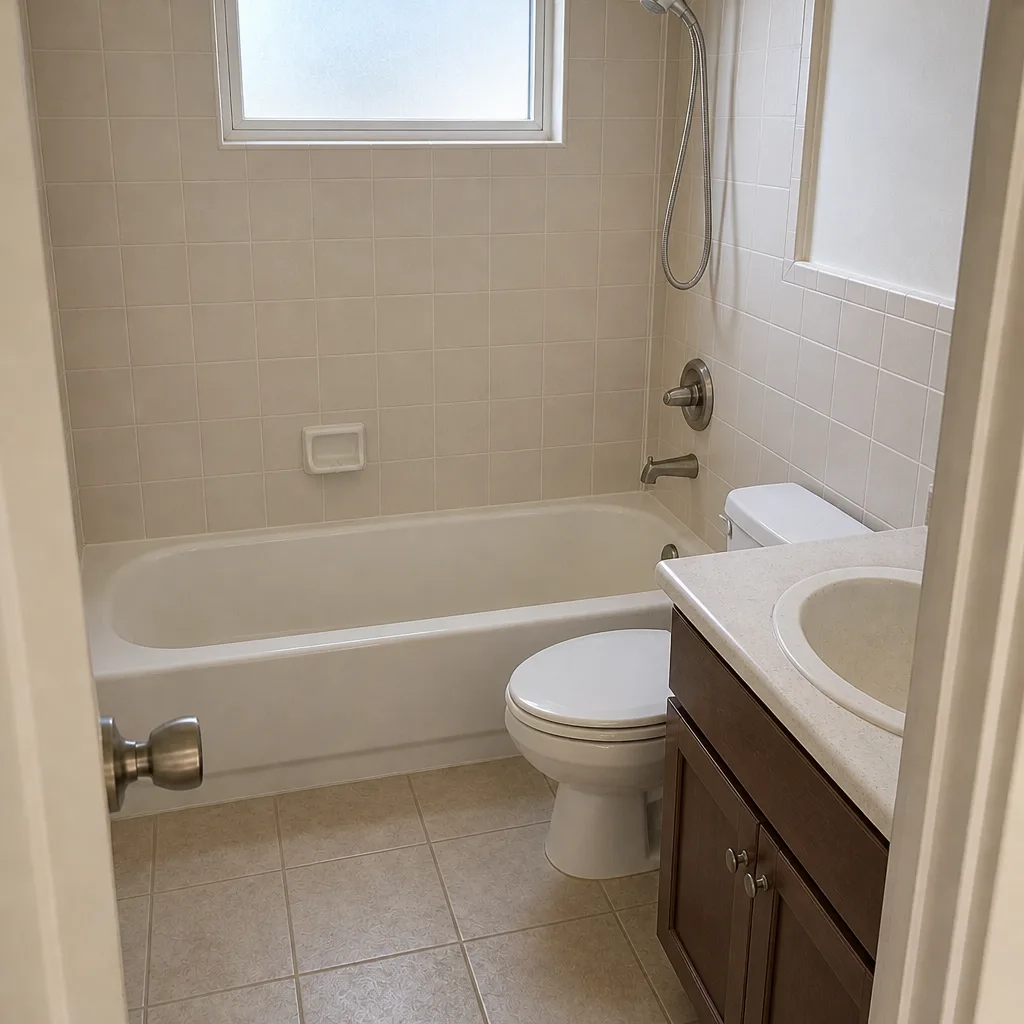 After
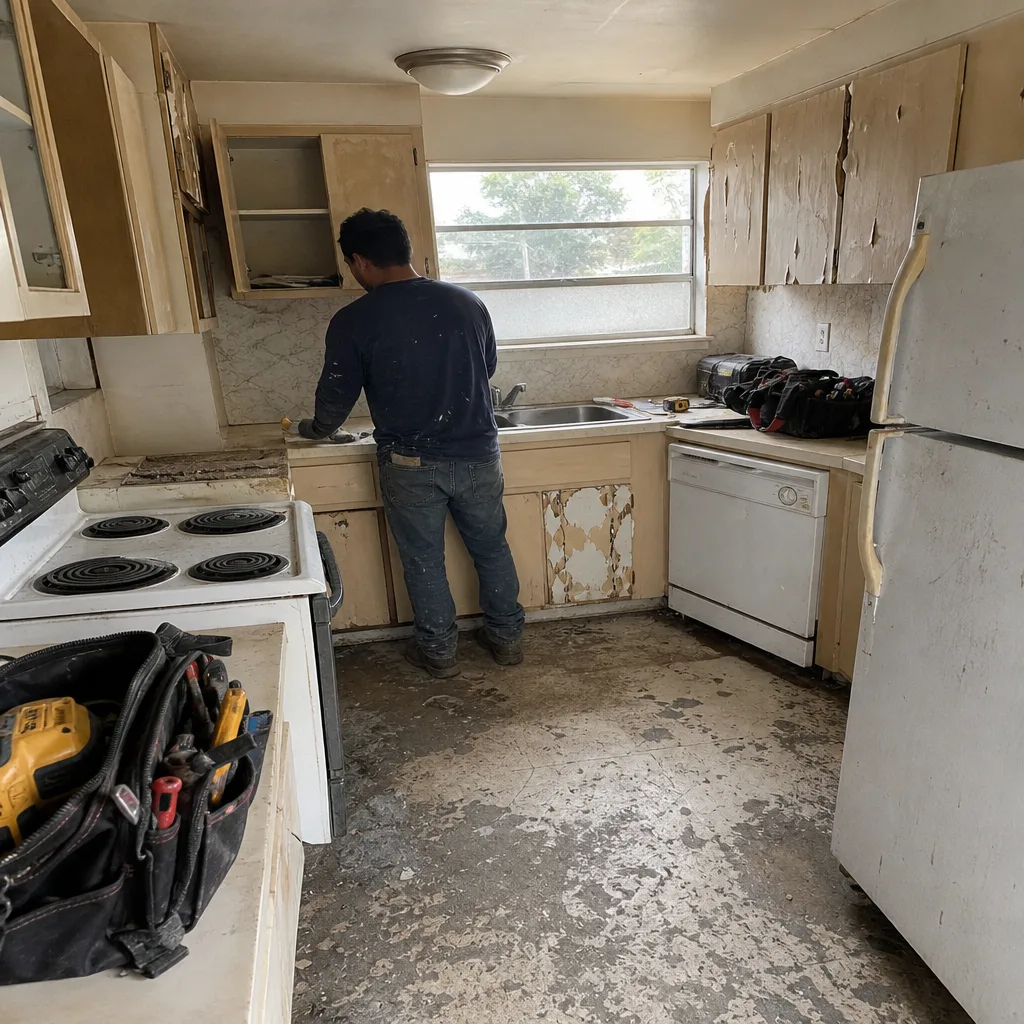 Before
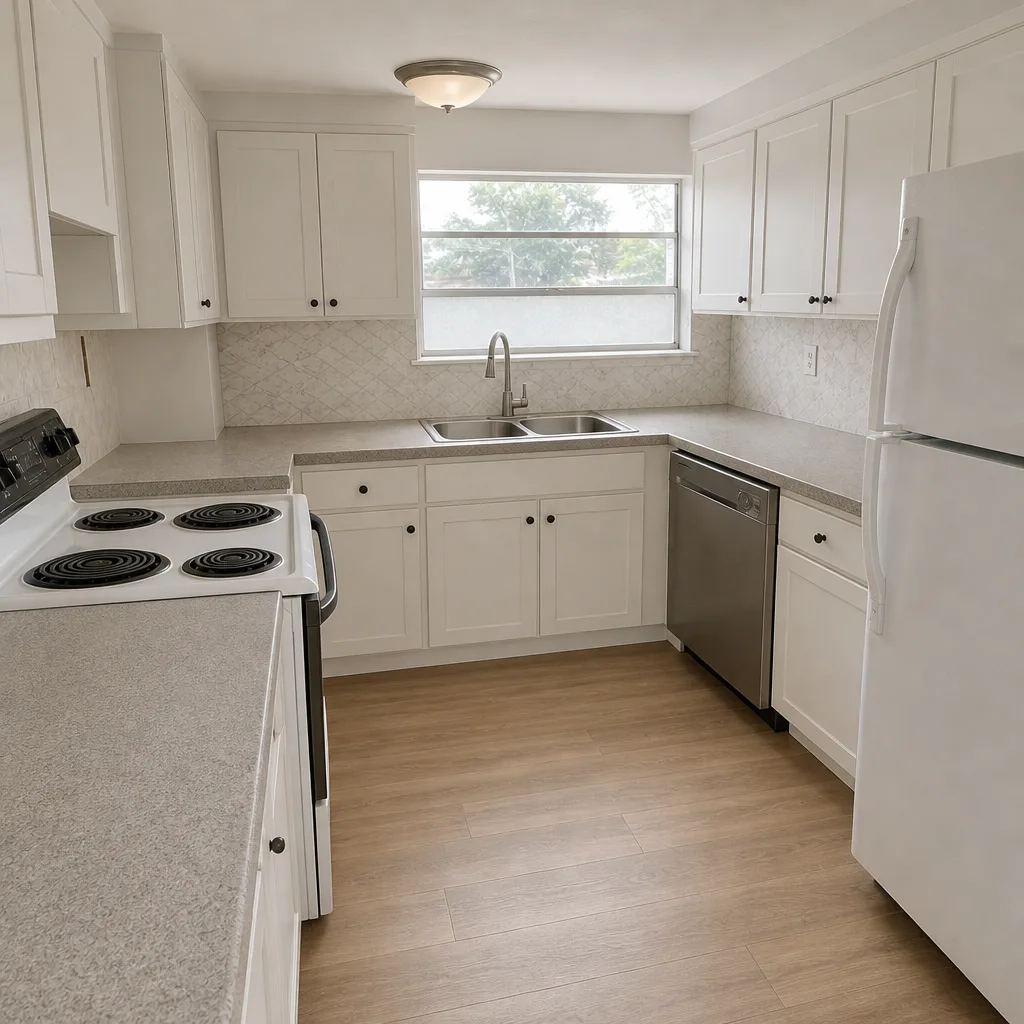 After
When to Call a Professional
Some work is genuinely do-it-yourself territory: painting, caulking, hanging drywall shelves. Other work is not, and in Miami Gardens the line is drawn by both safety and code. Call a licensed professional for anything touching the electrical panel, gas lines, roofing structure, or any change to the structural envelope. Roof work done at height without proper fall protection is a leading cause of serious injury on residential projects, and the product approval requirements mean an unpermitted re-roof may not pass inspection or satisfy insurance carriers even if it looks fine. Foundation work at any scale involves loads that a visual inspection can’t assess. If your project is an addition, an ADU, or any scope over $20,000, get a written scope and price before work starts. Rowan Construction Group Miami Gardens offers free estimates in Miami Gardens and can review a competitor’s written quote line by line at no charge. Call (844) 320-5198.
Frequently Asked Questions
Yes. Fence permits are handled by the City of Miami Gardens Building Department, and the height and setback rules vary by property line orientation. Fence work near utility easements, common along the canal corridors here, requires an additional check before the permit issues. Our team handles that review before any post is set.
Home additions in Miami Gardens typically run $110,000 to $280,000 depending on square footage, scope, and flood zone. Properties in Zone AE carry additional foundation and elevation costs that Zone X properties don’t. Call (844) 320-5198 for an exact quote on your scope. Estimates are free.
Most additions over 400 square feet in the Miami Gardens area require a geotechnical report, which costs $350 to $900. The report establishes the soil bearing capacity for your specific lot so the foundation can be engineered correctly. Skipping it risks a settling failure that costs far more than the test.
One company can coordinate all trades, but under Florida Statute 489 the licensed electrical, plumbing, HVAC, and roofing work must be performed by contractors holding those specific licenses. Ask for the license number for each trade and verify it independently. Rowan Construction Group Miami Gardens verifies every subcontractor’s license before any work is scheduled.
Typical timelines run two to three weeks for a straightforward permit like a roof or fence, and two to four months for an addition or a project requiring a geotechnical report and structural review. The timeline depends on scope and completeness of the drawings. Call us for a realistic schedule based on your specific project.
Not on our projects without a signed change order. Under the Haven Standard, every project is quoted with a flat written price and written scope before work begins, and no change proceeds without a signed change order. That format accounts for costs staying within a few percent of the agreed number. Call (844) 320-5198 to see a written quote on your project, free of charge.
The Bottom Line
Miami Gardens is a real construction market with real variables: a flood zone patchwork that can swing a foundation budget by five figures, Miami-Dade amendments that override state code on wind and product approval, separate licensing requirements for four of the seven major trades, and a geotechnical requirement for most additions over 400 square feet. None of this is unusual. All of it is knowable before you sign anything. The number one thing to get right is the written price and written scope before work starts, because in Miami Gardens the permit process and the flood map are where budgets actually move. Get those two facts first, then price the work.
If you’d like a free, written estimate on your Miami Gardens project, call Rowan Construction Group Miami Gardens at (844) 320-5198. We’ll review your scope, pull the flood zone, and walk through the geotechnical requirement before anything is scheduled. Bring a competitor’s written quote and we’ll review it line by line, with no charge for the second opinion. Under the 365-Day Done Right Promise, every visit includes a documented photo record as a standard deliverable, and every price is written before anyone picks up a tool.
Written by the team at Rowan Construction Group Miami Gardens.