Last updated November 18, 2026




Free written scope consultation - allowances, timeline, and change-order rules on paper before a single trade is scheduled
Windows & Doors Troubleshooting: Common Problems and How to Fix Them
Here’s a pattern we see constantly in Miami Gardens: a homeowner calls about a sliding door that won’t latch, and by the time we’ve pulled the trim they’ve already replaced the rollers, the handle, and the strike plate. The door still won’t latch. That’s because the real problem was never the hardware – it was a frame that moved a sixteenth of an inch after two rainy seasons and never came back. Most window and door failures in South Florida trace to two root causes: salt-air corrosion eating hardware from the coast inward, and frame movement from humidity swings that push and pull on every opening in the house. This guide teaches you to diagnose by cause instead of chasing symptoms, so each fix you make is the last one for that problem.
Quick Answer
Sticking doors, fogged glass, and misaligned locks in Miami Gardens usually come from frame movement caused by humidity swings, or hardware corrosion caused by salt air – not from the part that appears broken. Diagnose the root cause before you replace anything: check whether the problem changes with the season (frame movement) or stays constant and worsens near the coast (corrosion). Impact windows and doors carry Miami-Dade NOA ratings that a well-meaning DIY repair can void, so anything that touches the frame, the glazing seal, or the anchoring hardware should go to a licensed contractor.
Styles & brands we work with
- Kitchen remodeling
- Bathroom remodeling
- Home additions & ADU
- Roofing
- Windows & doors
- Driveway & pavers
- Fence
Table of Contents
- The Two Root Causes Behind Almost Every Window and Door Problem
- Salt-Air Corrosion: A Timeline for Coastal Miami Gardens Hardware
- Fogged Glass: Failed Glazing Seal vs. Interior Humidity
- Why Doors Stick in Summer and How to Fix the Frame, Not the Door
- Impact Window Lock Misalignment: Diagnostics You Can Do Yourself
- Water at the Sill vs. Water at the Frame Joint
- When a DIY Fix Voids Your Miami-Dade NOA
- Common Mistakes to Avoid
The Two Root Causes Behind Almost Every Window and Door Problem
Almost every complaint we hear in Miami Gardens – doors that drag, windows that won’t seal, locks that need two hands, water that appears after a storm – traces back to one of two physical forces acting on the opening.
Cause one: frame movement from humidity swings. Wood, vinyl, and even aluminum frames expand and contract as relative humidity moves between South Florida’s dry winter weeks and the heavy summer wet season. Vinyl expands more than wood; aluminum moves less but transfers heat. Over a season, that movement opens up gaps at the rough opening, distorts the reveal (the gap between the door slab and the jamb), and throws lock hardware out of alignment. A door that sticks only from May through October is a frame and threshold problem.
Cause two: salt-air corrosion. If you live east of the turnpike in Miami Gardens, your exterior hardware is bathed in airborne chlorides every day of the year. Brass-plated and chrome fixtures pit and flake within three to five years on the coast. Stainless rated 304 holds up better but still shows tea staining (a brown surface discoloration) within a year or two near the beaches. Marine-grade 316 stainless is the material that survives.
Here’s the diagnostic shortcut we use:
- Does the symptom change with the season? That points to frame movement. Look at the reveal and the threshold.
- Does the symptom worsen toward the coast or after storms? That points to corrosion. Look at the finish and the fasteners.
- Is the symptom constant and worse on one side of the house? Look for water infiltration at either the sill or a frame joint (more on that below).
Match your fix to the cause, and you stop replacing parts that were never the problem.
Salt-Air Corrosion: A Timeline for Coastal Miami Gardens Hardware
The salt-air timeline is the single most misunderstood piece of window and door maintenance in Miami Gardens. Homeowners buy the same hardware their contractor installed and wonder why it fails again in two years. The answer is in the finish rating, not the brand.
What we see in our experience, on standard residential hardware:
- Brass-plated hardware – common on builder-grade windows – typically shows pitting and loses its lacquer coating within two to four years on coastal blocks and inside five to seven years further west around Miami Gardens Drive.
- Chrome-plated hardware lasts longer cosmetically but the plating flakes at edges and corners first, exposing the base metal underneath. Expect three to five years on the coast.
- 304 stainless steel, which appears in mid-grade thresholds and hinges, resists rust but shows tea staining within a year or two near the Intracoastal.
- 316 marine-grade stainless is the finish that survives a coastal Miami Gardens exposure for a decade or more. Look for the alloy number, not the word “stainless.”
For door and window hardware, we specify marine-grade 316 stainless screws and thresholds when the home sits east of the turnpike. For plumbing fixtures in the same homes, brands like Grohe publish their marine-grade finishes clearly – the finish matters as much as the metal. When we quote replacement hardware, the number on the page reflects the material: a 316 stainless threshold costs more up front than a chrome-plated one and roughly half as much over twenty years, because you’re not buying it three times.
What to do when corrosion has taken hold: replace the hardware with a documented grade, wipe thresholds and sills down with fresh water once a month in the wet season, and never reach for an abrasive cleaner – it strips the finish further.
Fogged Glass: Failed Glazing Seal vs. Interior Humidity
A fogged window is not automatically a broken window. Distinguishing a failed glazing seal from interior humidity condensation changes the repair cost by $400 to $1,200, and it decides whether you’re replacing a sealed unit or adjusting the way you run your house.
Insulated glass units (IGUs) are two panes with a sealed gas or air space and a desiccant border. When the perimeter seal fails – often because of frame movement or heat cycling – moisture enters the space and the window fogs between the panes. That fog doesn’t wipe off, doesn’t clear in the afternoon, and it will gradually stain the inside of the glass with a mineral film.
Condensation caused by interior humidity behaves differently. It forms on the interior surface of the glass (not between the panes), appears first on the coolest side of the house, and clears as the day warms or as you run the AC and fans.
How to tell them apart:
- Touch test. Run a fingertip across the inside face of the glass. If the fog wipes off, it’s surface condensation. If it doesn’t, the sealed unit has failed.
- Time test. Check the window in the early morning and again at 3 p.m. Interior condensation clears; failed glazing seal fog stays.
- Location test. If the same window or an adjacent one fogs between the panes, the seal is failing. If the fog appears on the east and north windows and vanishes by noon, it’s interior humidity.
A failed IGU typically requires replacing the sealed unit only – not the whole window – and a repair like that runs in the mid-hundreds on a standard unit. A full window replacement is many times that. Interior humidity condensation runs you a dehumidifier, better bathroom venting, or a service call on the AC – not a window. Don’t let a condensation problem sell you a window replacement, and don’t let a failed sealed unit sell you a dehumidifier. In Miami Gardens, the wet season makes this the most common diagnosis error we correct on second opinions.
Why Doors Stick in Summer and How to Fix the Frame, Not the Door
A door that sticks in summer and swings freely in winter isn’t a hardware problem – it’s a framing and humidity problem. Planing the door fixes the symptom once. Addressing the frame gap and threshold seal fixes it for the life of the door.
Here’s what happens. As summer humidity rises, wood doors swell along the width of the slab and the frame swells at the jamb. The reveal – the visible gap between the door edge and the frame – narrows. On the latch side, a sixteenth of an inch can be the difference between a door that latches with a push and one that needs a shoulder. On the hinge side, the same movement throws the door out of plumb and it drags at the bottom.
Before you sand anything, run this check:
- Measure the reveal at three points – top, middle, and bottom, on both sides. If the reveal is widest at the top and narrows at the bottom, the wall or the frame is out of plumb.
- Check the threshold for a gap between the door bottom and the sill. A visible daylight line means the weather seal is broken and humid air is getting in, which feeds the cycle.
- Try the adjust test. Most modern hinges have an adjustment screw. A quarter-turn can lift a dragging corner without touching the door. If a quarter-turn fixes it, the frame moved.
- If a quarter-turn doesn’t fix it, and the reveal is out of plumb by more than an eighth of an inch, the fix is a frame adjustment or a re-hang, not a plane.
Planing the slab takes the door out of square with its own frame, voids the manufacturer’s weather-tightness spec, and shortens the life of the weather seal. It also removes material that won’t come back when the door dries out and the reveal opens again in January. The right fix is to re-set the frame, seal the rough opening, and replace or adjust the threshold. We recommend a written scope so you know what’s being adjusted and what’s being replaced before the crew starts. For the same reason we insist on a written scope for every Rowan Construction Group Miami Gardens home window and door project, we advise the same discipline on a repair.
Impact Window Lock Misalignment: Diagnostics You Can Do Yourself
Impact windows in Miami Gardens commonly use multi-point locking systems – several locking points along the frame engaged by a single handle or lever. PGT and CGI units are everywhere, and both use this architecture. When the locks get stiff or the lever won’t fully rotate, the problem is usually alignment, and the manufacturer’s adjustment is meant to be done on site without special tools.
What you can safely do:
- Close and lock the unit gently. Never force the handle. If it resists, the lock points are out of alignment with the strike plates.
- Inspect the strike plates at each lock point. Look for shiny rub marks that show where the mechanism is binding.
- Use a graphite or dry-film lubricant on the lock mechanism. Never use WD-40 or oil-based products – they attract grit and turn into a paste that makes misalignment worse.
- Locate the adjustment points. On most multi-point systems there is a small adjustment screw on each lock point, usually concealed under a cap. A half-turn moves the alignment by roughly a sixteenth of an inch. Adjust in quarter-turn increments and test lock engagement after each.
- Check the sash and frame for square. Multi-point locks require the sash to sit square in the frame. If the reveal is off at a corner, the lock will not engage cleanly no matter how much you adjust the lock points.
What you should not do: drill, grind, or file a strike plate or the frame to make a lock fit. That’s a warranty-voiding action, and it can compromise the impact rating. Any adjustment beyond the manufacturer’s designed adjustment points is a professional job. A misaligned lock also means the sash isn’t fully sealed, and an impact window that isn’t fully seated doesn’t deliver its rated wind performance. That’s a code question, not a comfort question.
Water at the Sill vs. Water at the Frame Joint
Water infiltration has two common entry points, and they require different repairs from different trades. Treating one as the other is why so many leak calls come back a season later.
Water at the sill appears along the base of a door or window, soaks the interior floor at the trim, and shows as a damp spot or a bubble in the drywall finish right above the baseboard. The cause is almost always at the exterior sill: a failed backer rod and sealant joint, a threshold that has settled below the finish grade, or a sill pan that was never installed or has begun to fail. The repair is at the exterior sill: reset the threshold, re-seal the sill-to-frame joint, and confirm the water can drain away from the opening. That’s a window and door scope.
Water at the frame joint appears along the sides or top of the opening, often as a streak in the paint or a stain that runs down from a corner. The cause lives in the wall: a rough opening that is not flashed correctly, a gap between the window frame and the wall framing, or a crack in the stucco above the opening that lets water in at the head. That’s a stucco and flashing scope – a different trade, a different contractor, and typically a different fix.
Both leak types get worse in the wet season and both show up after a wind-driven rain, which is why homeowners in Miami Gardens often misdiagnose one as the other. Before you call anyone, do this:
- Run the garden hose test. With a helper inside, run water on low against the exterior sill for five minutes. If water appears at the baseboard, the leak is at the sill.
- Test the head and sides separately. Wet the top corner and the sides one at a time. If water appears along a vertical streak, it’s a frame joint or flashing problem.
- Photograph the wet spot from inside and the exterior location that produced it. The photo record is the fastest way to get the right trade on the job and the right fix in the estimate.
When a DIY Fix Voids Your Miami-Dade NOA
Impact windows and doors in Miami-Dade County carry a Notice of Acceptance, or NOA – the county’s documentation that the product meets the High-Velocity Hurricane Zone code. It is a compliance record, and it’s specific to the product and the installation method. Several common repairs remove the product from that compliance status, and homeowners rarely know until an inspector, a buyer’s inspector, or an insurance adjuster asks.
These are the actions that will void the NOA:
- Drilling the frame to install a different handle, lock, storm bar, or attachment. The NOA lists the approved fasteners and the approved locations.
- Substituting the sealant. The NOA references a specific sealant product for the frame-to-wall joint. A hardware store silicone is not a substitute, even if it looks the same on the tube.
- Adding or removing a fastener without the approved installation method. Fastener spacing and embedment are part of the product’s approval.
- Replacing the glazing or the sealed unit with a product not listed in the NOA.
- Cutting or notching the frame for any reason.
What it means in practice: a window that has lost its NOA status can be flagged at resale, may draw questions from your insurance carrier during a wind-mitigation review, and may be treated as a non-compliant opening by the local building official. We’ve seen owners spend a few hundred dollars on a DIY fix and then a few thousand putting it right. For any repair that touches the frame, the glazing, or the anchoring hardware, work with a contractor who can show you the NOA for your product and quote the repair against it. Our written price includes the code path – that’s the point of a written scope.
Common Mistakes to Avoid
- Planing a door instead of adjusting the frame. It fixes the season, not the cause, and it voids the weather-tightness spec. In Miami Gardens humidity swings, the door will be sticking again by next summer.
- Replacing a window because it fogs. Confirm whether the fog is between the panes before you spend on a replacement. A fogged interior surface is a dehumidifier question, not a window question.
- Using WD-40 on a multi-point lock. It collects grit and makes alignment worse. Use a dry-film or graphite lubricant designed for lock hardware.
- Drilling the frame to fit new hardware. Any hole in the frame can void the NOA and your impact warranty. Use the manufacturer’s adjustment points only.
- Re-caulking a frame joint to fix a sill leak. Sealant on the wrong side of the opening hides the water instead of draining it. Diagnose sill vs. frame joint first.
- Installing chrome hardware on a coastal Miami Gardens home. It looks right for a season. Marine-grade 316 stainless is the finish that lasts.
- Accepting a verbal fix description from any crew. Ask for the photo record of what was found and what was done. It’s the only way to compare repairs and to back a warranty claim later.
See the difference
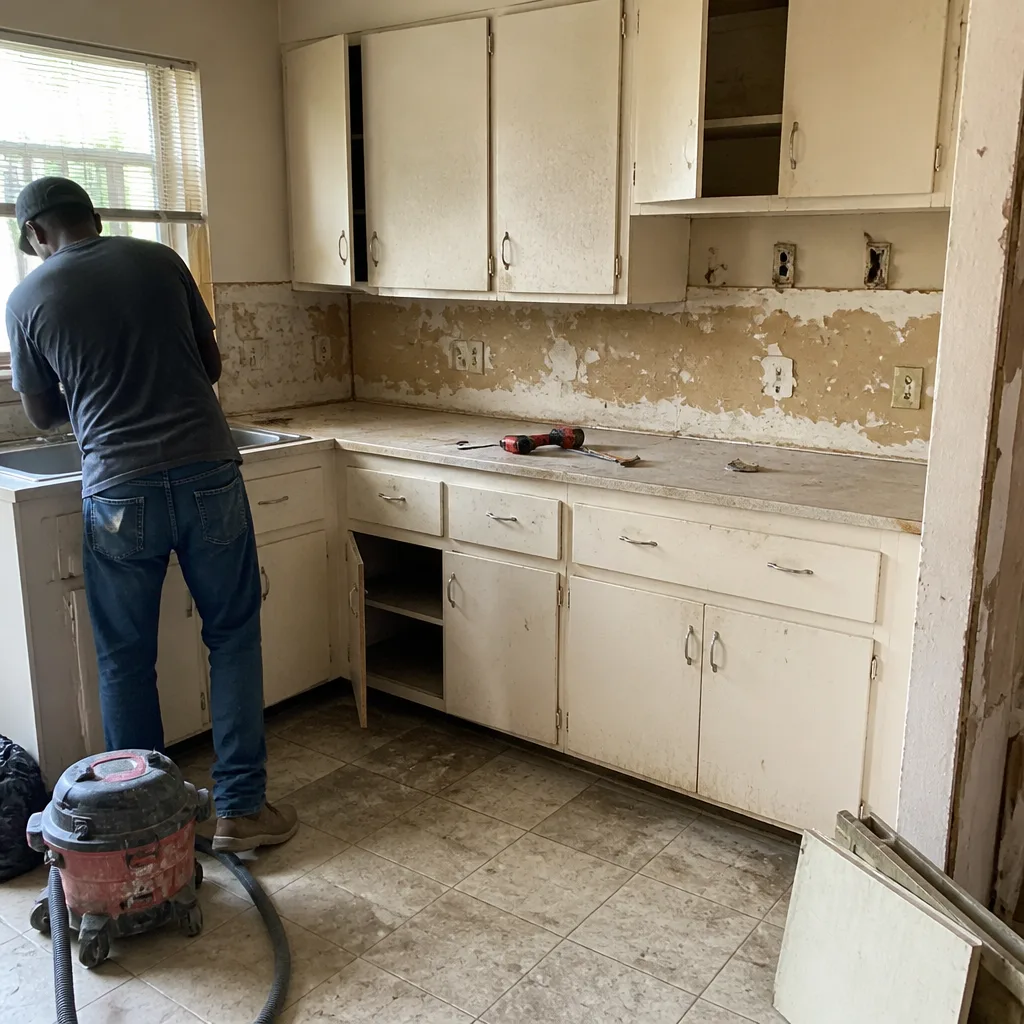 Before
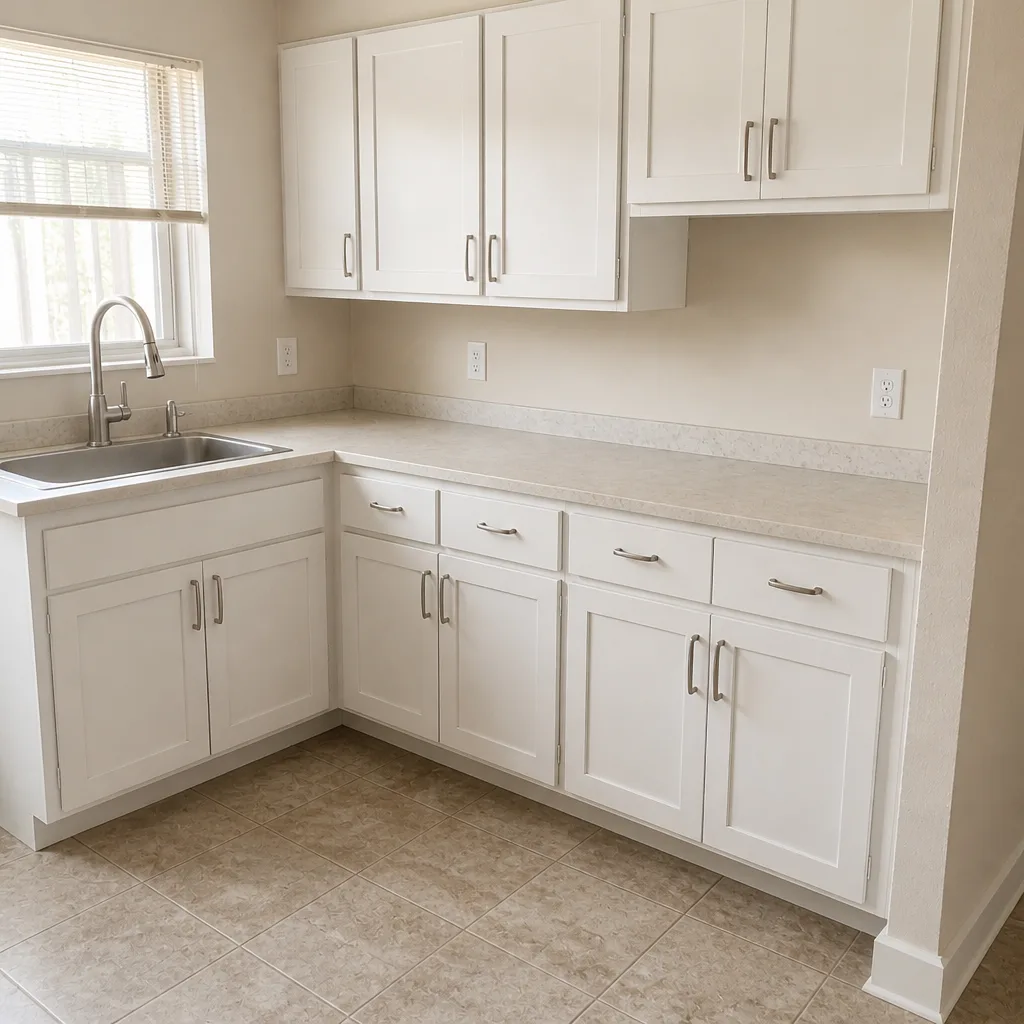 After
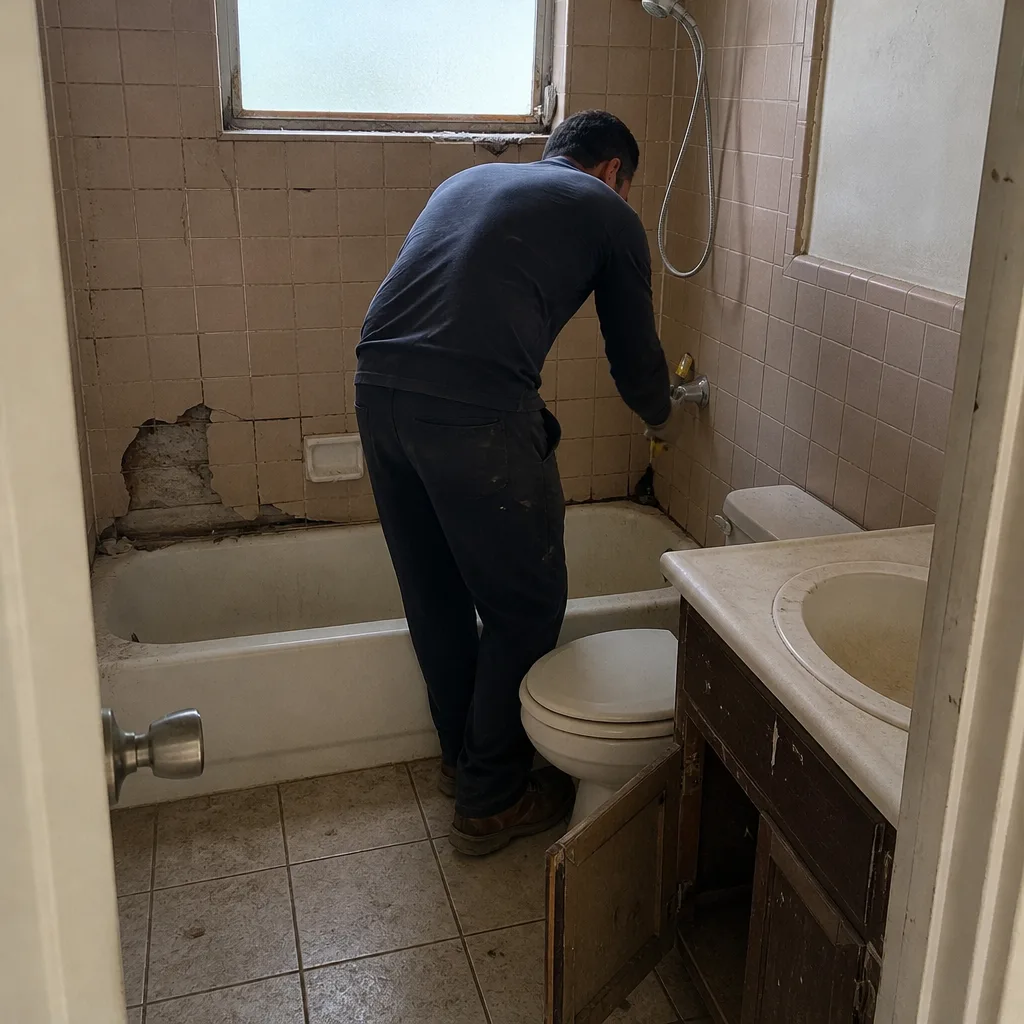 Before
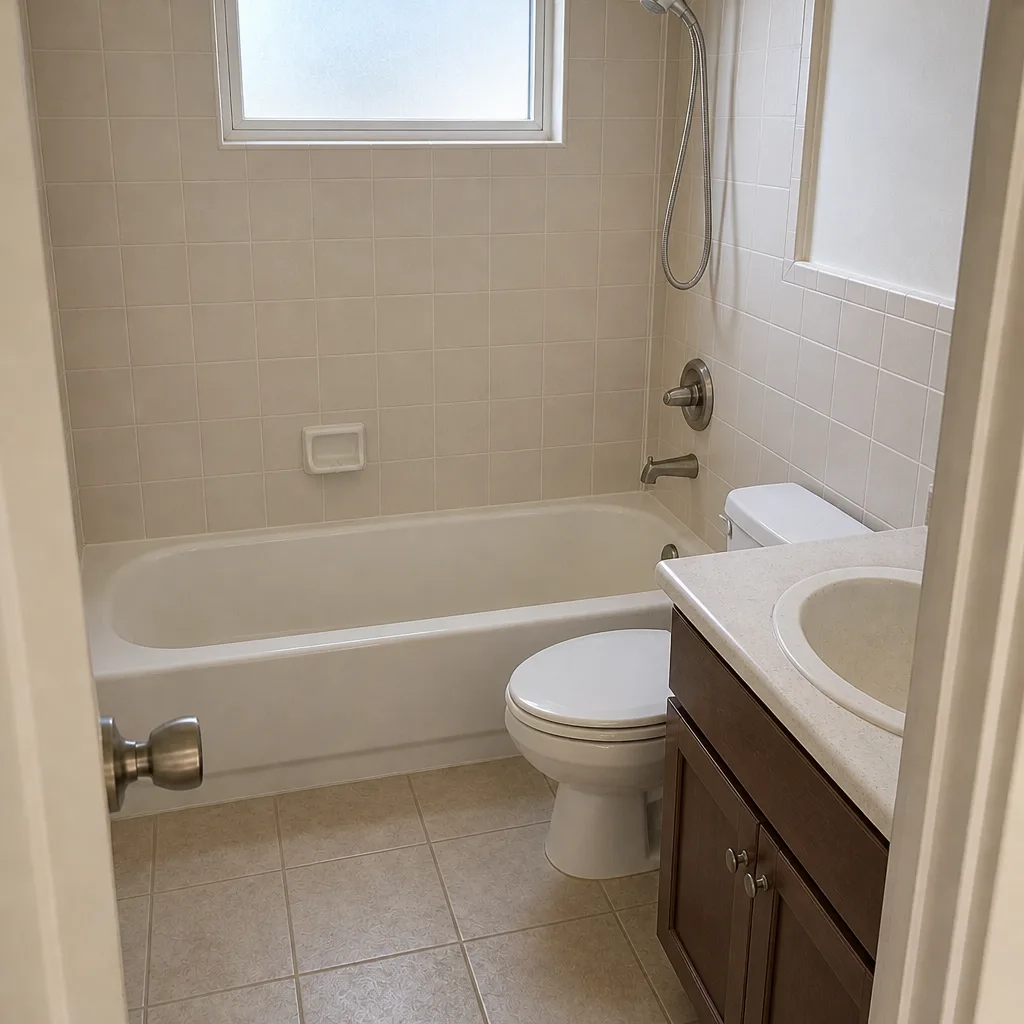 After
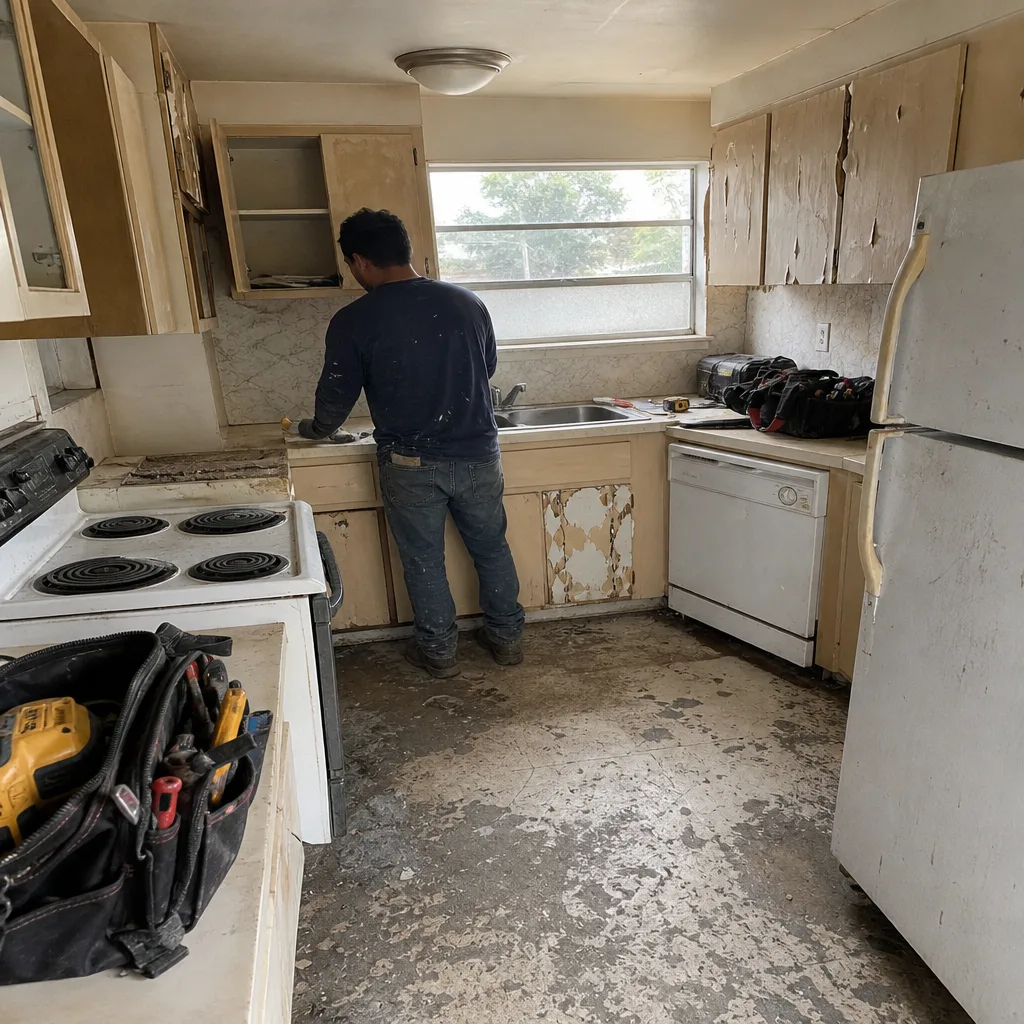 Before
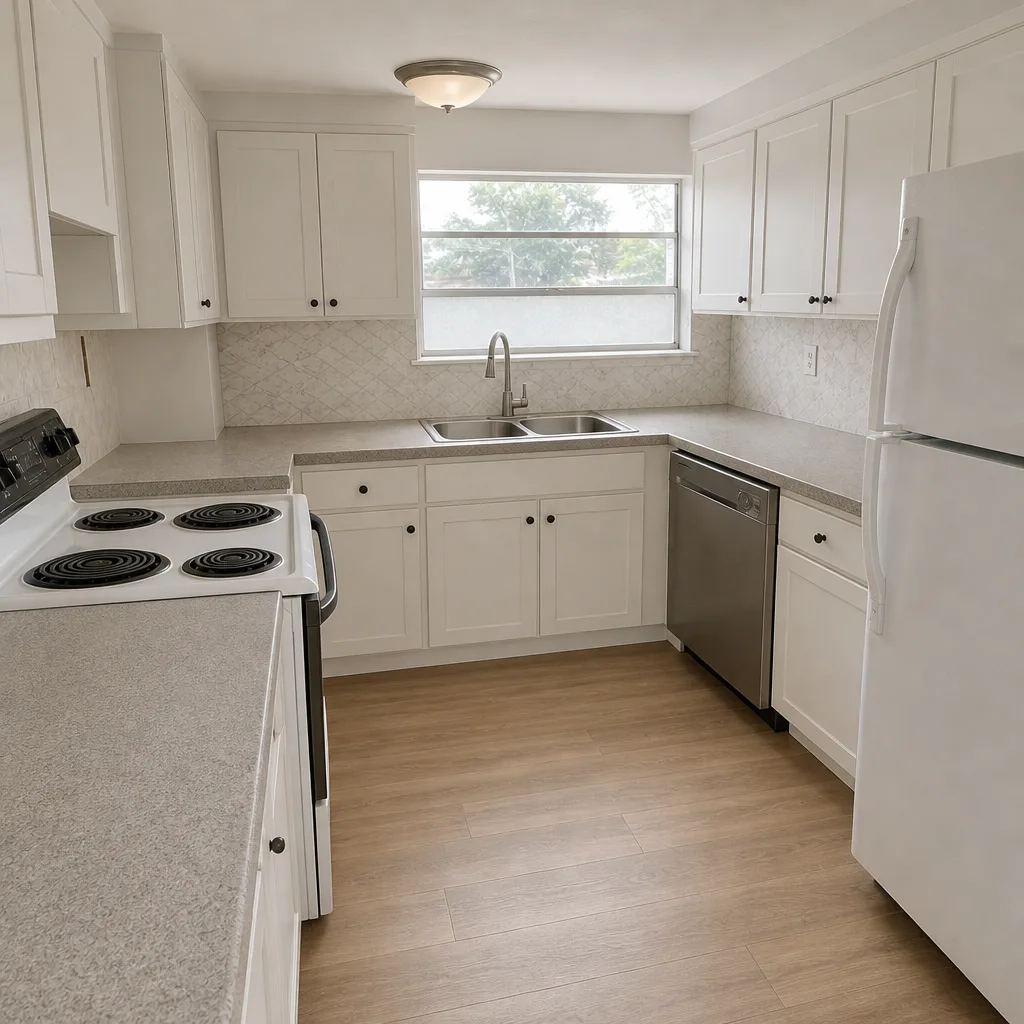 After
When to Call a Professional
Call a licensed contractor when the repair touches the frame, the glazing, or the anchoring hardware – anything that could affect the NOA – or when the symptom is water infiltration you can’t trace with the hose test to a single exterior location. Call when a lock won’t engage after the manufacturer’s adjustment points have been used, or when a door reveal is out of plumb by more than an eighth of an inch. Call anytime you’re dealing with a multi-point lock system that has been forced, or a window that has been drilled or modified by anyone previously. For impact windows and doors, we strongly recommend a licensed professional for any work beyond cleaning and lubrication. Rowan Construction Group Miami Gardens offers free estimates in Miami Gardens – call (844) 320-5198. We’ll bring a written scope, a documented photo record of the visit, and the manufacturer documentation for your product.
Frequently Asked Questions

A failed sealed unit on a standard fixed window typically runs in the mid-hundreds to replace the glass unit alone. A full window replacement is many times that cost. The repair cost differs by $400 to $1,200 between a condensation problem and a failed IGU, which is why the touch test and the time test come first. Call (844) 320-5198 for an exact quote – estimates are free.
Because the frame moved. Summer humidity swells the wood or vinyl in the frame and narrows the reveal between the door edge and the jamb. Planing the door takes the symptom away for a season and void the weather seal. The fix is a frame adjustment and a threshold re-set, which is a professional scope if the reveal is out of plumb by more than an eighth of an inch.
Yes, within the manufacturer’s designed adjustment points. Use the small adjustment screw on each lock point, turn in quarter-turn increments, and lubricate with a dry-film product, not WD-40. Any adjustment requiring drilling, filing, or removing a fastener is outside what you can do without voiding the NOA.
Run the hose test. If water appears at the baseboard after wetting the exterior sill, it’s a sill leak and a window and door scope. If water appears as a vertical streak from a corner or the head after wetting the top or sides, it’s a frame joint or flashing problem and a different trade. Photograph the interior wet spot and the exterior location that produced it.
Brass-plated finishes typically fail in two to four years on coastal blocks. Chrome-plated hardware runs three to five years. 304 stainless shows tea staining within a year or two near the Intracoastal. Marine-grade 316 stainless lasts a decade or more and is what we specify for homes east of the turnpike.
Yes. Every Rowan project gets a written scope and a written price before work begins, and repairs that touch the frame, glazing, or anchoring hardware are quoted against the product’s current NOA. Bring a competitor’s quote and we’ll review it line by line at no charge. Call (844) 320-5198 to schedule.
The Bottom Line
The core lesson of window and door troubleshooting in Miami Gardens is that the visible symptom is almost never the cause. A sticking door is a frame; a fogged glass is usually a failed seal and only sometimes a humidity problem; a leak is either a sill or a joint and the difference decides the trade; and a finish that flaked in three years was the wrong finish, not a bad brand. Diagnose by cause. Use the hose test and the reveal measurement. Keep marine-grade hardware on the coast. Don’t drill a frame. And for impact windows and doors, treat the NOA the way you treat the written price: as documentation worth producing before you sign. When the cause points to a repair you shouldn’t tackle, call (844) 320-5198 for a free estimate and a written scope. We’ll bring the photos.
Related reading from our team: Driveway & Pavers in Miami Gardens, Fence Installation in Miami Gardens, and Home Additions & ADU in Miami Gardens.
Written by the team at Rowan Construction Group Miami Gardens.