Last updated November 18, 2026


Free written scope consultation - allowances, timeline, and change-order rules on paper before a single trade is scheduled
The Complete Bathroom Remodeling Guide for Miami Gardens Homeowners
Most homeowners call a bathroom update “cosmetic.” Then the permit office tells them otherwise. In Miami-Dade, any bathroom remodel that moves a drain, adds a fixture, or alters electrical requires a building permit, which describes far more projects than people expect. That single fact reshapes the budget before a tile is chosen. This guide puts real numbers on a Miami Gardens bathroom remodel, explains the waterproofing standards that matter in South Florida humidity, names the materials we specify, and shows what the permitting and contractor-vetting process actually involves. By the end you’ll know what each scope tier costs and how to tell a careful bid from a cheap one.
Quick Answer
A bathroom remodel in Miami Gardens typically runs $3,000 – $8,000 for a cosmetic refresh, $12,000 – $22,000 for a mid-range remodel that keeps the existing layout, and $25,000 – $50,000 or more for a full gut with a layout change. The biggest cost drivers are whether plumbing moves, the waterproofing system you specify, and the gap between a low bid and a vetted contractor, which often lands between $8,000 and $15,000 on a mid-range project.
Styles & brands we work with
- Kitchen remodeling
- Bathroom remodeling
- Home additions & ADU
- Roofing
- Windows & doors
- Driveway & pavers
- Fence
Table of Contents
- What does a bathroom remodel cost in Miami Gardens?
- The three scope tiers and what drives each line item
- Miami-Dade waterproofing requirements for wet areas
- Materials we specify for South Florida humidity
- Permits and inspections: what Miami-Dade actually requires
- How to vet a bathroom contractor
- The remodel process, step by step
- Common mistakes to avoid
What does a bathroom remodel cost in Miami Gardens?
A bathroom remodel in Miami Gardens costs between $3,000 and $50,000-plus depending on scope, with most mid-range projects landing between $12,000 and $22,000. The range is wide because “remodel” covers everything from swapping a vanity to moving a wall and relocating the drain. Here is how the tiers break down so you can place your own project on the map.
| Scope tier | Typical range | What it includes |
|---|---|---|
| Cosmetic refresh | $3,000 – $8,000 | New fixtures, paint, accessories, no layout change |
| Mid-range remodel | $12,000 – $22,000 | New tile, vanity, tub/shower surround, retained layout |
| Full gut with layout change | $25,000 – $50,000+ | Moved plumbing, new drain locations, full waterproofing and tile |
The single biggest line-item driver is plumbing. The moment a drain moves or a fixture is added, you cross into permitted work, and the cost climbs because the rough plumbing has to be inspected before anything is closed up. Electrical changes carry the same weight. Tile selection is the second driver: a large-format porcelain sets you back more per square foot than a standard ceramic, but it also goes down faster and covers more wall with fewer grout lines to maintain in Miami Gardens humidity.
Vanity and fixture choices swing the number too. A stock vanity with an American Standard or Toto fixture runs far less than a custom cabinet with a stone top. If you’re weighing how far a bathroom remodel sits against other investments in your home, our Rowan Construction Group Miami Gardens home page lays out the full set of trades we handle, and it helps to see the bathroom in that larger context before you commit.
The three scope tiers and what drives each line item
Cosmetic refresh: $3,000 – $8,000
This tier keeps the plumbing and layout untouched. You’re replacing the vanity, faucet, toilet, light fixtures, mirror, and paint, and maybe regrouting existing tile. It’s the fastest tier and the one most people picture when they say “refresh.” The catch: if the existing shower pan is failing or the tile is lifting, a cosmetic job won’t fix a leak hiding behind the wall, and Miami Gardens’ humid summers make slow leaks in old shower assemblies common. Have the wet area checked before you spend a dollar on finishes.
Mid-range remodel: $12,000 – $22,000
Here the layout stays but the wet area gets rebuilt. New tile floor and walls, a new vanity, a new tub or shower surround, and fresh waterproofing behind everything. This tier is where the waterproofing specification matters most, because you’re opening walls and have one chance to do it right. It’s also where the low-bid versus vetted-contractor gap opens up. A bid that skips a proper membrane or uses cementboard alone can come in $8,000 – $15,000 under a fully specified job, and the difference shows up in water damage two summers later.
Full gut with layout change: $25,000 – $50,000+
Moving a drain, relocating the toilet, adding a second sink, or reconfiguring the room into a larger shower means rough plumbing, rough electrical, a waterproofing inspection, and a full tile job from scratch. This tier carries permits and multiple inspections, and the labor alone is substantial. The upper end reflects premium tile, custom cabinetry, and fixture lines like Toto’s higher-end toilets. If you’re also considering added square footage rather than reworking existing space, our guide to Home Additions & ADU in Miami Gardens covers how a bump-out or accessory unit changes the math entirely.
Miami-Dade waterproofing requirements for wet areas
South Florida’s humidity means a shower enclosure has to hold up against constant moisture, not occasional splashes. The waterproofing system behind your tile is more important than the tile itself. Two approaches dominate, and they are not equal.
The first is a surface-applied membrane: a liquid or sheet membrane rolled or bonded directly over cementboard or drywall in the wet area, creating a continuous waterproof layer right beneath the tile. Schluter Kerdi is the best-known system in this category, and Miami-Dade inspectors see it regularly because it meets the tile industry’s wet-area standards cleanly.
The second is cementboard plus a membrane: cement backer board fastened to the studs, with a waterproof membrane applied over the seams and fasteners. Done correctly, it works. Done lazily, with tape and thinset only at the seams and no continuous membrane, water finds the gaps between board and tub flange and wicks into the wall cavity. We’ve pulled out plenty of Miami Gardens shower walls where that shortcut was taken, and the mold is always in the same place: the bottom six inches behind the tile.
The relevant tile standards come from the Tile Council of North America. TCNA method numbers for wet-area walls and shower receptors (the methods covering bonded waterproof membranes over backer board) are what a careful installer specifies in the contract. Under Clause 1 of the Haven Standard, that specification is written before work starts, and the written price includes the membrane as a line item, not as an optional upgrade. Ask any contractor which TCNA method they’re using and watch whether they can name it.
Materials we specify for South Florida humidity
Miami Gardens sits in a climate that punishes the wrong material choices. We specify for moisture first and appearance second, because a beautiful bathroom that fails in three years isn’t a good bathroom. Here’s what we look for.
- Waterproofing: Schluter Kerdi or an equivalent bonded sheet or liquid membrane system across the entire wet area, carried up the walls and over the curb, not just at the seams.
- Tile: porcelain with a water absorption rating under 0.5%, which keeps it stable in a steamy bathroom and resistant to the freeze-thaw and moisture cycling that ceramic handles less gracefully. Large-format porcelain also means fewer grout lines to seal and clean in a humid climate.
- Non-wet-area walls: mold-resistant drywall such as USG Sheetrock Mold Tough (or equivalent) for the parts of the bathroom that aren’t directly in the shower, because ambient humidity in a Miami Gardens summer is enough to feed mold on standard paper-faced board.
- Fixtures: American Standard and Toto both make lines built for daily use with parts available locally, which matters when a cartridge needs replacing and you don’t want to wait on a special order.
A material specification sheet belongs in the contract, listing brand, product line, and where each goes. If a bid doesn’t name the membrane system and the tile absorption rating, it’s not a complete bid, it’s a guess. We put those specs on paper because you deserve to compare bids line by line, and our Free Second Opinion on any written estimate exists so you can bring a competitor’s quote and have it reviewed at no charge before you sign anything.
Permits and inspections: what Miami-Dade actually requires
A bathroom permit in Miami-Dade covers the work that touches the building’s systems: moving or adding plumbing, altering electrical, and in many cases the waterproofing and tile work that follows. The permit isn’t paperwork theater. It’s what generates the inspections that catch the failures you can’t see once the walls close.
A typical permitted bathroom remodel in Miami Gardens runs through these inspections in order:
- Rough plumbing inspection – drain and supply lines checked under pressure before the walls close.
- Rough electrical inspection – wiring, boxes, and GFCI protection checked before drywall.
- Waterproofing inspection – the membrane is checked, often including a flood test, before a single tile is set. This is the inspection that matters most in South Florida humidity.
- Final inspection – the completed work is verified against the approved plans.
Skipping the permit has real consequences. Unpermitted work can complicate a sale when a buyer’s inspector flags it, and it can affect insurance claims if water damage traces back to a shower that was never inspected. Insurers increasingly ask for proof that wet-area work was permitted, and a Miami Gardens home that can’t produce that record is harder to insure and harder to sell. Pulling the permit and passing the inspections is the cheapest insurance you’ll buy on the project.
How to vet a bathroom contractor
Bathroom remodels combine plumbing, electrical, and tile, and most contractors are strong in one and weak in another. Vetting comes down to documentation. Ask for these before you sign:
- Proof of plumbing and electrical subcontractor licenses. The general contractor’s license isn’t enough. The people touching your drain and your wiring need their own credentials, and a careful GC will produce them without being asked twice.
- A written waterproofing warranty separate from the general workmanship warranty. The membrane is the part that fails first, so it should be warranted on its own terms, in writing, with a named system behind it.
- A material specification sheet attached to the contract. Brand, product line, and placement for tile, membrane, drywall, and fixtures. If it isn’t in writing, it isn’t specified.
- A flat written price with a written scope. Not a range, not “call for a quote.” A number you can screenshot and compare.
- A change-order policy in writing. Name-brand discipline: no work proceeds on a change until the change order is signed. That’s what keeps projects within a few percent of the agreed price instead of drifting.
Our technicians have up to 19 years of experience, and every crew member is background-checked before they arrive. The 365-Day Done Right Promise backs the work: if it isn’t done right, we make it right, and that’s printed on every page rather than buried in an asterisk. For homeowners comparing us to a competitor, the Free Second Opinion is the fastest way to see the difference between a complete bid and a thin one.
The remodel process, step by step
A well-run bathroom remodel follows a predictable sequence, and knowing it helps you spot a crew that’s skipping steps. In our experience the projects that go smoothly are the ones where each stage is inspected and signed off before the next begins.
- Free estimate and written scope. We walk the bathroom, identify what’s behind the walls, and deliver a flat written price with a line-item scope before any work starts.
- Permit application. We pull the Miami-Dade permit and confirm which inspections the job requires.
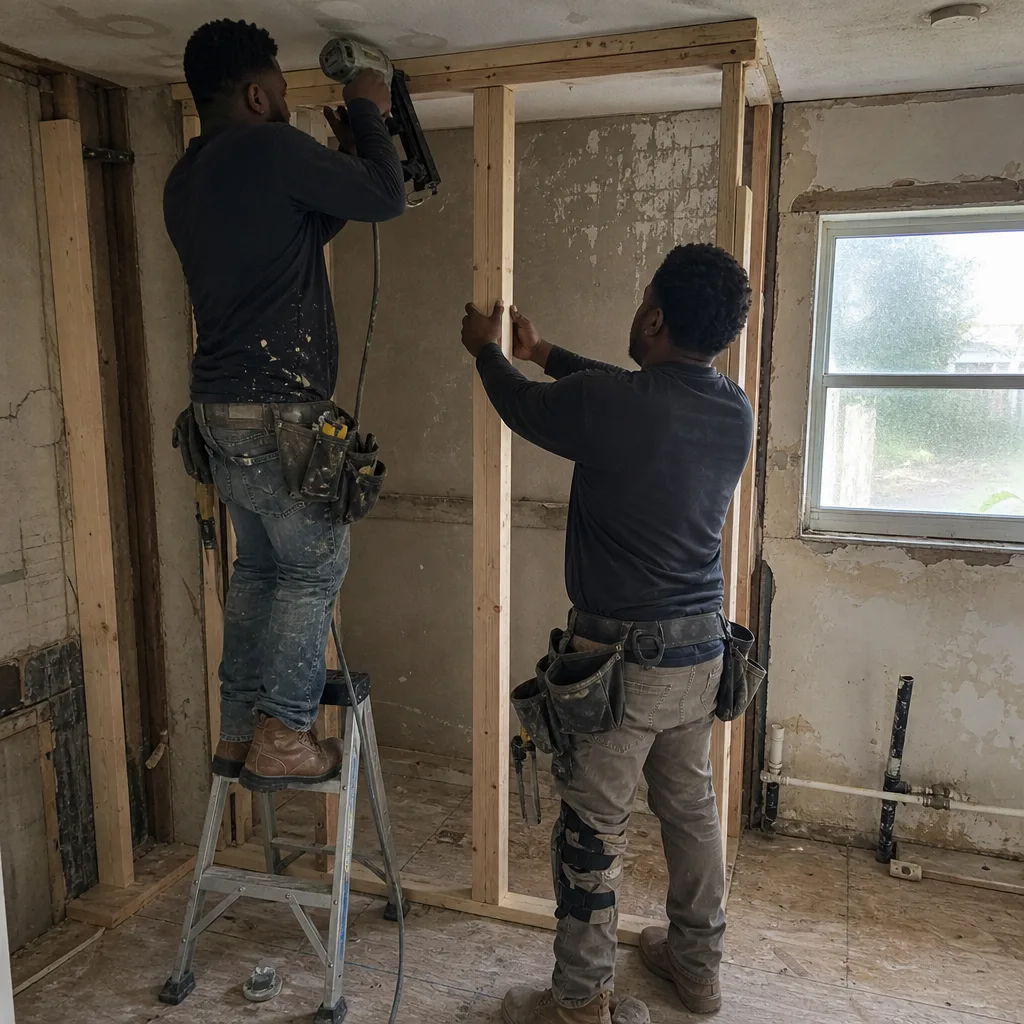
- Demo. Existing tile, fixtures, and drywall come out. The photo record begins here, documenting what we found behind the wall.
- Rough plumbing and electrical. Lines are run and inspected before anything closes up.
- Waterproofing. The membrane goes down over cementboard or as a bonded surface system, then passes the waterproofing inspection. No tile goes up until this is signed off.
- Tile and finishes. Floor, walls, and shower tile installed to the specified TCNA method, then grout and sealant.
- Fixtures and final. Vanity, toilet, faucets, lights, and mirror go in, and the final inspection closes the permit.
- Walkthrough and photo record. You receive the documented photo record of the whole job, so you have evidence of what was found and what was done.
That photo record is included as standard, not as an upgrade. It’s the kind of documentation that helps if you ever sell the home or need to show an insurer what was done.
Common Mistakes to Avoid
- Skipping the permit because the work “looks cosmetic.” The moment a drain moves or a fixture is added, it’s permitted work, and unpermitted wet-area remodels create resale and insurance headaches that dwarf the permit fee.
- Trusting cementboard alone as waterproofing. Cementboard is water-tolerant, not water-proof, and Miami Gardens humidity exploits the gap. Specify a continuous membrane over it.
- Choosing tile by looks without checking water absorption. A tile above 0.5% absorption in a steamy shower is a poor bet. Ask for the spec sheet.
- Accepting a low bid with no named membrane system. That $8,000 – $15,000 gap between a low bid and a vetted bid usually comes out of the waterproofing and the subcontracted trades, which is exactly where failure lives.
- Not getting a separate waterproofing warranty. A general workmanship warranty can leave you arguing about what “workmanship” means. The membrane needs its own written guarantee.
- Letting work continue on a verbal change. Unsigned changes are how budgets drift. No work proceeds on a change until the change order is signed.
- Hiring a crew with no verifiable credentials. Ask for the plumber’s and electrician’s licenses by number, and confirm every crew member is background-checked before they arrive at your door.
See the difference
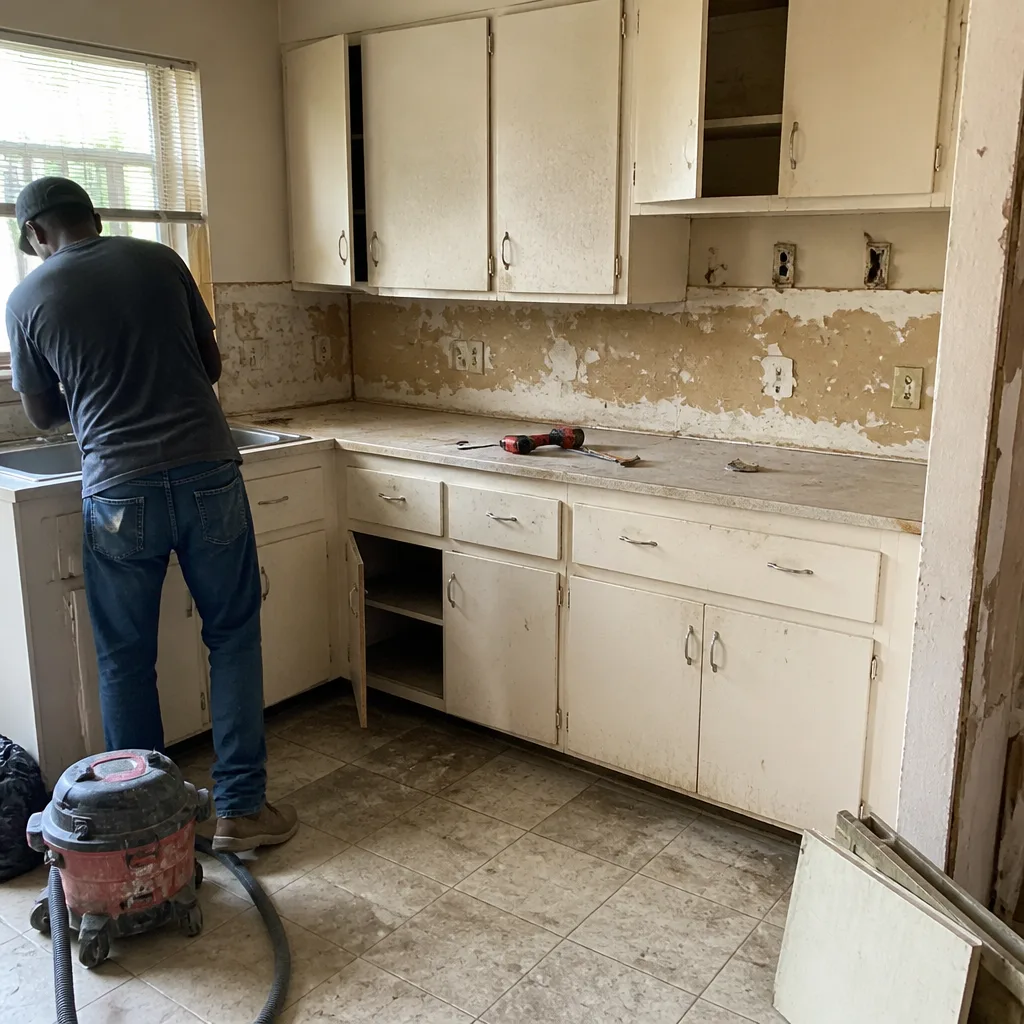 Before
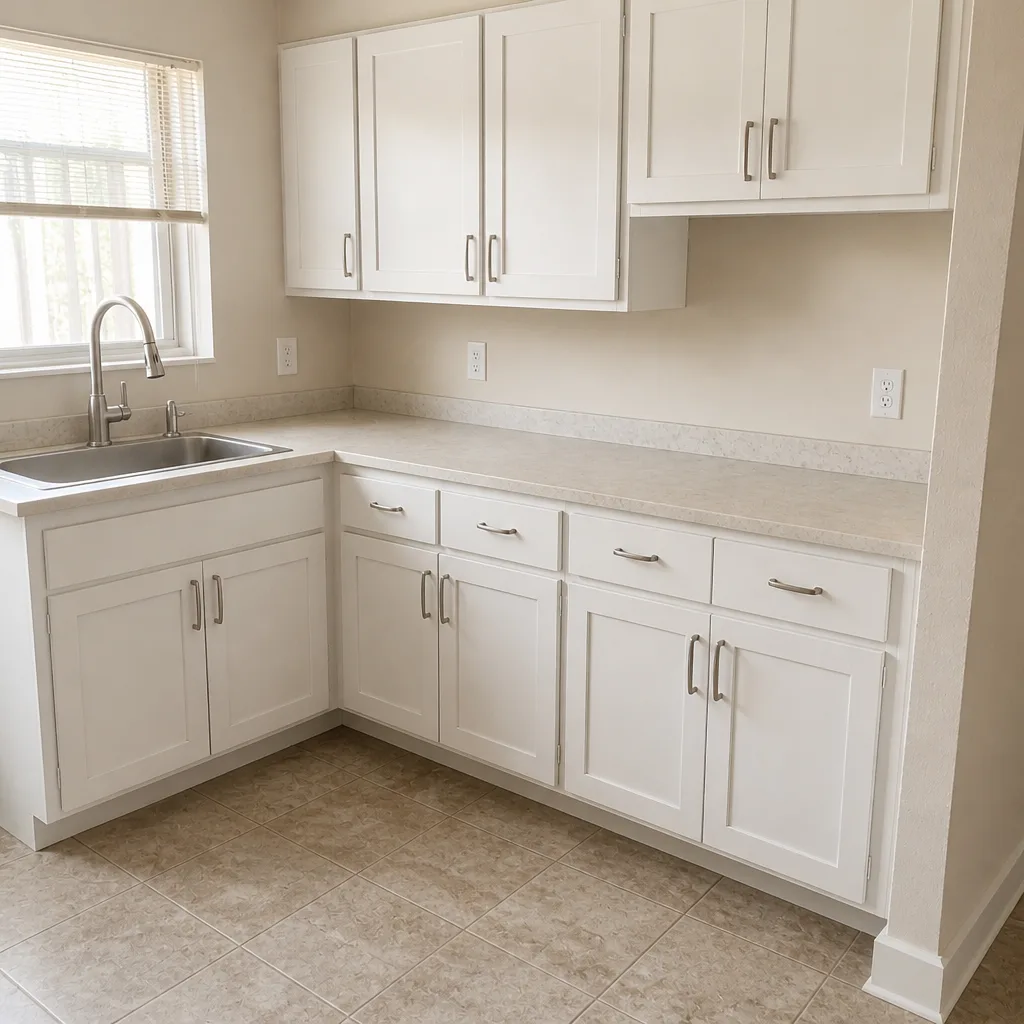 After
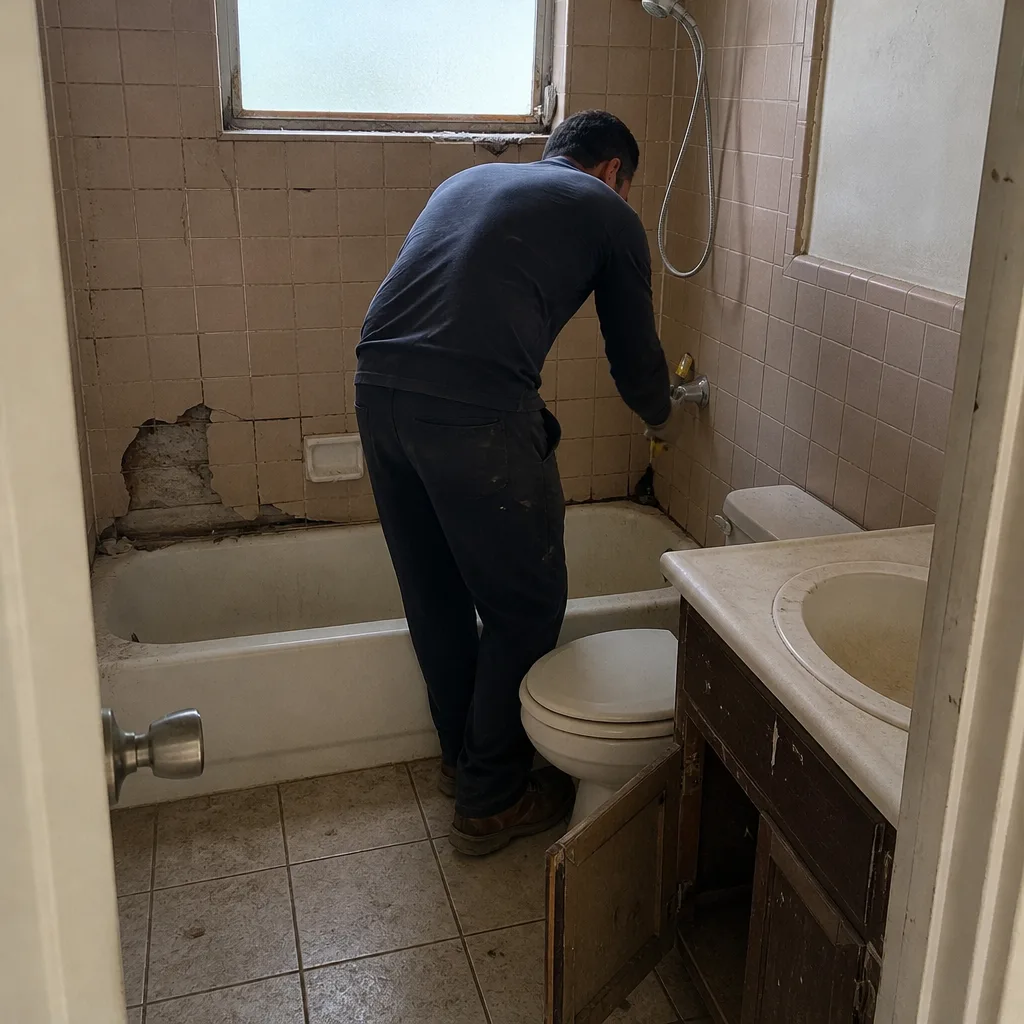 Before
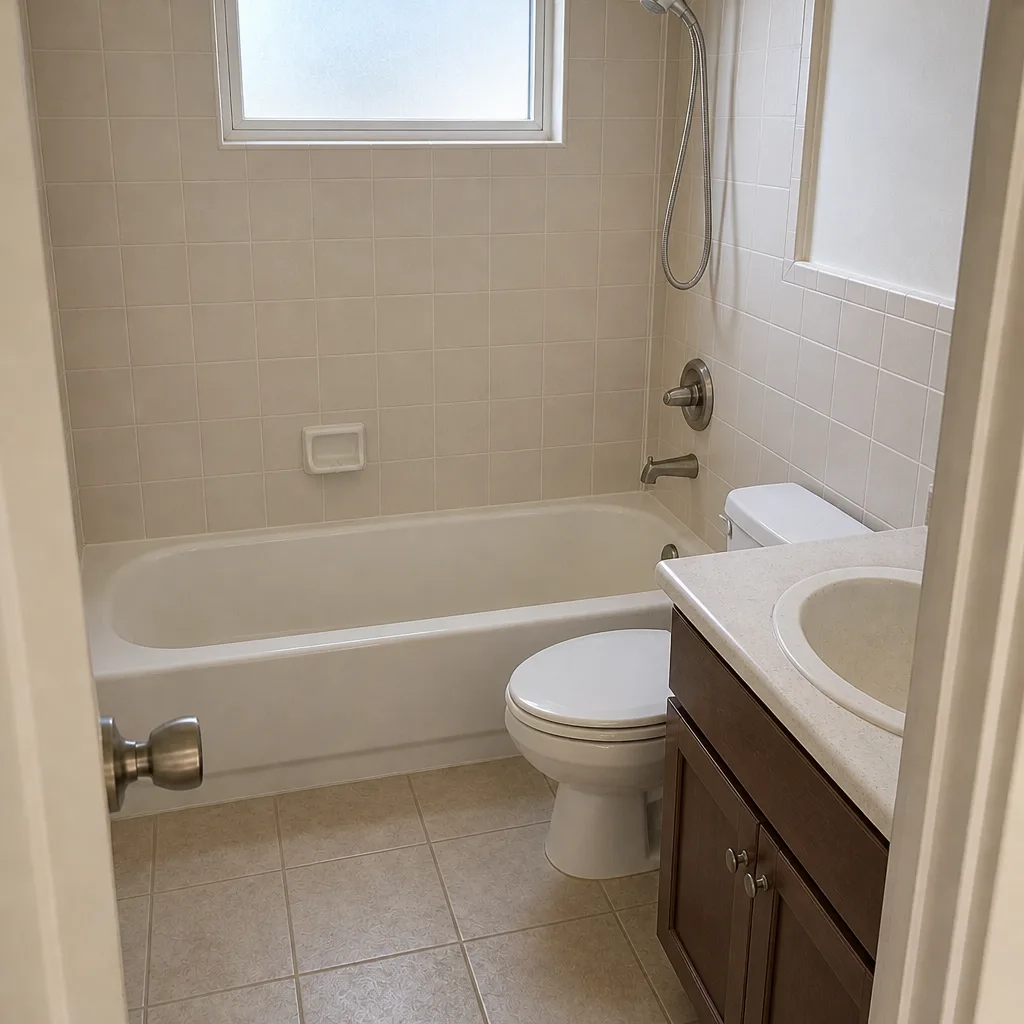 After
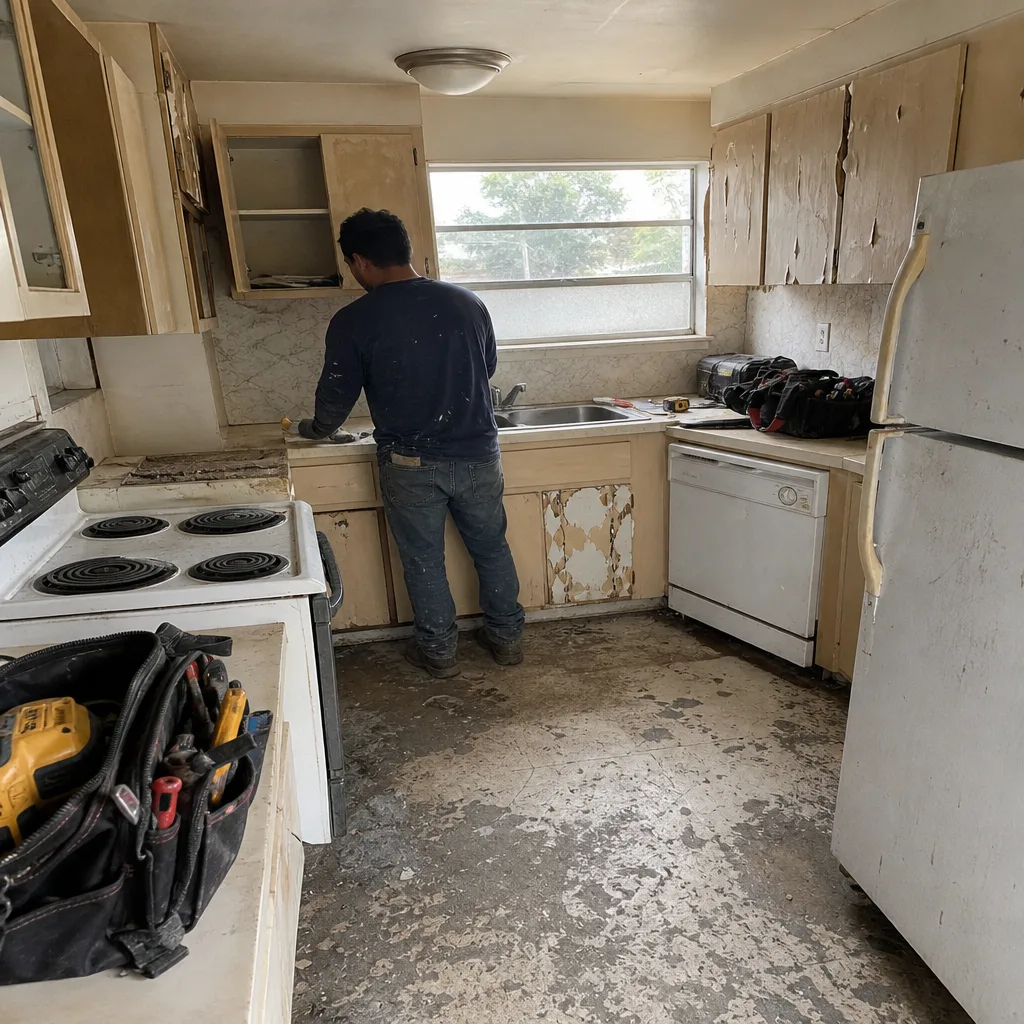 Before
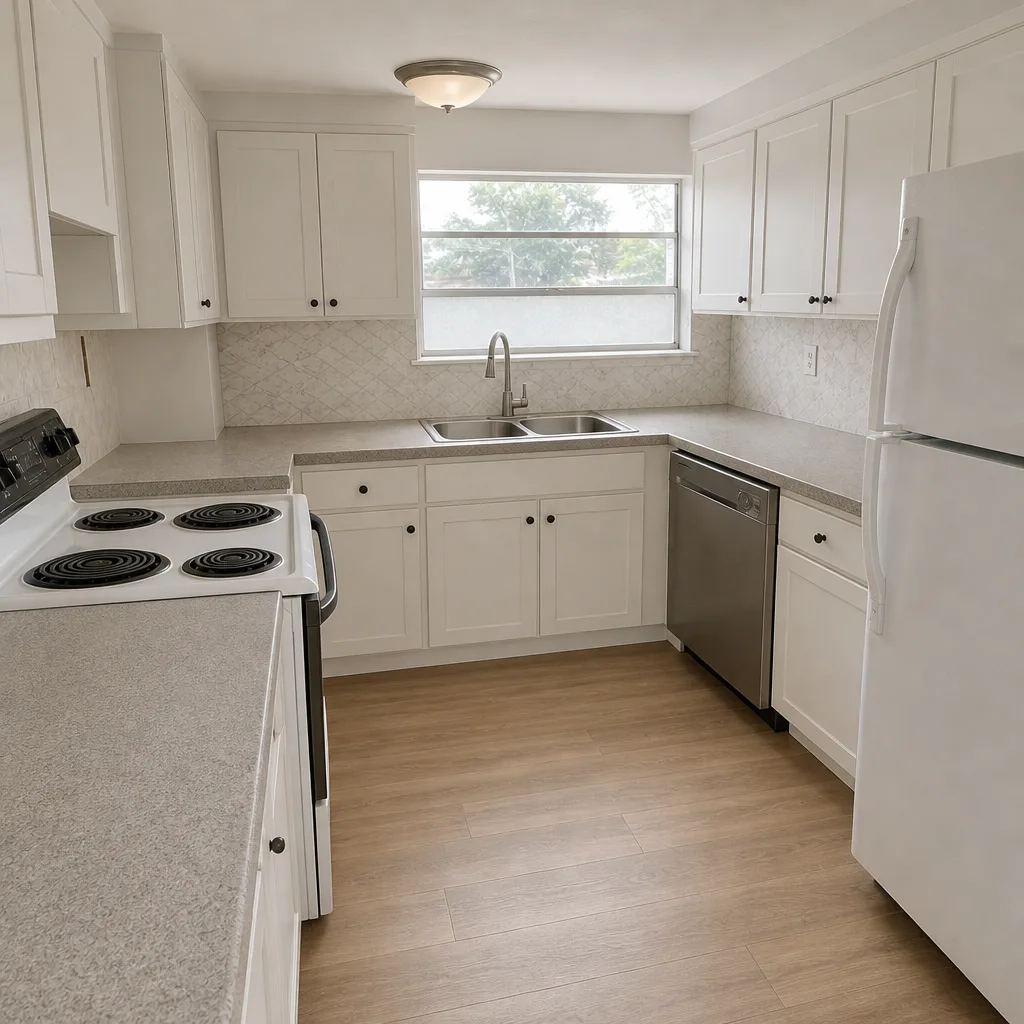 After
When to Call a Professional
Some projects genuinely need a pro and some don’t, and knowing the line saves you money. Call a professional when the drain or supply lines need to move, when you’re adding a fixture or a circuit, when the shower pan or wall behind the tile shows any sign of moisture, or when the existing waterproofing was never done to a named standard. Those jobs involve permits, inspections, and health-risking water damage if done wrong. A simple vanity swap or a faucet replacement you can handle yourself. Rowan Construction Group Miami Gardens offers free estimates in Miami Gardens, with a written price before any work starts and no pressure to commit. Call (844) 320-5198 to schedule yours. And if a bathroom remodel is part of a larger project that includes fencing or a new driveway, we handle those trades too, so see our work on Fence Installation in Miami Gardens and Driveway & Pavers in Miami Gardens to plan the full scope.
Frequently Asked Questions
Yes, if the work moves a drain, adds a fixture, or alters electrical, which describes most bathroom remodels. Miami-Dade requires the permit and the resulting inspections, including a waterproofing inspection before tile goes up. Call (844) 320-5198 for a free estimate, and we’ll tell you exactly which permits your project needs.
A cosmetic refresh runs $3,000 – $8,000, a mid-range remodel $12,000 – $22,000, and a full gut with a layout change $25,000 – $50,000 or more. The biggest drivers are whether plumbing moves and which waterproofing system you specify. Call (844) 320-5198 for an exact quote, with estimates free.
A surface membrane is a continuous waterproof layer bonded directly under the tile, while cementboard-plus-membrane relies on backer board with membrane over the seams. The surface system leaves fewer places for water to find a gap, which matters in South Florida humidity, and Miami-Dade inspectors see both. Ask any contractor which TCNA method they use.
Not without a signed change order. We deliver a flat written price with a written scope before any work begins, and no work proceeds on a change until the change order is signed. That discipline is why our projects finish within a few percent of the agreed number. Call (844) 320-5198 for your written price.
A cosmetic refresh can finish in about a week, a mid-range remodel in two to four weeks, and a full gut with a layout change in four to eight weeks once permits are approved. Permit review time in Miami-Dade adds to the schedule, so plan for it. Call (844) 320-5198 and we’ll give you a written timeline with your estimate.
Yes. Unpermitted wet-area work can stall a sale when a buyer’s inspector flags it and can complicate insurance claims if water damage traces back to a shower that was never inspected. Pulling the permit and passing inspections is worth far more than it costs. Call (844) 320-5198 to talk through your project.
The Bottom Line
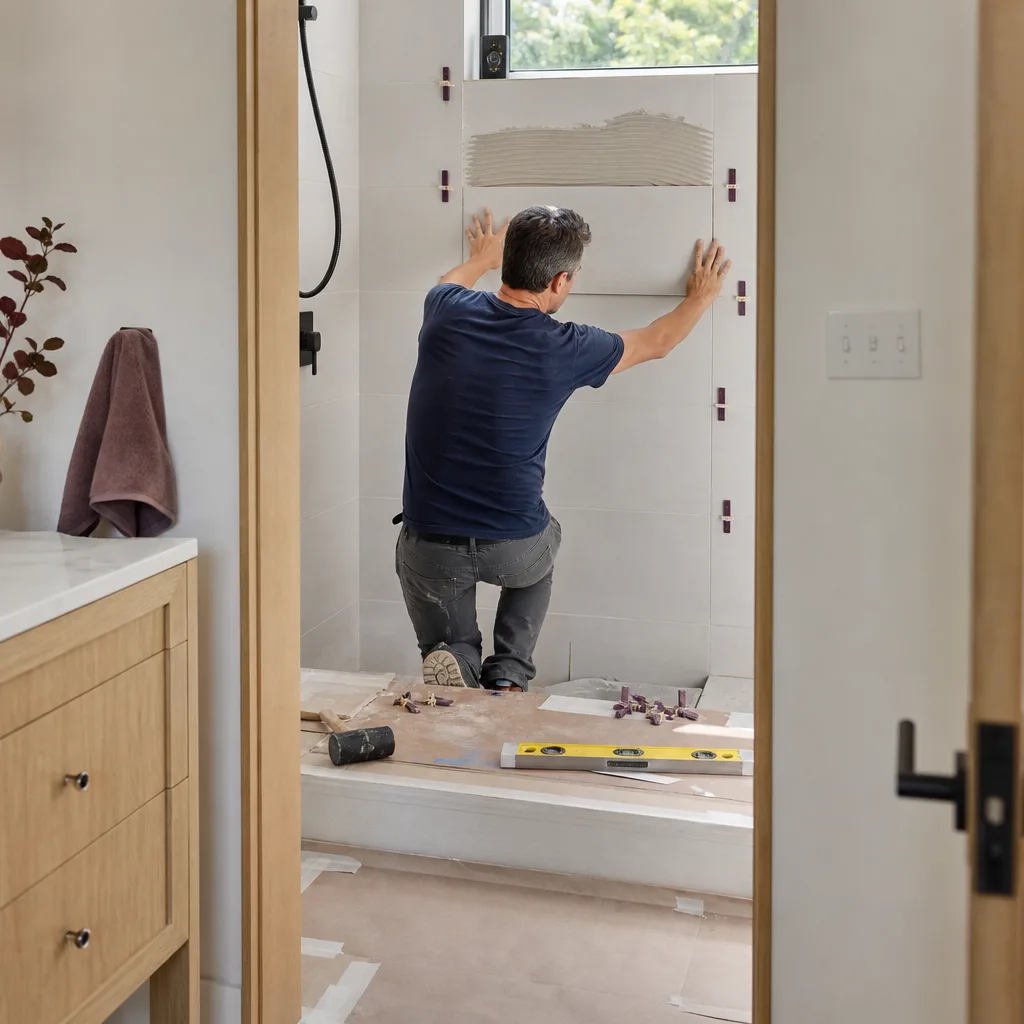
A bathroom remodel in Miami Gardens is a waterproofing project wrapped in a design decision, and the numbers follow from that. Know your tier: $3,000 – $8,000 for a refresh, $12,000 – $22,000 for a mid-range remodel, and $25,000-plus for a layout change. Specify the membrane system and tile absorption rating by name, put the material spec sheet in the contract, and pull the permit. The gap between a cheap bid and a vetted one is real, usually $8,000 to $15,000, and it almost always comes out of the parts you can’t see. Get the written price before anyone picks up a tool.
Ready to price your bathroom remodel? Call Rowan Construction Group Miami Gardens at (844) 320-5198 for a free estimate with a written flat price, a written scope, and the documentation you need to compare bids line by line. We answer calls with a live person, and we’ll review any competitor’s estimate at no charge if you bring it with you.
Written by the team at Rowan Construction Group Miami Gardens.