Last updated November 18, 2026


Free written scope consultation - allowances, timeline, and change-order rules on paper before a single trade is scheduled
Construction Emergency Preparedness Guide for Miami Gardens Homes
After Hurricane Irma, the average Miami-Dade homeowner waited 47 days for a first insurance inspection. Homeowners who had pre-event photo documentation and a current replacement cost appraisal received a first payment in 18 days on average, according to Florida Office of Insurance Regulation settlement data. That 29-day gap is not luck. It is paperwork built before the storm. This guide covers the documentation file every Miami Gardens home needs, the five structural weak points in Miami Gardens housing stock, a time-marked storm triage sequence, and the fraud traps that open up after a South Florida storm. You’ll leave knowing what to photograph, what to write down, and what to never sign.
Quick Answer
Construction emergency preparedness for a Miami Gardens home means building a dated, cloud-stored photo record of every exterior elevation, roof surface, and mechanical system before anything breaks, paired with a current replacement cost appraisal and a written storm triage plan. That paper trail is what shortens an insurance payout from weeks to days after a storm, flood, or fire. It is documentation, not a hurricane checklist.
Styles & brands we work with
- Kitchen remodeling
- Bathroom remodeling
- Home additions & ADU
- Roofing
- Windows & doors
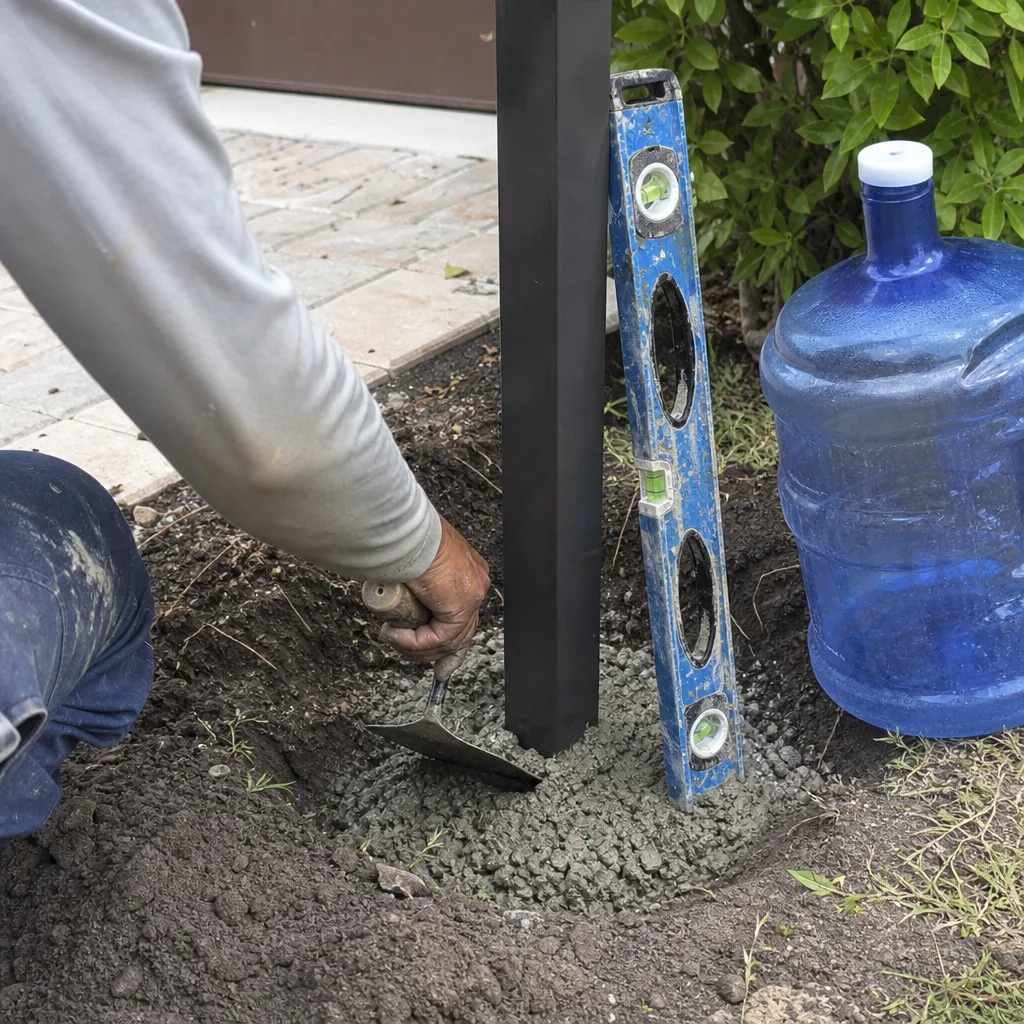
- Driveway & pavers
- Fence
Table of Contents
- How to Build a Pre-Event Construction Documentation File
- The Five Structural Vulnerabilities in Miami Gardens Housing Stock
- The Storm-Approach Triage Sequence, With Time Markers
- What a Florida Notice of Loss Requires
- Emergency Contractor Fraud Patterns in South Florida
- How to Verify a Contractor’s License in Under Three Minutes
- Emergency Reinforcement: What’s Feasible and Permitted
- Common Mistakes to Avoid
How to Build a Pre-Event Construction Documentation File
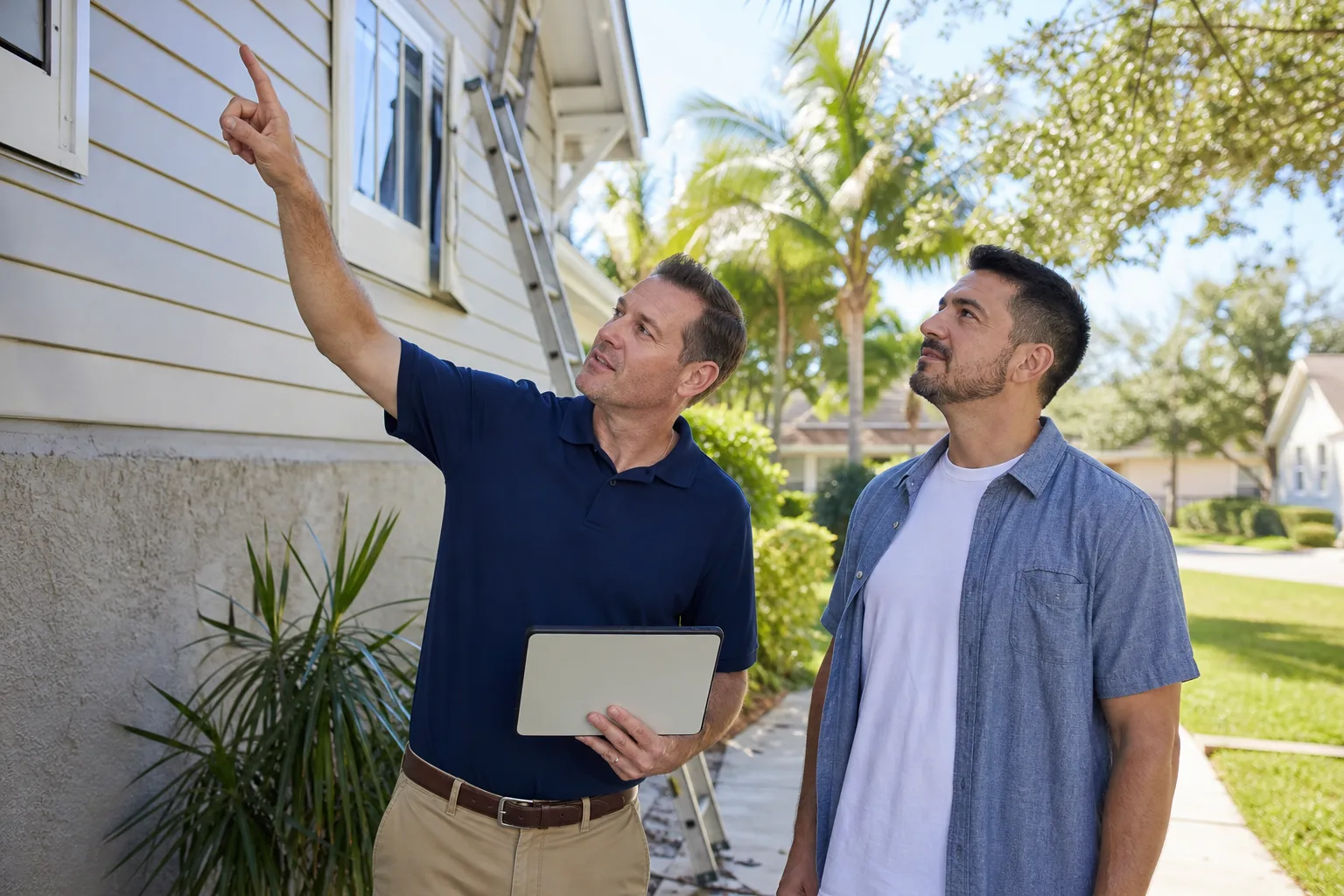
A documentation file is the single highest-value thing you can build for a Miami Gardens home, and it costs a weekend and a phone. The idea is simple: when an adjuster opens your claim, they need to see what the structure looked like before damage. If you can hand them dated, labeled photographs, the conversation shifts from “prove it was like that” to “here’s the number.”
Here’s the sequence we recommend, in order:
- Every exterior elevation. Four sides, shot straight on, in daylight, at a distance that captures the full wall. Then a second pass standing closer, capturing the weep screed at the base and the soffit line at the top. Name each file with the elevation and date: north-elevation-2026-03-14.jpg.
- Roof surface. If you can safely see the roof from a window or the ground with a zoom lens, do that. Never walk a roof to photograph it. Capture the field shingles or membrane, every penetration (vents, stacks, skylights), the drip edge, and any existing patch.
- Mechanical systems. The air handler, condenser, water heater, and electrical panel. Open the panel door only if you know how, and photograph the breakers with the panel schedule visible.
- Interior rooms. One wide shot and one close shot per room. Focus on ceilings (water stains), floors, and any wall with a window or door penetration.
- Store it off-site. Cloud storage, not a phone camera roll that lives in the house. File names keyed to building component and date, so the adjuster can sort them.
Pair the photos with a current replacement cost appraisal. An appraisal from 2019 will not reflect what a Miami Gardens rebuild costs today, and Florida insurers settle on replacement cost. Our crews photograph every visit as standard, which means the record grows each time we’re on site. If you want a baseline walkthrough, our Rowan Construction Group Miami Gardens home page explains how the documented photo record works.
The Five Structural Vulnerabilities in Miami Gardens Housing Stock
Miami Gardens was built out heavily between the late 1960s and the 1980s, and that construction era shows up in five places when a storm hits. Knowing which ones apply to your house tells you where to spend preparedness money.
- Concrete block (CBS) construction from that era. Strong in compression, but the roof-to-wall connection is where the load transfers, and those connections were built to older code.
- Single-wythe block walls. One block thick, with no cavity. Water that gets past the exterior coating goes straight to the interior face, which is why you see interior efflorescence (white mineral staining) on older Miami Gardens walls after a driving rain.
- Pre-2002 roof-to-wall connections. The Florida Building Code tightened these in 2002 and again after 2004. A pre-2002 Miami Gardens roof is tied down differently than a newer one, and hurricane straps may be absent or under-fastened.
- Aluminum jalousie windows. Common in mid-century Miami Gardens homes. The glass louvers and light frames are the first thing to fail under wind-driven debris, and they are usually the entry point for water.
- Flat membrane roofs. Many Miami Gardens additions and carports have low-slope membrane roofs. The membrane seams and the perimeter termination are the vulnerable points, not the field.
In our experience across Miami Gardens, the pre-2002 roof connection and the jalousie windows account for the majority of wind-related interior water damage we see, not the block walls themselves. The block holds. The openings fail.
The Storm-Approach Triage Sequence, With Time Markers
A triage sequence turns a panicked 48 hours into a rehearsed checklist. Here’s the sequence we hand homeowners, timed to landfall.
72 Hours Out
- Install shutters or impact panels on every opening. If you’re using plywood, pre-cut and label the panels now, not the morning of.
- Review your documentation file. Confirm the photos are current and the cloud backup is accessible from a phone that leaves with you.
- Charge every device and photograph your full exterior one more time before shutters go up, so the pre-storm condition is fresh.
24 Hours Out
- Verify utility shutoffs. Know where the water main, the gas valve (if you have gas), and the main breaker are, and confirm they turn freely.
- Final exterior check. Move anything that can become a projectile, clear the gutters, and confirm the roof is clear of loose material.
Post-Storm
- Photograph damage before you tarp, move, or remove anything. Wide shot first (whole room, whole elevation), then close shot of each damaged area, then a shot with a tape measure or a common object for scale.
- Keep damaged material in place until the adjuster sees it. This is the point most homeowners get wrong.
What a Florida Notice of Loss Requires
Florida law requires you to report a claim promptly, and most policies set a 72-hour reporting window from the time you discover damage. Miss it and the insurer can complicate the claim. Report even if you’re unsure of the total; you can supplement later.
What to photograph, in this order:
- Establishing shots of the whole structure and the whole room, so the adjuster has context.
- Mid-range shots of each damaged area, showing the extent.
- Close-ups of the specific failure: the lifted shingle, the water stain, the cracked window frame.
- Scale shots with a tape measure or a shoe in frame.
Then the biggest self-inflicted mistake in Florida claims: removing damaged material before the adjuster visits. Homeowners tear out wet drywall and haul off ruined flooring to “get a head start,” and the adjuster arrives to a clean room with no evidence. The claim gets reduced or denied. Leave the damage in place. Tarps and temporary weatherproofing are fine; demolition is not. If you need emergency weatherproofing, our Home Additions & ADU in Miami Gardens team can document the condition before and after any temporary repair.
Emergency Contractor Fraud Patterns in South Florida
Post-storm fraud is predictable, and it follows the same three patterns every time in South Florida.
- Assignment of Benefits (AOB) solicitation. A contractor asks you to sign over your insurance benefits so they can “deal with the insurer for you.” This hands your claim to a third party, and the consequences range from inflated invoices to litigation in your name. Don’t sign an AOB.
- Unlicensed storm chasers. Out-of-state crews arrive after a storm, offer quick repairs, collect a deposit, and leave. No license, no insurance, no recourse.
- Deposit-first pressure. A large cash deposit before any work, with no written scope or price. Under our standard, no work proceeds on a change until the change order is signed, and the written price comes before anyone picks up a tool. That discipline is the benchmark to hold any contractor to.
If a contractor won’t put the price in writing before starting, that’s your answer. Walk away.
How to Verify a Contractor’s License in Under Three Minutes
Florida makes this easy if you know where to look. The Department of Business and Professional Regulation (DBPR) runs a public license lookup that works on a phone.
- Go to the DBPR license search on your phone’s browser.
- Search by the contractor’s name or license number. Ask for the number; a legitimate contractor produces it without hesitation.
- Confirm three things: the license is active, the license type matches the work (roofing, general, etc.), and the name matches the person or company quoting you.
- Screenshot the result. Keep it with your documentation file.
This takes under three minutes and screens out most storm chasers. Do it before any deposit changes hands, every time, even for a small repair. Our own crews are background-checked, and we recommend the same standard for anyone you hire. If you’re comparing quotes, our free second opinion reviews a competitor’s written estimate line by line at no charge.
Emergency Reinforcement: What’s Feasible and Permitted
Emergency reinforcement has limits, and honesty about them matters more than a dramatic checklist. Some reinforcement is feasible on short notice; some requires permits and time you don’t have 48 hours before landfall.
Feasible in a weekend: Shutter and impact panel installation, sealing window and door penetrations, securing roof-mounted equipment, and clearing drainage. These are the highest-value moves and don’t require a permit.
Permitted work, planned ahead: Roof-to-wall connection upgrades (hurricane straps and clips), impact window replacement, and membrane roof repairs. These require permits and inspections, and they need to be scheduled months before hurricane season, not during a watch. If your Miami Gardens home has a pre-2002 roof, this is the work worth planning in the off-season. Our Driveway & Pavers in Miami Gardens and Fence Installation in Miami Gardens pages cover the exterior work that pairs well with a reinforcement plan, and products like Belgard and Unilock pavers or Bufftech fencing hold up better than the builder-grade alternatives when debris hits.
Not feasible during a watch: Structural modifications, wall reinforcement, and anything requiring an inspection. Don’t let anyone tell you otherwise.
Common Mistakes to Avoid
- Photographing after cleanup. Two sentences: Once you’ve hauled the wet drywall out, you’ve destroyed the evidence the adjuster needs. Shoot first, every time.
- Skipping the replacement cost appraisal. An outdated appraisal undersells the rebuild. Florida settles on replacement cost, so a stale number costs you real money in Miami Gardens.
- Storing the documentation only on a phone. The phone may be lost or dead after a storm. Cloud storage with dated file names is the only reliable option.
- Signing an AOB. Handing your benefits to a contractor transfers control of your claim. Don’t sign one, no matter how helpful the offer sounds.
- Paying a deposit with no written scope. A deposit without a written price and scope is a gamble. Require the number in writing before any money moves.
- Ignoring the jalousie windows. In Miami Gardens, aluminum jalousie windows are the most common wind entry point, and they’re often left unprotected because they “look sealed.” Shutter them anyway.
- Doing your own roof inspection. Walking a roof to check for damage is how homeowners get hurt. Photograph from the ground with a zoom lens and leave the roof to a professional.
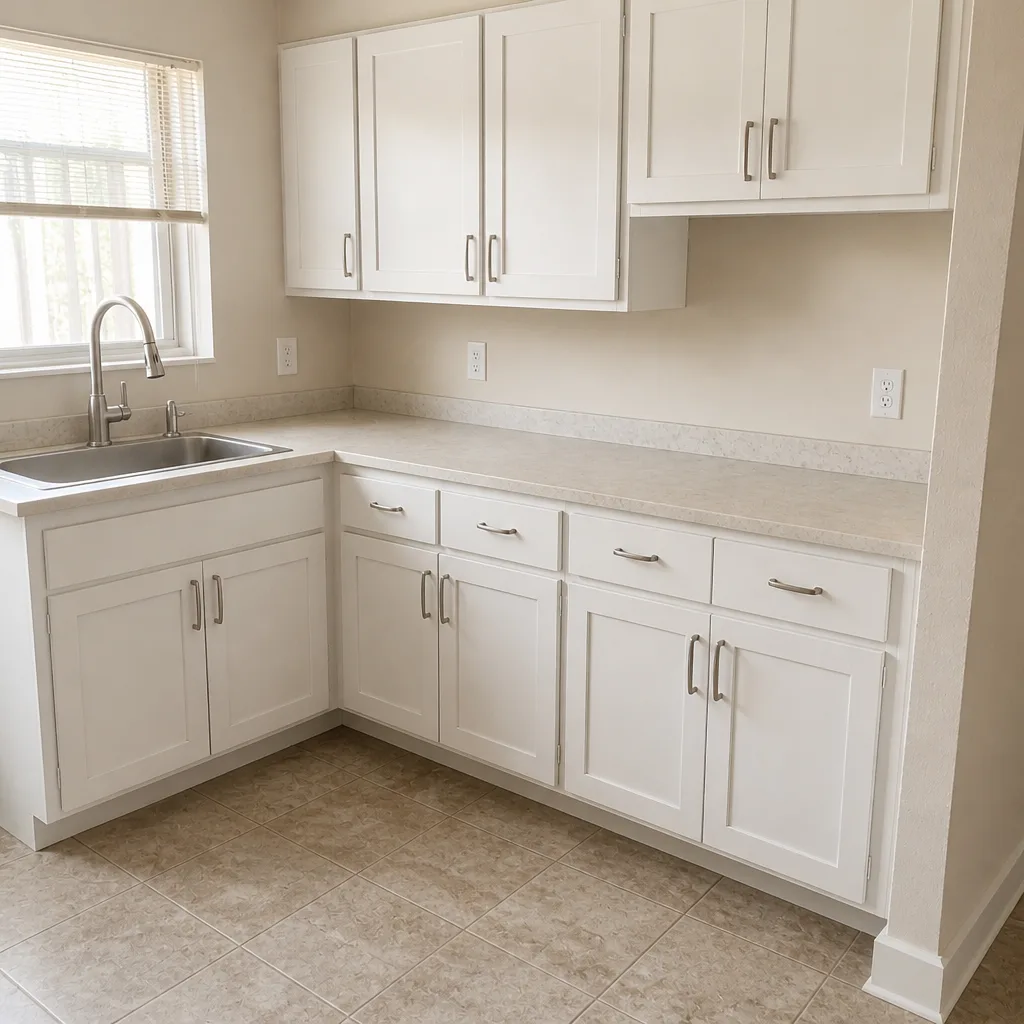
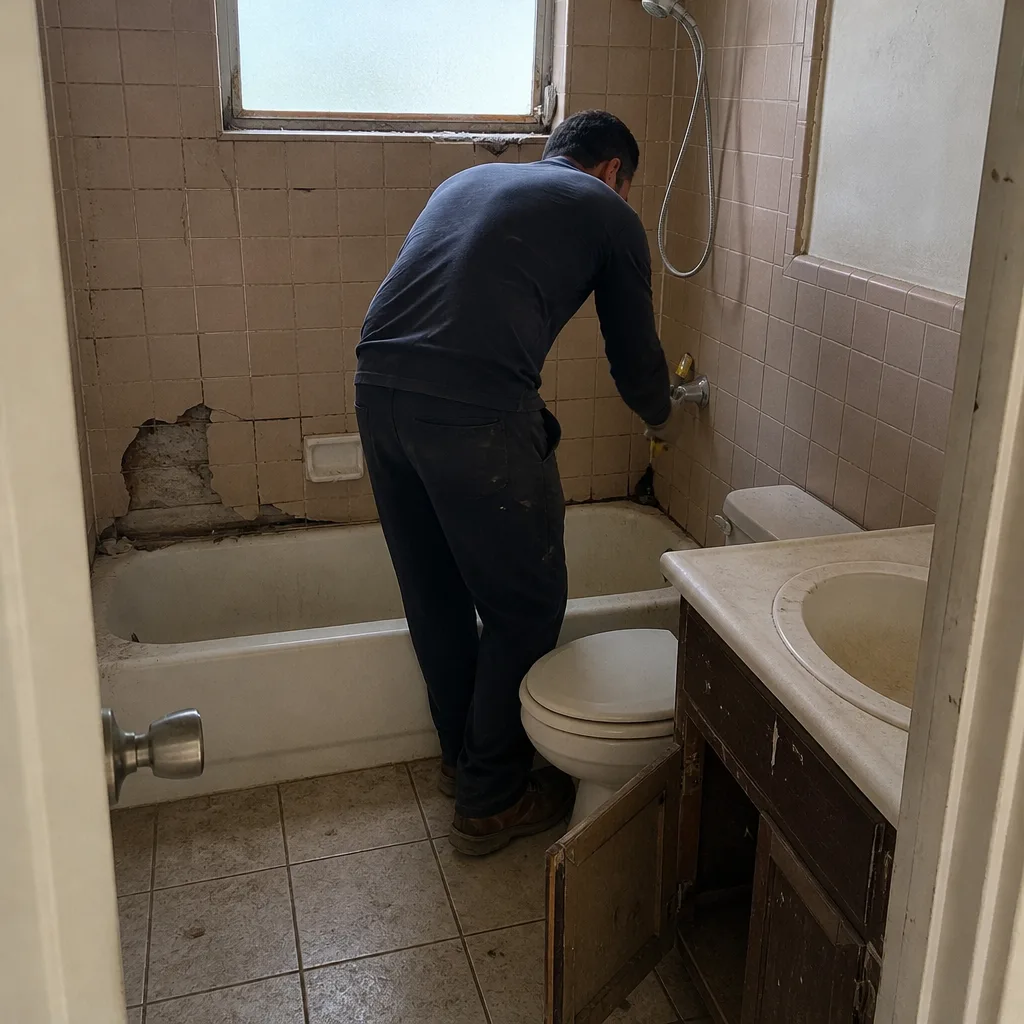
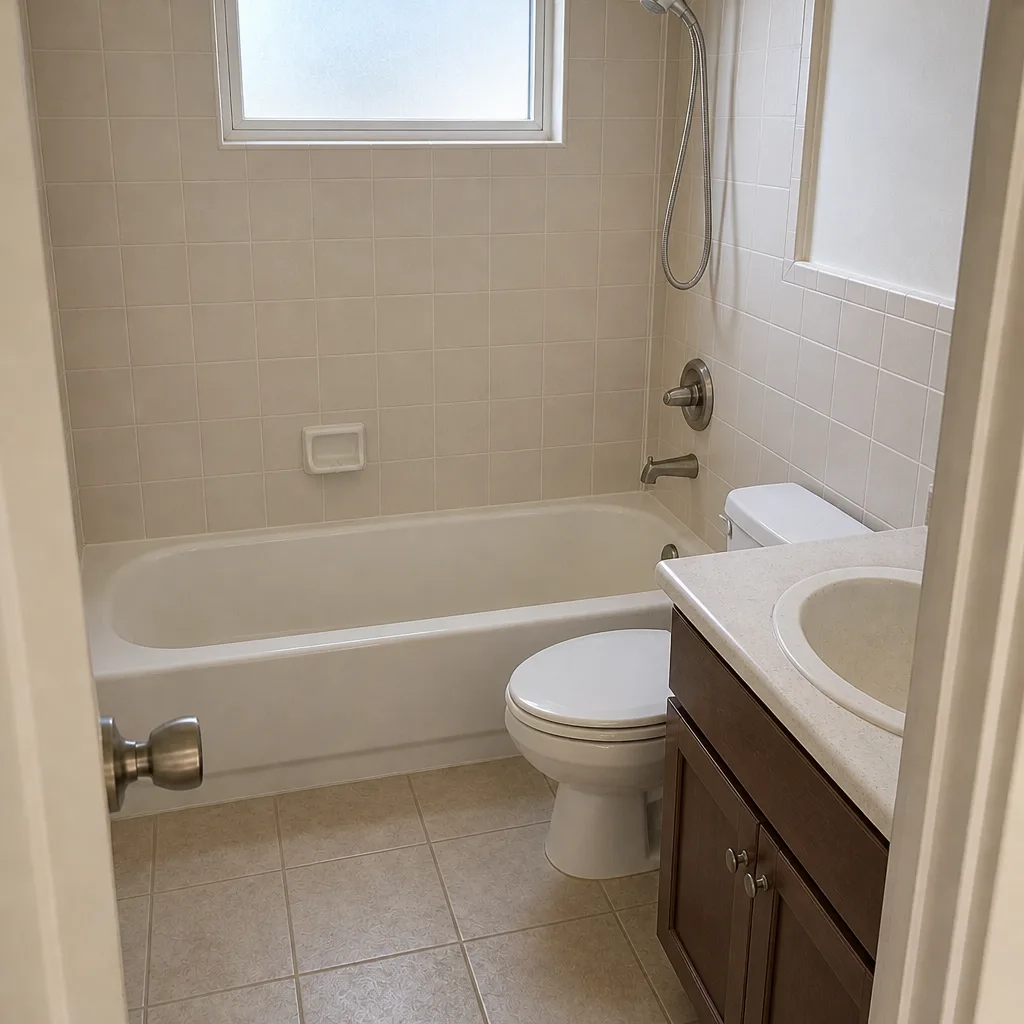
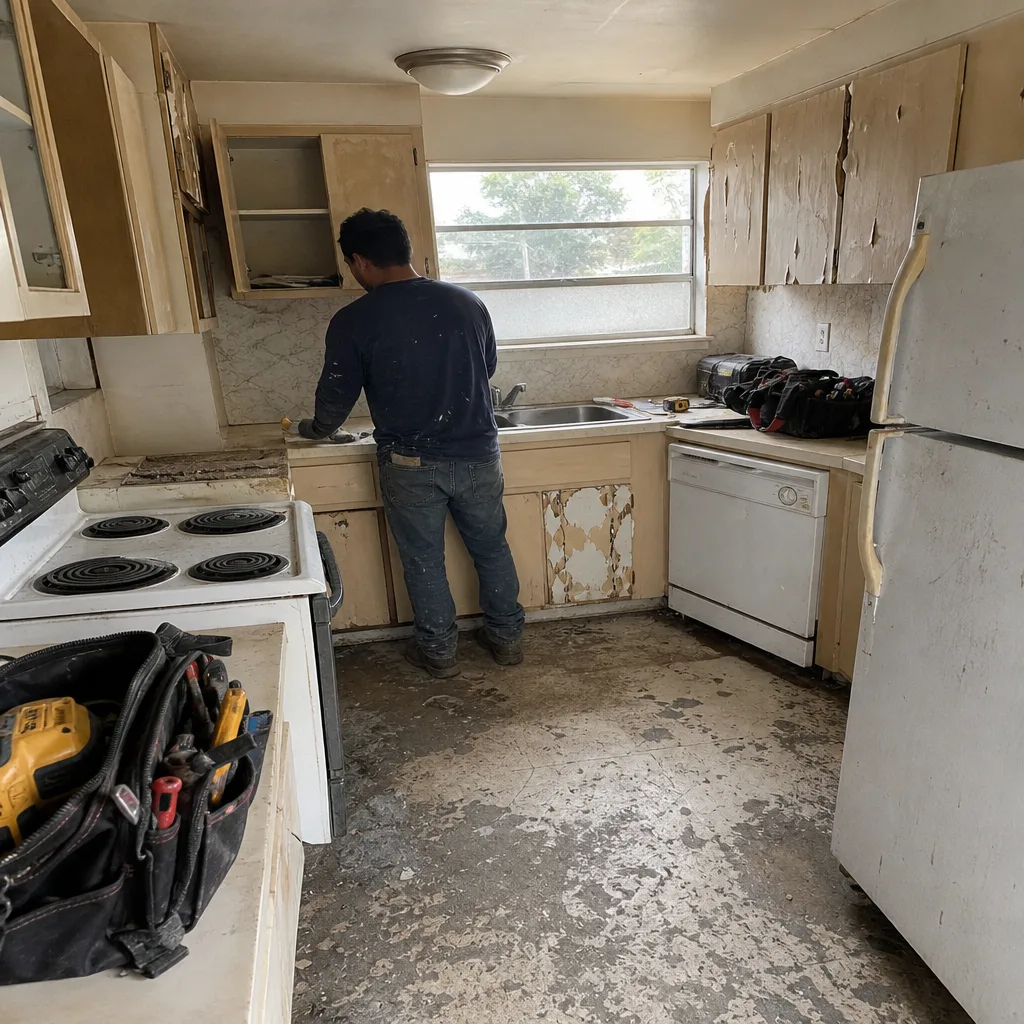
See the difference
 Before
 After
 Before
 After
 Before
 After
When to Call a Professional
Call a professional when the work involves the roof, the structural connections, electrical, or anything above head height. Those are the areas where a misstep is dangerous or voids a warranty. Specifically: any roof-to-wall upgrade, any membrane roof repair, any window replacement, and any structural repair after a storm. High-tension components and height work are not DIY territory, and a real expert will always say so. For documentation and emergency weatherproofing, a professional visit also produces a photo record you can hand your insurer. Rowan Construction Group Miami Gardens offers free estimates in Miami Gardens, with a written price before any work starts. Call (844) 320-5198 to schedule yours.
Frequently Asked Questions
Most Florida policies set a 72-hour window from when you discover damage, and reporting promptly is the safest course even if the total isn’t clear yet. Photograph the damage before any cleanup, then call your insurer. Call (844) 320-5198 for a free estimate on the repair side once the claim is moving.
No. Removing damaged material before the adjuster sees it is the most common self-inflicted claim reduction in Florida, because the evidence is gone. Tarp and weatherproof as needed, but leave the damage in place until it’s documented. Call (844) 320-5198 if you need the condition documented before temporary repairs.
An Assignment of Benefits transfers your insurance claim to the contractor, while a normal agreement leaves the claim in your name and pays the contractor for the work. Never sign an AOB. Insist on a written price and scope, and call (844) 320-5198 for a free second opinion on any written estimate.
Use the DBPR license lookup on your phone, search the contractor’s name or number, and confirm the license is active and matches the work. It takes under three minutes and screens out most storm chasers. Call (844) 320-5198 for a free estimate from a team that will show you the paperwork up front.
Dated photos of every exterior elevation, the roof surface, mechanical systems, and interior rooms, stored in the cloud with file names keyed to component and date, plus a current replacement cost appraisal. That file is what shortens an insurance payout. Call (844) 320-5198 to schedule a documented baseline visit.
Only limited reinforcement is feasible in a weekend: shutters, penetration sealing, and securing roof equipment. Roof-to-wall upgrades and membrane repairs require permits and inspections, so plan them months ahead of hurricane season. Call (844) 320-5198 for a free estimate on the planned work.
The Bottom Line
The homeowners who recover fastest after a Miami Gardens storm are the ones who built the paper record first. A dated, cloud-stored photo file, a current replacement cost appraisal, a rehearsed triage sequence, and a habit of never signing an AOB or removing damage before the adjuster sees it. That’s the whole protocol. None of it is dramatic, and all of it decides whether your claim pays in 18 days or 47. Build the file this month, verify every contractor through DBPR, and keep the written price in hand before any work starts. Our technicians have up to 19 years of experience with Miami Gardens housing stock, and under the 365-Day Done Right Promise, if it’s not done right, we make it right. Call (844) 320-5198 to schedule your free estimate.
Written by the team at Rowan Construction Group Miami Gardens.