Last updated November 18, 2026




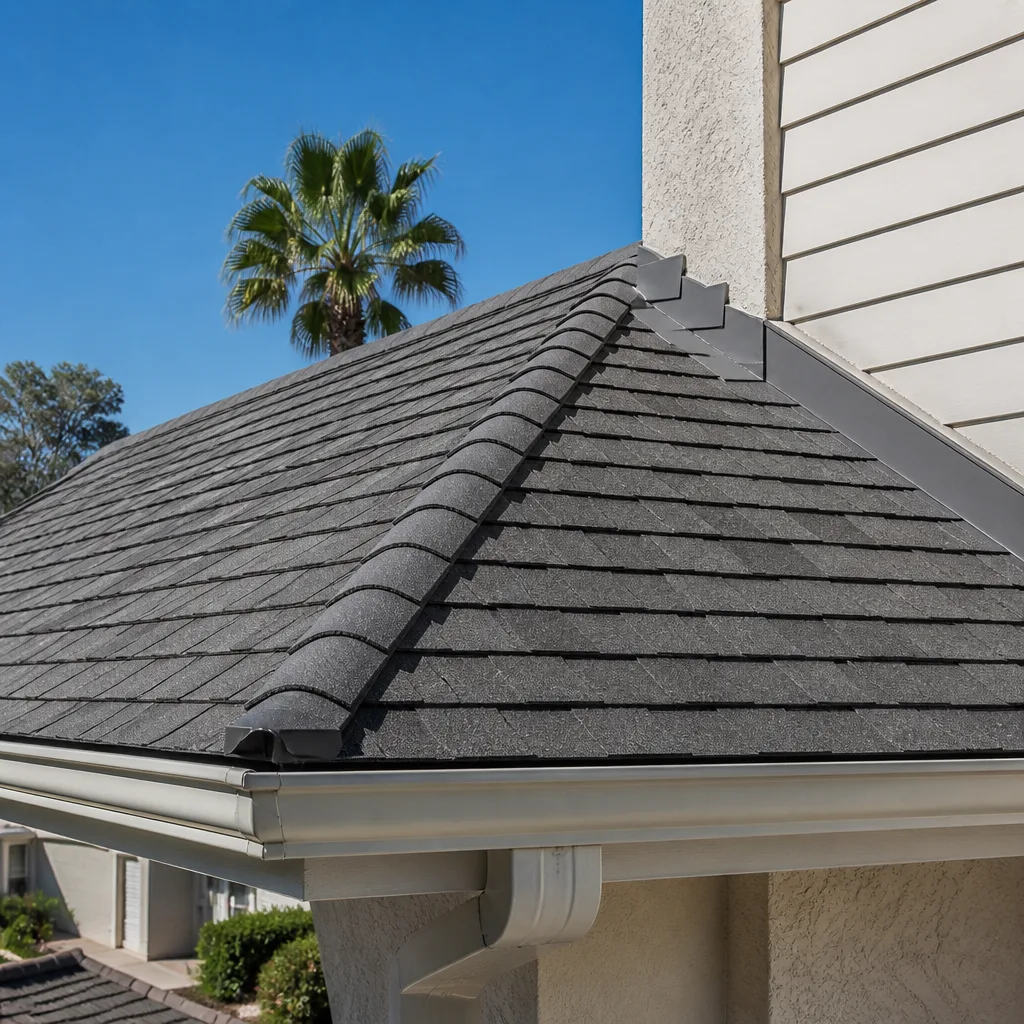

Free written scope consultation - allowances, timeline, and change-order rules on paper before a single trade is scheduled
Construction Warning Signs: A Miami Gardens Homeowner’s Reference Guide
A hairline stucco crack running diagonally from a window corner is not the same problem as a hairline crack running horizontally along a mid-wall course. One is normal thermal movement. The other is evidence of lateral soil pressure pushing on the stem wall. From ten feet away they look nearly identical. That’s the trap with construction warning signs: the scariest-looking flaws are often cosmetic, and the quiet ones cost $40,000. This guide pairs each visible sign with a diagnostic step and a dollar range so you know what to fix, what to watch, and when to call someone. Miami Gardens homes sit on some of the trickiest soil and weather in South Florida, and that changes what “normal” looks like.
Quick Answer
Most construction warning signs fall into three tiers: cosmetic (monitor, under $500 to address), active moisture or movement (investigate the cause, $800 – $12,000), and structural (a licensed structural engineer should look before anyone spends money, $15,000 and up). Crack width is the fastest triage tool: under 1/16 inch you monitor, 1/16 to 1/4 inch you investigate, and anything wider than 1/4 inch needs an engineer. Water stains and efflorescence are the two signs most often painted over and most often expensive later, because both point to water moving through the building envelope.
Styles & brands we work with
- Kitchen remodeling
- Bathroom remodeling
- Home additions & ADU
- Roofing
- Windows & doors
- Driveway & pavers
- Fence
Table of Contents
- The crack classification system: how wide is too wide?
- Reading water stains by location
- Efflorescence on block walls: what it proves
- Doors and windows that bind: seasonal or structural?
- Roof warning signs specific to Miami Gardens
- The dated home maintenance journal
- Common mistakes to avoid
- When to call a professional
The Crack Classification System: How Wide Is Too Wide?
Crack width is the single most useful measurement in home diagnosis, and almost no homeowner owns the tool that measures it. A clear plastic crack gauge costs a few dollars at any hardware store. Get one, keep it in a drawer, and measure any crack that worries you before you call anyone. Here’s how the tiers break down.
Under 1/16 inch: monitor
These are hairline cracks, roughly the thickness of a business card edge. Most are thermal movement in stucco or minor shrinkage in concrete block. Photograph the crack with a coin held against it for scale, note the date, and check it again in three months. If it hasn’t moved, it isn’t a construction warning sign. It’s a finish issue, and a $200 – $450 stucco patch and repaint handles it.
1/16 to 1/4 inch: investigate the cause
Now the pattern matters more than the width. A diagonal crack from a window or door corner usually means corner stress concentration, common where original openings weren’t properly reinforced. A horizontal crack along a mid-wall course on a concrete block wall is different: it often tracks soil pressure or a missing or corroded tie beam. Cost to diagnose and repair runs $800 – $3,500 depending on what the investigation finds.
Greater than 1/4 inch: structural engineer required
At this width, don’t let a contractor talk you into a patch. A licensed structural engineer should assess before any repair is scoped. If the crack is also offset (one side of the crack sits proud of the other), that’s displacement, not just width, and it moves the timeline up. Repairs at this tier start around $15,000 and climb quickly in Miami Gardens, where stem wall and tie-down details matter for wind rating as well as settlement.
Whatever the tier, one rule holds: never fill a crack before you know what caused it. Patch material hides the evidence a professional needs to read.
Reading Water Stains by Location
Where a water stain appears tells you more than what it looks like. On a ceiling, location is the whole diagnosis, and the cost spread is brutal: a stain in the wrong place can cost ten times what a stain two feet away does.
Ceiling stains within 18 inches of a wall
These usually point to roof-to-wall flashing failure. The flashing is the metal or membrane that carries water from the roof plane over the wall junction, and when it lifts, tears, or was lapped wrong, water tracks down the wall and stains the ceiling edge. Repair typically runs $800 – $1,500 if caught early: reflash the junction, replace a few shingles, verify the underlayment.
Center-ceiling stains
A stain in the middle of a ceiling, away from any wall, usually indicates field membrane failure: the main waterproofing layer under the roof covering has failed. On a low-slope or flat roof section, that could be a punctured or seam-failed membrane. Repair runs $4,000 – $12,000, and it climbs if the decking beneath has been wet long enough to delaminate. In Miami Gardens, where afternoon thunderstorms dump water fast and often, a center-ceiling stain that’s been there three months can already mean rotten decking.
How to tell active from old
Press a paper towel against the stain. A brown transfer means active moisture. Feel for a soft spot on the drywall; soft means the moisture is ongoing. Take a photo with a date and stop delaying. Old stains that aren’t growing are a monitoring job; active stains are a call today.
If you’re already planning exterior work while you’re at it, that same visit can fold into our roofing services in Miami Gardens.
Efflorescence on Block Walls: What It Proves
Efflorescence is the white, chalky powder that appears on the surface of concrete block or brick. It’s salt, and it’s the most misunderstood warning sign we see. It doesn’t mean the wall is “seasoning.” It means water is traveling through the block.
Here’s the mechanism in one paragraph. Water gets into the block from somewhere (a leaking pipe behind the wall, a roof or flashing gap above it, or ground moisture wicking up through the footing), dissolves mineral salts inside the block, and carries them to the surface. The water evaporates. The salt stays. Each wet-dry cycle pushes more salt out. The white powder is proof of active moisture intrusion, not a surface cosmetic.
Here’s why it matters financially. Painting over efflorescence without fixing the water source is a documented path to $15,000-plus in remediation. The paint traps moisture inside the block, and in South Florida’s humidity the block face starts spalling (flaking off) in sheets. That’s masonry repair, not repainting. We’ve seen Miami Gardens block walls go from a $2,000 flashing fix to a full wall rebuild because a previous owner painted over the efflorescence.
What to do instead
- Photograph the efflorescence with a date, and note where on the wall it concentrates. Lower courses point to ground moisture. Upper courses point to roof or flashing water.
- Test the source. A moisture meter reading (available at any rental counter) on the affected block confirms active moisture inside the wall.
- Fix the source before any cosmetic work. If it’s roof or flashing, address that. If it’s ground wicking, that’s a footing or drainage conversation.
- Only after the source is dry: clean the wall with a masonry cleaner, let it dry fully, and seal.
Doors and Windows That Bind: Seasonal or Structural?
A door that suddenly sticks is a classic panic moment. Before you conclude “foundation,” run the level-and-gap test. It takes ten minutes and can save a $5,000 escalation.
The test
- Place a two-foot level on the door’s leading edge, both plumb and level, and note any deviation.
- Measure the gap on all sides of the door with a gap gauge or feeler gauge while closed. Note the exact measurement at top, hinge side, and latch side.
- Wait two weeks and repeat the same measurements.
- Compare. If the gaps return to even, it’s seasonal movement. If the gaps become uneven and stay uneven, it’s structural.
Seasonal vs. structural
Wood and hollow-core composite expand and contract with humidity changes; in Miami Gardens, the wet season lifts moisture in the wood and the dry season releases it. Seasonal binding is reversible. It’s usually a $250 – $600 fix: adjust the hinges, replace the strike plate or threshold, or plane the door edge.
Structural settlement is irreversible. Symptoms include a door that stays shifted, an unequal gap that grows each month, drywall cracking above the door corners, or a floor that feels different on either side of the threshold. If you’re seeing those, stop adjusting the door. That’s a foundation conversation, and an engineer’s $400 – $900 site visit will tell you whether the settlement is active.
Roof Warning Signs Specific to Miami Gardens
Miami Gardens sees an average of 60-plus inches of rain a year and a rainy season that arrives with sudden severity. Roofs here face more water cycling than in most of the country, and the warning signs are correspondingly specific. What to check:
- Granule loss in gutters: asphalt shingles shed the sand-like granules that protect them from UV. Finding a lot of granules in the gutter after a rain is an early sign the shingle is near the end of service life. A GAF or Owens Corning architectural shingle in this climate normally holds 15 to 20 years; granule loss early in that window means a re-roof is on the horizon, and that’s a $12,000 – $25,000 project.
- Lifted fascia or soffit: wind-driven rain gets behind fascia boards in Miami Gardens and starts rotting the wood. If the fascia feels soft or is peeling, that’s moisture intrusion, and the number is typically $1,500 – $4,000 to repair, depending on how far the rot has traveled.
- Ceiling discoloration during storms: a stain that appears during heavy rain only is a flashing or membrane warning, and it goes back to the location test in the previous section.
- Missing or lifted shingles after a storm: call within the week. Each missing shingle exposes the underlayment, and in this climate the damage window is short.
One more Miami Gardens-specific item: soffit vents. The blocked or torn soffit venting under eaves is easy to miss from the ground, but it’s the ventilation boundary between the roof deck and the attic, and when it’s compromised you’ll see heat buildup and premature shingle aging. Look up from the sidewalk on the shade side of the house. If vents are blocked or torn, that’s a $400 – $1,200 fix that extends roof life.
For a full assessment across these points, our roofing team in Miami Gardens does free visual inspections.
The Dated Home Maintenance Journal
Here’s the least glamorous, highest-value step in this guide: keep a dated home maintenance journal. A single notebook or a phone camera roll with dates is fine, and the difference it makes to an insurance claim is real. Insurers deny claims where there’s no documentation that the problem existed and was being addressed, and they approve claims where the log shows a homeowner spotted the issue, dated it, and acted.
What to log
- Crack measurements: width, location, and date. Photograph with a coin for scale. Repeat at three-month intervals.
- Water stains: location, date first observed, whether the paper-towel test showed active moisture, and photos taken with daylight lighting.
- Efflorescence or spalling: location on the wall (low, mid, high), date, and photos.
- Doors and windows: gap measurements at hinge and latch sides, dates, and weather conditions on check day.
- All contractor work: the written quote, the signed change orders, the completion date, and the warranty terms. A written price before work starts and a documented record after are the same standard we hold ourselves to.
Do the walk once a quarter. Fifteen minutes with a notebook and a phone camera. A homeowner in Miami Gardens who has three years of dated entries will get a faster, more favorable answer from an insurer than one who says “I think it started a while back.”
Common Mistakes to Avoid
- Painting over efflorescence. It traps moisture in the block and accelerates spalling. The white powder is a symptom; the water is the problem, and paint hides the symptom while making the problem worse.
- Filling a structural crack without an engineer. A $200 caulk-and-patch on a 3/8-inch displacement crack is the most expensive cheap fix we see. The patched crack looks fine and the movement continues beneath it.
- Calling a crack seasonal because it’s summer. Measure gaps twice, two weeks apart, not once by memory. “I think it was like that last year” is not documentation.
- Ignoring a center-ceiling stain as “just a stain.” That’s the $4,000 – $12,000 tier. A center-ceiling stain on a Miami Gardens roof in July is a warning to be taken seriously.
- Hiring a contractor who won’t put the price in writing before starting. No work should proceed without a written scope and a written price. Change orders exist so you don’t get a surprise at the end.
- Skipping the photo record on contractor visits. If a repair isn’t documented, you can’t prove what was found or what was done when you sell the house or file a claim.
- Waiting until the wet season to check the roof. A pre-rain check in spring costs nothing and catches granule loss, lifted flashing, and missing shingles before the storms get loud.
When to Call a Professional
Call us when a warning sign crosses a tier or when you can’t tell which tier it’s in. Specifically: any crack wider than 1/4 inch, any crack showing displacement, center-ceiling water stains, efflorescence that returns after cleaning, doors binding unevenly for more than a month, or roof shingles lifting or missing after a storm. Also call if an insurance claim depends on documentation you don’t have. Under our 365-Day Done Right Promise, if we do the work and it isn’t right, we make it right. Clause 1 of the Haven Standard is simple: the price is written before anyone starts, and no change proceeds without a signed change order. Rowan Construction Group Miami Gardens offers free estimates and a free second opinion on any written quote you’ve already received. Call (844) 320-5198. We bring the crack gauge, the photo record, and the written price.
See the difference
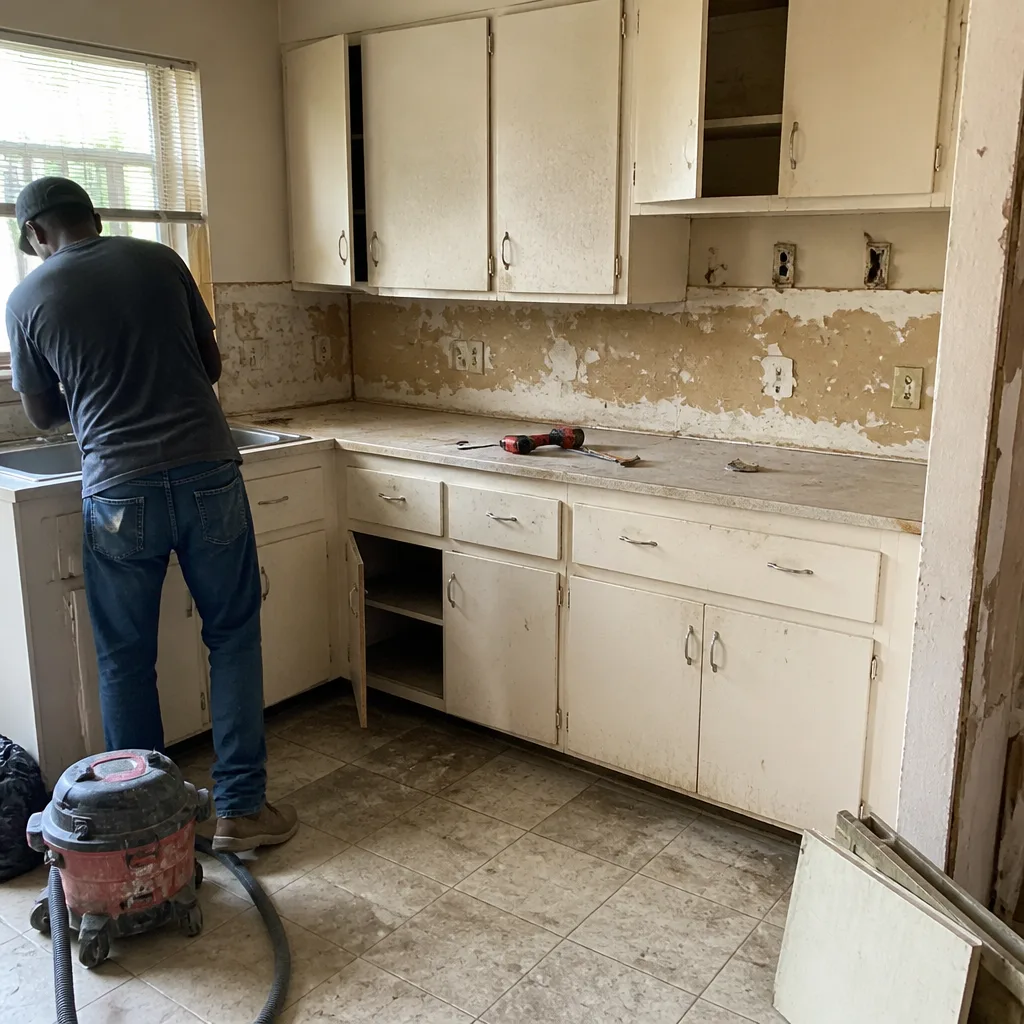 Before
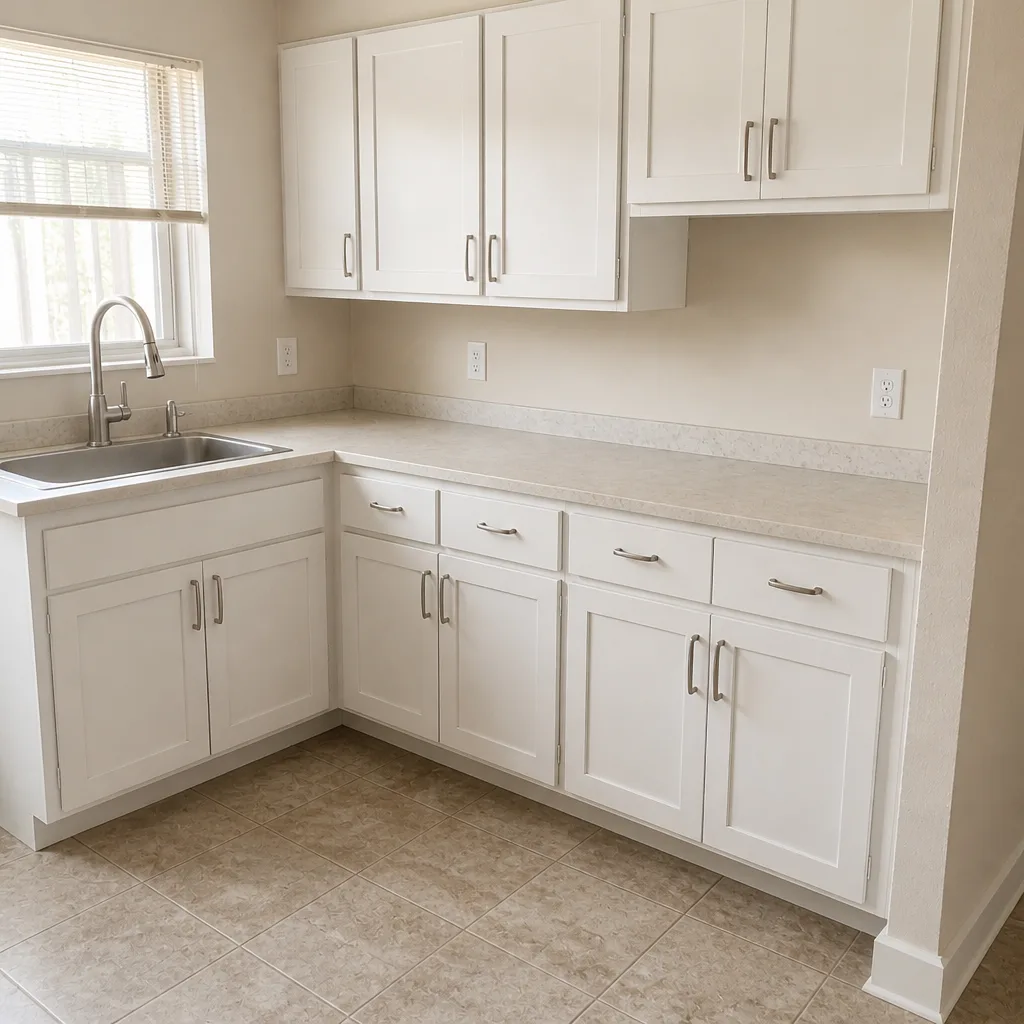 After
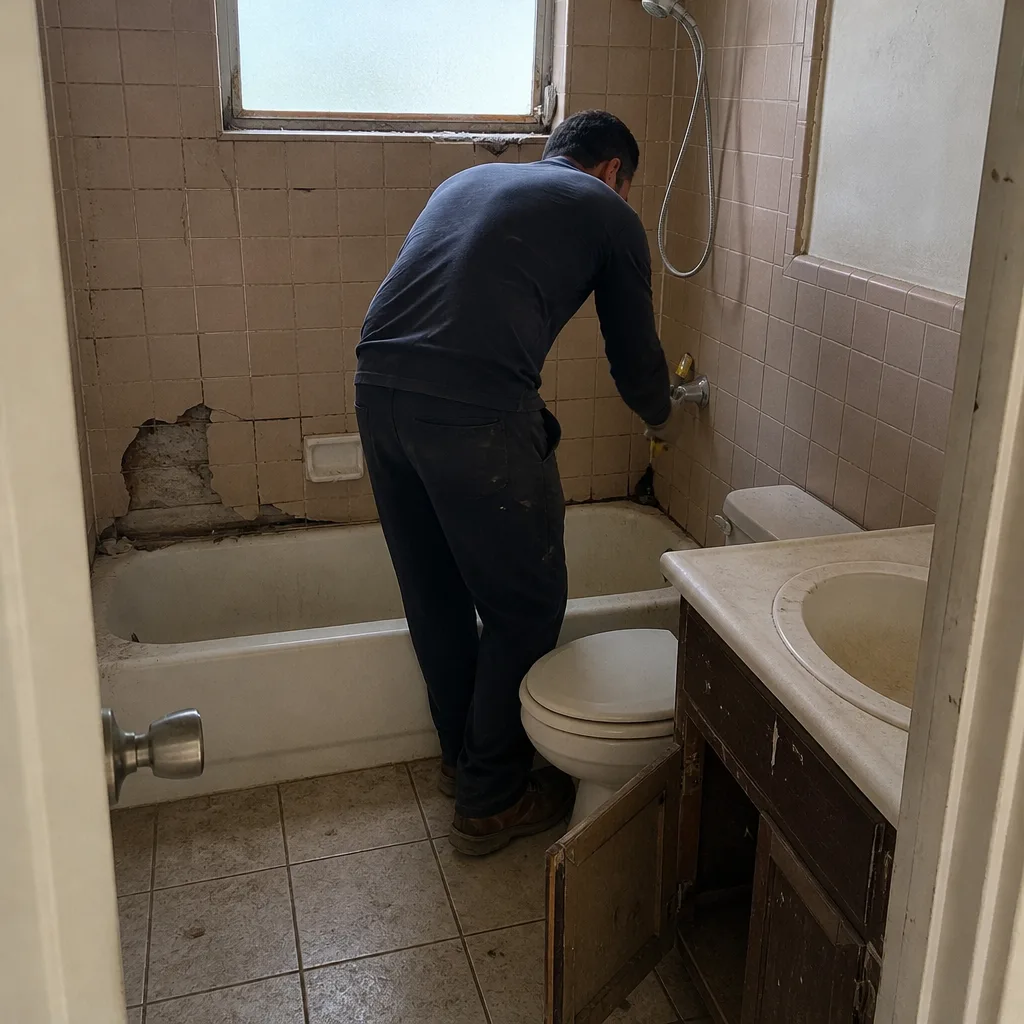 Before
 After
 Before
 After
Frequently Asked Questions
Anything wider than 1/4 inch should be assessed by a licensed structural engineer. Up to 1/16 inch is usually monitoring territory, and 1/16 to 1/4 inch means you investigate the cause. Crack width alone isn’t the whole story: displacement (one side proud of the other) and horizontal direction on a block wall move the timeline up regardless of width. Measure yours with a crack gauge and photograph with a coin for scale. Call (844) 320-5198 for a free inspection if you’re unsure.
Yes, it’s proof of active moisture moving through the block. The white salt film is the visible result, not the problem itself, and painting over it traps moisture and accelerates spalling. The source of the water (roof or flashing above, ground wicking below, or a leak behind) needs to be found and fixed before any cosmetic work. Left unaddressed, we’ve seen it turn a $2,000 fix into $15,000-plus in masonry repair. Call (844) 320-5198 to schedule a free inspection.
Within 18 inches of a wall it usually means roof-to-wall flashing failure, and the repair typically runs $800 – $1,500. In the middle of the ceiling it usually means field membrane failure, and the repair runs $4,000 – $12,000. Same stain size, ten times the cost difference because the source is different. If the stain is active (brown transfer on a paper towel, soft drywall), call today. Call (844) 320-5198 for a free assessment.
Measure the door gaps at the hinge side and latch side twice, two weeks apart. If the gaps even out the second time, it’s seasonal wood movement and reversible ($250 – $600 to adjust). If the gaps stay uneven and grow, it’s structural settlement and needs an engineer. Key indicators to look for: drywall cracks above the door corners, an uneven floor across the threshold, or any crack worth classifying in the walls. Call (844) 320-5198 for a free look if you need a second set of eyes.
Most structural repairs do require a permit, and a written opinion from a licensed structural engineer usually accompanies the permit application. The permit and inspection process protects you at resale and matters for insurance since unpermitted structural repair can void a claim. We pull permits and pass inspections on our projects, and we’ll tell you before we start what’s required. Call (844) 320-5198 for a free estimate on the repair and what the permit process involves.
Not without a signed change order. We write the scope and the price before any work starts, and if something unexpected turns up during the job (a hidden flashing failure, rotten decking under a patched stain), we put the change in writing and nothing proceeds until you sign. That’s the discipline that keeps projects within a few percent of the agreed number across 4,000-plus jobs. Call (844) 320-5198 for a written estimate, and bring a competitor’s quote for a free line-by-line second opinion.
The Bottom Line
Warning signs don’t rank by how scary they look; they rank by what they prove. A hairline crack is usually a monitor-and-wait item. A 1/4-inch horizontal crack on a block wall is an engineer’s job. Efflorescence is proof of moisture intrusion, not a cosmetic. A center-ceiling stain costs ten times what a wall-adjacent one does. The single most useful tool you can own is a dated home maintenance journal with a crack gauge and a phone camera, and the single most useful habit is knowing when a sign crosses a tier. For Miami Gardens homeowners, the soil, the rain, and the wind make all of this more urgent than average, and the documentation standard separates a supported insurance claim from a denied one. When in doubt, get a free look.
If any of this guide reads like a warning sign in your own house, we can help. Get a written estimate, a photo record, and a plain-language explanation of what we found and what it costs. Call Rowan Construction Group Miami Gardens at (844) 320-5198 for a free estimate.
Written by the team at Rowan Construction Group Miami Gardens.