Last updated November 18, 2026



Free written scope consultation - allowances, timeline, and change-order rules on paper before a single trade is scheduled
Home Additions & ADU Maintenance Schedule: What to Do and When
The flashing at the junction between a new addition roof and the existing roof is the single highest-probability leak point on the entire property, and it’s almost never on a standard home maintenance checklist. Most homeowners in Miami Gardens inherit a generic list built for the original house and never update it after a room gets added or an ADU goes up in the back. The result: water finds the seam, the warranty lapses because nobody logged the service, and a $4,000 repair lands on a structure that was supposed to be low-effort for the next twenty years. This guide builds the calendar those generic lists ignore. We’ll walk through a month-by-month schedule tuned to South Florida’s climate, the seam-by-seam structural inspection, ADU-specific mechanical care, and how to document all of it so your warranties actually hold up.
Quick Answer
A home addition or ADU in Miami Gardens needs a maintenance schedule built around its seams, not around a generic homeowner checklist. That means pre-hurricane season structural inspections in April and May, roof and flashing checks at every transition point, post-rainy-season water intrusion checks in November, dry-season HVAC filter and duct inspection in December and January, and annual re-inspection of the separate electrical panel and water heater inside the ADU. Document every service visit and keep the receipts; most manufacturer warranties on roofing, windows, and HVAC require proof of maintenance.
Styles & brands we work with
- Kitchen remodeling
- Bathroom remodeling
- Home additions & ADU
- Roofing
- Windows & doors
- Driveway & pavers
- Fence
Table of Contents
- Why Additions and ADUs Need a Different Schedule Than the Original House
- The South Florida Month-by-Month Maintenance Calendar
- The Structural Seam Inspection Checklist
- ADU-Specific Mechanical Maintenance
- The Miami-Dade Wind Mitigation Re-Inspection
- How to Document Maintenance So Warranties Hold Up
- Common Mistakes to Avoid
- When to Call a Professional
Why Additions and ADUs Need a Different Schedule Than the Original House
A house built in 1974 has had fifty years to finish settling. An addition finished last spring has had one wet season. That difference is the whole reason your maintenance plan has to change.
Every addition creates a seam where new construction meets old, and each seam has its own behavior under stress. The original house was engineered as one continuous system; the addition is a second system tied into the first at a fixed set of joints. In our experience, those joints are where the problems show up first, and they show up years before the original structure starts complaining.
An ADU raises the burden further. It’s a second dwelling under the same roof line (or its own, more on that below), which means:
- Its own electrical panel. Separate main breaker, separate code cycle, separate maintenance interval. The ADU’s panel has to be inspected on its own schedule, not folded into the house panel’s annual check.
- Its own water heater. The flush-and-anode cycle most homeowners run on the main house water heater needs to happen here too, separately.
- Its own HVAC. Most ADUs in Miami Gardens run a mini-split (ductless) system because retrofit ductwork is expensive and the square footage is small. Mini-splits have a filter-and-coil maintenance cycle that’s different from a central system.
- Sourcing complexities. If the ADU uses PGT impact windows for the Florida wind zone or Boral cultured-stone cladding for the exterior, each has its own warranty terms and its own documented service requirements. Mixing them up loses coverage.
The maintenance calendar we build below separates those systems because they age on different clocks. That’s the whole point.
The South Florida Month-by-Month Maintenance Calendar
Miami Gardens runs a wet season from roughly June through October and a dry season from November through May. That rhythm drives every maintenance decision on an addition or ADU. Here’s what to do and when.
April and May: Pre-Hurricane Season Inspection
This is the highest-stakes window on the calendar. Everything that fails in a storm fails quietly in the two months before it, if you look.
- Roof flashing inspection. Walk the perimeter (or have a professional walk it) and look at every transition: addition-to-existing roof, roof-to-wall, roof-to-skylight, and the penetration points for exhaust and plumbing vents.
- Fastener check on the addition tie-ins. Where the addition’s wall meets the original house, look for any gap widening in the stucco or trim.
- Hurricane shutter inventory and test-fit. If the addition added impact-rated windows (PGT or CGI are the two most common in this market), verify the outside of the frames for caulk lines that have dried and separated.
- Drainage and grading. Confirm the ground at the foundation perimeter still slopes away from the new slab. Settlement over the winter can reverse what was graded right at completion.
- Gutter and downspout clearing. More roof planes means more gutter. Clear them before the first named storm.
June through October: Storm Watch
During the wet season you don’t inspect; you watch. After any storm that drops more than two inches of rain in an hour, check the interior ceiling of the addition at the seam wall for any discoloration or softness. Check the interior of the ADU around window frames. Note anything at all; you don’t have to fix it in June, but you have to log it.
November: Post-Rainy-Season Water Intrusion Check
The wet season just tried to break your seams for five months. Now you assess. Walk the interior and exterior and look for:
- Stucco cracking at the tie-in point between addition and original wall
- Water staining on drywall ceilings near the roof seam
- Caulk joints around windows that have pulled away from frame or wall
- Efflorescence (white chalky deposit) at the foundation joint between old slab and new footing
- Any musty smell inside the ADU when it’s been closed up
December and January: HVAC and Duct Inspection
Dry season is the right time for AC work because the system isn’t being pushed. Change filters (or wash them, for mini-splits), inspect the indoor coil for dust load, and check the outdoor condenser drain line to make sure it’s clear. If the addition is on a central system, inspect the supply and return duct runs for any condensation damage from the wet season.
February and March: Electrical and Water Heater Service
Annual electrical panel inspection for the ADU (see the mechanical section below). Water heater flush and anode rod check for both units. Caulk refresh at all exterior seams and penetrations. This is also the right window for any painting or stucco repair, because the dry season gives the material time to cure before the summer rains.
For the original house’s own maintenance, the same calendar mostly applies, with the addition of the specific Seam Inspection below.
The Structural Seam Inspection Checklist
Four seams on every addition deserve their own walkthrough. If you do nothing else on this guide, do these.
1. Addition-to-Existing Roof Flashing
What to look for: the metal flashing where the new roof plane meets the existing roof or wall. Look for lifted edges, fastener heads visible above shingle or tile course, and any gap between the flashing and either surface. In Miami Gardens, wind-driven rain during a named storm pushes water horizontally, so a flashing that looks fine in a light rain can fail during a hurricane. Yes, you can spot-check the flashing from a ladder and note what you see. No, you should not attempt to repair it yourself; this is high-tension, height, and warranty territory, and a botched flashing job voids most roofing warranties.
2. Foundation Joint Between Old Slab and New Footing
What to look for: differential settlement. The original slab has settled to its final elevation; the new footing is still moving. Look for a visible step in the exterior finish at the joint, cracks in the slab interiors near the line of the joint, or door frames on the addition side that have gone out of square enough that they stick. Small differential movement in the first three years is normal in South Florida’s sandy soils; sudden movement after year four is a call-a-professional moment.
3. Exterior Wall Stucco at the Tie-In Point
What to look for: hairline cracking at the corner where the addition’s stucco meets the original wall. A single hairline crack running at 45 degrees from the corner is expected in the first year while the stucco cures. A crack wider than a credit card thickness, or one that’s widening across seasons, indicates movement at the seam that needs eyes. Refinish the tie-in with elastomeric caulk (not hard stucco patch) so the joint can flex with the two walls.
4. Interior Drywall and Wall Tie at Floor and Ceiling Lines
What to look for: hairline cracks at the inside corner where the addition ceiling meets the original house wall, and where the addition floor meets the original slab. Small cracks along these lines are the same settlement story as the exterior and are cosmetic. Cracks that open enough to see daylight, or that reappear immediately after patching, are structural.
If any of the four turns up something you’re not sure about, bring a professional in to look. Every visit from Rowan Construction Group Miami Gardens includes a documented photo record as standard, so you leave with evidence of what was found, not just a verbal verdict.
ADU-Specific Mechanical Maintenance
An ADU is a second dwelling; its mechanical systems age independently of the main house. Three of them matter most for the maintenance calendar.
Separate Electrical Panel (Annual)
Every ADU has its own electrical panel, whether it’s a subpanel fed from the main house or a fully separate service. Inspection once a year, in February or March, checks:
- No scorching or discoloration on the panel face or around any breaker
- Breakers that reset cleanly without arcing sound or smell
- No rust or moisture inside the panel enclosure (a wet-season leak from above is the usual culprit)
- GFCI and AFCI breakers tested with the test button; replace any that don’t trip
Do not open the panel cover yourself. Panel work is the single most dangerous repair in residential construction and the one where DIY causes the most injuries. Leave it to a licensed electrician.
Dedicated Water Heater (Annual Flush, Anode Check Every 3 Years)
Flush the tank annually to clear sediment; sediment is worse in South Florida because the water carries more dissolved minerals in some metro areas. Check the anode rod every three years and replace it if more than half has been consumed. A $15 anode rod is what stands between you and a $1,400 tank replacement.
Mini-Split HVAC (Filter Monthly, Coil Cleaning Every 6 Months)
Most Miami Gardens ADUs run a ductless mini-split. The most common failure on these is a clogged indoor filter that forces the unit to work harder until the compressor gives out. Clean or replace the filter monthly. Clean the indoor coil every six months; the outdoor condenser coil once a year. In Miami Gardens, our humidity means the drain line on the mini-split is a frequent clog point, so flush it with a cup of vinegar every three months to prevent a backup that will drip down the interior wall.
The Miami-Dade Wind Mitigation Re-Inspection
After any addition or new ADU, Miami-Dade County offers a wind mitigation inspection that can lower your homeowner’s insurance premium on the combined structure. The inspection costs around $150 in this market, and the report typically reduces the wind portion of the premium enough to pay for itself within the first or second renewal.
Why it matters after an addition specifically: the original wind mitigation report on your house was written before the addition existed, so it doesn’t reflect the new roof, the new impact windows (if you installed PGT or CGI), or the new roof-to-wall connections. That means you’re probably being rated as if your property is older and less protected than it is. A fresh inspection updates the record and captures the credits the addition actually earned.
When to schedule: after the addition or ADU has passed final inspection and you have the certificate of occupancy in hand. Don’t schedule it mid-construction; the report has to reflect the finished structure. Then re-inspect every five years, or immediately after any roof replacement.
How to Document Maintenance So Warranties Hold Up
Here’s the part almost nobody does, and it’s exactly the part that decides whether you get a $3,200 roof repair covered or denied.
Most manufacturer warranties on roofing (GAF and Owens Corning among them), on windows (PGT and CGI), and on HVAC equipment require documented proof of maintenance performed at the manufacturer’s recommended intervals. No service records, no warranty claim. This is not fine print to skim past; it’s the reason your maintenance binder matters more than the maintenance itself.
- Keep a physical or digital binder per system. One section for the roof, one for windows, one for HVAC, one for the electrical panel. Separate files for the ADU if it has its own equipment.
- Save every service receipt, even small ones. Filter changes, coil cleanings, caulk refresh; all of it counts.
- Log the date and the technician’s name and license number. Not a person’s name in marketing; the service tech’s name and license number as printed on the invoice.
- Photograph what was found. Before-and-after photos of any repair sit inside the warranty claim file and are hard for a manufacturer to argue with.
- Keep the original install paperwork. The written scope and warranty from the addition or ADU build is the document the manufacturer’s warranty is anchored to.
Every visit from Rowan Construction Group Miami Gardens includes a documented photo record as a standard deliverable, not an optional upgrade. That photo record is designed to slot directly into a maintenance binder so your warranty claim can be filed without scrambling.
Common Mistakes to Avoid
- Treating the addition as one system with the original house. The original house’s HVAC, electrical panel, and plumbing are on a different maintenance cycle than the addition’s. Combining them means neither gets done on time.
- Skipping the pre-hurricane season inspection. April and May are the cheapest months to fix a roof seam. June through November are the most expensive.
- Letting the ADU sit unoccupied for months without airflow. In Miami Gardens humidity, an ADU closed up without any AC running for the summer grows mold quickly. Run the mini-split at 78 degrees even when vacant, or install a humidistat.
- Filing a wind mitigation report mid-construction. The report has to reflect the finished structure or the credits won’t stick.
- Repairing stucco cracks at the tie-in with hard patch material. The joint has to flex; hard patch just cracks again in one season.
- Not keeping service records. A remarkable number of warranty claims get denied for the sole reason that no maintenance log exists. The manufacturer is not being unfair; it’s checking a stated requirement.
- Doing panel or flashing work yourself. These are the two highest-injury repairs on the property. Panel work kills; roof flashing at height, with live wiring nearby, injures.
When to Call a Professional
Call a professional, not a handyman, when the issue touches any of these: the flashing at the addition-to-existing roof seam, anything inside the ADU’s electrical panel, any structural crack that reappears after patching or that shows daylight, any crack wider than a credit card thickness at the tie-in point, any water intrusion that survives a hard rain, and any mini-split that’s short-cycling after a filter clean. Those are the cases where a wrong fix costs more than the original repair, and they’re the ones where a documented diagnosis matters most. If you’re reviewing a competitor’s written estimate and want a second opinion before you commit, Rowan Construction Group Miami Gardens offers a free line-by-line review of any written estimate. For scheduled work, call (844) 320-5198 to schedule your free estimate; a written price is delivered before any work starts.
See the difference
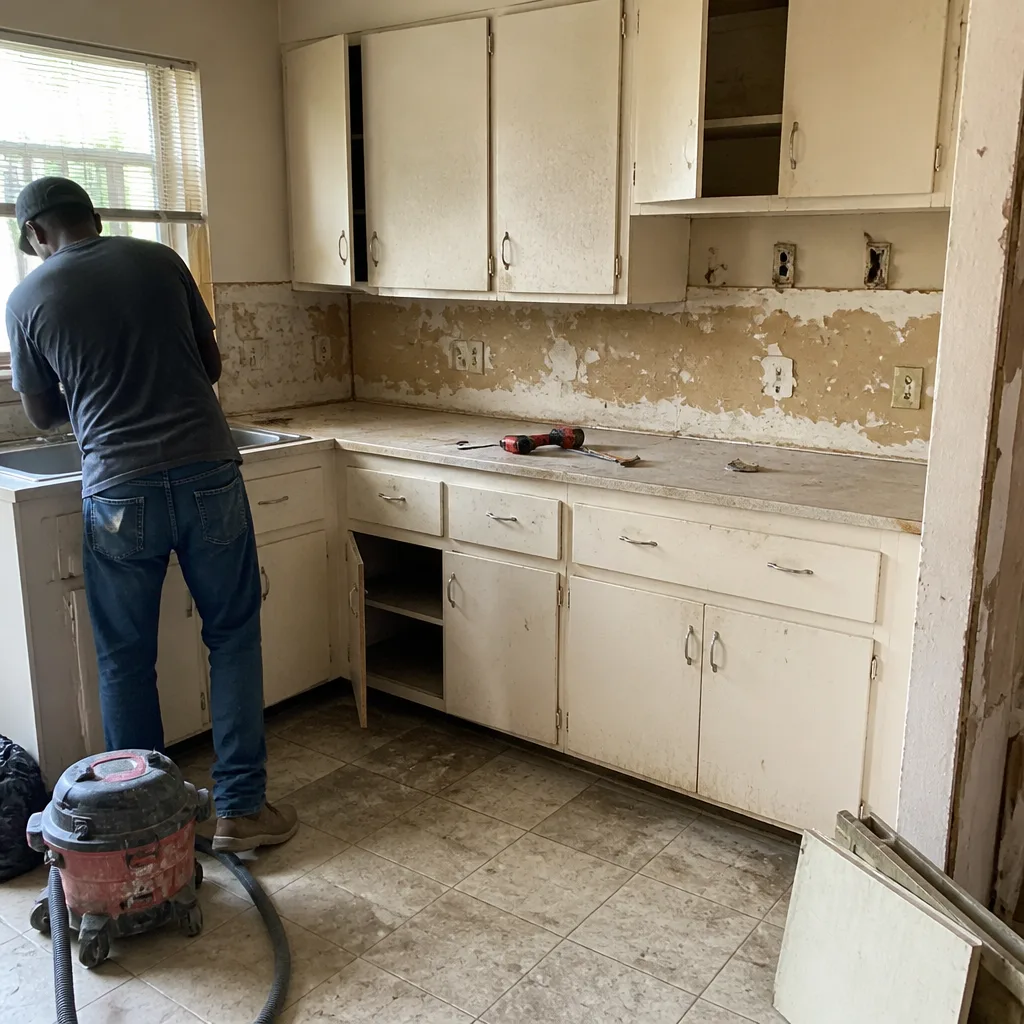 Before
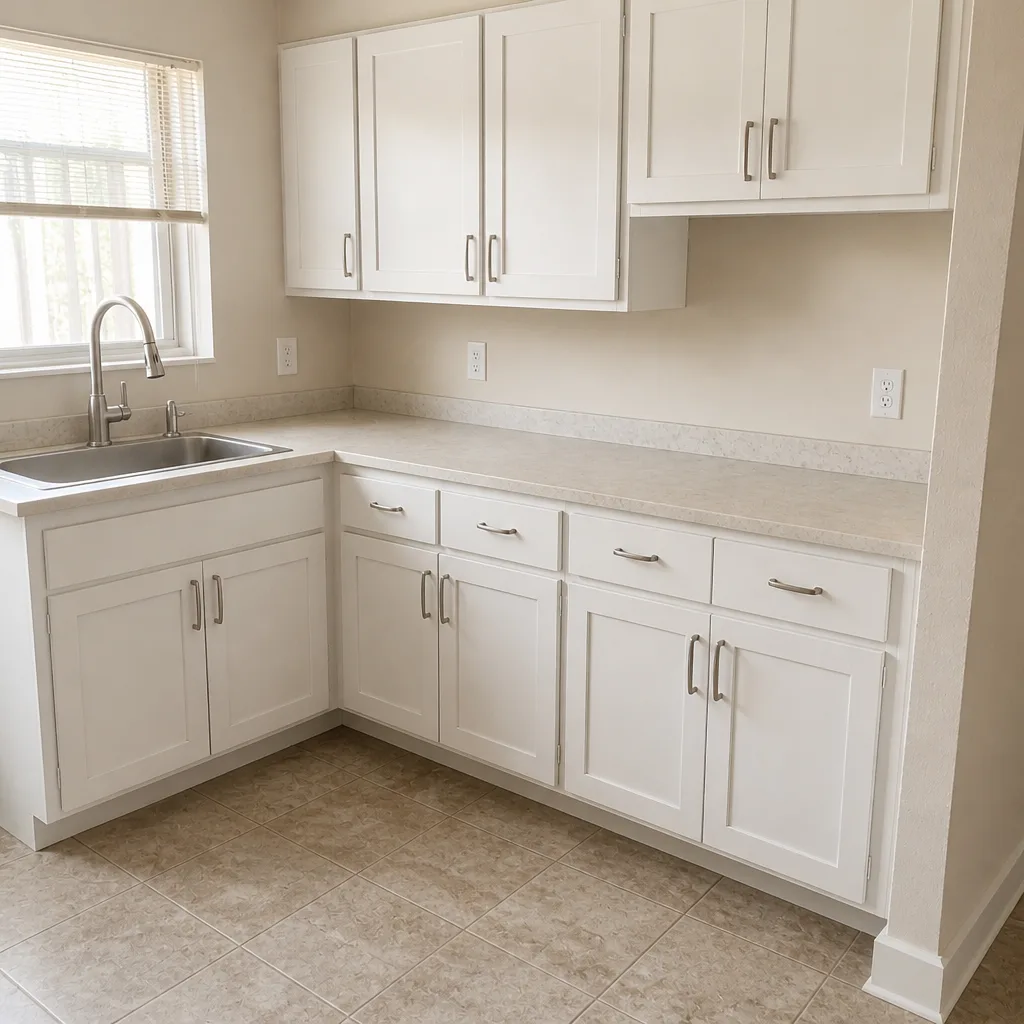 After
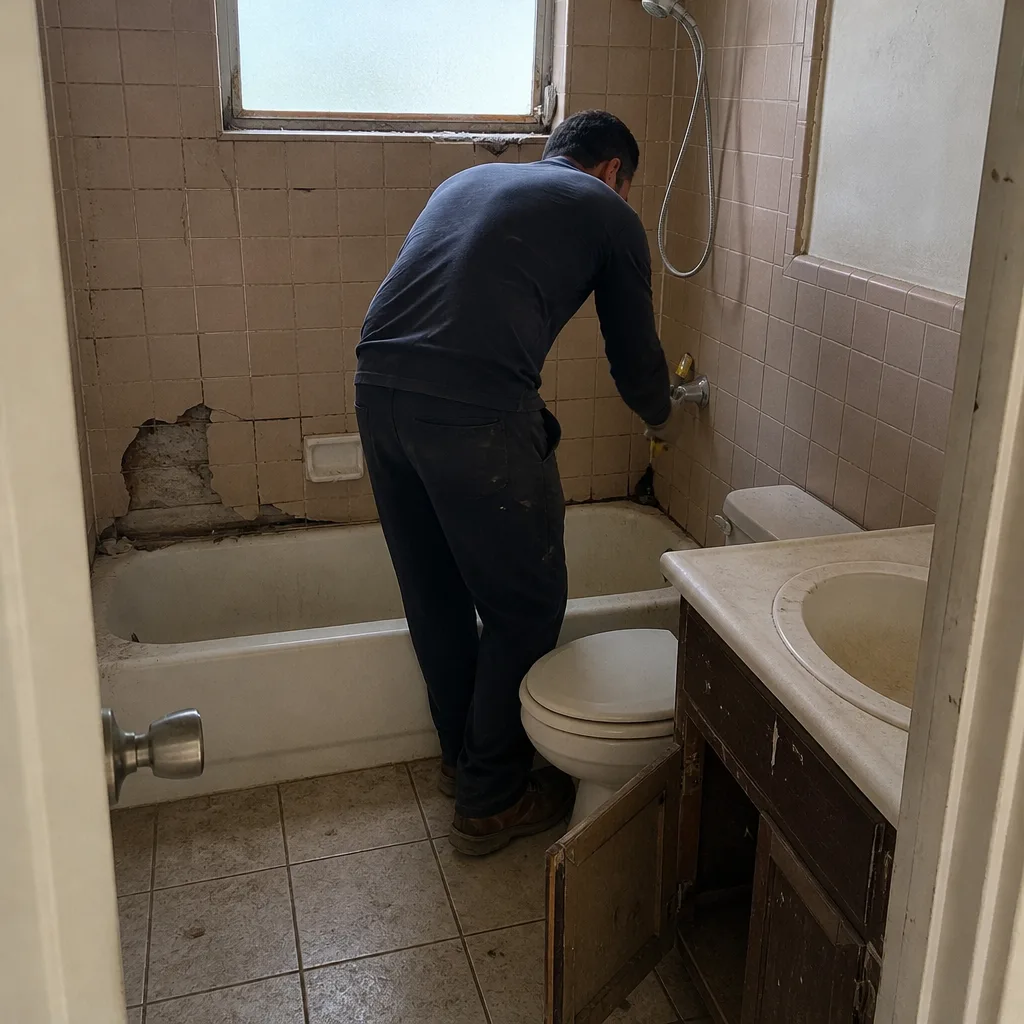 Before
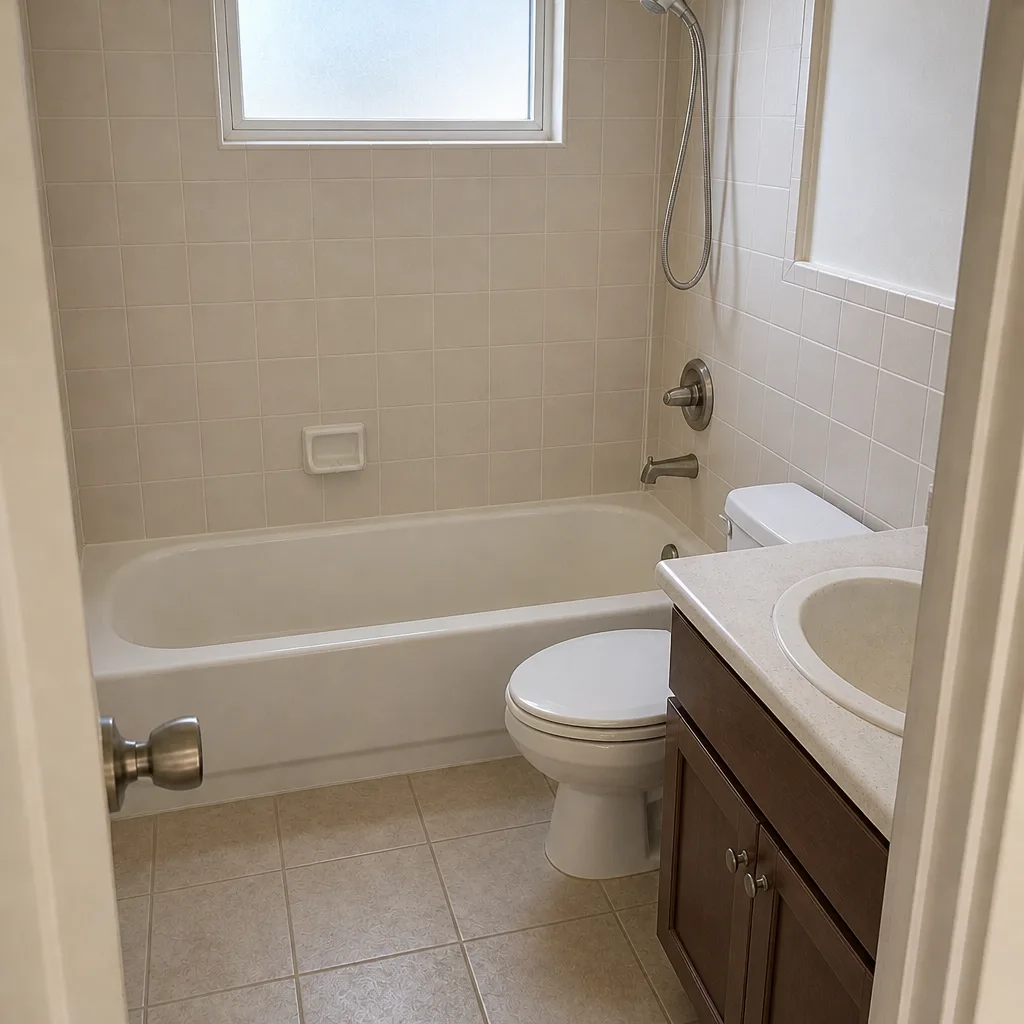 After
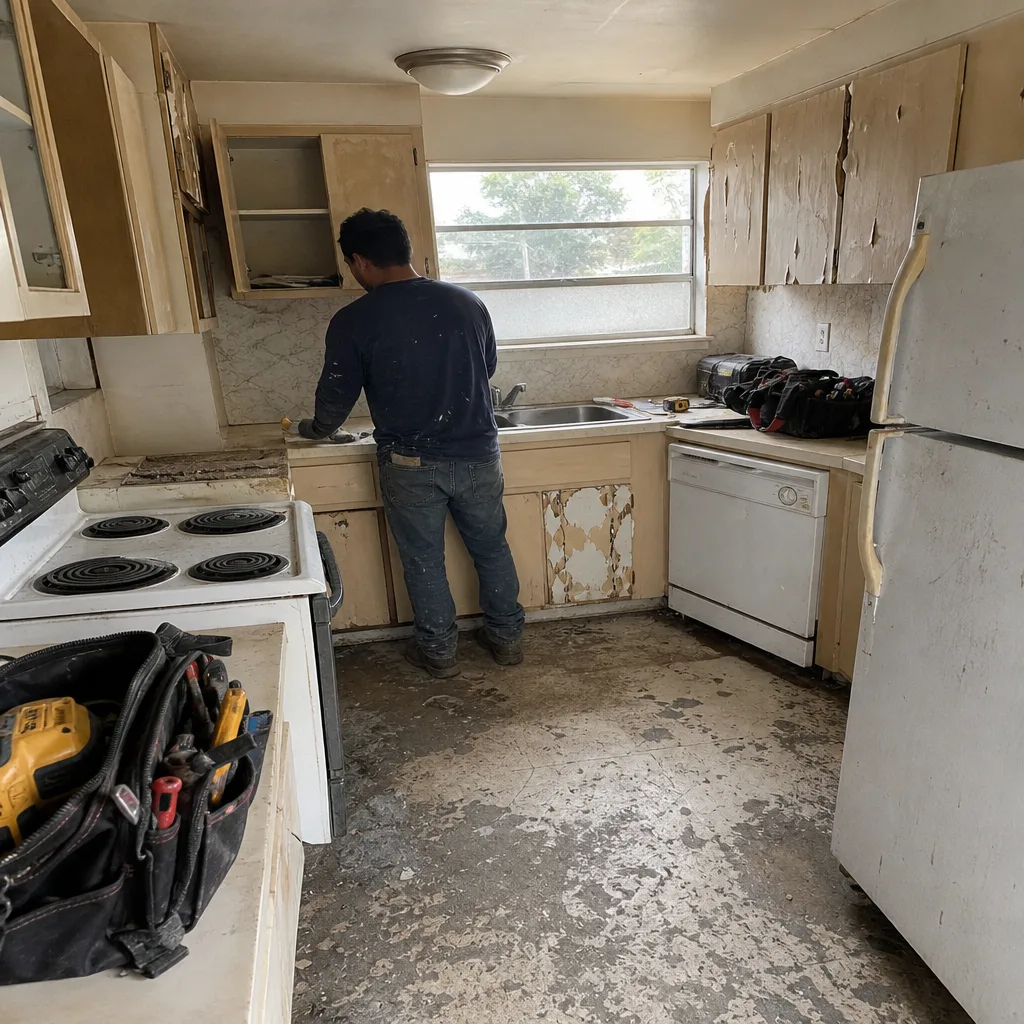 Before
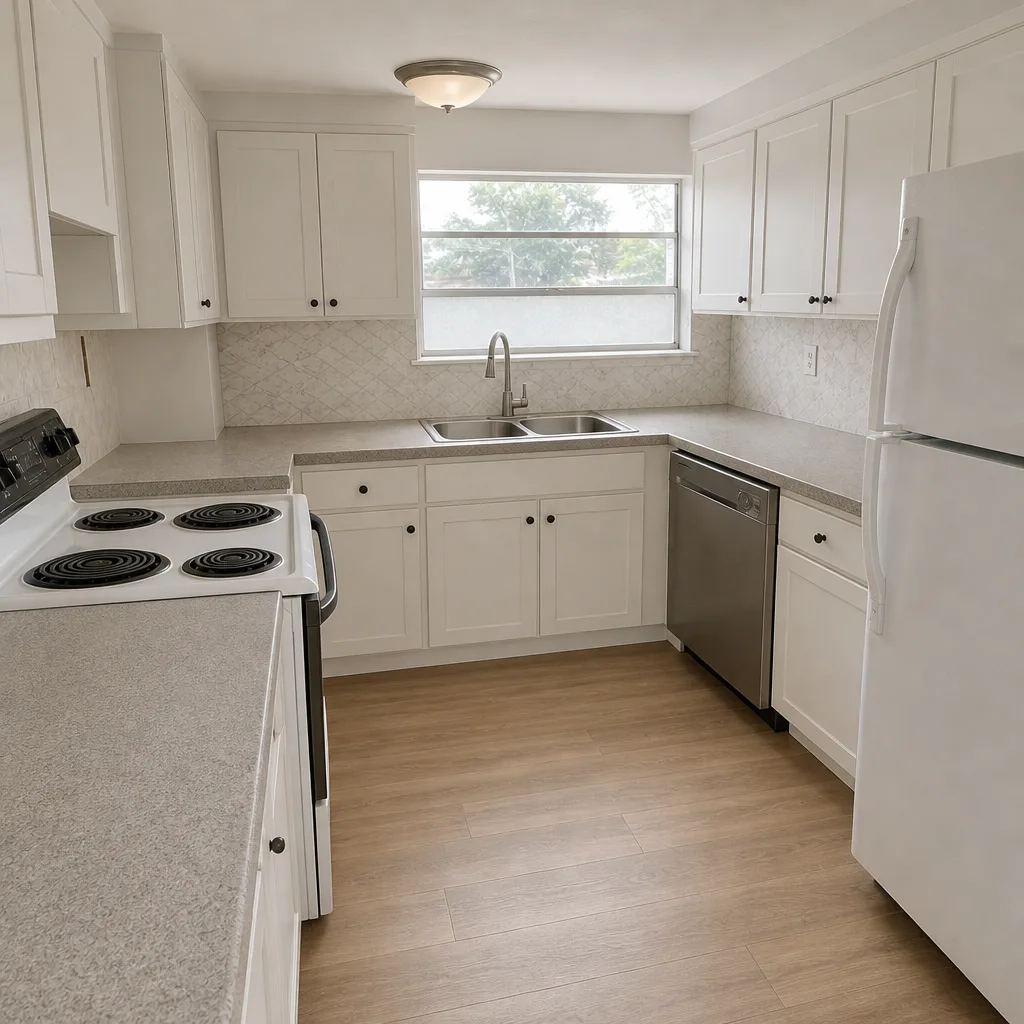 After
Frequently Asked Questions

Twice a year: once in April or May before hurricane season, and once in November after the wet season. That seam is the highest-probability leak point on the property, and a twice-a-year look catches shrinkage and fastener lift before water finds its way inside the wall.
Yes. An ADU typically has its own electrical panel, its own water heater, and its own mini-split HVAC system, and each of those needs an independent maintenance interval. Folding the ADU into the main house’s schedule is how the ADU’s mini-split filter ends up two years overdue.
Around $150 in this market. Schedule it after final inspection and the certificate of occupancy, not during construction; the report has to reflect the finished structure. The premium reduction on the combined structure usually covers the cost within a year or two.
Look for differential settlement: a visible step in the exterior finish at the joint, cracks in the interior slab near the joint line, or door frames on the addition side that have gone out of square. Small movement in the first three years is normal; sudden movement after year four needs a professional look. Call (844) 320-5198 for a documented inspection if you’re unsure what you’re seeing.
Yes, and warranties for roofing (GAF, Owens Corning), windows (PGT, CGI), and HVAC equipment commonly state a maintenance interval that must be documented. Save every receipt and log the date, technician name, and license number; that record is what gets a claim approved or denied.
No. Newer construction has its own vulnerabilities at the seams while settlement is still happening, and Miami Gardens’ wind-driven rain in a named storm tests flashing that looks fine in an ordinary rain. The April and May inspection is the cheapest insurance on the calendar. Call (844) 320-5198 to schedule; estimates are free.
The Bottom Line
An addition or ADU doesn’t inherit the original house’s maintenance list; it earns its own. Build the calendar around the seams, not around a generic checklist: April and May for pre-hurricane inspection, November for post-wet-season water intrusion, December and January for HVAC, February and March for panel and water heater service. Inspect the four structural seams on a fixed schedule. Keep documented service records so the manufacturer warranties on your roofing, windows, and HVAC actually hold. And get the wind mitigation re-inspection done after final inspection so the insurance credits on the combined structure reflect what you built.
If you’d like a documented inspection of any addition or ADU on your property, or if you’re planning one, Home Additions & ADU in Miami Gardens is the place to start. For related work on the property, see our Rowan Construction Group Miami Gardens home page, Driveway & Pavers in Miami Gardens, and Fence Installation in Miami Gardens pages.
Contact
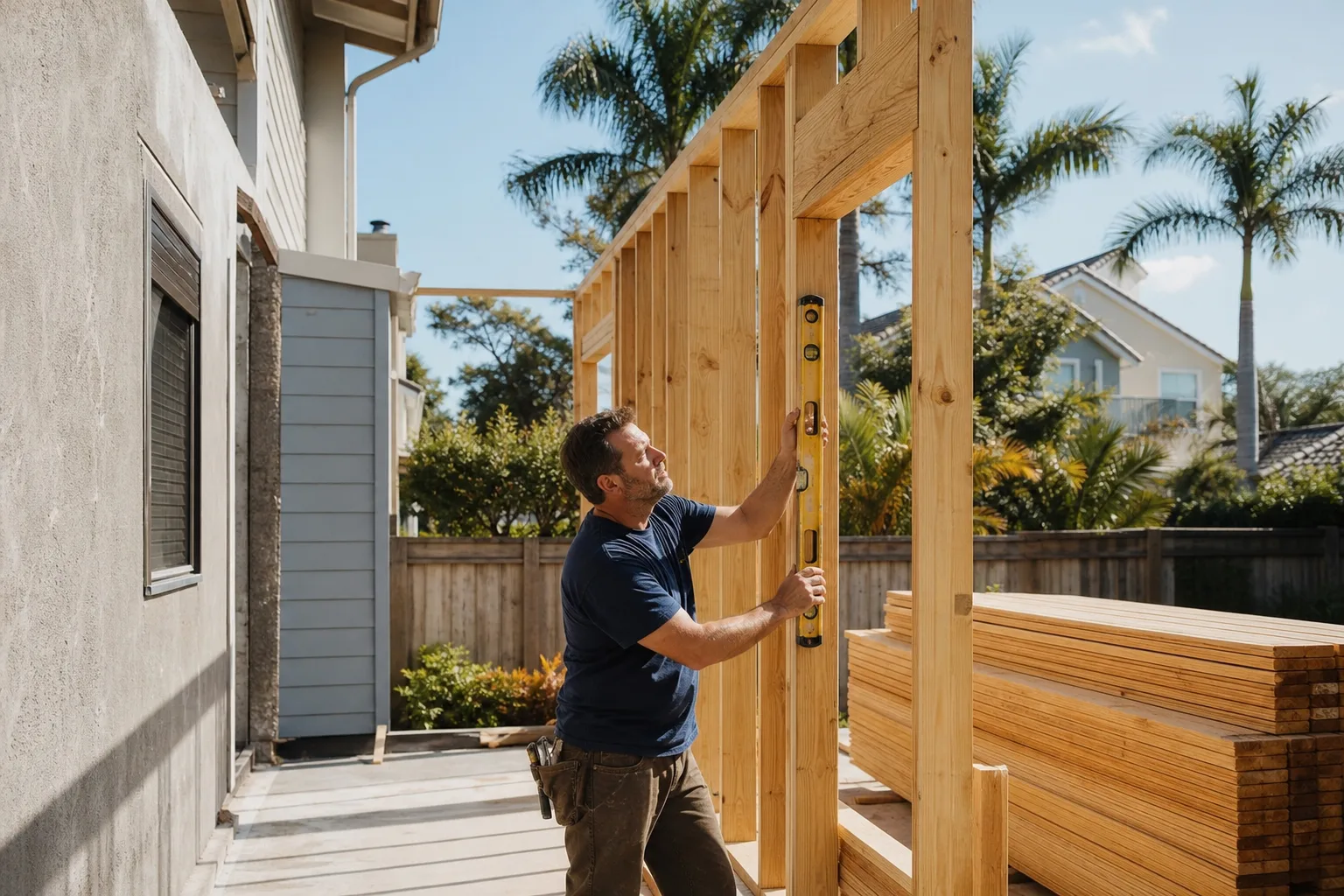
Call (844) 320-5198 for a free estimate. Rowan Construction Group Miami Gardens delivers a written price before any work starts, on every project, every time; if the numbers don’t hold, the change order doesn’t get signed. Bring a competitor’s written estimate for a free second opinion, line by line, at no charge.
Written by the team at Rowan Construction Group Miami Gardens.