Last updated November 18, 2026

Free written scope consultation - allowances, timeline, and change-order rules on paper before a single trade is scheduled
Choosing the Right Construction Brand: A Buyer’s Guide for Miami Gardens
A shingle that sells by the truckload in Ohio or Georgia can be illegal to install on a roof in Miami Gardens. Not frowned upon, not a warranty workaround, actually prohibited by the county code that governs construction in the High-Velocity Hurricane Zone. The reason is approval, not quality: every roofing product installed here needs a current Miami-Dade Notice of Acceptance, a county-specific document that sits above the standard Florida Product Approval. Install a product without one and you have voided the permit and the manufacturer warranty at the same moment. This guide walks through how the approval system works, how to check any material in two minutes, and how the big brands actually compare for South Florida conditions.
Quick Answer
To choose a construction brand in Miami Gardens, verify the specific product line carries a current Miami-Dade Notice of Acceptance or Florida Product Approval before you compare anything else. Brand reputation, national sales rank, and price all come second. A well-known brand with no approval number for that exact product cannot be legally installed in a permitted Miami-Dade assembly, no matter how good it is. Once approval is confirmed, compare wind ratings, warranty terms for South Florida, and written price.
Styles & brands we work with
- Kitchen remodeling
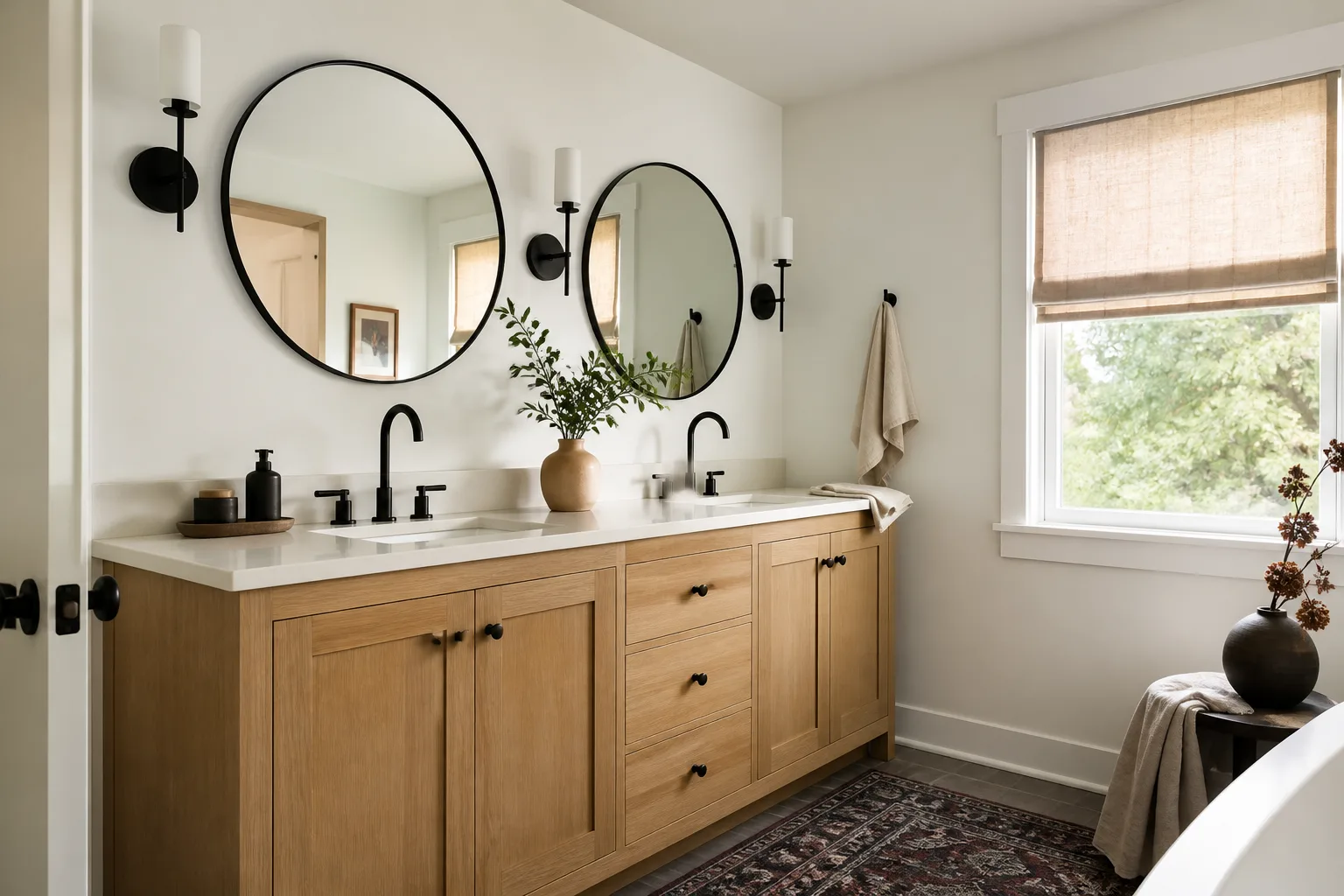
- Bathroom remodeling
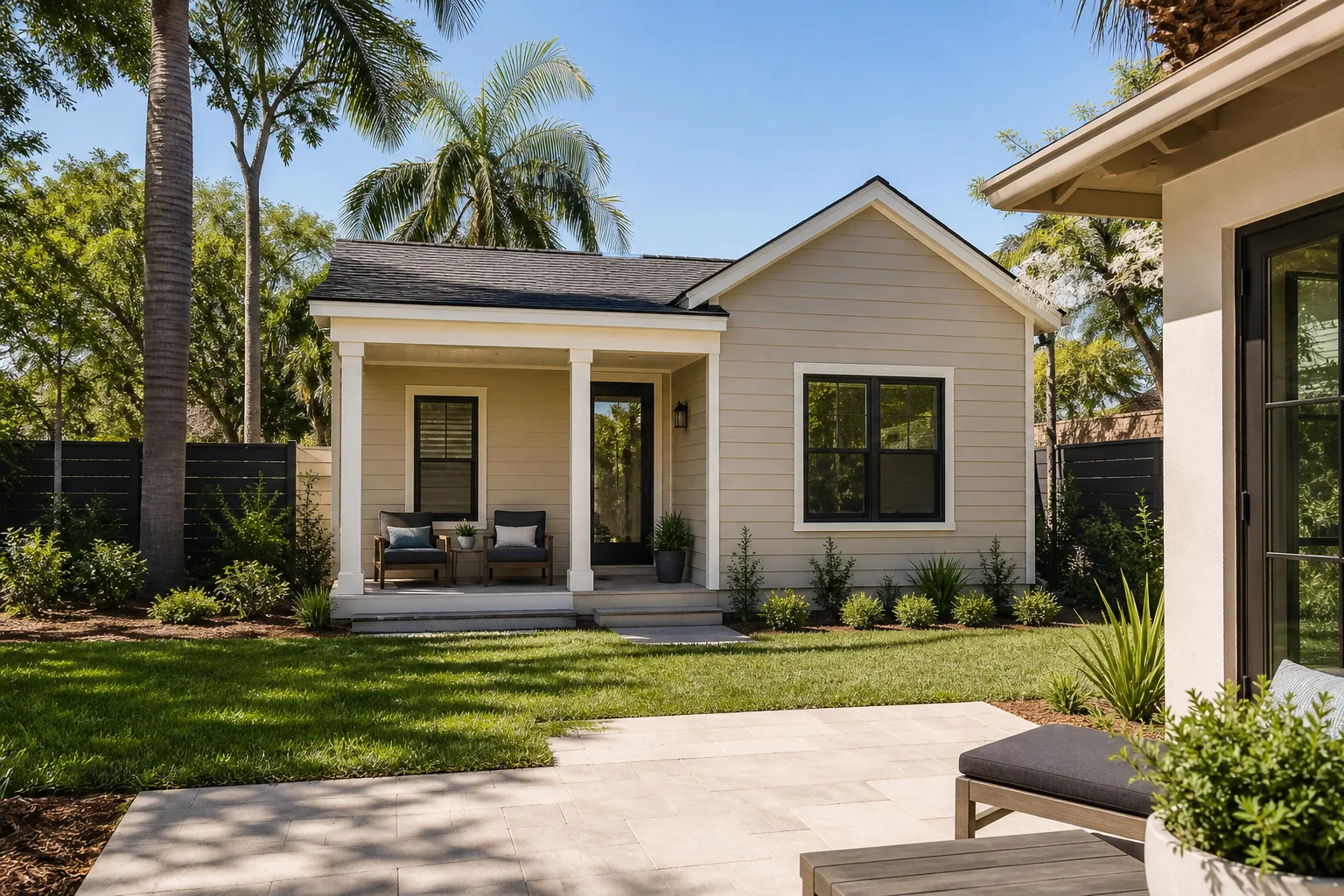
- Home additions & ADU
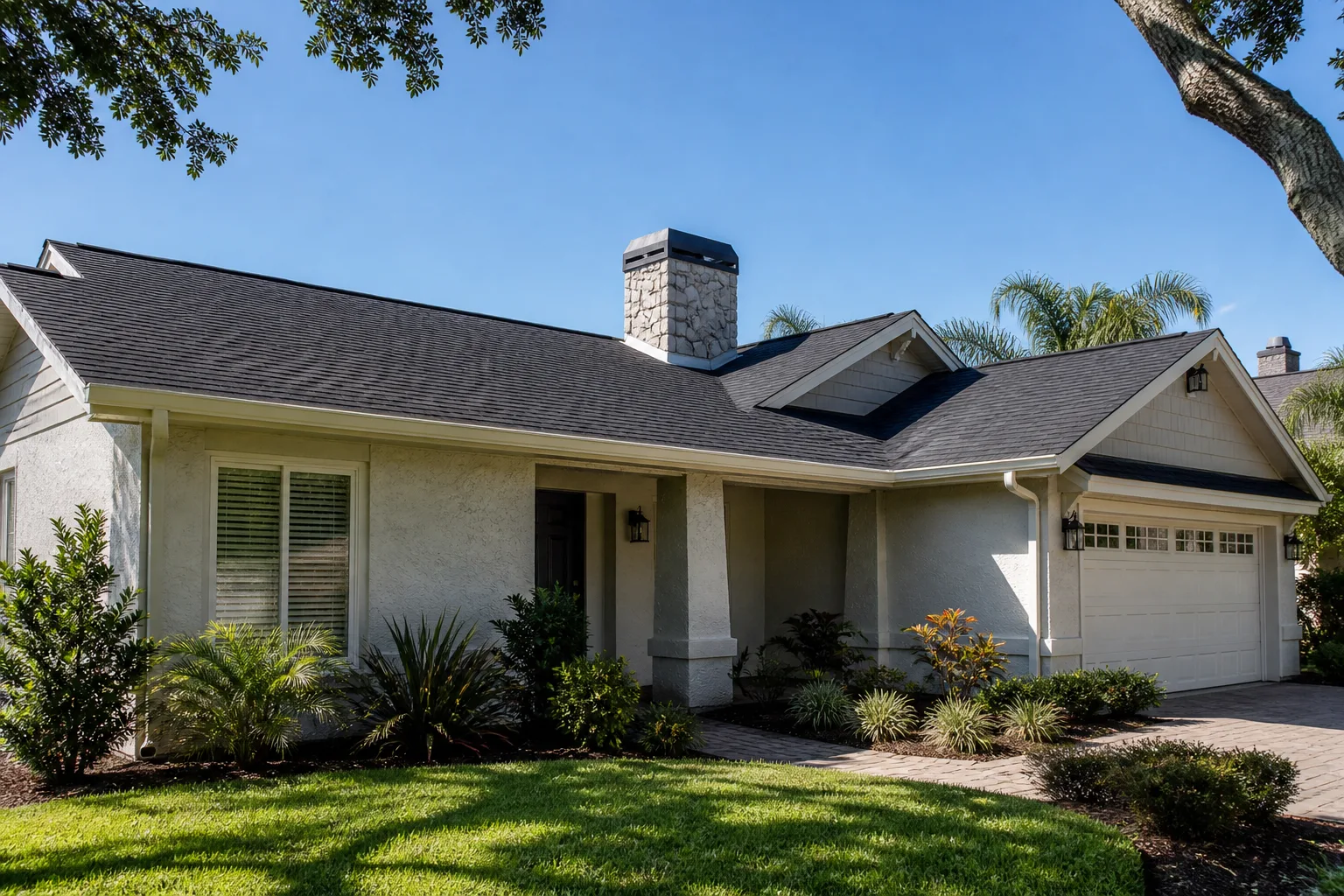
- Roofing
- Windows & doors
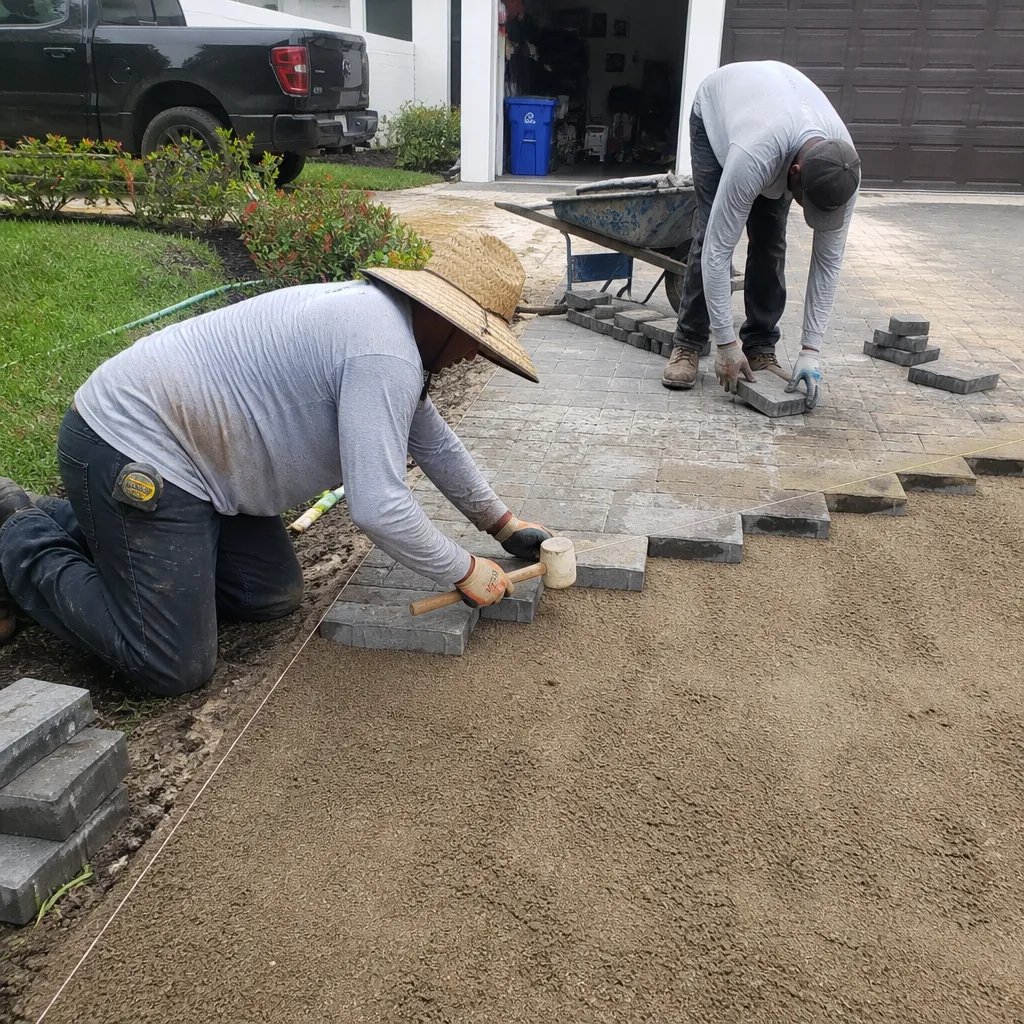
- Driveway & pavers
- Fence
Table of Contents
- Why Approval Comes Before Brand in Miami Gardens
- How to Check Any Material’s Approval in Two Minutes
- Roofing Brands Compared for Miami Gardens Conditions
- Impact Window Brands: DP Ratings and Price Tiers
- Concrete Block: Compressive Strength and Moisture
- National Warranties vs. Florida-Specific Extensions
- How Material Choice Affects Permit Review Time
- What “Approved Equal” Means and How to Use It
Why Approval Comes Before Brand in Miami Gardens
Miami-Dade County runs a product control system that most of the country does not. Because the county sits inside the High-Velocity Hurricane Zone, every component of the building envelope that affects wind resistance has to be tested and approved for use here. That covers roofing underlayments and shingles, impact glazing, garage doors, exterior doors, and the fasteners that hold them down. The document proving it is a Notice of Acceptance, usually shortened to NOA, issued by the county’s Building Code Compliance Office.
A Florida Product Approval, or FPA, is the statewide version. An NOA is the county-level approval that supersedes it for roofing and other envelope work inside Miami-Dade. A product can hold a valid FPA and still lack an NOA, which means it cannot go on a permitted roof here. We see this trip up out-of-state product lines all the time: a manufacturer expands into Florida, gets a statewide approval, and assumes it is done. It is not.
Why does this matter to you as a buyer rather than a builder? Three reasons:
- The permit will be rejected at plan review without the approval documentation, and your project stalls while someone sorts it out.
- An inspection can fail even after installation if the approved product on file does not match what went on the roof or in the wall.
- The manufacturer’s warranty typically requires installation of an approved product by a qualified installer. No approval means no warranty coverage, even if the failure has nothing to do with the approval.
In Miami Gardens specifically, the housing stock is a mix of mid-century concrete block homes and newer construction, and both have to meet the same envelope rules. A brand conversation that starts with appearance and skips approval is a conversation that ends at the permit counter.
How to Check Any Material’s Approval in Two Minutes
You do not need a contractor’s login or a code consultant to verify a product. The county publishes this information, and any homeowner can look it up before signing anything. Here is the process we walk customers through:
- Ask for the exact product name and, ideally, the approval number. “Impact windows” is not a product; “PGT WinGuard vinyl single-hung, model number X” is. The approval attaches to the specific line and configuration, not the brand as a whole.
- Open the Miami-Dade Building Code Compliance Office product search portal, often called BCIS, and search by manufacturer or by the NOA number on the product label.
- Confirm the document is current, not expired. NOAs carry expiration dates and get revised. A valid approval from four years ago that lapsed does not count.
- Match the approval scope to your project. The document lists the specific assemblies it covers: shingle over specific underlayment on specific decking, for example. An approval for one assembly does not bless a different one.
- Save a screenshot of the result. Put it in your project folder. It costs nothing and it settles arguments later.
For statewide products, the Florida Department of Business and Professional Regulation maintains a separate product approval search. Start there for non-roofing items, then check the county NOA if the product touches the roof. Two search boxes, five minutes, and you know more about your material than most of the bids you will receive. That search is the single highest-value thing a buyer can do in this market.
Roofing Brands Compared for Miami Gardens Conditions
Miami Gardens roofs take a combination of sun, salt-laden air pushed inland from the coast, and summer rain that arrives sideways. The shingle lines that dominate national sales charts are not automatically the lines approved for this county. Here is how three of the biggest architectural shingle families stack up, with the caveat that approval attaches to specific product lines and assemblies, so confirm the exact SKU.
- GAF Timberline HDZ. Widely specified in South Florida and generally available with current Miami-Dade approvals for standard assemblies. The line carries a strong wind rating and GAF offers a Florida-specific warranty option when installed by a certified contractor. Expect it to sit in the middle-to-upper price tier for architectural shingles.
- Owens Corning Duration. The direct competitor to Timberline and similarly well-represented in the county approval listings. Duration uses a proprietary nail strip and sealant design aimed at wind uplift. Also mid-to-upper tier and a legitimate alternate when a specified brand is back-ordered.
- CertainTeed Landmark. The third of the major families, with a long track record in Florida and approval coverage for common assemblies. Landmark tends to price a touch below the other two in our experience, which is worth knowing when the budget is tight and the spec is flexible.
The differences between these three, once all are approved and installed to spec, matter less than installation quality. Underlayment selection, fastener pattern, nail placement, and decking condition drive roof life in this climate far more than brand loyalty. Any of the three, done right, will perform. None of them, done wrong, will.
One local note: after a windstorm, we’ve seen insurance adjusters ask for the NOA number and the permit record on the roof before they process a claim. A roof installed with unapproved product, or without the paperwork, can complicate that claim. If your roofing scope is part of a larger project, our Rowan Construction Group Miami Gardens home page covers how we sequence trades.
Impact Window Brands: DP Ratings and Price Tiers
Impact windows are the other envelope product where approval and performance are inseparable. The number to look for is the DP rating, short for Design Pressure, which describes the wind load the unit is tested to withstand. Miami-Dade rules set minimums, and the higher the DP, the stronger the unit and usually the higher the price.
- PGT WinGuard. The best-known impact line in Florida and the one most homeowners have heard of. WinGuard covers a range of configurations with approvals across the common sizes. It is not the cheapest option, and part of what you pay for is the recognition and the warranty structure.
- CGI Sentinel. A Florida-focused manufacturer that competes directly with PGT on price and often undercuts it on comparable configurations. Approval coverage is solid for standard residential sizes. Worth pricing alongside PGT before deciding.
- Andersen 100 Series impact. A fibrex-frame line with impact glazing. Andersen’s national warranty structure is well documented, but confirm the specific Florida approval for the unit you are quoted. Andersen 100 tends to sit in the upper price tier.
For all three, the approval attaches to the unit size and configuration. A large picture window and a small casement are separate approvals even within the same brand family. Ask for the NOA matching each opening in your quote, and verify it yourself on the county portal. We include that documentation with every window scope, and the photo record we deliver at project close shows the labels and approvals in place.
Windows and doors share a schedule with the rest of the envelope work, and sequencing matters. If windows are one piece of a larger plan, our guide to Home Additions & ADU in Miami Gardens explains how envelope work fits the timeline.
Concrete Block: Compressive Strength and Moisture
Exterior walls in Miami Gardens are concrete block for a reason: block resists wind and moisture better than most alternatives and has a long history in South Florida construction. Two suppliers dominate the supply in this market: Florida Rock (now part of Argos) and Oldcastle (now part of CRH). Both make good block, and the differences that matter are visible on the spec sheet rather than the brand name.
- Compressive strength. Measured in PSI, and the county minimum for load-bearing walls is well documented. Block that fails the spec fails the inspection, regardless of supplier.
- Moisture absorption. Block is porous, and the absorption rate determines how much water a wall takes in before it dries. Lower is better in a humid climate. A block with high absorption and a flawed stucco assembly is a recipe for moisture that shows up as interior paint blistering two summers later.
- Dimensional accuracy. Block that is consistently sized takes mortar better and produces straighter walls. Cheaper block sometimes means looser tolerances.
Ask your mason for the supplier and the test data. If a bid cannot tell you which block is going in the wall, that tells you something about the bid. Block and stucco also interact with fencing and site work, which is why our Fence Installation in Miami Gardens guidance covers how we coordinate site trades.
National Warranties vs. Florida-Specific Extensions
A manufacturer’s warranty is one of the things you think you are buying when you choose a brand. Read it carefully, because a warranty written for a national market does not always cover the conditions South Florida creates. A few distinctions to know:
- Standard national warranty. Usually covers manufacturing defects only, with exclusions for wind damage above certain speeds, improper installation, and failure to use approved components. These exclusions are broad.
- Florida-specific extension. Several brands offer enhanced coverage or enhanced wind warranties for installations in Florida when the product is installed by a certified contractor to spec. GAF and Owens Corning both offer variations of this on roofing. Ask specifically whether the extension applies, and get it in writing.
- Installation warranty. The manufacturer’s warranty covers the material. Your installer’s workmanship warranty covers the labor. You want both, in writing, and you want to know their lengths.
The rule we follow: never accept a warranty promise you cannot read. If a bid says “20-year warranty” but does not identify whose warranty, for what, ask. The 365-Day Done Right Promise from Rowan Construction Group Miami Gardens covers our workmanship for a full year and is printed on every page, but that does not replace a manufacturer warranty. Both should be documented in the contract.
How Material Choice Affects Permit Review Time
This is the part of brand selection that surprises homeowners: the material you choose can add two to four weeks to the start of your project before a single tool comes out of the truck. Plan review in Miami-Dade takes longer when the submittal includes a product that requires a new approval rather than one already on file.
Here is the difference in practice:
- Pre-approved product. The NOA is current, the assembly is listed, and the reviewer can check the box. Review proceeds on its normal timeline.
- Product needing a submittal. If the spec calls for a product without an existing county approval, or an assembly configuration that is not listed, the submittal process can add 10 to 20 business days to plan review. Sometimes more, if the county asks for clarification.
The lesson for buyers is simple: when you have a choice between two brands that both perform, choose the one with the current approval. It costs nothing and it saves weeks. We verify approvals before we write the scope so the submittal is clean the first time. On site work like paving, the same principle applies to product specification; our Driveway & Pavers in Miami Gardens page covers paver specification and permit requirements.
What “Approved Equal” Means and How to Use It
Supply delays happen. A specified shingle can go on back-order; a window lead time can stretch. In a contract, the clause that allows a substitution is “approved equal,” and it is a powerful tool if you understand how to use it properly. It means the contractor may substitute a different product that meets or exceeds the specified product’s performance, provided the substitution is approved in writing first.
To use it legally:
- Identify the proposed substitute with its exact product name and approval number.
- Submit the substitute to the owner or architect with documentation that it meets or exceeds the specified product’s wind rating, warranty terms, and approval scope.
- Obtain written approval before ordering. Verbal or text approval is not enough if a dispute arises later.
- Confirm the substitute is covered by the same permit, or file the amendment if not.
- Update the written scope and warranty documentation to reflect the substitute.
An “approved equal” clause protects you when supply fails, but only if the process is documented. That is why Clause 1 of the Haven Standard says no work proceeds on a change until the change order is signed. A substitution that is not documented is not an approved equal; it is an unapproved deviation, and it can void warranties and cost you on resale.
Common Mistakes to Avoid
- Starting with the brand name instead of the approval number. Ask “does this product have a current NOA?” before “is this a good brand?” in Miami Gardens, those are different questions.
- Assuming a statewide FPA covers a roof. Roofing in Miami-Dade requires a county Notice of Acceptance. An FPA alone is not enough, and this trips up out-of-state bids constantly.
- Verifying the brand rather than the exact product line. Approvals attach to specific assemblies and configurations. “PGT WinGuard is approved” does not mean your specific large picture window is.
- Accepting a warranty promise you have not read. “Lifetime warranty” without the document in hand is a marketing term, not a legal commitment.
- Skipping the “approved equal” process when a product is delayed. Informal substitutions can void both the permit and the manufacturer warranty simultaneously.
- Choosing a product without comparing total installed cost. A cheaper shingle that requires a product submittal can cost more in delay than the material savings.
- Not asking which block supplier the mason is using. Compressive strength and moisture absorption are on the spec sheet, and they matter in this climate.
See the difference
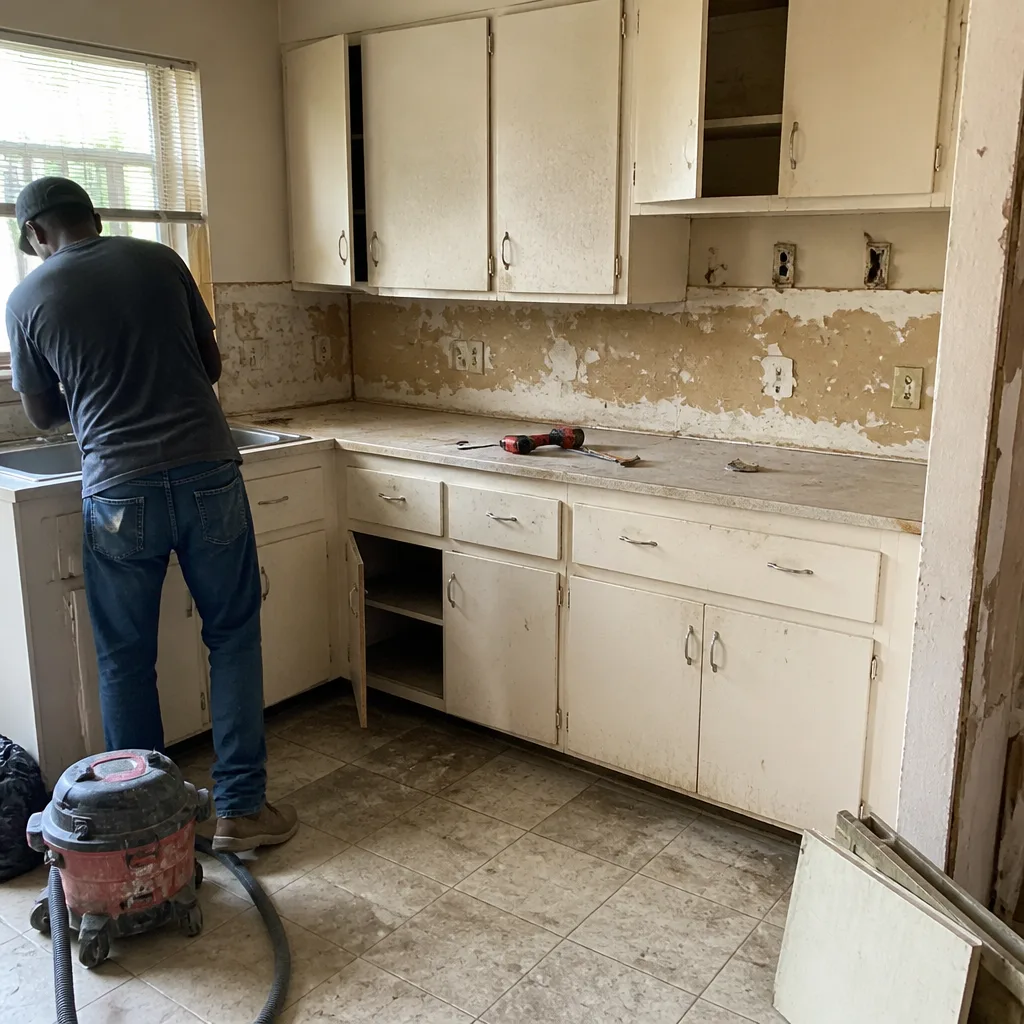 Before
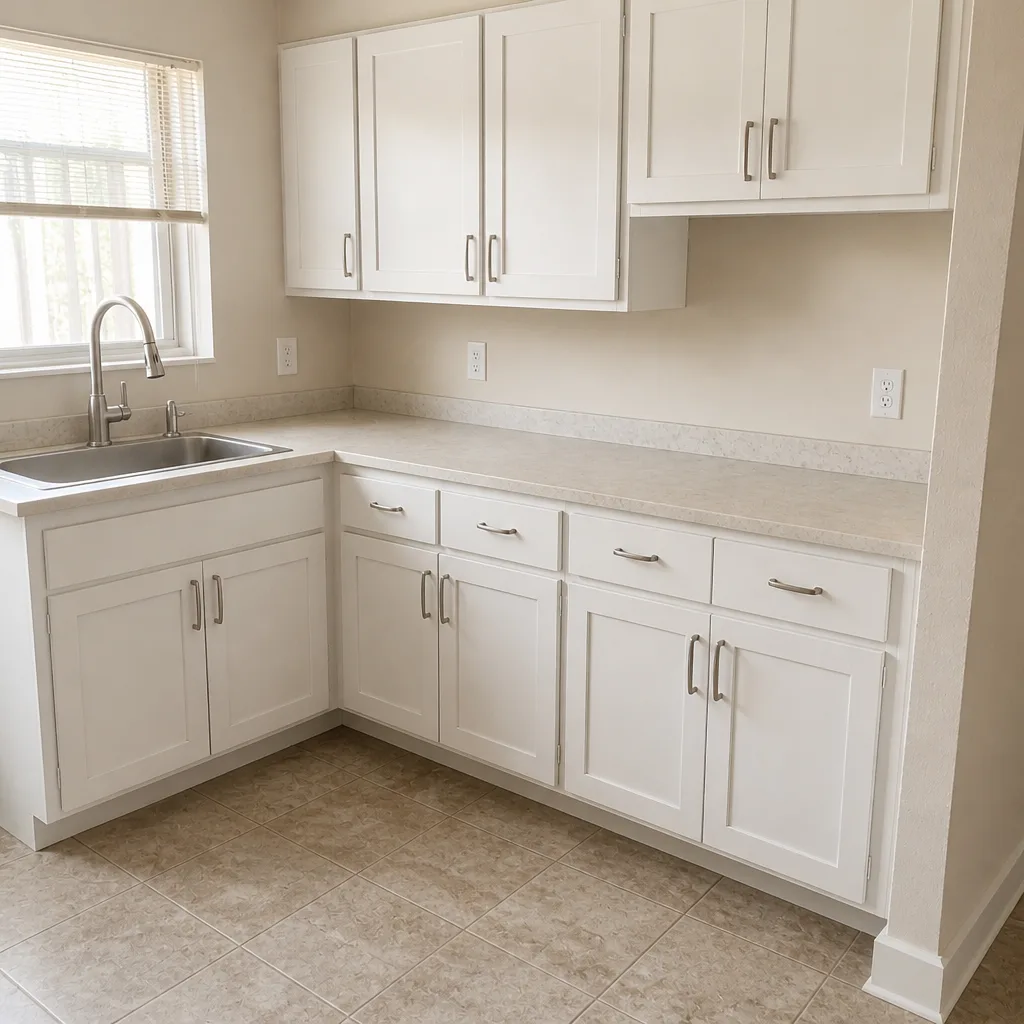 After
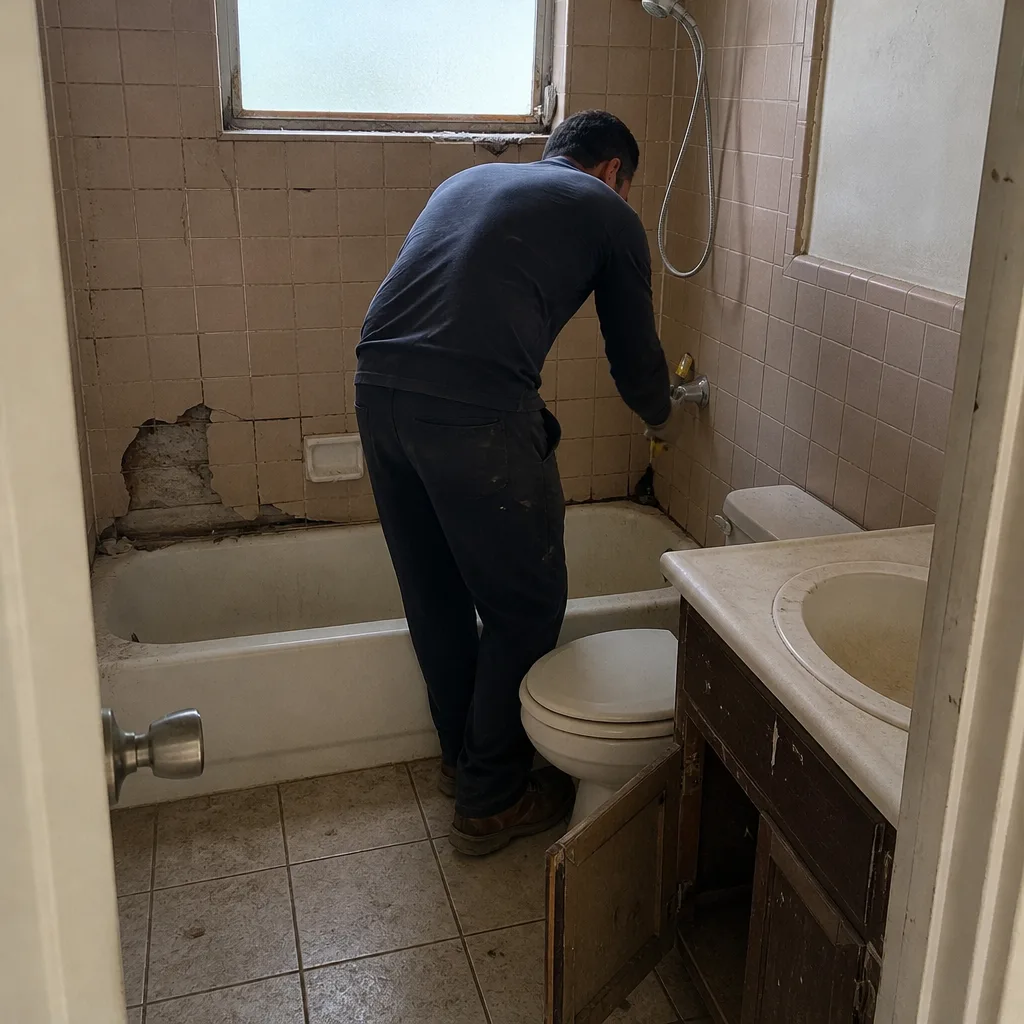 Before
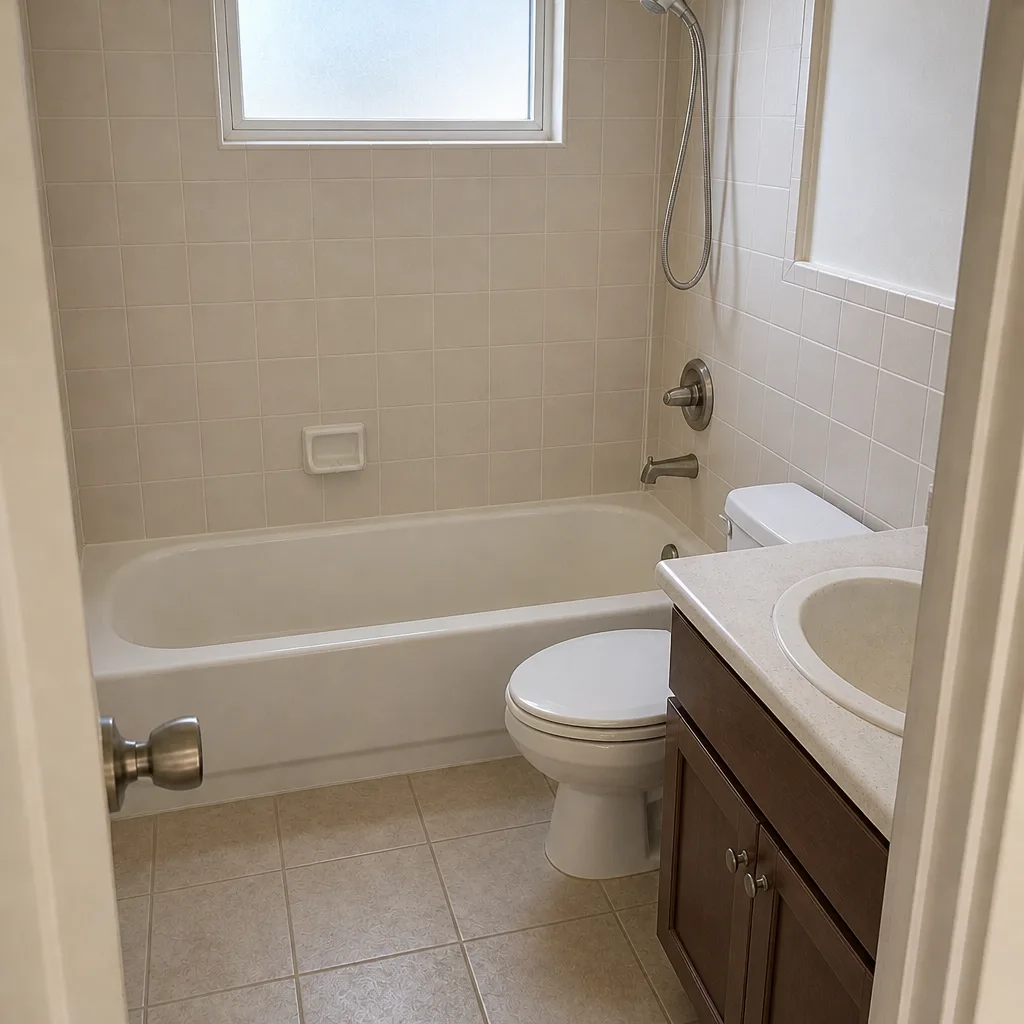 After
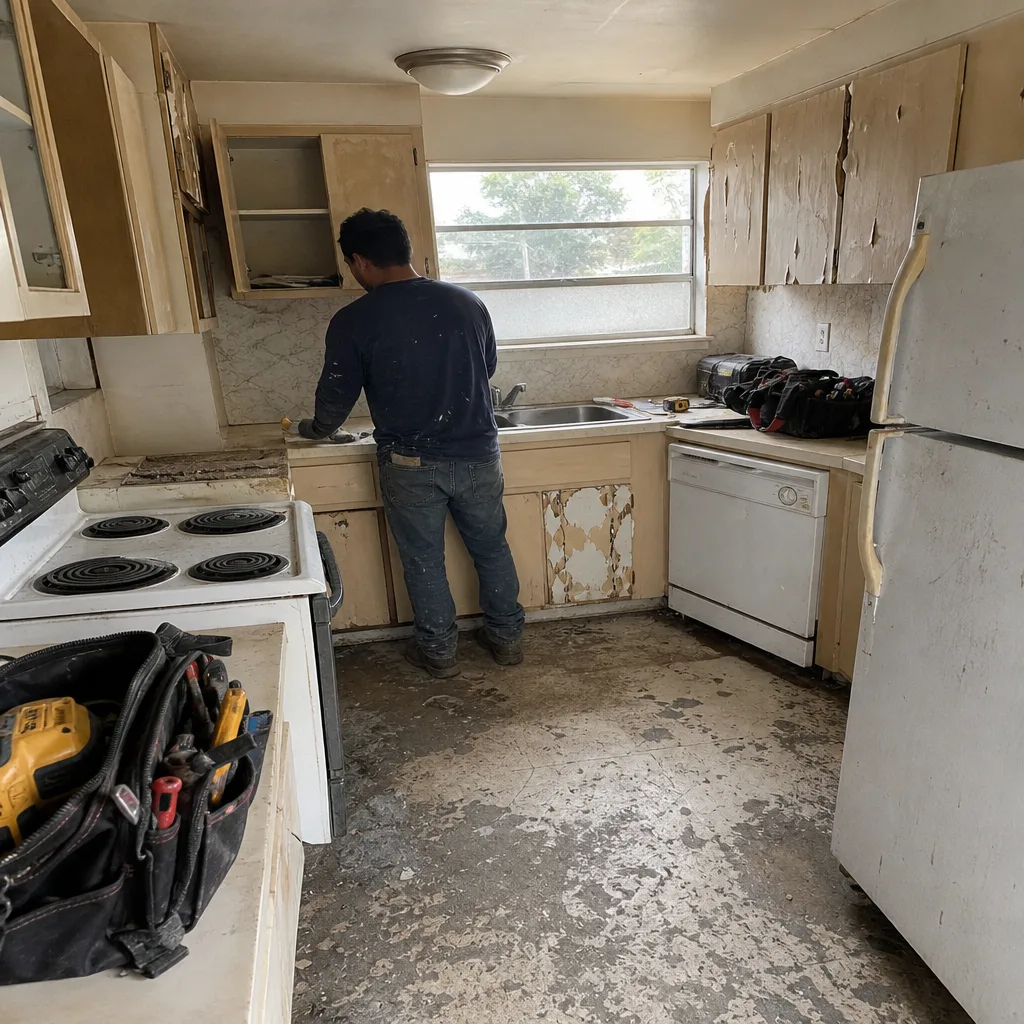 Before
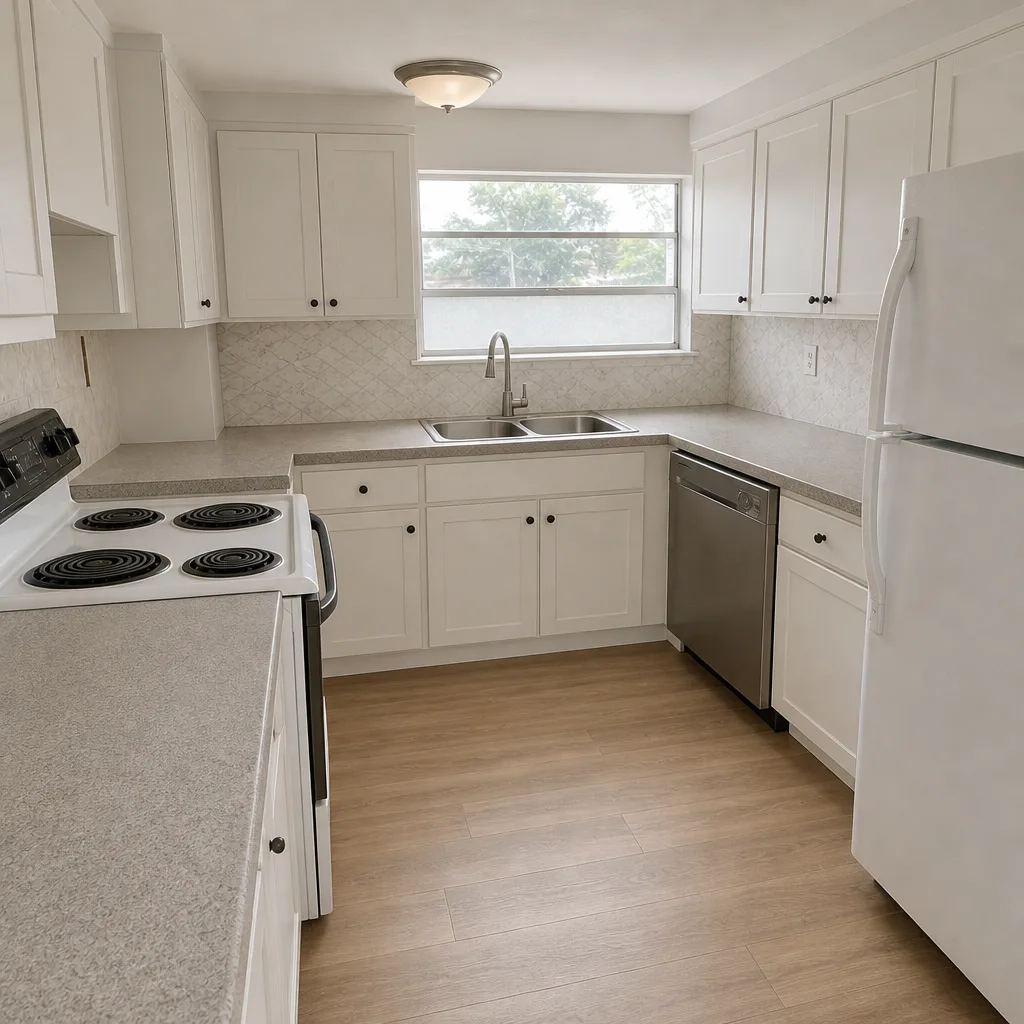 After
When to Call a Professional
If you are planning a roof, window, or envelope project in Miami Gardens and you are not sure whether a proposed material has current county approval, that is the moment to get professional eyes on it. The verification takes minutes, but the consequences of missing an approval issue range from rejected permits to insurance complications years later. In our experience the most common scenario is a bid that looks great on price until the permit is denied for a product without an NOA. We have up to 19 years of technician experience to bring to the review, and Rowan Construction Group Miami Gardens offers free estimates and a free second opinion on any written estimate. Call (844) 320-5198 to schedule yours.
Frequently Asked Questions
We recommend checking yourself on the county BCIS portal, and it takes about two minutes. Contractors should be verifying approvals already, and most quality contractors do, but doing the check yourself costs nothing and removes any ambiguity from your file. A current NOA for the exact product and assembly is the standard; anything else is a risk you are carrying.
No, for roofing and most envelope work it is not sufficient on its own. Miami-Dade requires a county Notice of Acceptance that supersedes the statewide FPA. A product can hold a valid FPA and still fail county plan review. Always check for the NOA specifically when the product is part of a permitted roof or exterior wall assembly.
Approved materials typically do not cost more; the cost is on the unapproved side. Unapproved product can add 10 to 20 business days to plan review, or get the submittal rejected outright, which pushes the project back further. You also carry the risk of a voided warranty and permit issues. Choosing the approved product is usually the cheaper path in total.
Neither is objectively better once both carry a current Miami-Dade NOA and are installed to specification. Both are strong architectural shingle lines with Florida-specific warranty options. In our experience the installation quality, underlayment selection, and fastener pattern affect roof life in this climate more than the choice between them. Compare installed price and written warranty, not brand loyalty.
Use the “approved equal” clause in your contract and submit a written substitution for review before ordering. Identify the substitute with its exact approval number, confirm it meets or exceeds the wind rating and warranty terms, and get written approval first. Do not let a contractor substitute a product verbally or over text, because an undocumented substitution can void both permit and warranty.
Yes. We verify approvals before we write the scope so the submittal is clean and plan review moves on its normal timeline. Our written price always includes the permit process, and no work proceeds until the change order is signed if a substitution is needed. Call (844) 320-5198 for a free estimate and we can walk through the approval status of the products in your scope line by line.
The Bottom Line
In Miami Gardens, choosing a construction brand starts with a two-minute check on the county portal, not a review of marketing material. Confirm the exact product line carries a current Miami-Dade Notice of Acceptance before you compare price, wind rating, or appearance. Then compare nationally known brands like GAF, Owens Corning, and CertainTeed on the dimensions that matter here: wind rating, Florida-specific warranty, total installed cost, and how the choice affects permit review time. Get the warranty and the “approved equal” process in writing. And when a bid looks too good, ask for the NOA. Call (844) 320-5198 for a free estimate and a line-by-line review of any written quote you’re considering.
Written by the team at Rowan Construction Group Miami Gardens.