Free written scope consultation - allowances, timeline, and change-order rules on paper before a single trade is scheduled
Styles & brands we work with
- Kitchen remodeling
- Bathroom remodeling
- Home additions & ADU
- Roofing
- Windows & doors
- Driveway & pavers
- Fence
See the difference
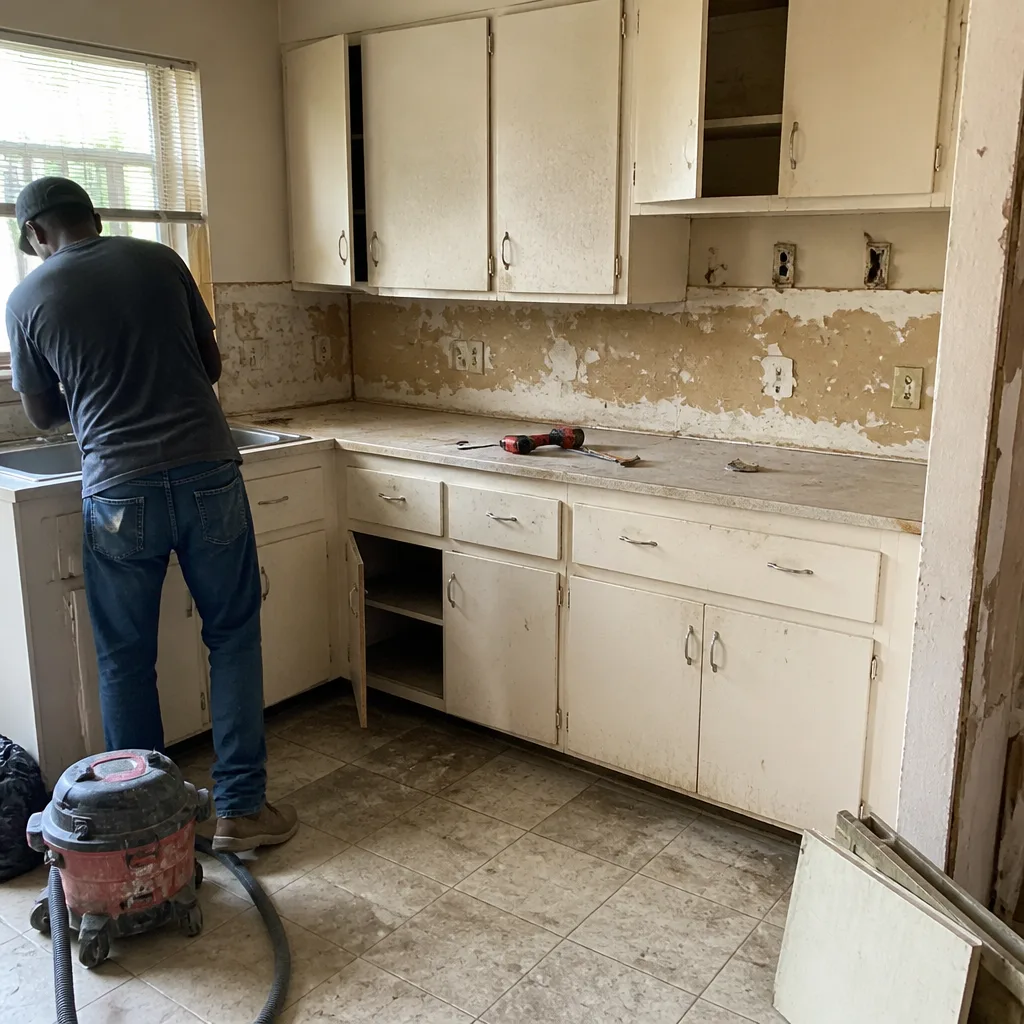 Before
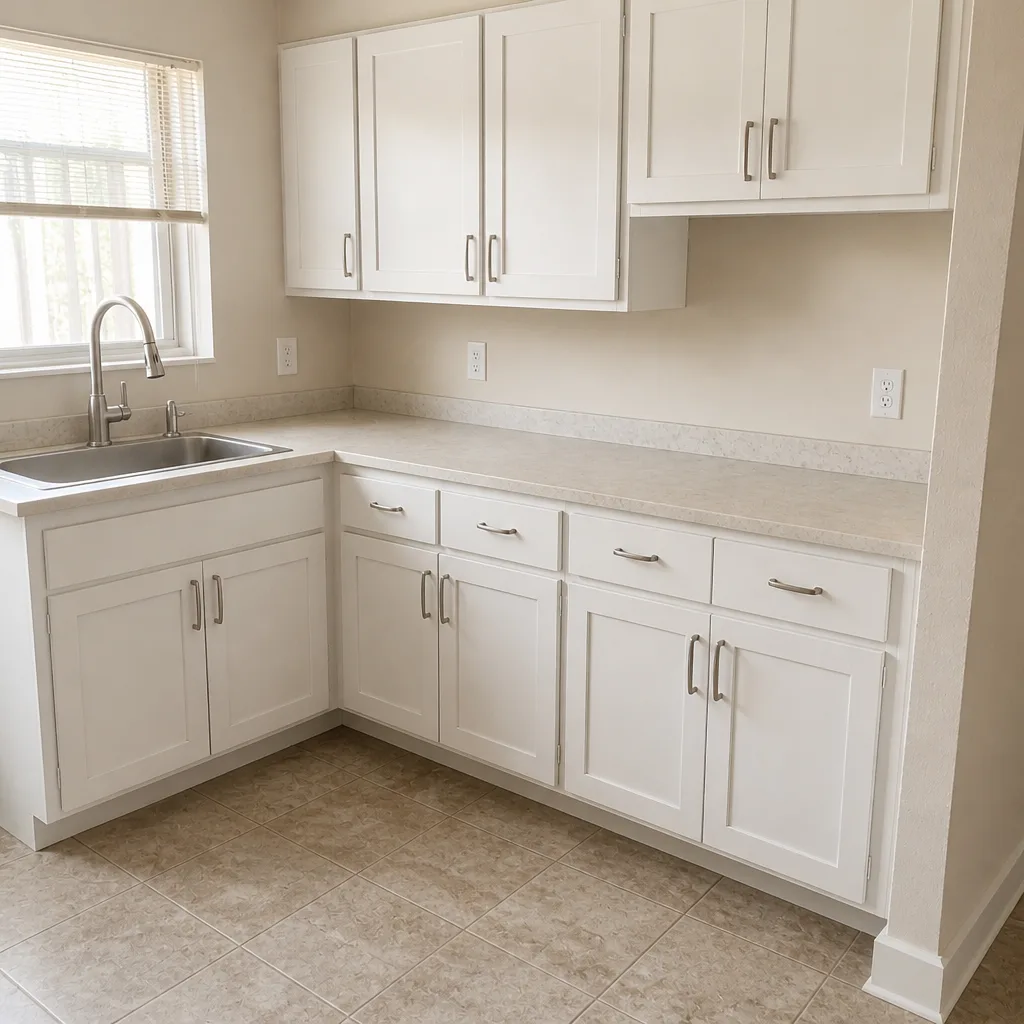 After
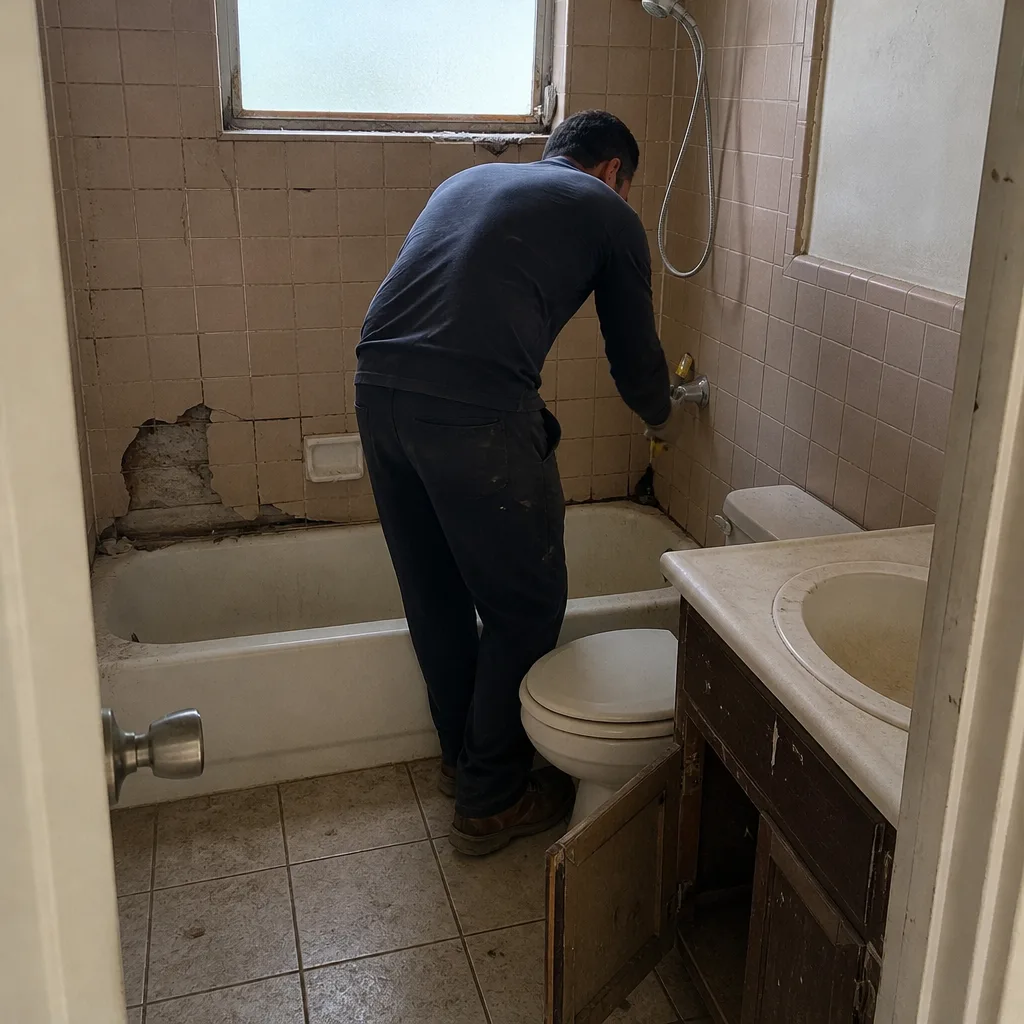 Before
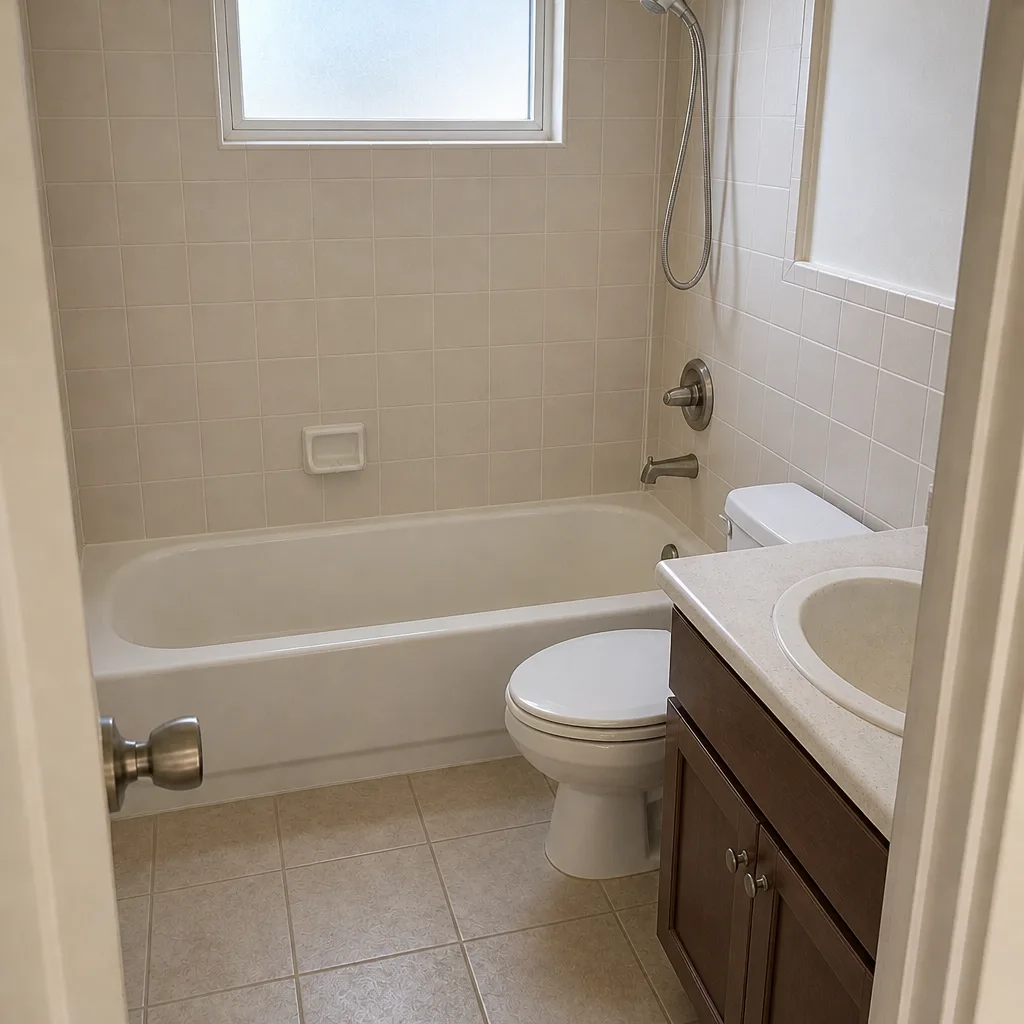 After
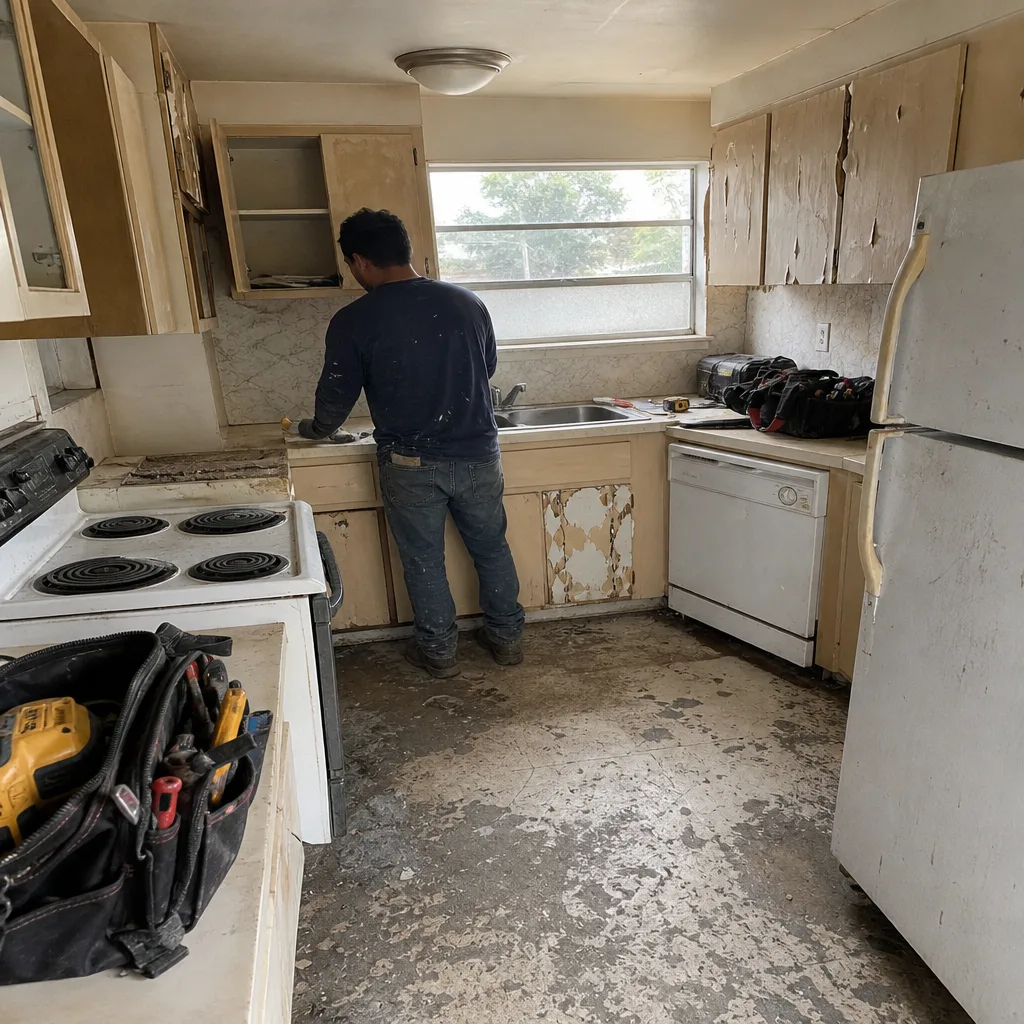 Before
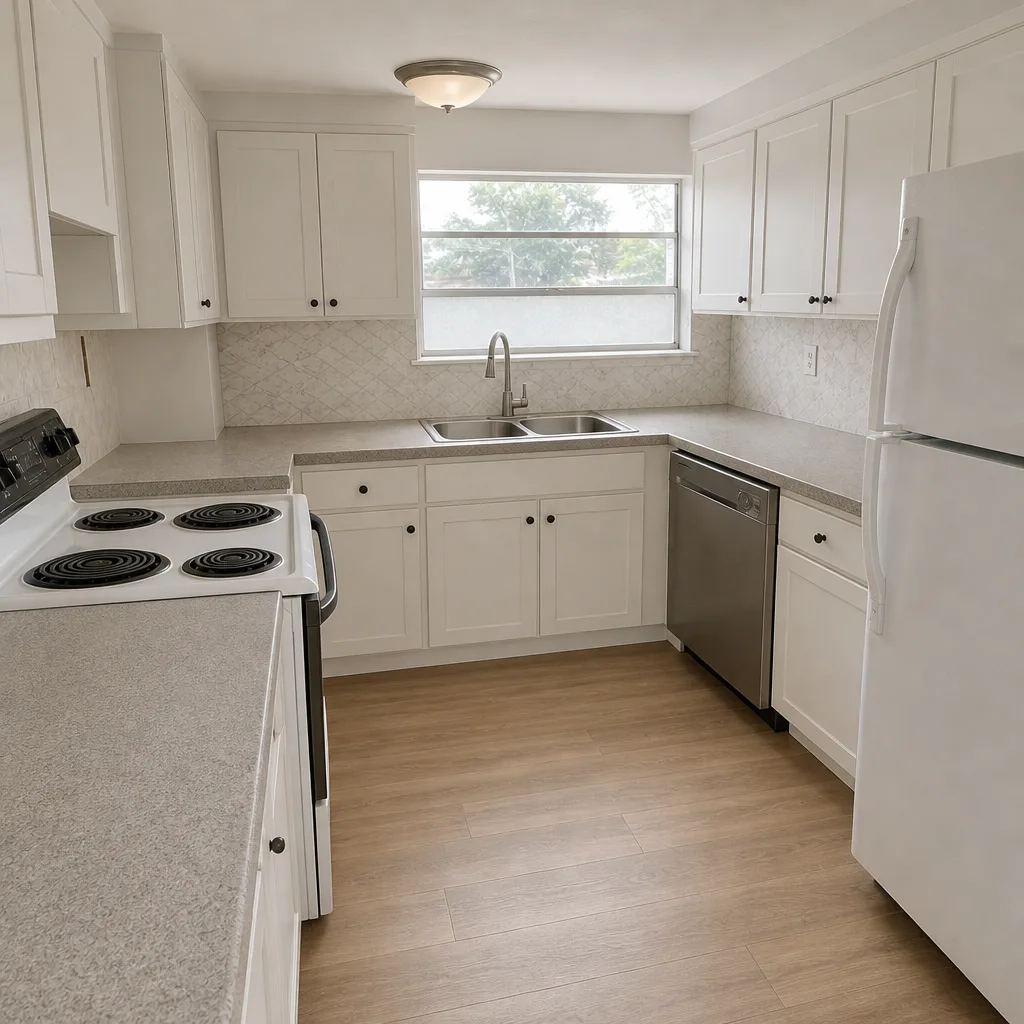 After
ADU Rules and Requirements in Miami Gardens, FL: What the County Actually Checks
Miami-Dade’s 2023 ADU ordinance allows one accessory dwelling unit per single-family lot, capped at 50% of the main home’s living area or 1,200 square feet, whichever is less, and the lot must generally meet a 5,000-square-foot minimum. But in Miami Gardens, the ordinance is only half the rulebook. Every ADU here also has to clear High Velocity Hurricane Zone (HVHZ) requirements, which means impact-rated windows and doors carrying a Miami-Dade NOA (Notice of Acceptance, the county’s product approval), and most 1960s CBS ranches need an electrical service upgrade before the county will permit a second dwelling. Call (844) 320-5198 and we’ll walk your parcel through both layers.
Miami Gardens was built out almost entirely between the 1950s and 1980s, so the typical lot holds a single-story concrete block and stucco ranch with an attached carport, a flat or low-pitch roof, and original aluminum or jalousie windows. That housing stock shapes ADU work here in ways it doesn’t in newer sprawl developments to the south. The block walls and pre-Andrew fenestration that define these homes are exactly what the county’s wind code wants brought up to date on any permitted addition.
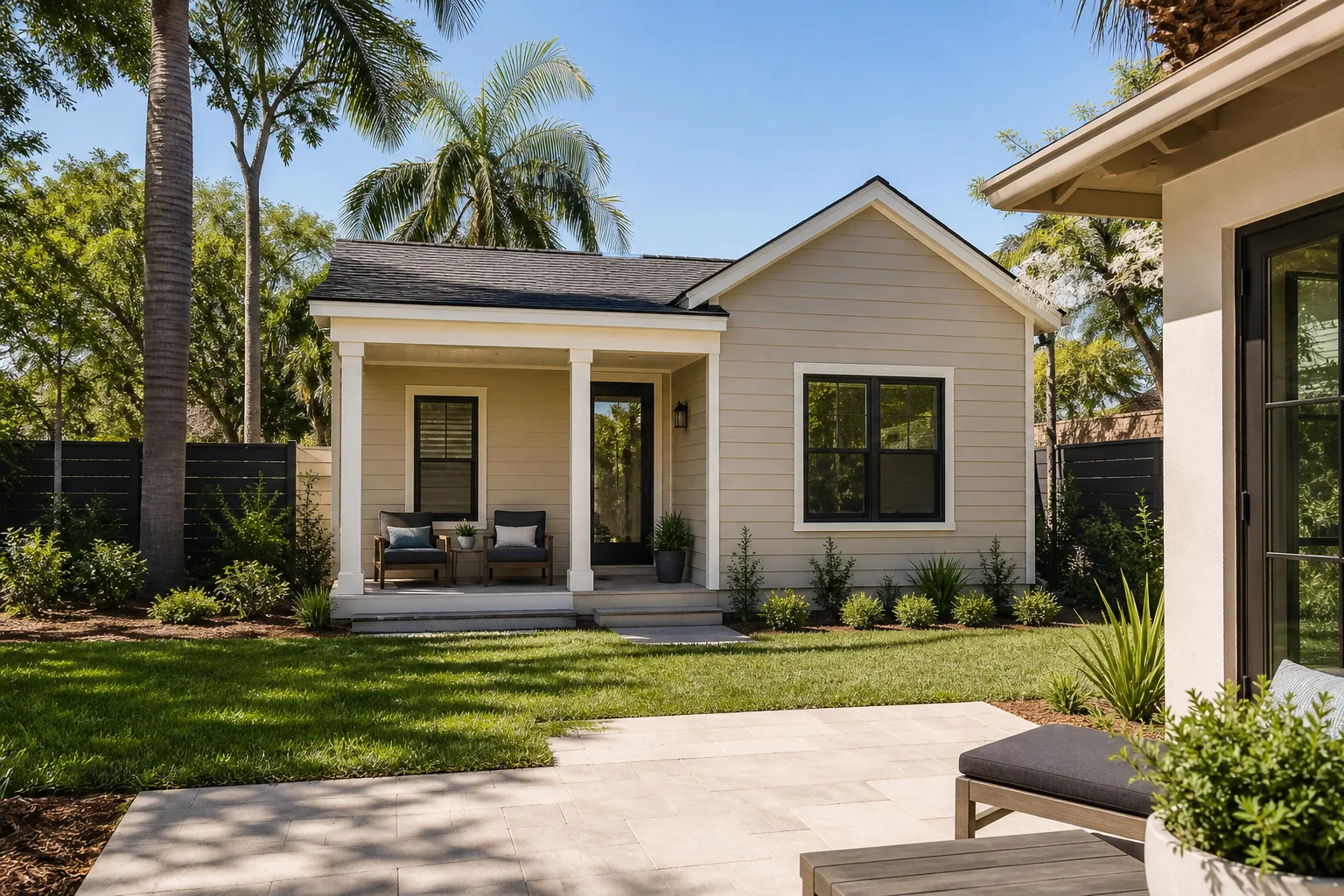
What Are the Core ADU Rules in Miami-Dade County?
The county’s ADU framework is more permissive than it was a few years ago, but the limits are firm and they stack on top of zoning, not in place of it.
- One unit per lot. A single-family parcel gets one ADU, whether it’s detached, attached, or converted from existing space.
- Size cap. The ADU cannot exceed 50% of the main home’s living area, or 1,200 square feet, whichever is smaller. A 1,600-square-foot house can support an 800-square-foot ADU at most.
- Lot size minimum. Generally 5,000 square feet, but Miami Gardens parcels need to be verified against Miami-Dade zoning for the specific address. Setbacks, lot coverage, and parking also apply.
- Kitchen and bath. To count as a dwelling unit rather than a room addition, the ADU needs its own cooking facility, sleeping area, and full bath.
- Separate utility capability. The county expects the ADU to be metered separately from the main house, which is the requirement that trips up the most homeowners.
Here’s the part most online guides skip: none of these allowances override the HVHZ building code. An ADU can be perfectly compliant with the zoning ordinance and still fail plan review because of a window spec or an undersized panel.
Why HVHZ Rules Change the ADU Conversation in Miami Gardens
Miami Gardens sits inside Miami-Dade’s High Velocity Hurricane Zone, the strictest wind code in the country. Every new window and door in an ADU must carry a Miami-Dade NOA number, meaning the product has been tested and approved for impact resistance at the county level. You can’t substitute a standard aluminum slider, and you can’t reuse the jalousie windows off the main house, even if they’re still functional. The new unit is new construction, and it gets treated as such.
This matters for two reasons. First, it sets a floor on material cost that a homeowner budgeting off a generic ADU calculator won’t see coming. Second, it often makes the whole-house conversation unavoidable: once a permitted addition with impact fenestration sits next to a main home still running single-pane aluminum, many owners decide to bring the house up to the same standard while the walls are open. If that’s on your mind, our impact window installation work pairs naturally with ADU construction.
The same logic applies to the roof. Any re-roof tied to the project needs NOA-approved materials and a wind-load calculation. On these low-slope 1960s roofs, we routinely find patched flat-roof sections from past storm repairs that were never permitted, and those have to be corrected before inspection will pass.
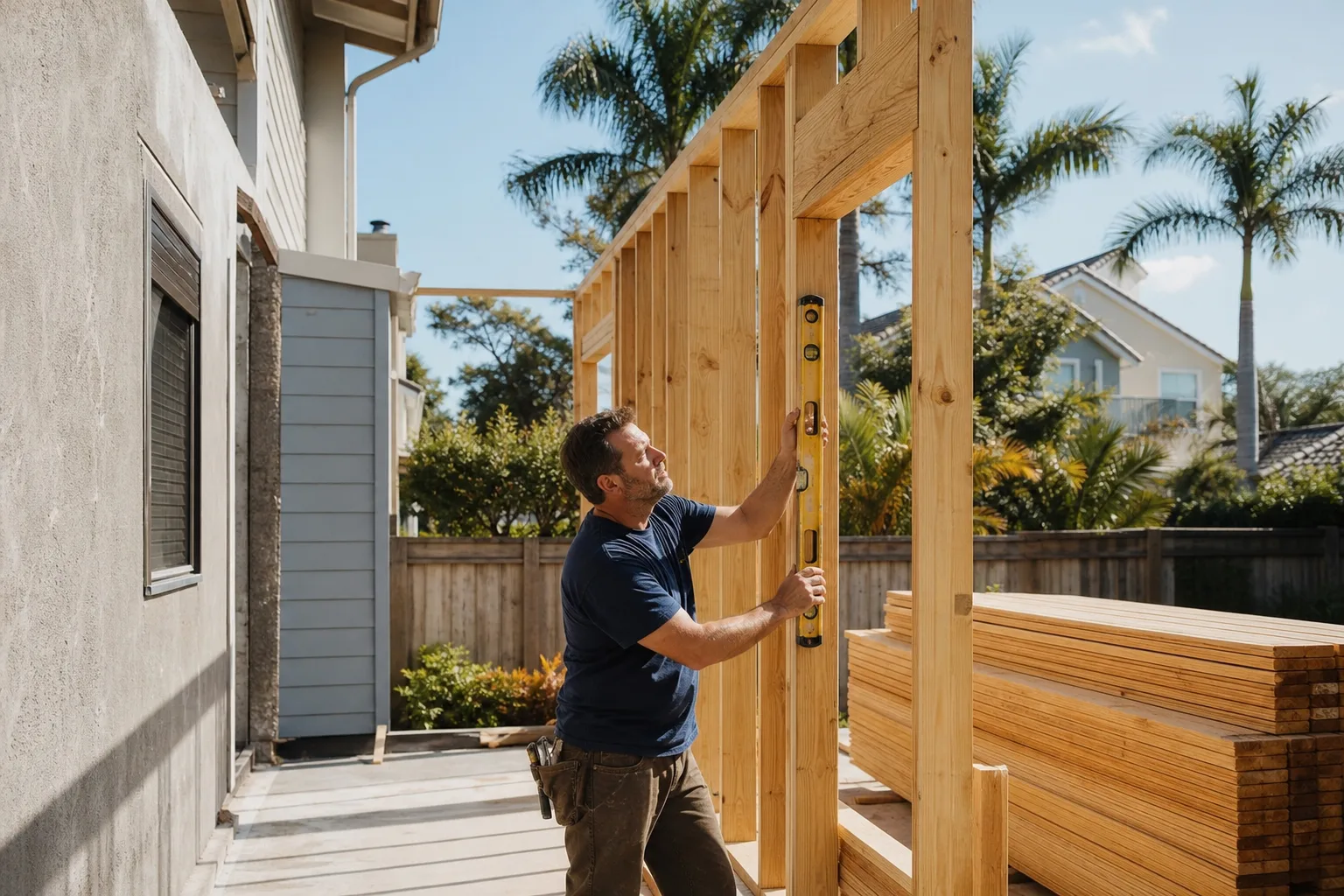
Does the Main House Need an Electrical Upgrade Before an ADU Is Permitted?
Usually, yes. Most Miami Gardens CBS ranches built in the 1960s through the 1980s carry a 100-amp electrical service. Adding a second dwelling unit with its own kitchen, water heater, HVAC, and separate metering pushes the load past what a 100-amp panel can safely carry, and the county won’t permit the unit until the service is upgraded. In practice that means moving the main panel to 200 amps.
| Line item | Price range |
|---|---|
| Electrical service upgrade to 200 amps | $3,500-$6,000 |
| ADU construction (full, permitted) | $106,200-$259,600 |
| Garage conversion to living space | $35,400-$94,400 |
| Standalone home addition | $53,100-$153,400 |
| Impact window installation (whole house) | $9,440-$29,500 |
We put that panel cost in the written quote before anyone touches a tool. Under Clause 1 of the Haven Standard, the price is written before work starts, and no change proceeds until a change order is signed. That’s how an ADU project lands within a few percent of the number you agreed to instead of drifting thousands past it on electrical surprises.
What About Converting a Carport or Garage Into an ADU?
Carport-to-ADU conversions are everywhere on Miami Gardens lots, and they’re the most common ADU project we quote. They’re also the riskiest when nobody checks the slab first. A carport slab was typically poured thin, often just a few inches, and was never engineered to carry the wind uplift of an enclosed structure. Converting it means verifying slab thickness and confirming the wind-load calculation holds before we commit to a price.
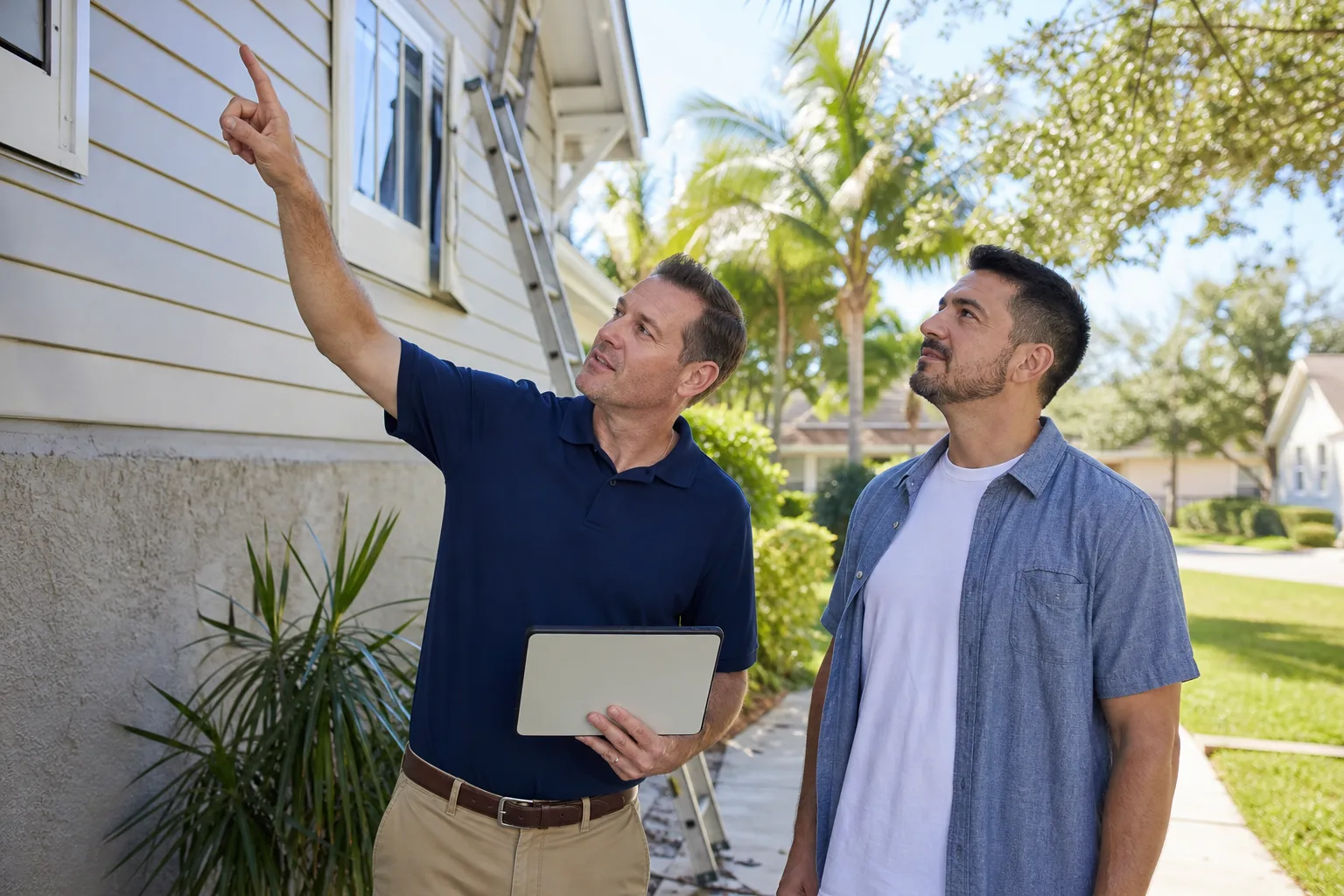
That verification is part of our standard pre-construction documentation. We photograph the slab, measure the thickness, and record what we find in plain terms before quoting, so you know whether you’re building on the existing slab or cutting and pouring new footings. Rowan Construction Group Miami Gardens does this on every conversion, and the photo record goes to you, not into a file.
If the conversion runs into a full addition instead, or you’re weighing a detached unit against a garage build, the Home Additions & ADU overview covers the scope differences. Our Home Additions & ADU in Miami Gardens page goes deeper on the local permitting path.
What Should You Look For in an ADU Contractor Here?
The contractor question in Miami Gardens is really a documentation question. Ask any builder three things before you sign.
- A written price with the panel upgrade included. If the electrical service upgrade is a “we’ll see once we open walls” line item, the quote isn’t finished.
- NOA numbers on the fenestration spec. Every window and door schedule should list Miami-Dade product approvals, not just a brand name.
- Photos of the existing slab and roof before pricing. A conversion quote written without a slab-thickness check is a guess.
Our crews are background-checked and uniformed, a live person answers the phone around the clock, and every visit includes a documented photo record as a standard deliverable. With up to 19 years of experience across the team and sourcing through vetted brands like James Hardie for siding and KraftMaid for cabinetry, the quote reflects real material costs. The 365-Day Done Right Promise backs the work: if any permitted ADU element fails inspection or shows a defect within a year of completion, we correct it under the original price, and that’s in writing at contract signing.
FAQs
A permitted ADU in Miami Gardens typically runs $106,200-$259,600, and that range includes the electrical service upgrade most 1960s CBS ranches need. Garage conversions land lower, around $35,400-$94,400, because the shell already exists. Call (844) 320-5198 for a written price on your specific lot; estimates are free.
Yes. Every window and door in a new ADU must carry a Miami-Dade NOA for impact resistance because Miami Gardens sits in the High Velocity Hurricane Zone. Standard aluminum or jalousie units, including ones already on the main house, can’t be reused or replicated in the new construction. Call (844) 320-5198 to review a window schedule against NOA requirements.
Usually yes, but only after the slab is verified. Carport slabs are often poured too thin to carry the wind-load calculation an enclosed structure requires, so thickness has to be checked before the conversion can be priced or permitted. We photograph and measure the slab as a standard pre-construction step. Call (844) 320-5198 to schedule that inspection.
Because Miami-Dade requires separate metering capability for an ADU, and a 100-amp service on a typical Miami Gardens ranch can’t carry a second dwelling unit’s load. The fix is a 200-amp panel upgrade, which runs $3,500-$6,000 and belongs in the written quote from day one. Call (844) 320-5198 and we’ll tell you what your panel can handle.
Start With the Rules, Then the Number
An ADU in Miami Gardens is a code question before it’s a construction question, and the two layers – county ordinance and HVHZ building code – have to be answered together. If you’d rather have it looked at, Rowan Construction Group Miami Gardens offers a no-pressure assessment in Miami Gardens – call (844) 320-5198 for a free estimate. Bring a competitor’s written quote if you have one and we’ll review it line by line at no charge. You can also start at our home page to see the full range of trades.
Written by the team at Rowan Construction Group Miami Gardens, serving Miami Gardens, FL.