
Free written scope consultation - allowances, timeline, and change-order rules on paper before a single trade is scheduled
Styles & brands we work with
- Kitchen remodeling
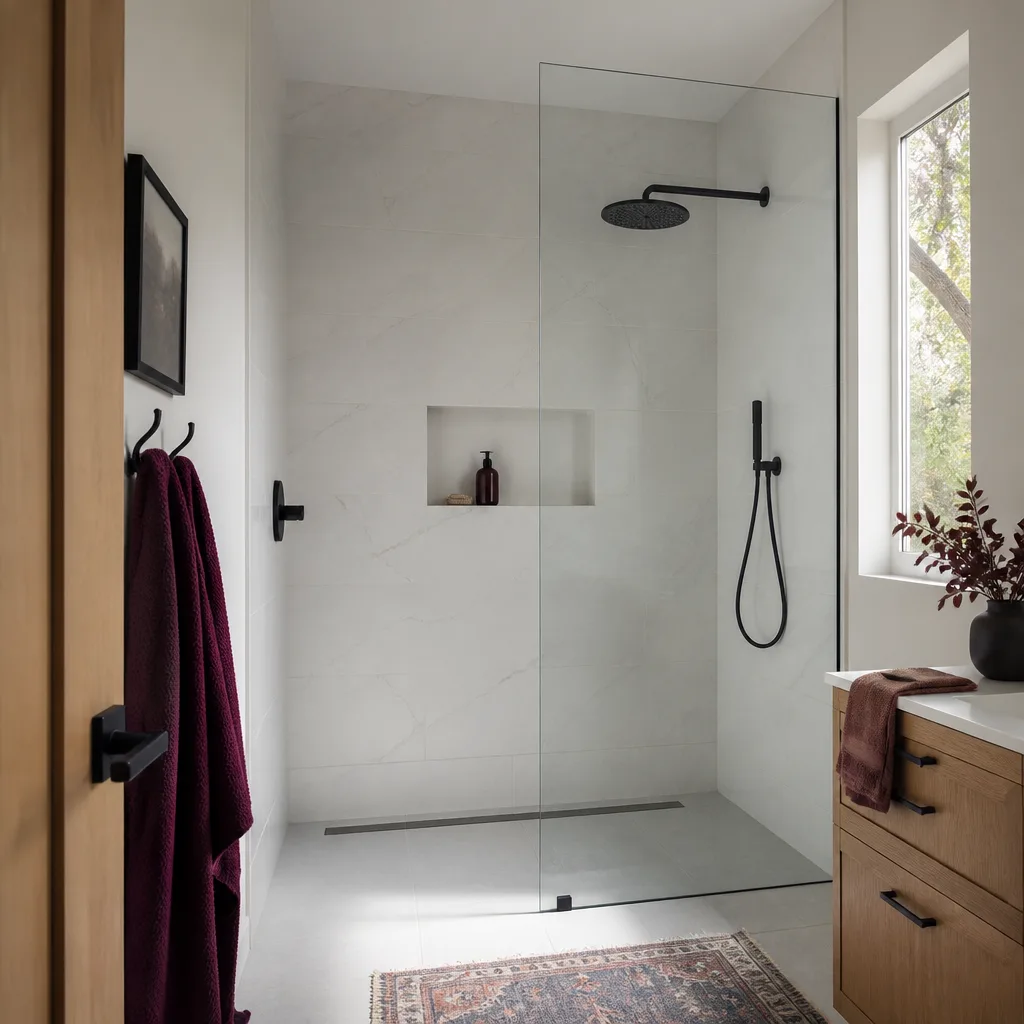
- Bathroom remodeling
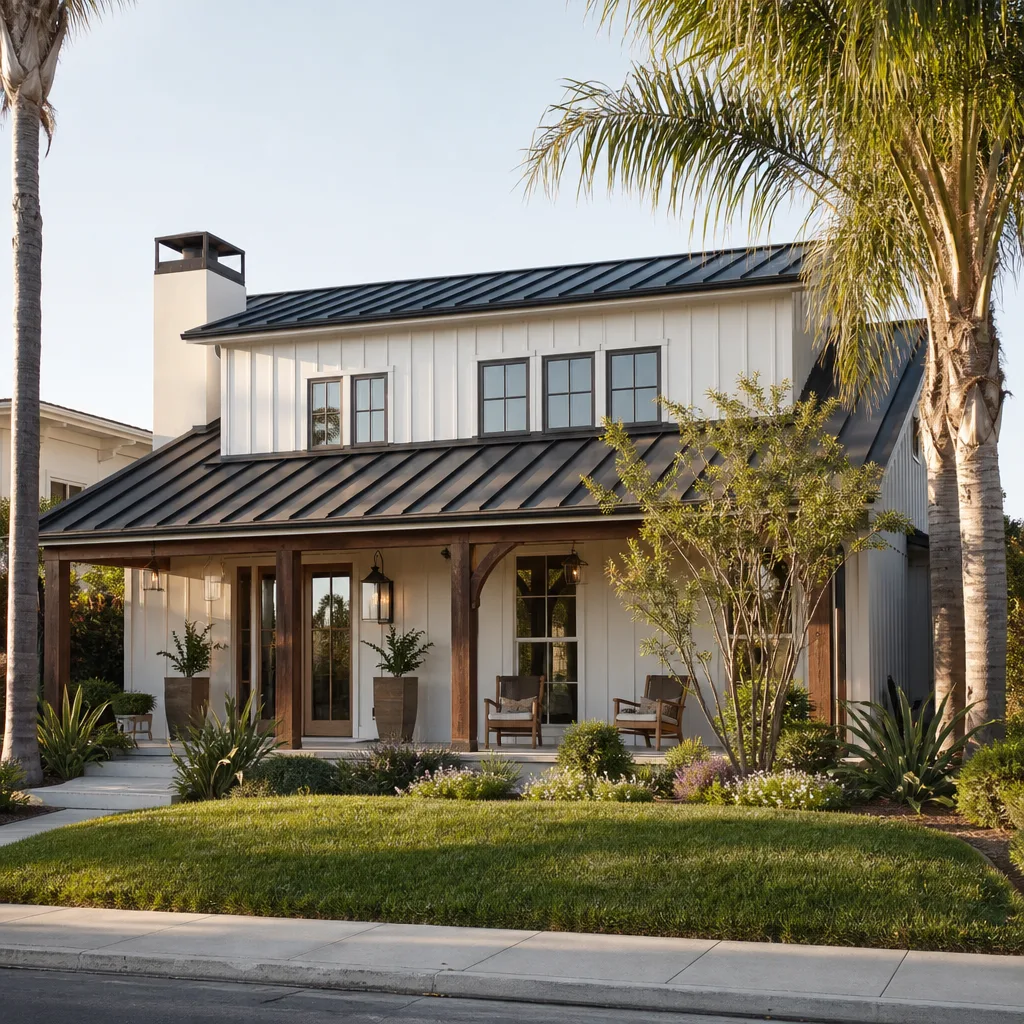
- Home additions & ADU
- Roofing
- Windows & doors
- Driveway & pavers
- Fence
See the difference
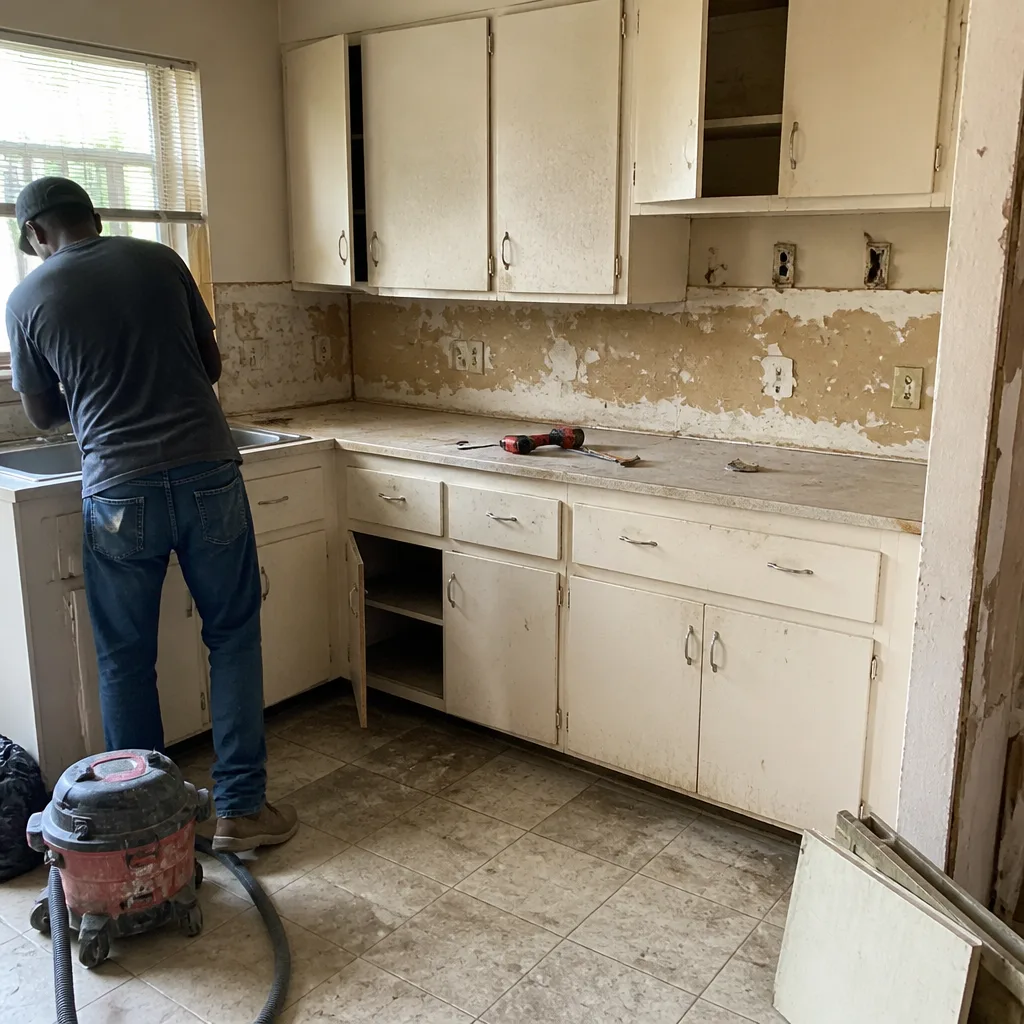 Before
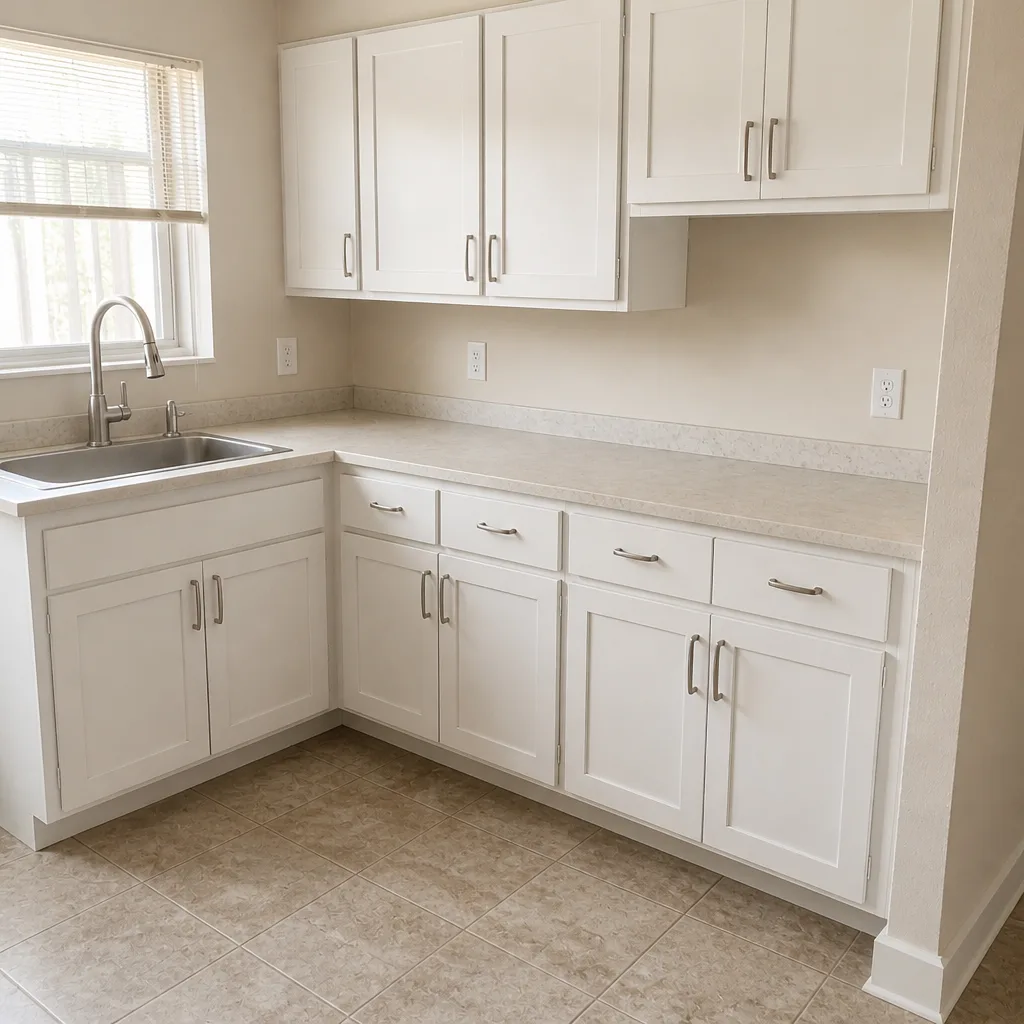 After
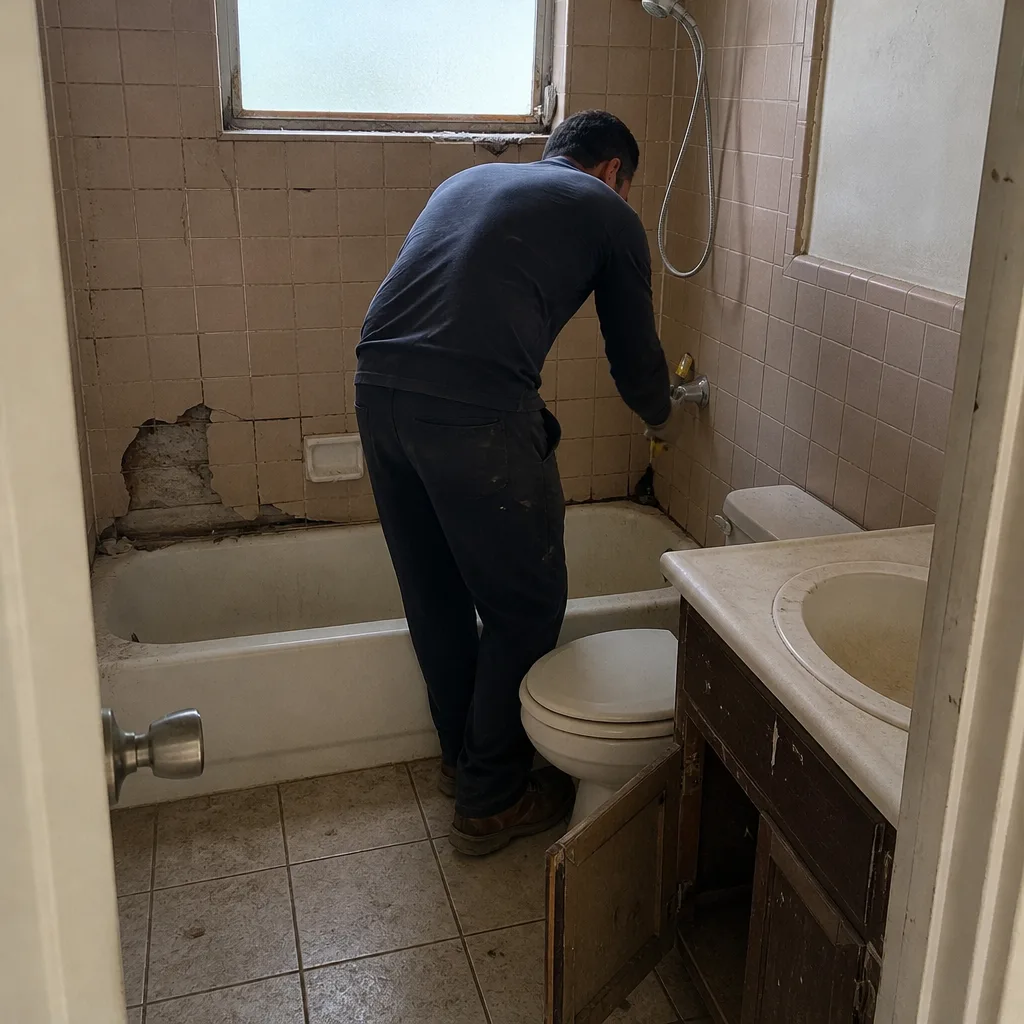 Before
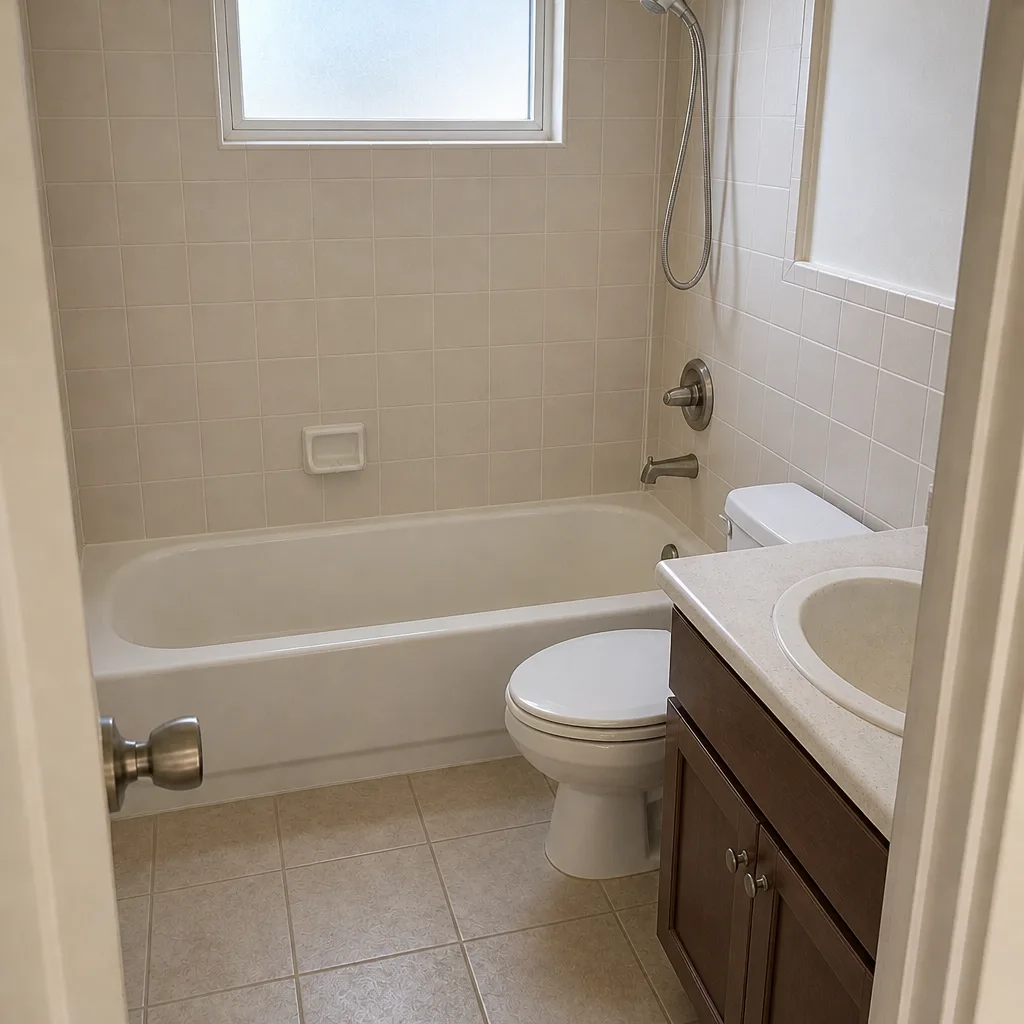 After
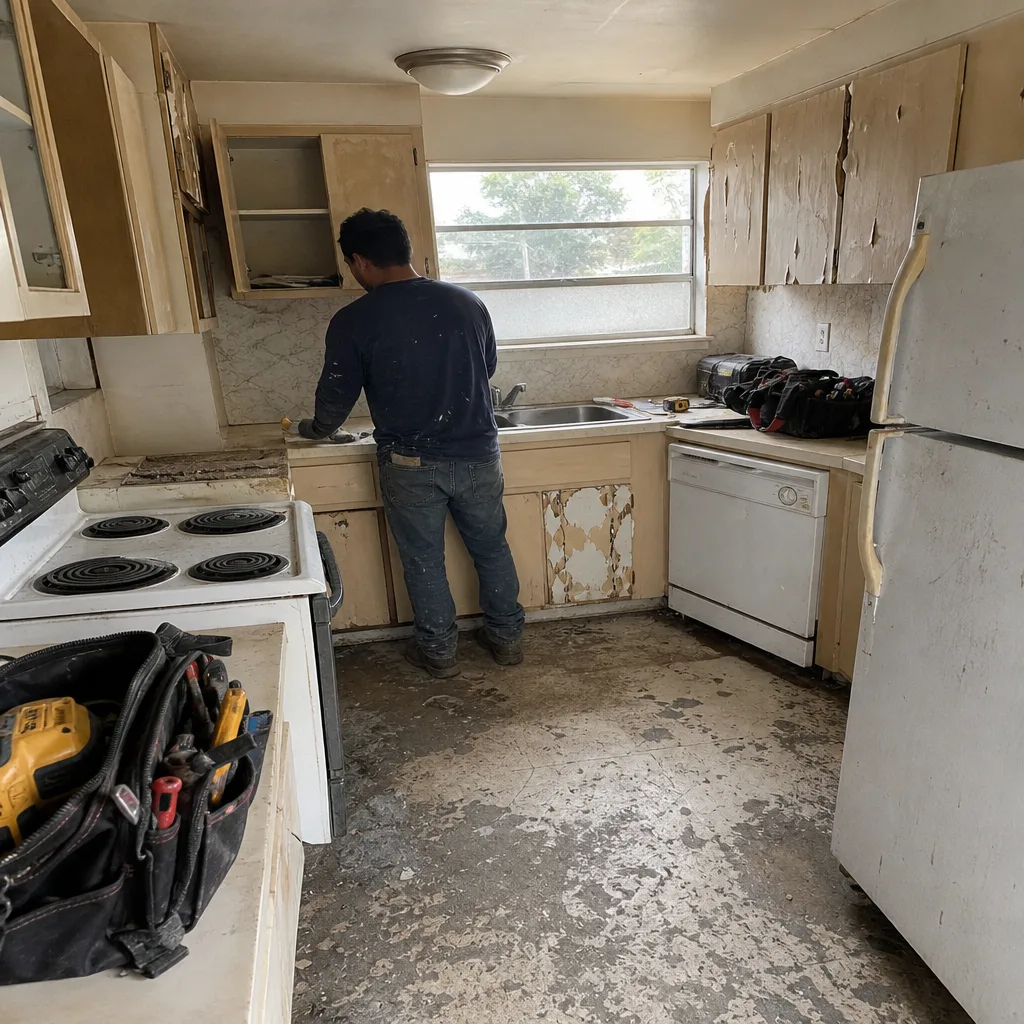 Before
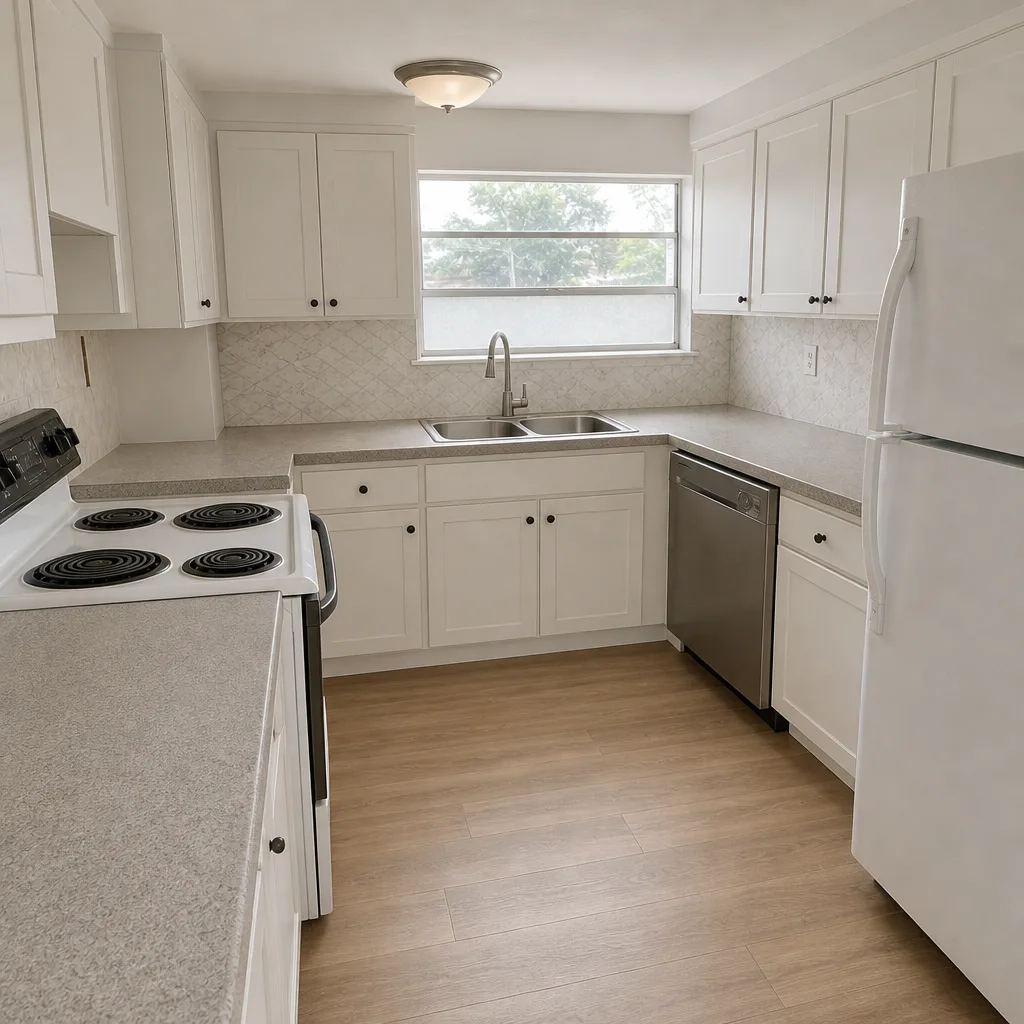 After
Do You Need a Permit for a Home Addition in Miami Gardens, FL? Yes – Every Time, and Here’s What the Inspector Will Actually Look At
Every home addition in Miami Gardens requires a building permit from Miami-Dade County, plus separate electrical, mechanical, and plumbing trade permits. There is no square-footage minimum that exempts you. The harder question, and the one that catches homeowners off guard, is whether the structure your addition ties into was itself built or modified legally – because inspectors look at that too. Call (844) 320-5198 for a free written consultation from Rowan Construction Group Miami Gardens.
Key Takeaways
- All additions in Miami Gardens need a Miami-Dade building permit plus individual trade permits – no exceptions.
- Because Miami Gardens sits inside the High Velocity Hurricane Zone, structural drawings need a wind-load calculation and any new window or door needs a Miami-Dade NOA product-approval number.
- Pre-1994 CBS homes frequently carry unpermitted carport enclosures or storm patches from earlier owners – those become “existing non-conforming work” the inspector flags before your CO can issue.
- A pre-construction review and documented photo record catch most of this before a shovel hits the ground.

Why the Permit Question Is Bigger Than the Paperwork
Miami Gardens was built out almost entirely between the 1950s and 1980s. Most of it is single-story CBS – concrete block and stucco – ranch housing with attached carports, low-slope roofs, and original aluminum or jalousie windows. That housing predates Hurricane Andrew, which means it was built to a much older wind standard than anything standing in Miramar or Homestead today. When you add a room onto one of these homes, you’re not just adding square footage. You’re joining new construction to a forty- or sixty-year-old envelope that may not match its own permit records.
The building department will still issue your addition permit. That part is routine. The complication shows up at the framing inspection, when the inspector walks the tie-in and looks at the existing block wall you’re anchoring into. If a prior owner enclosed a carport after a storm without pulling a permit, or patched a flat roof with materials that never went through Miami-Dade product approval, the inspector calls it what it is: existing non-conforming work. It has to be corrected before your addition can receive its certificate of occupancy. That correction is on you, not on the previous owner who created it.
In our experience across Miami Gardens, the carport-to-room conversion is the most common trigger. A family needed the space, the work got done quietly, and fifteen years later it surfaces during somebody else’s addition permit. Flat-roof patches after storm seasons run a close second.
What Do You Need Before the Permit Application Moves?
A complete Miami-Dade addition application for a Miami Gardens property needs four things most homeowners don’t realize are separate items:
- Sealed structural drawings prepared by a Florida-licensed engineer or architect, including a wind-load calculation specific to the High Velocity Hurricane Zone.
- Miami-Dade NOA numbers for every new window, door, and impact-rated product – the Notice of Acceptance is the county’s approval that a product meets wind-borne debris standards. It’s a code requirement, not an upsell.
- Separate trade permits for electrical, mechanical (HVAC), and plumbing, each pulled and inspected independently.
- A survey and setback verification confirming the addition fits the lot’s zoning envelope.
Materials matter here too. If your addition includes a fence line or hardscape tie-in, products like Belgard pavers or ActiveYards fence systems carry the product-approval documentation the county wants to see, which shortens review time. Specifying products with existing approvals instead of custom assemblies is one of the quiet ways a permit application avoids a second round of comments.
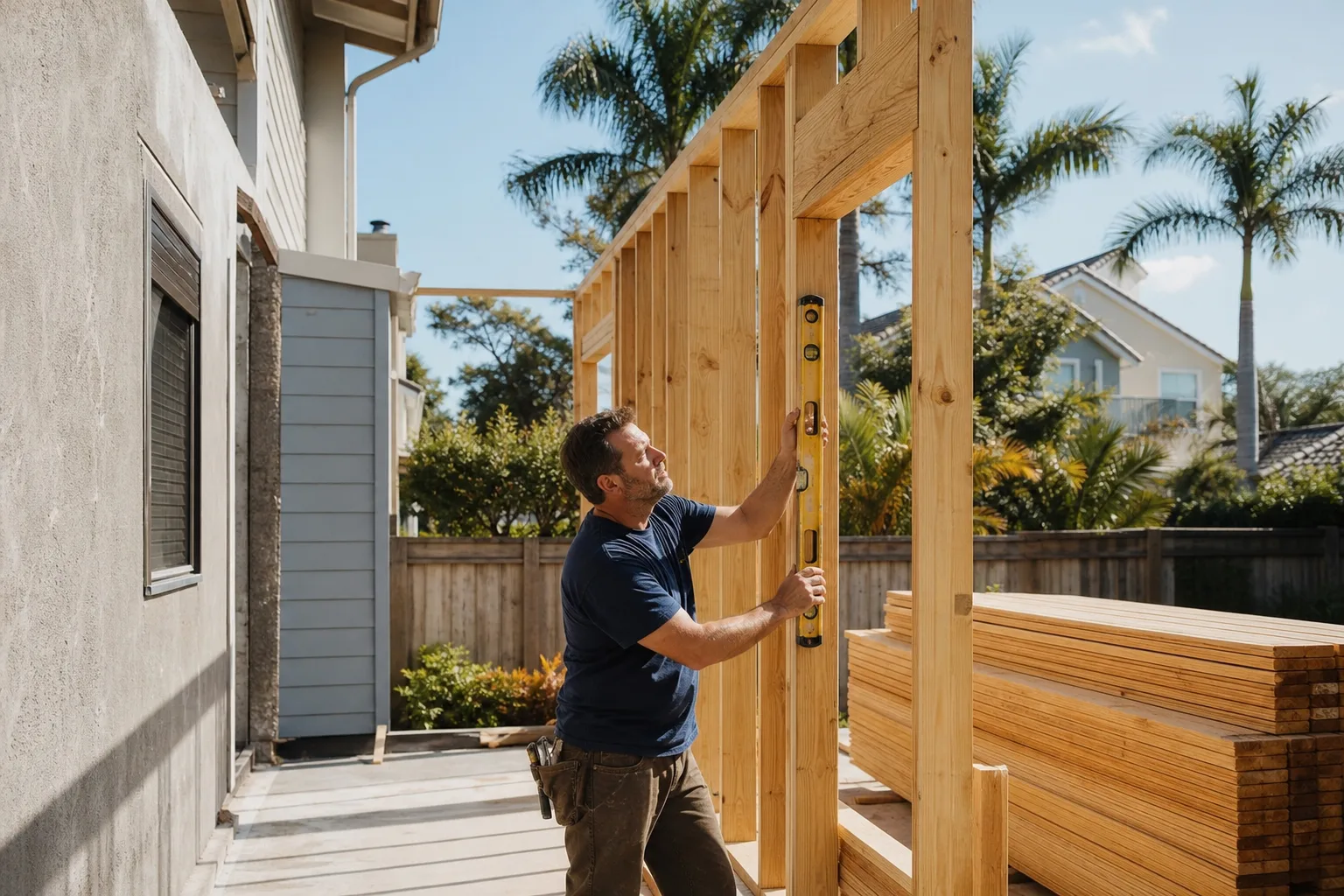
What Does a Home Addition Cost in Miami Gardens?
Home addition construction in Miami Gardens runs $53,100 to $153,400 depending on size, foundation work, and how much existing structure needs correction. An attached garage conversion, which is often the least expensive path to usable square footage, lands between $35,400 and $94,400. A detached ADU – accessory dwelling unit, meaning a separate self-contained living structure on the same lot – runs $106,200 to $259,600.
| Project | Typical Miami Gardens range |
|---|---|
| Home addition | $53,100 – $153,400 |
| Garage conversion | $35,400 – $94,400 |
| ADU construction | $106,200 – $259,600 |
| Impact window installation (often paired with additions) | $9,440 – $29,500 |
| Roof replacement (where tie-in requires bringing the roof to current code) | $9,440 – $23,600 |
These are the numbers we put in writing before work starts, not a range you have to chase down by phone. Under Clause 1 of the Haven Standard, the written price and written scope come first – always. If the pre-construction review surfaces existing unpermitted work that the county will require corrected, that correction gets its own signed change order with its own price before anyone touches it. It never gets absorbed silently into your project and it never shows up as a surprise line at the end.
One distinction worth knowing: a home addition is a permitted structural expansion of the existing house, while an ADU is a separate dwelling unit with its own kitchen and bath. Both require county approval, but the ADU carries additional zoning review. Our Home Additions & ADU in Miami Gardens page lays out the zoning differences if you’re weighing the two.
What Should You Look For in a Contractor on a Permitted Addition?
Compare contractors on documentation, not enthusiasm. The list below is what separates a smooth permit close from a project that stalls at final inspection.
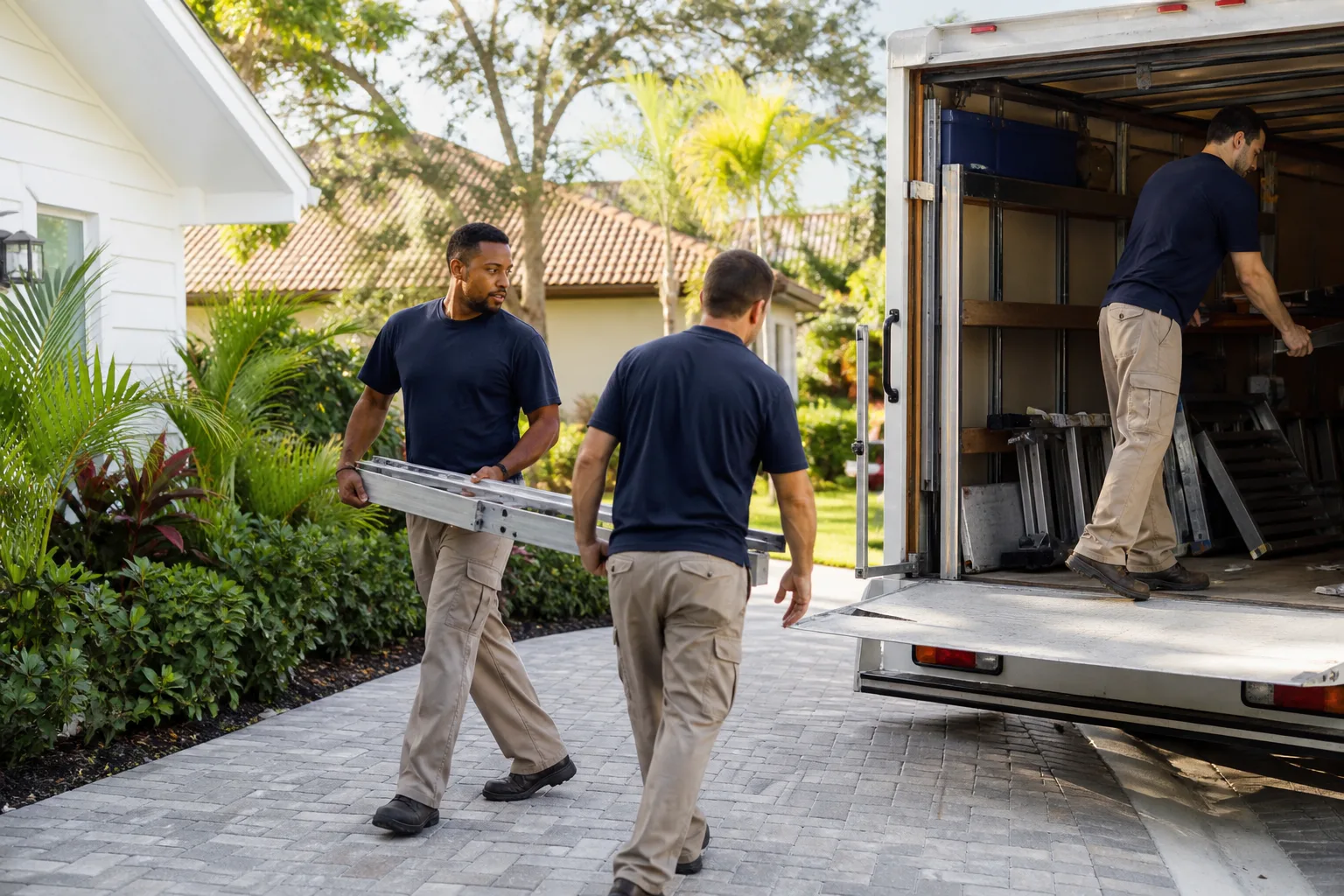
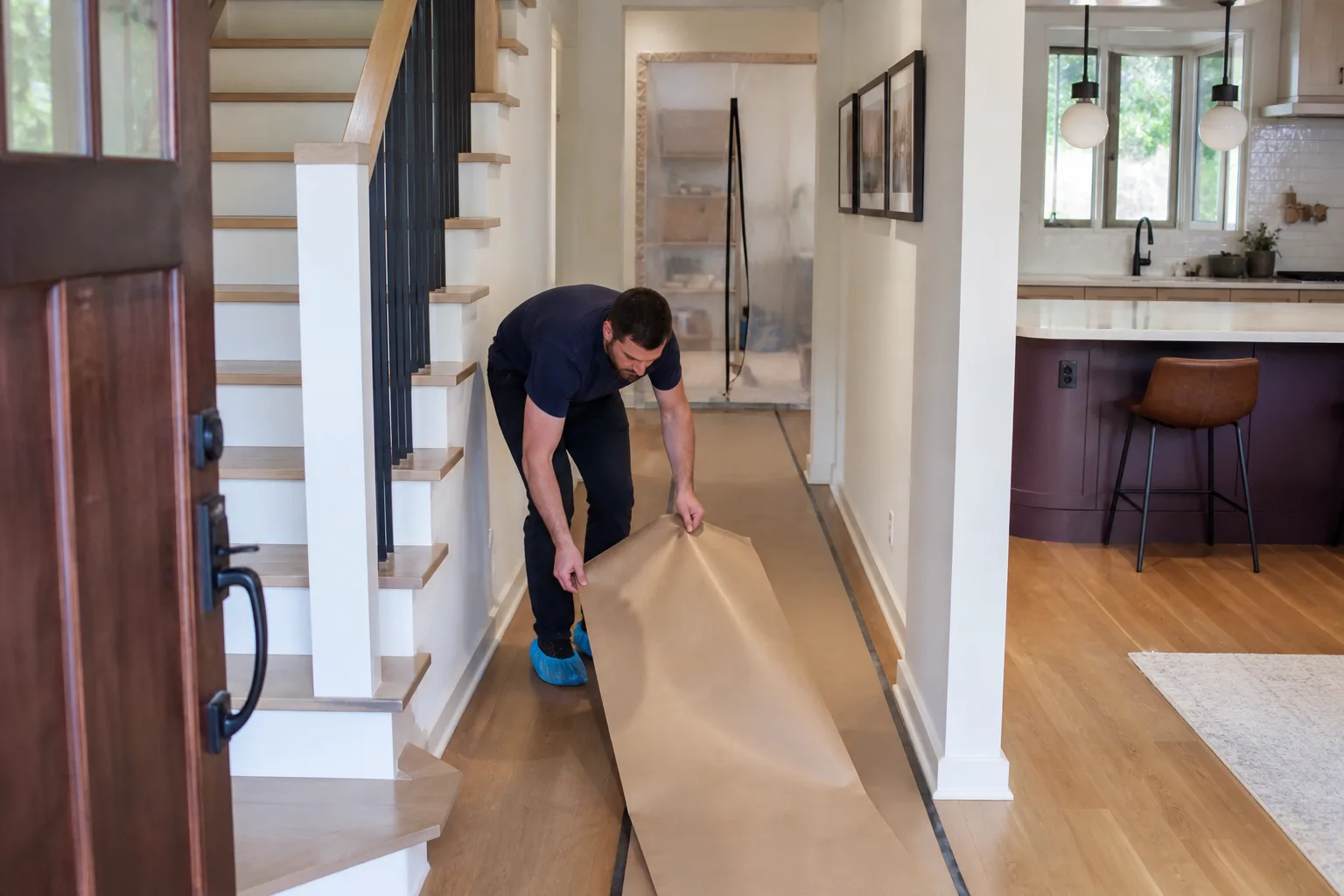
- A pre-construction photo record. Before the first shovel moves, a contractor should photograph the existing structure and note visible conditions – the block wall, the roof layer count, the carport framing. That record becomes the baseline if the inspector raises a question later.
- A permit-application review that flags likely existing violations. An experienced contractor can often spot unpermitted prior work from the survey and a walkthrough, and name it in the project file before the county does.
- A written price with a written scope. “Call for a quote” is not an option with us. The number is in dollars, in writing, before any work begins.
- A signed change-order policy. Any correction the inspector requires gets priced in a change order you sign before work proceeds. The discipline is what keeps projects within a few percent of the agreed cost.
- A written warranty and a documented photo record of every visit. Included, not offered as an upgrade.
Rowan Construction Group Miami Gardens has delivered additions and conversions across South Florida since 2007 and completed more than 4,000 projects, each with a written price and a documented record. Our technicians have up to 19 years of experience with CBS construction, masonry anchoring, and stucco patching – the actual skills this housing stock demands. Every technician is background-checked and uniformed, a live person answers calls 24/7, and the 365-Day Done Right Promise backs the finished work: if it isn’t done right, we make it right.
FAQs
No. Miami-Dade County does not offer a square-footage exemption for habitable additions, so even a small bump-out or enclosed carport needs a building permit and separate trade permits. The only work that doesn’t require a permit is cosmetic – paint, flooring, cabinetry swaps. Anything that touches structure, electrical, plumbing, or the building envelope requires one. If you’re unsure whether your project crosses that line, call (844) 320-5198 and we’ll walk you through it.
It can, yes. The inspector treating it as existing non-conforming work is common in Miami Gardens, and it must be corrected before your addition receives its certificate of occupancy. That’s why we run a pre-construction review that identifies likely violations and price the correction in a written change order before any work starts. You see the number before you commit. Call us and we’ll outline the review for your project.
Yes. Every new window or door in the High Velocity Hurricane Zone must carry a Miami-Dade Notice of Acceptance number, and the structural drawings must include a wind-load calculation for the assembly. This is code, not a contractor preference, and specifying products with existing approvals shortens review time. Our team can document NOA numbers and wind-load figures on the quote so there’s no scramble mid-project.
Miami-Dade review timelines vary, and no work can begin before the permit is issued – starting early risks a stop-work order and a re-inspection. The best way to shorten the wait is submitting a complete application the first time, including NOA numbers, trade permits, and a clean existing-conditions record. If you’d like a written scope and price so the application can move quickly once filed, call Rowan for a free estimate.
Ready to Move Forward?
If you’d rather have it looked at, Rowan Construction Group Miami Gardens offers a no-pressure assessment in Miami Gardens – a documented pre-construction review, a written flat price, and a straight answer on what the county will actually require. We’ll also review any competitor’s estimate line by line at no charge as a free second opinion. Call (844) 320-5198 for a free estimate.
Written by the team at Rowan Construction Group Miami Gardens, serving Miami Gardens, FL.