

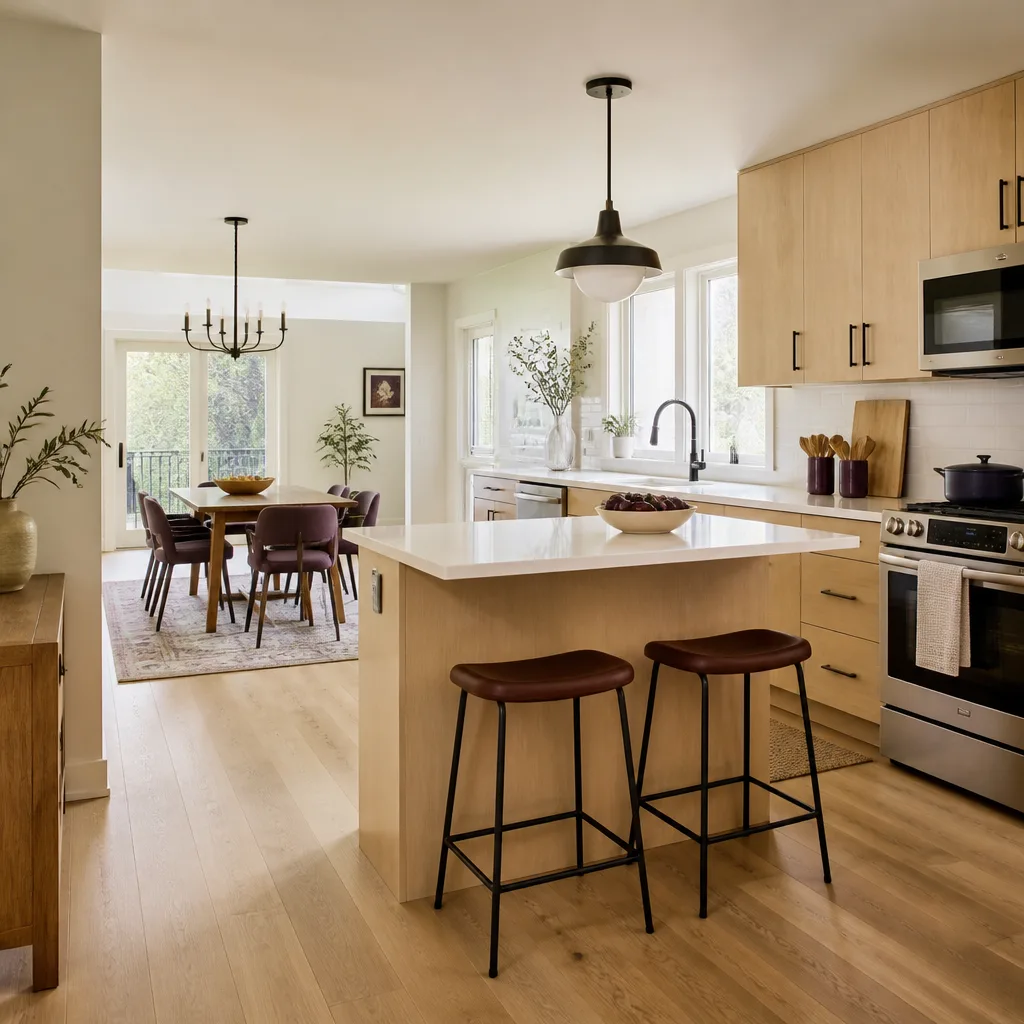
Free written scope consultation - allowances, timeline, and change-order rules on paper before a single trade is scheduled
Styles & brands we work with
- Kitchen remodeling
- Bathroom remodeling
- Home additions & ADU
- Roofing
- Windows & doors
- Driveway & pavers
- Fence
See the difference
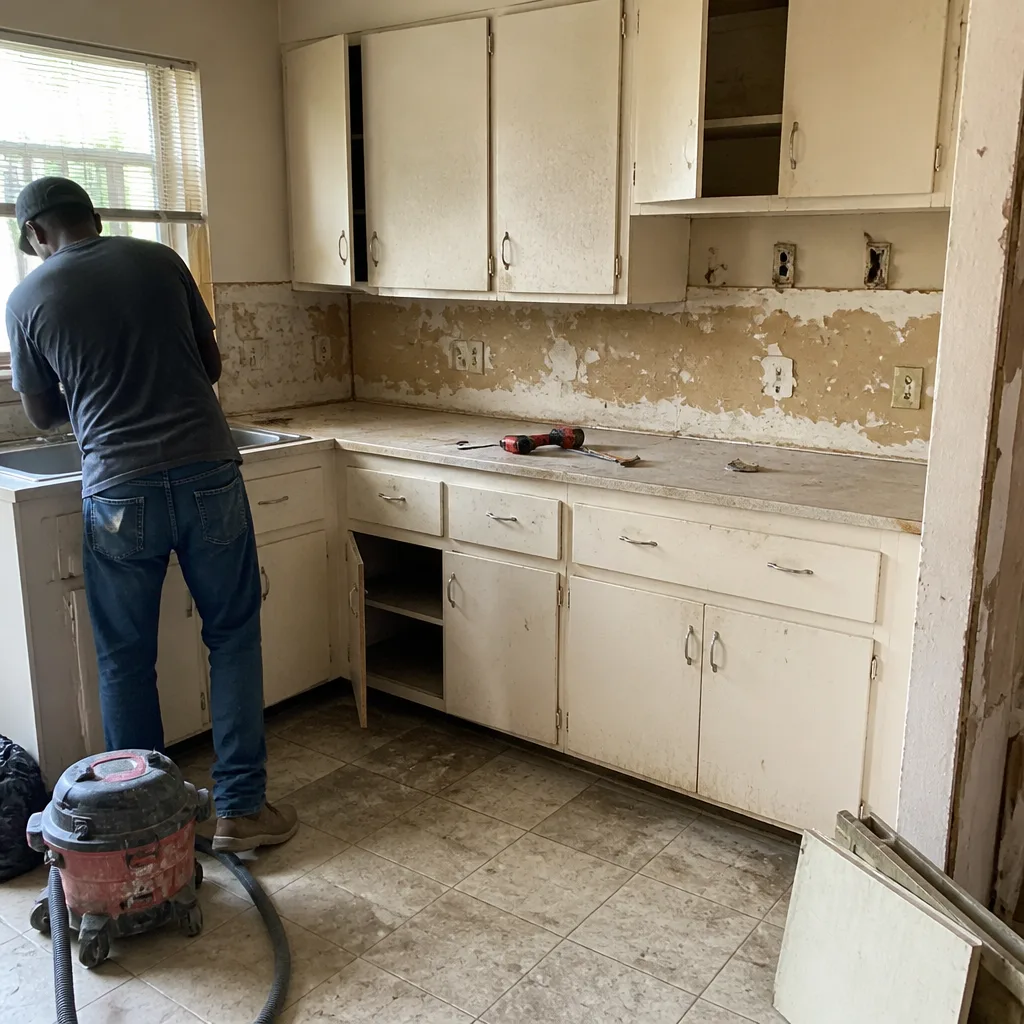 Before
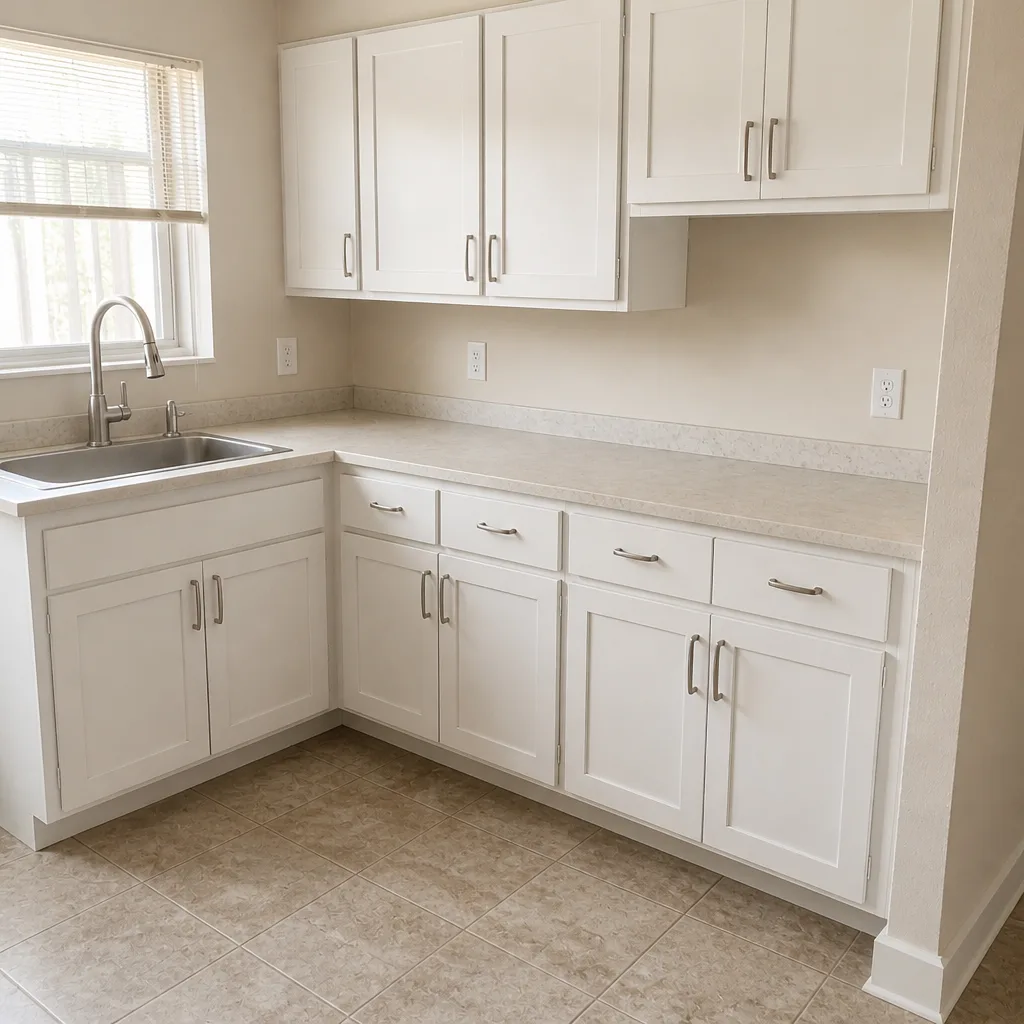 After
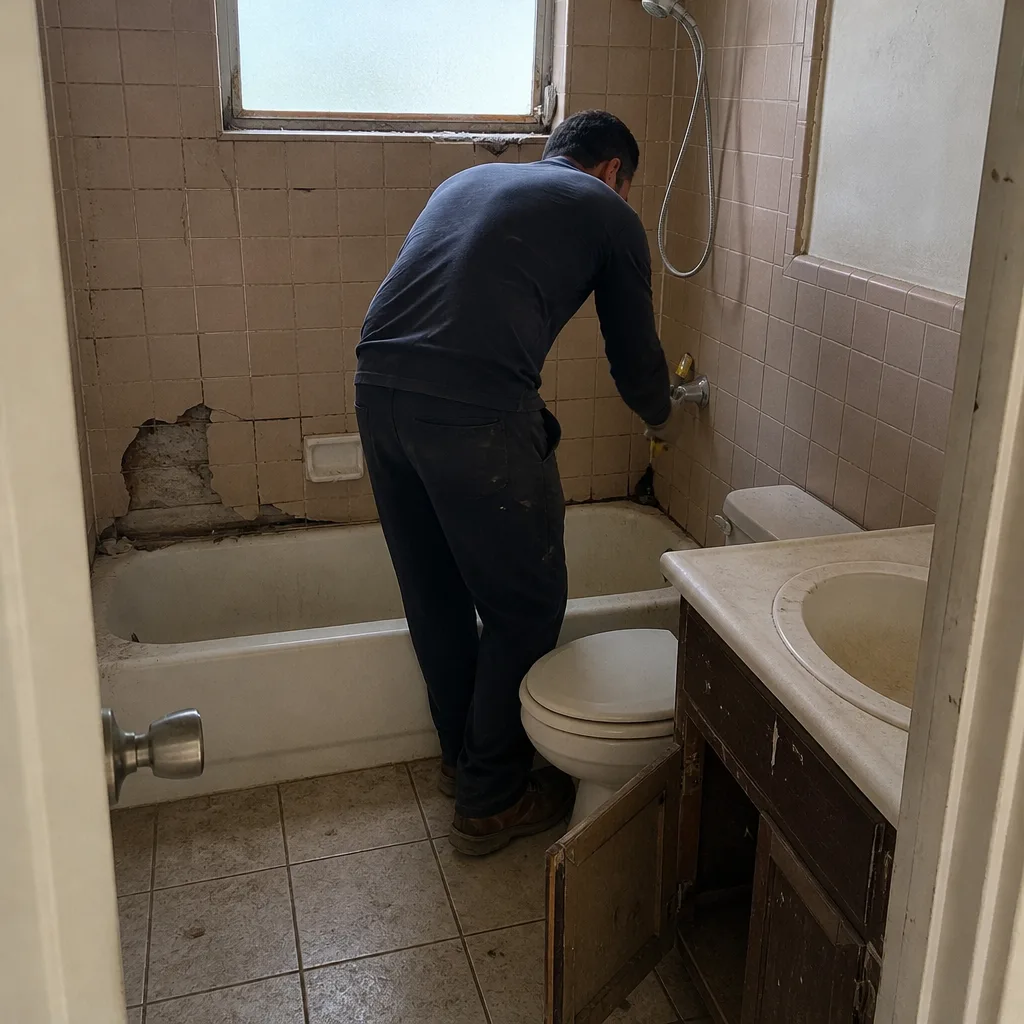 Before
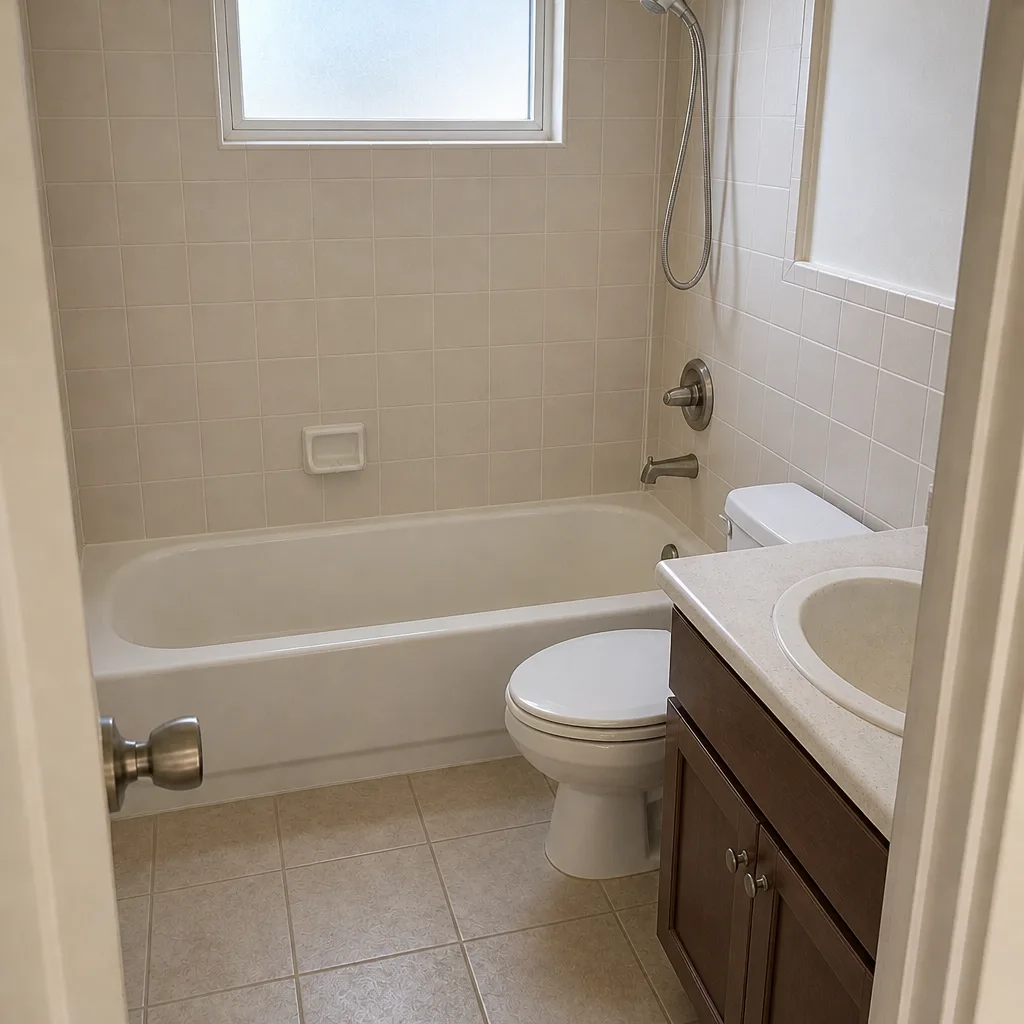 After
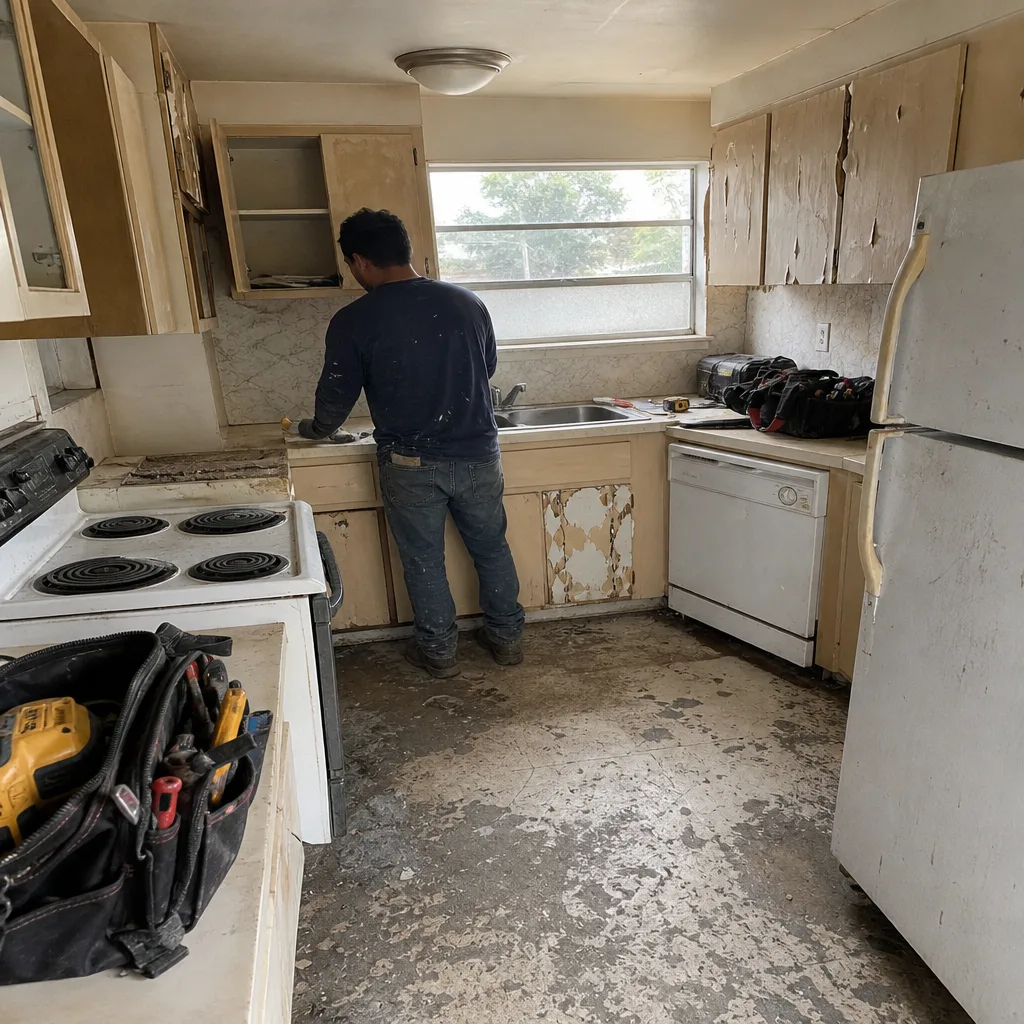 Before
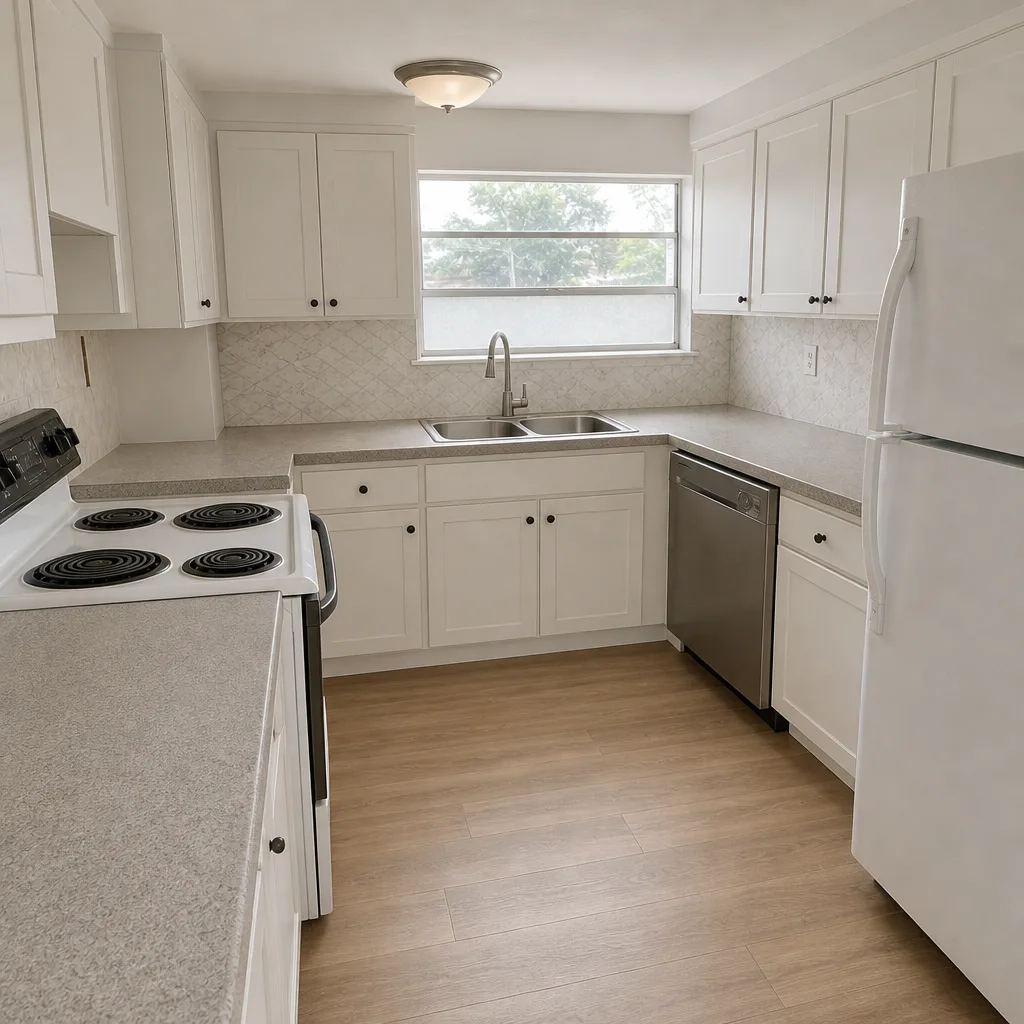 After
What does a general contractor do on a Miami Gardens, FL renovation?
A general contractor runs the whole build: it holds the Miami-Dade permit, sequences the trades, manages subcontractor license compliance, and signs off that every inspection stage was met before you pay for the next one. On a Miami Gardens CBS home, that means pulling a permit package with a wind-load calculation, engineer-stamped tie-beam drawings, and NOA product approvals before a single block is set. The physical work is what you see. The paperwork is what gives the finished room legal value.
That distinction matters here more than in most of South Florida. Miami Gardens is an inner-ring suburb built out almost entirely between the 1950s and 1980s, almost all of it single-story concrete block and stucco ranch homes with attached carports and flat or low-pitch roofs. Most work on these houses is renovation, addition, and rebuild, not greenfield construction. And because the city sits inside Miami-Dade’s High Velocity Hurricane Zone, even a carport-to-room conversion needs product approval numbers and a wind-load calculation before the county will review it. Call Rowan Construction Group Miami Gardens at (844) 320-5198 if you want a straight read on what your project actually requires.
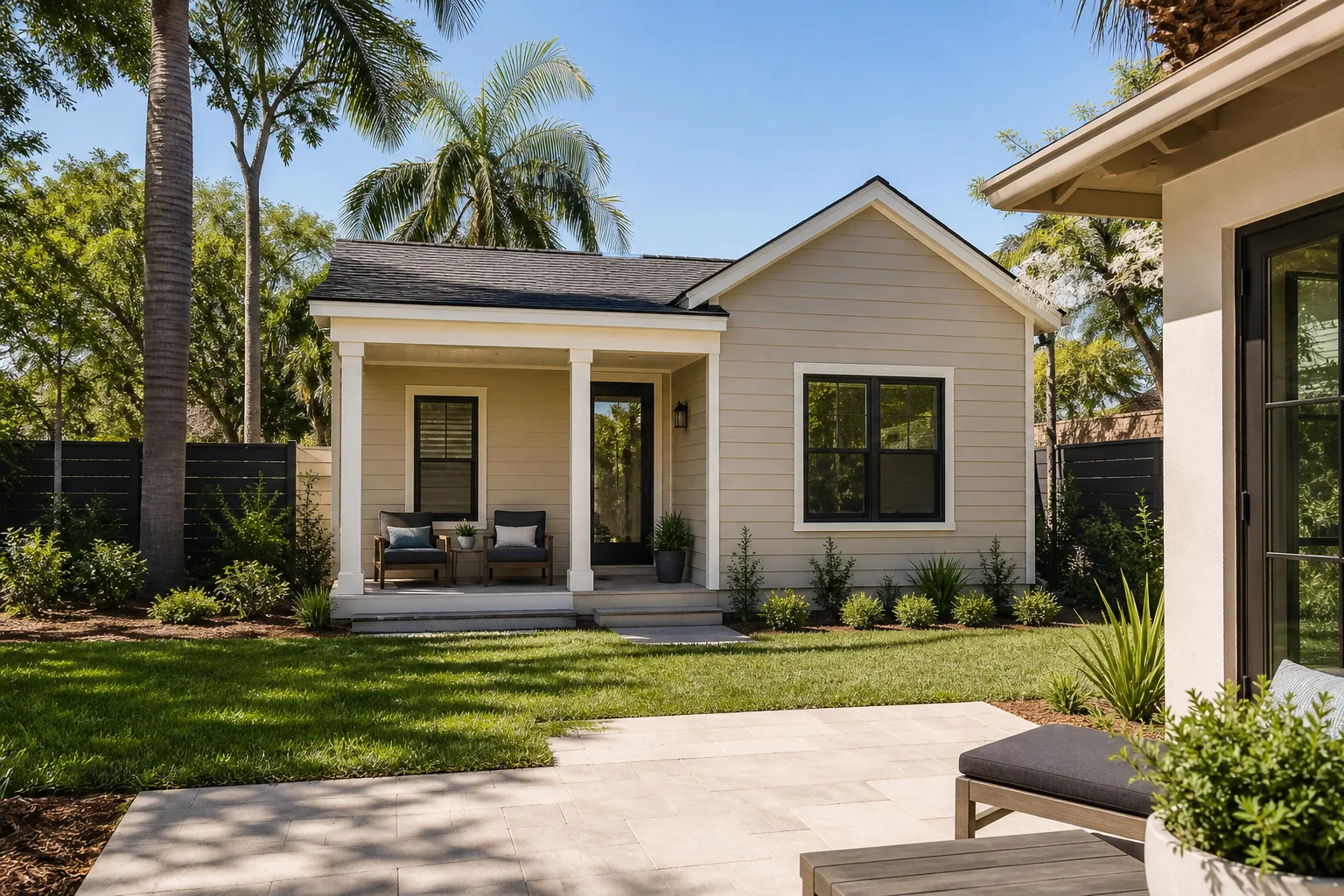
The permit sequence a GC runs before anyone picks up a tool
This is the part homeowners never see and often don’t know exists. On a typical room addition in Miami Gardens, the general contractor walks the following sequence before demolition starts:
- Pre-application site visit. The GC confirms the existing structure, notes any prior unpermitted work, and checks setbacks against the survey.
- Structural drawings with an engineer’s stamp. For an addition, a Florida-licensed structural engineer produces tie-beam and connection details sized for the HVHZ wind loads, not a generic detail copied from a template.
- NOA submittals. Windows, doors, roofing systems, and anchors all need Miami-Dade Notice of Acceptance numbers. A product without a current NOA fails plan review.
- Subcontractor license attachments. Every specialty contractor named on the permit must hold a valid license and be listed on the application.
- Miami-Dade plan review. Residential additions commonly run 4-8 weeks through county review. That timeline is real, and a GC who doesn’t plan for it is guessing.
- Inspection stages. Foundation, framing or masonry, rough MEP (mechanical, electrical, plumbing before walls close), insulation, and final. Work that proceeds past a stage without inspection can be ordered torn out.
Coordinating that sequence is genuinely as labor-intensive as scheduling the crew. It’s the administrative half of the job, and it’s the half that determines whether your addition counts when you sell.
The problem behind the permit: unpermitted work on a CBS house
Open walls on a Miami Gardens block home and you’ll often find electrical, plumbing, or structural changes that were never permitted - frequently done in the rush after a past hurricane. A carport framed in and enclosed by a previous owner is common. So is flat-roof patching with no product approval behind it.
When the general contractor hits that condition, the correct response is to stop work, document it with photographs, and file a corrective permit before anything else proceeds. That takes both construction knowledge (recognizing the modification and knowing what code it now has to meet) and administrative competence (filing and tracking a second permit while the main one is open). A GC who keeps building over the problem hands you a finished room that can’t pass final inspection. Our technicians have up to 19 years of experience and have opened enough of these walls to know what they’re looking at.
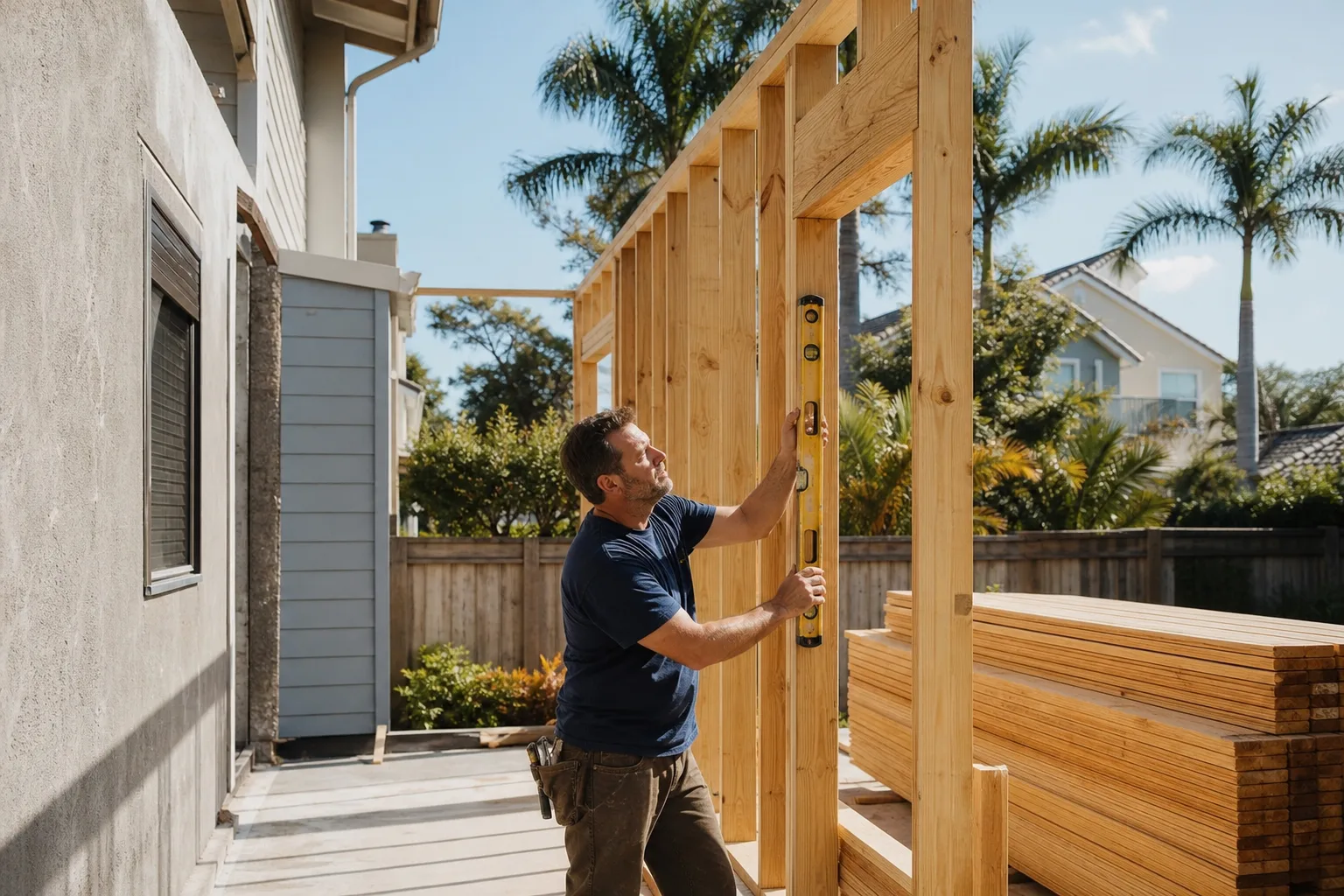
What sub vetting actually protects you from
Every subcontractor performing work on a Miami-Dade job must hold a valid specialty license and appear on the permit. If an unlicensed sub does the work, the permit is void and you have no legal recourse against that sub or the contractor who hired them. So the GC’s license management isn’t paperwork tidiness. It’s your protection.
What that looks like in practice: license verification before the sub is added to the permit, a named crew on the job, and a flat written price quoted before work begins. At Rowan Construction Group Miami Gardens, every project gets a written scope and written price upfront, no change proceeds without a signed change order, and every visit includes a documented photo record. That photo record is the evidence when a question comes up later about whether the block fill, flashing, or waterproofing membrane was actually installed. Without it, you have only the contractor’s word.
What does a general contractor cost in Miami Gardens?
A GC’s cost is folded into the project price rather than billed as a separate line, so the number to plan against is the job itself. For Miami Gardens, current market ranges look like this:
| Project | Typical range |
|---|---|
| Home addition | $53,100-$153,400 |
| ADU construction | $106,200-$259,600 |
| Garage or carport conversion | $35,400-$94,400 |
| Kitchen remodel | $16,520-$53,100 |
| Bathroom remodel | $10,620-$33,040 |
| Impact window installation | $9,440-$29,500 |
| Roof replacement | $9,440-$23,600 |
Two things drive the upper end here. First, pre-Andrew housing stock means the block walls, low-slope roofs, and original aluminum single-pane windows usually all need bringing up to current wind and energy code during a renovation. Second, the May-October rainy season is peak water-intrusion season, so stucco and roof work that reveals hidden damage adds scope. A written price with a written scope is the only way to compare two contractors fairly. Rowan Construction Group Miami Gardens also offers a free second opinion on any written estimate you already have - bring a competitor’s quote and we’ll review it line by line at no charge.
Common local scenarios in Miami Gardens
These come up again and again on this housing stock:
- The enclosed carport. A previous owner framed it in without a permit. Converting it to living space means a corrective permit, a wind-load calculation, and NOA-approved windows before it counts as square footage.
- The multi-generational addition. A granny flat or in-law suite added to a 1960s ranch often needs its own rough MEP and inspection sequence, plus a separate entrance that meets setback rules.
- The aluminum-window retrofit. Replacing original jalousie or single-pane aluminum with impact-rated units is one of the most common jobs here, and every unit needs a current NOA number.
- The post-storm roof. Flat and low-slope roofing repaired without product approval gets flagged at the next inspection. The fix is a corrective permit, not another patch.
If you want the full picture of how the trades fit together on a job like this, our home page lays out the seven trades we coordinate. When the scope is a full addition, see our guide to home additions in Miami Gardens, and for the separate-living-space version, ADU construction. A carport conversion to living space is covered under garage conversion. If windows are the sticking point, the impact window installation page goes deeper on NOA requirements, and window replacement covers non-impact options. Roof scope sits on the roofing page, with repair-only work under roof repair. Kitchens and baths have their own breakdowns at kitchen remodeling and bathroom remodeling. Near the county line, our Miami Gardens service area page lists what changes when a job crosses into a neighboring jurisdiction, and the same approach applies in Opa-locka and Miami. For driveways and hardscape scope, start with driveway pavers, and for exterior boundary work, fence installation.
FAQs
A general contractor holds the building permit, coordinates licensed specialty trades, and carries responsibility for passing every inspection stage. A handyman can’t pull a permit for structural, electrical, or plumbing work, and on a Miami-Dade job that means the work stays unpermitted and the value doesn’t count. If your project involves walls, structure, or MEP, you need a GC.
Plan on 4-8 weeks for Miami-Dade plan review alone, then construction on top of that. The review timeline is the one homeowners most often underestimate. An accurate written schedule starts with the permit date, not the day the crew arrives. Call (844) 320-5198 and we’ll walk you through the realistic timeline for your scope.
Work stops, the condition gets documented with photos, and a corrective permit is filed before anything else proceeds. Building over unpermitted electrical or structural work risks failing final inspection and being ordered to tear it out. The corrective permit is the only route that makes the finished space legal.
Yes. Miami Gardens sits inside Miami-Dade’s High Velocity Hurricane Zone, so every window and door needs a current Miami-Dade Notice of Acceptance number. A unit without a valid NOA fails plan review and can’t be installed legally. Ask any contractor to show you the NOA for the exact product they plan to use.
Get a written scope before you commit
If you’d rather have it looked at, Rowan Construction Group Miami Gardens offers a no-pressure assessment in Miami Gardens - call (844) 320-5198. You’ll get a flat written price and a written scope before any work starts, a 365-Day Done Right Promise behind it, and a documented photo record when the crew leaves.
Written by the team at Rowan Construction Group Miami Gardens, serving Miami Gardens, FL.