Last updated November 18, 2026





Free written scope consultation - allowances, timeline, and change-order rules on paper before a single trade is scheduled
Seasonal Construction Care for Miami Gardens: Year-Round Homeowner’s Guide
Miami Gardens gets roughly 90% of its rain between May and October. That single fact reshapes how construction care should work here. A roof flashing that seemed borderline acceptable in February turns into a $6,000 interior damage claim by July if nobody climbed up in April to look. In our experience across Miami Gardens, the homes that avoid five-figure water intrusion repairs aren’t the ones with the newest roofs. They’re the ones whose owners treat the year as two distinct seasons and plan work around them. This guide gives you a month-by-month calendar built for Miami Gardens’ actual climate, the five components that fail first, and the documentation habit that speeds up insurance claims.
Styles & brands we work with
- Kitchen remodeling
- Bathroom remodeling
- Home additions & ADU
- Roofing
- Windows & doors
- Driveway & pavers
- Fence
Quick Answer
Construction care in Miami Gardens should follow two seasons, not four: use January through April (the dry season) for repairs, replacements, and additive projects, then shift to monitoring and documentation from June through October when rain tests every gap. A pre-hurricane inspection runs $350 – $600, and it’s the cheapest line item against the $4,000 – $15,000 water intrusion claims that dominate South Florida.
Table of Contents
- Why Miami Gardens Has Two Construction Seasons
- The Month-by-Month Miami Gardens Maintenance Calendar
- The Five Components That Fail First in Miami Gardens Heat and Humidity
- How to Document Seasonal Inspections So an Adjuster Can’t Argue
- Pre-Hurricane Inspection vs. What You Can Self-Audit
- Post-Storm Assessment Protocol: Photos Before Repairs
- Pavers, Fences, and Additions: Seasonal Exterior Care
- Common Mistakes to Avoid
- When to Call a Professional
- Frequently Asked Questions
Why Miami Gardens Has Two Construction Seasons
Most of South Florida markets itself as a place where you can build year-round, and technically that’s true. Practically, the work splits into two phases with very different rules. The dry season, roughly November through April, is when repairs proceed on schedule: stucco cures without a rain delay, roofing underlayment stays dry, concrete pavers set properly, and crews can finish a job in the window they quoted.
The wet season is a different job entirely. From May through October, Miami Gardens averages afternoon downpours that find every seam, joint, and fastener the dry season left unaddressed. That doesn’t mean you can’t build. It means the wet months are for monitoring, documentation, and interior work (kitchen and bathroom remodels proceed fine), while exterior repairs get scheduled for the dry window.
The consequences of mistiming are financial. Water intrusion repairs across Miami Gardens and the surrounding metro typically run $4,000 – $15,000 once they involve interior drywall, insulation, and flooring. Most of those claims trace back to a small defect that a dry-season inspection would have caught for $350 – $600.
There’s a market dimension too. Homes in Miami Gardens that sold between 2015 and 2025 at high prices are now at the age where first-generation sealants and fasteners are failing. The 2015 – 2025 build cohort is hitting its first real maintenance cycle, and owners who never owned a home through a Florida wet season often don’t know what to check.
The Month-by-Month Miami Gardens Maintenance Calendar
This calendar is built for Miami Gardens’ specific rainfall pattern, not the generic “spring cleaning” schedule that gets copy-pasted across the internet. Follow it and you’ll be doing the right work in the right month.
January through March: dry-season repair window. This is the best time for every exterior repair that requires a dry substrate. Roof repairs and replacements, stucco patching, window resealing, fence replacement, and driveway resurfacing all go here. Book early: skilled crews fill January – April fast in Miami Gardens because everyone in the metro wants the same window.
April: final pre-wet-season inspection. Hire a licensed inspector for a full pre-hurricane review. This is the last month you can schedule a repair before the rains (and the hurricane season that starts June 1) make exterior work harder.
May: pre-hurricane preparations and landscape clearing. Trim trees away from the roof, clear gutters, secure loose items on the roof, and confirm shutter or impact-window readiness. If you’re adding impact windows, this is the month to get them quoted, though installation may schedule into the dry season.
June through October: wet-season monitoring. No exterior repairs you can defer. Do a weekly visual pass after heavy rain: look at the ceiling under the roof, check window sills for moisture, watch for standing water on pavers. Interior remodels proceed normally. Schedule any large exterior project for November.
November through December: inspection and documentation. The season shifts. Do a full examination, photograph every component, log what you found, and plan the January – April repair list. This is also a good window to complete any work that slipped during the wet season.
The Five Components That Fail First in Miami Gardens Heat and Humidity
Thermal cycling is the mechanism. Miami Gardens goes from 60-degree mornings to 85-degree afternoons in winter, and the daily heating and cooling from May through October is even more aggressive. Every component that expands and contracts at a different rate than its neighbor will eventually separate. These five fail first.
- Roof deck fasteners. Heat expands the plywood deck and the metal fastener at different rates. Over time, ring-shank nails back out of the sheathing. Inspect every 12 months and after any named storm. A backed-out fastener lifts the shingle above it and lets water in.
- Concrete block mortar joints. Miami Gardens’ block homes move with heat, and mortar cracks along the joints. Inspect every 18 months. Cracks wider than a pencil lead let water into the block core, and that moisture shows up as interior paint bubbling two rooms away.
- Stucco weep screed. The weep screed is the bottom edge of the stucco that lets water escape from behind the wall. In our experience, debris collected at the weep screed is one of the most common causes of stucco delamination we see on Miami Gardens homes. Inspect every 12 months – a garden hose and a look at the bottom edge is enough for a visual check.
- Window sealants. Caulk and elastomeric sealants around windows degrade under Miami Gardens UV exposure in roughly 5 to 7 years. Inspect and probe every 12 months. A sealant that pulls away from the frame without much pressure is already failing.
- Aluminum soffit fasteners. The soffit panels under the eaves are held by small aluminum or steel fasteners that corrode in salt-adjacent humidity. Inspect every 12 months. Loose panels are a wind-prep problem and an entry point for water and pests.
Put these five on a spreadsheet with the date of each inspection and a photo of each component. That log becomes the evidence that separates a clean insurance claim from a dispute.
How to Document Seasonal Inspections So an Adjuster Can’t Argue
Documentation is where most homeowners lose money. A claim isn’t decided by whether water came in; it’s decided by whether the adjuster can establish when the damage started. A dated photo record that shows what a component looked like in April answers that question for you.
Here’s the protocol we recommend to every Miami Gardens homeowner:
- Photograph each of the five components on the same date each season. Same angle, same frame. A consistent “before” photo next to a later “after” photo is worth more than twenty loose shots.
- Write the date and component on the file name. “2026-04-12-roof-flashing-north-slope.jpg” beats “IMG_4471.jpg” when an adjuster is scanning.
- Photograph defects at close range with a ruler or coin for scale. A 6-inch crack and a 2-inch crack should not look the same size in the file.
- Keep the inspection report from a licensed inspector as a separate PDF. An inspector-stamped report is the strongest document you can have.
- Photograph interior after each heavy rain during the wet season. Keep any visible staining, moisture meter readings, and dates together.
Every visit from our crews includes a documented photo record as a standard deliverable, not an add-on. When you’re preparing an insurance file, that’s the kind of record that speeds an adjuster along. When we provided a full photo record for a Miami Gardens homeowner with a soft spot found during an April inspection, the pre-loss photos supported the claim instead of complicating it.
Pre-Hurricane Inspection vs. What You Can Self-Audit
A licensed pre-hurricane construction inspection in Miami Gardens runs $350 – $600. Here’s what it covers and what you can check yourself.
What the paid inspection covers:
- Roof deck and fasteners examined from the roof surface, not from the ground
- Flashing at every wall and roof-to-wall intersection, including under the shingle edge
- Stucco and weep screed probed at the base
- Window sealants tested for adhesion and coverage
- Attic sheathing and insulation checked for prior moisture
- Soffit fasteners and fascia checked for corrosion
- Report with dated photos and each component’s condition documented in writing
What you can self-audit with a ladder and a moisture meter:
- Ground-level visual of the roof line for missing shingles or lifted edges
- Weep screed sightline at the bottom of the stucco – check for blockage
- Window sealant probe at the frame – a light tug tells you if it’s bonded
- Moisture meter on interior ceilings and around windows after a heavy rain
- Gutter and downspout flow test with a garden hose
What you should not do yourself: get on a roof, test electrical panel moisture, or work near high-tension components. If you’re not already using a fall harness, a wet-season roof is the wrong place to learn.
Post-Storm Assessment Protocol: Photos Before Repairs
The most expensive mistake after a storm is starting repairs before documenting. Starting any repair without a photo record can reduce an insurance settlement by 30 – 50%, because the adjuster has no way to establish pre-loss condition versus what the contractor did.
Follow this sequence:
- Photograph everything before touching a single item. Include wide shots of each side of the home, then close-ups of every damaged component.
- Film a slow walkthrough with narration. A two-minute video with the date and time visible answers more questions than fifty stills.
- File a Notice of Loss with your insurer promptly. The Notice of Loss starts the clock on your claim, and Florida insurers expect to hear from you within days of the storm, not weeks.
- Document everything you throw away. Photograph damaged material (drywall, flooring, roofing) on the ground next to a ruler before disposal. Standing water and wet drywall are evidence.
- Get a written scope from the contractor before any work begins. Under Clause 1, the price is written before anyone starts. That applies to repairs as much as new construction.
- Do not authorize emergency work without a photo record. Temporary mitigation (tarping the roof) is fine; permanent repairs before documentation are not.
If your insurer offers a written estimate review, ask for it. We offer a Free Second Opinion on any written estimate – bring a competitor’s quote and we’ll review it line by line at no charge.
Pavers, Fences, and Additions: Seasonal Exterior Care
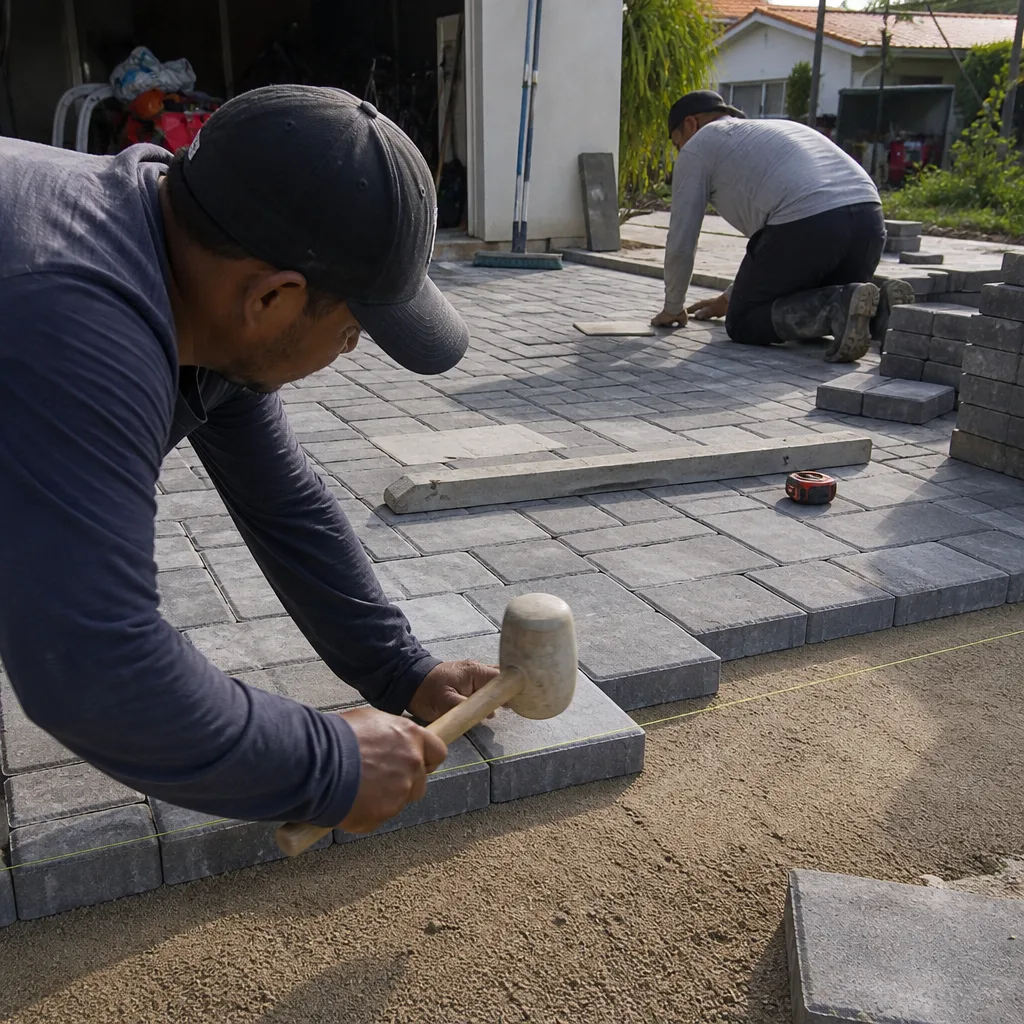
The dry-season rule matters most on the exterior surfaces that weather every day. For Driveway & Pavers in Miami Gardens, the dry window (January – April) is the only sensible time to install or re-sand joints. Pavers from brands like Belgard and Techo-Bloc set and settle properly in dry weather, but wet-season installation can’t establish the compaction and joint sand that keeps the pavers from migrating. A paver surface laid in the dry window holds its line for years longer than one laid in June.
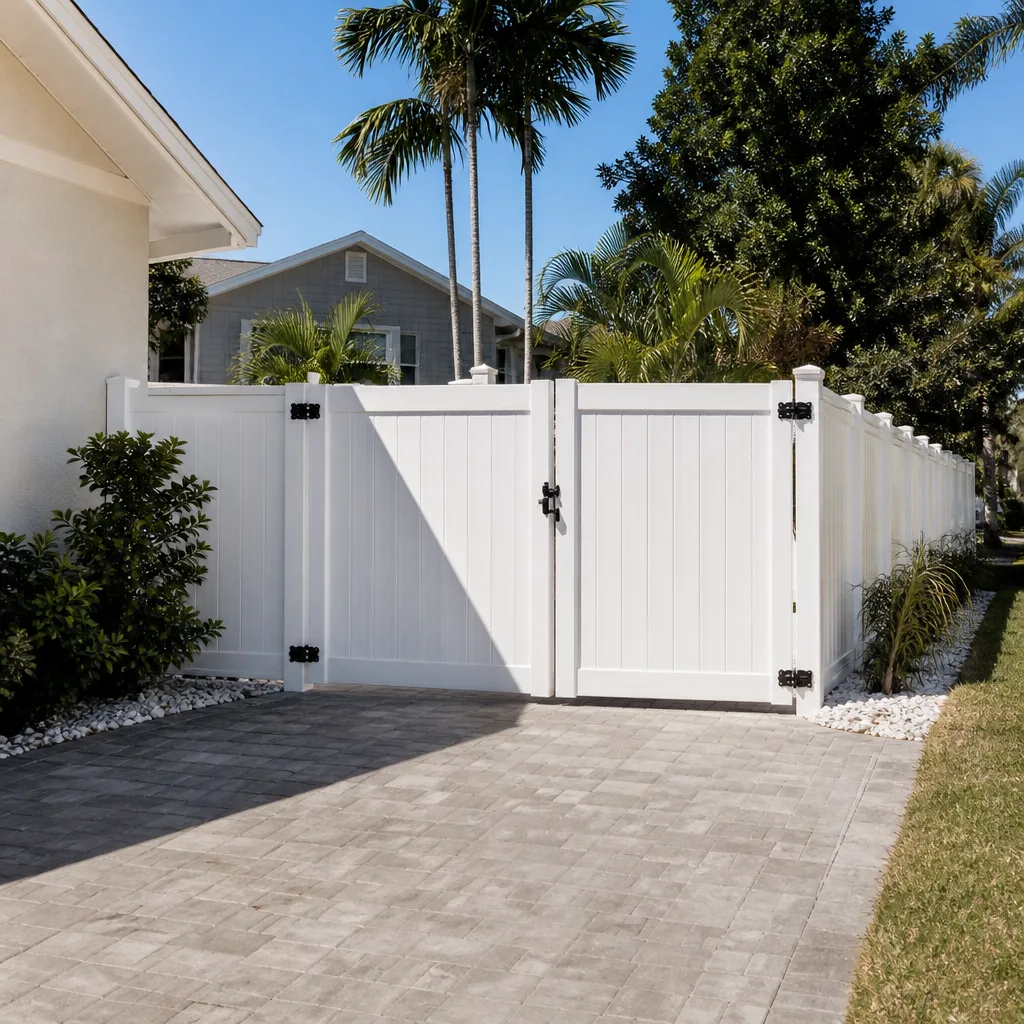
For Fence Installation in Miami Gardens, the same rule applies: posts set in dry, well-drained soil will not heave the way they can when the hole is half full of rain. Post-storm, check every fence post for lean and photograph it before the rain softens the ground further. Aluminum fence fasteners are the small failure point most homeowners miss.
Home additions and ADUs are the exception to the two-season rule because most of the work is interior. For Home Additions & ADU in Miami Gardens, the dry window is for foundation, framing, and roof tie-in; interior finishing can proceed all year. The dry season should still dictate when you schedule the tie-in, because a roof penetration that gets rained on before it’s closed is a problem you’ll spend months paying for. Interior kitchen and bath remodels proceed on their own clock, and the dry season doesn’t drive their schedule.
Whatever the surface, the brand and the spec matter more than the season. BelgarEd and Unilock pavers on a properly prepared base will outlast an unlabeled paver on a bad base regardless of the calendar. The calendar is about scheduling the work in the window where good materials can perform.
Common Mistakes to Avoid
- Waiting until June to inspect. By the time the wet season starts, you have four weeks before the first real downpour. An April inspection is worth more than a July one, and it’s cheaper because the repair window is still open.
- Treating the year as four seasons. The fall and spring clean-up schedule copied from a northern climate doesn’t apply here. Miami Gardens has a dry window and a wet window, and mid-October is still wet season.
- Starting storm repairs before photographing. A settlement reduced by 30 – 50% is the price of skipping the photo record. No contractor should start work before documentation exists.
- Skipping the weep screed. Most homeowners never look at the bottom edge of the stucco, which is exactly where water pools. A blocked weep screed produces interior damage far from the leak.
- Assuming a new roof means no inspection. Fasteners back out and sealants age on new roofs too. The 12-month rule applies regardless of roof age.
- Not keeping inspection records in one file. An adjuster who has to hunt through email and camera roll for three dates will not find them. One folder, dated files, one PDF report.
- Scheduling pavers or fences in the wet season to “save time.” The paver base won’t compact and the fence posts won’t set. Waiting for November is cheaper than redoing it in the spring.
When to Call a Professional
Call a professional when the work involves the roof deck, electrical connections, gas lines, or high-tension components. Those are the categories where the danger outpaces the savings. A backed-out roof fastener, a soft spot in the attic sheathing, a moisture-reading ceiling, or a fence post that has moved more than two inches after a storm are all call-first items. Same for any insurance claim: a licensed inspection report is worth more in the file than anything you can assemble yourself.
Our technicians have up to 19 years of experience, and every crew is background-checked and uniformed, with a live person answering calls 24/7. Rowan Construction Group Miami Gardens offers free estimates in Miami Gardens, with a written scope and a written warranty before any work begins. Call (844) 320-5198 to schedule yours, and if you already have a written estimate from someone else, bring it to us for a Free Second Opinion at no charge.
The 365-Day Done Right Promise backs every job we do: if it’s not done right, we make it right. It’s a terms-page commitment, not an asterisk, and it’s the same guarantee we put on a Miami Gardens roof repair in April as on a wet-season monitoring visit in August. Start with the Rowan Construction Group Miami Gardens home page to see the full set of trades and the written-price standard that governs all of them.
Frequently Asked Questions
January through April is the best window for roof repairs in Miami Gardens. The dry season gives the roofer a dry substrate, and a completed repair before June means the shingles and flashing are closed before the wet season starts. Call (844) 320-5198 to get a written estimate for a January slot before the calendar fills.
A licensed pre-hurricane construction inspection in Miami Gardens typically runs $350 – $600. That covers roof, flashing, stucco, weep screed, window sealants, soffit, and a dated photo report. Against a $4,000 – $15,000 water intrusion repair, it’s the cheapest money you’ll spend on the house. Call (844) 320-5198 – estimates are free.
Yes, at the monitoring level: ceiling spots, window sill moisture, standing water on pavers, and a hose test of the gutters are all within reach. Roof walking, electrical panel checks, and any high-tension work are not. If the moisture meter reads wet, call a professional before the damage reaches the interior finish.
Photograph every side of the home wide first, then each damaged component close-up with a ruler in frame, then a narrated walkthrough video with the date visible. Photograph damaged material before disposal. Do this before filing the Notice of Loss so the insurer has a pre-loss baseline. Call (844) 320-5198 for a documented inspection if the damage is on the roof or sheathing.
Yes. Starting repairs without a photo record can reduce a settlement by 30 – 50%, because the adjuster has no way to establish pre-loss condition. Temporary mitigation is fine; permanent repairs before documentation are the expensive mistake. File the Notice of Loss early, then photograph everything before work starts.
Roughly January 1 through late April. In our experience, Miami Gardens crews fill the dry window fast because every homeowner in the metro wants the same four months. Booking a roof or stucco repair in November for a February slot is the practical move. Call (844) 320-5198 to get the written price before you commit.
The Bottom Line
Miami Gardens treats construction as a two-season trade: repair in the dry window, monitor and document through the wet months. The five components that fail first (roof fasteners, mortar joints, weep screed, window sealants, soffit fasteners) need a 12-month inspection interval, and every inspection needs a dated photo record an adjuster can use. A $350 – $600 pre-hurricane inspection prevents the $4,000 – $15,000 claims that follow skipped checks. Dry-season repairs proceed on schedule; wet-season monitoring protects the work. Get the written price before anyone picks up a tool, and photograph everything before any repair begins.
Rowan Construction Group Miami Gardens offers free estimates across all seven trades, with a flat written price and written scope before work starts and a documented photo record on every visit. Call (844) 320-5198 to schedule a free estimate, or bring a competitor’s written quote in for a Free Second Opinion at no charge. The 365-Day Done Right Promise applies to every job, and every crew is background-checked and uniformed before they arrive at your door.
Written by the team at Rowan Construction Group Miami Gardens.
See the difference
 Before
 After
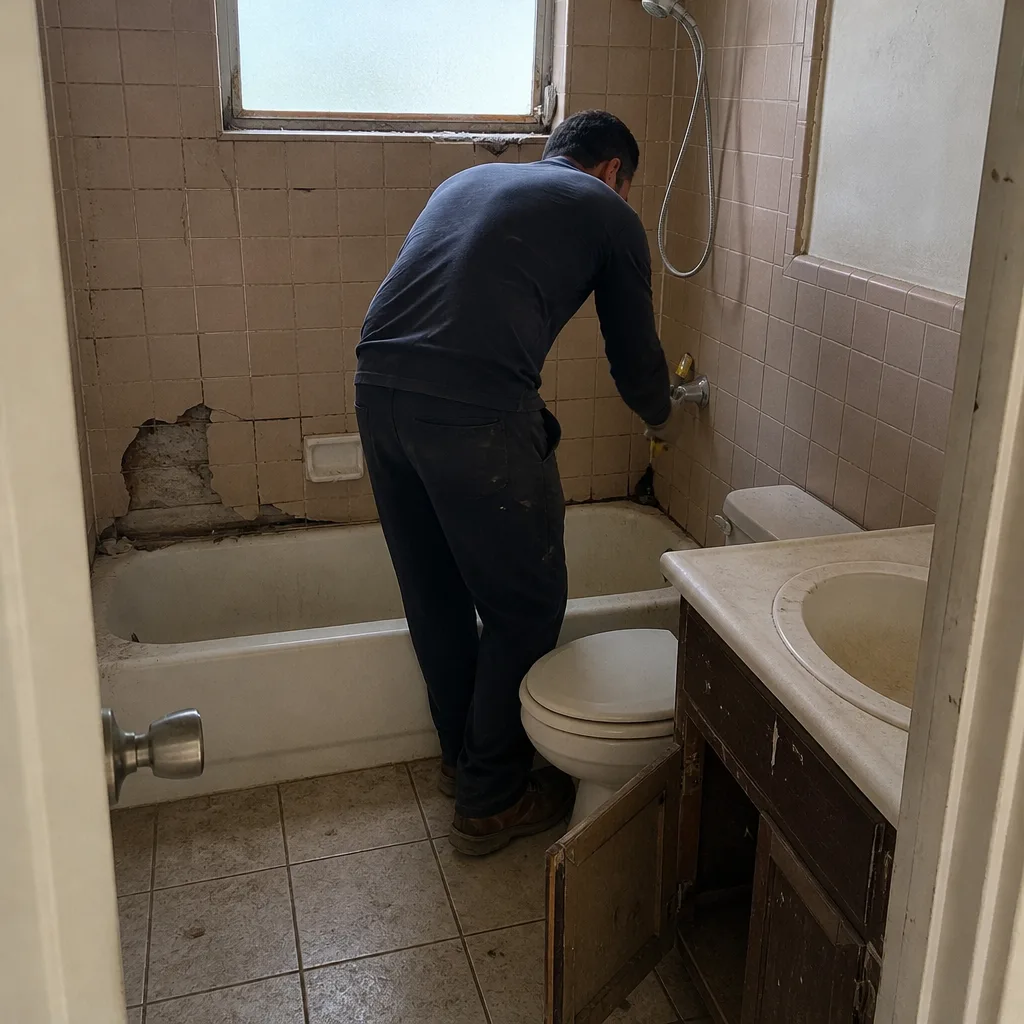 Before
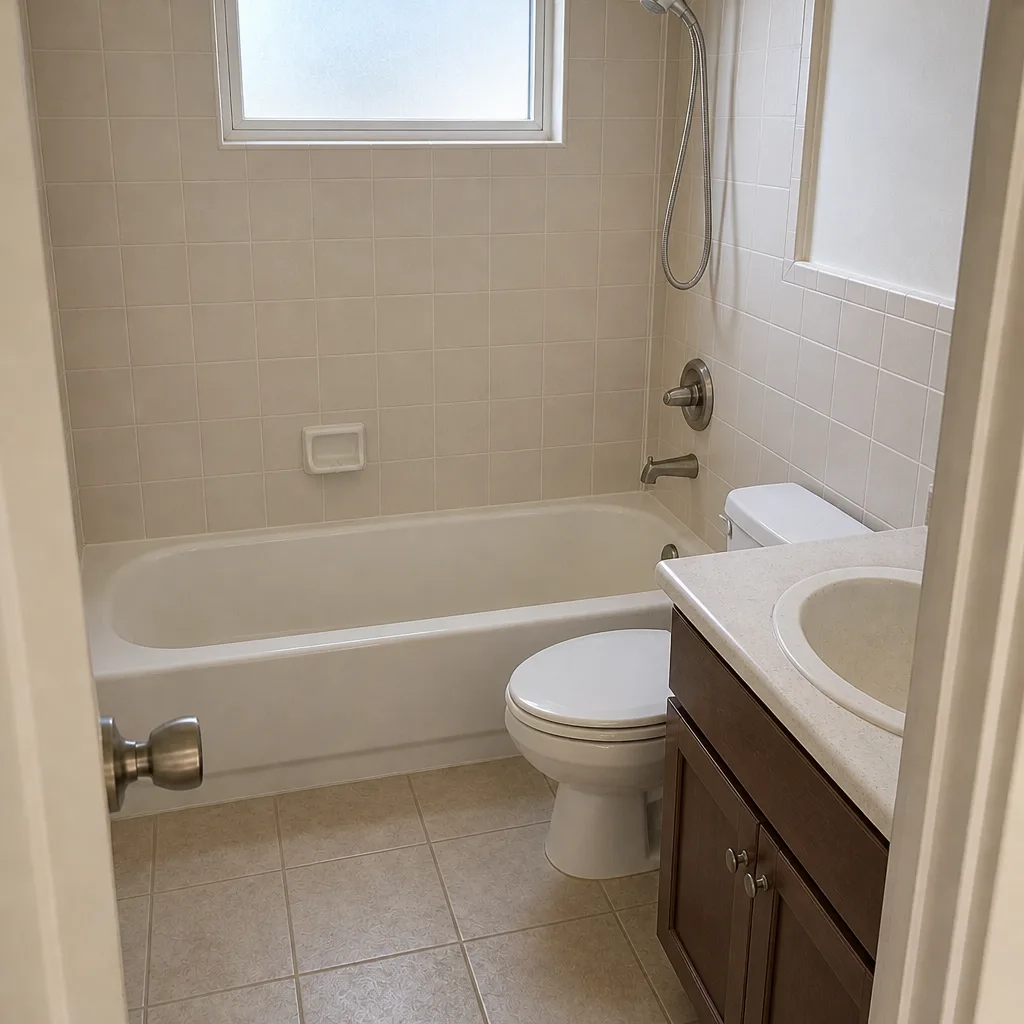 After
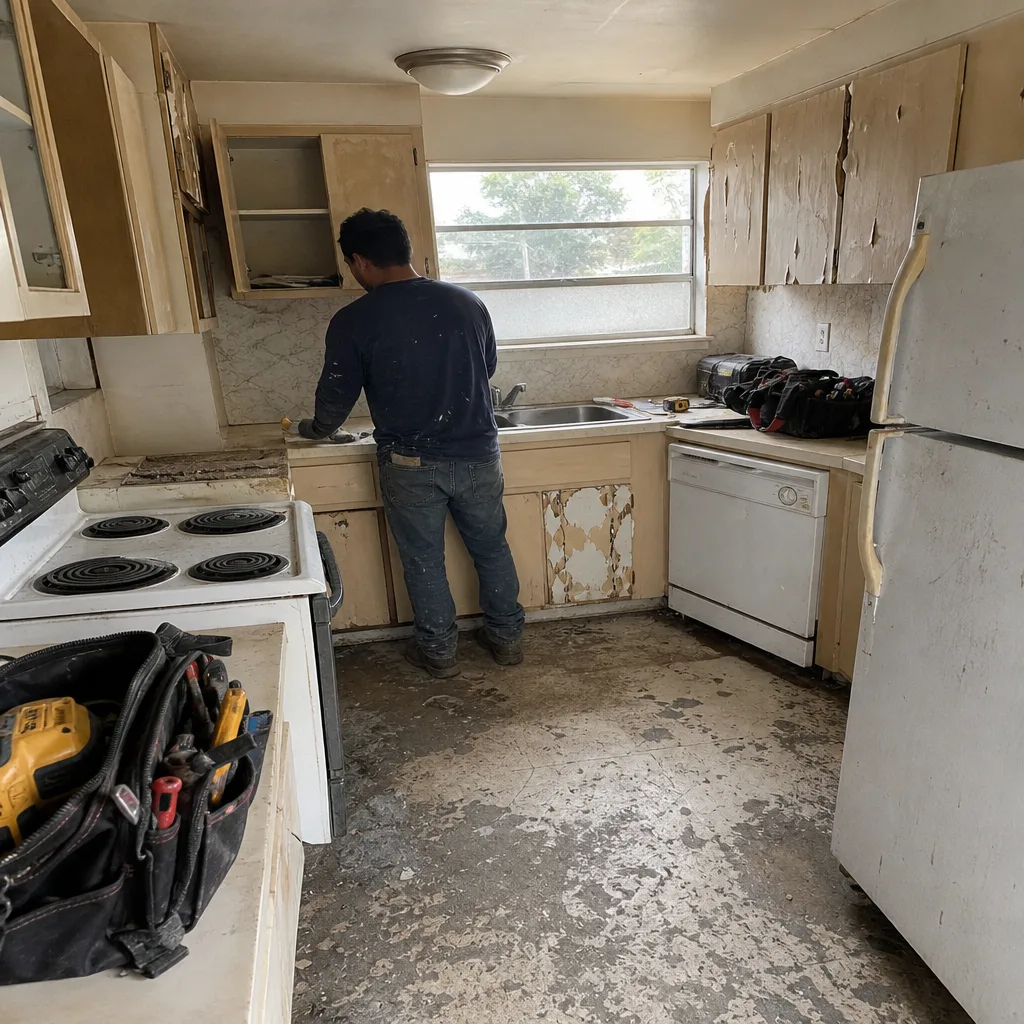 Before
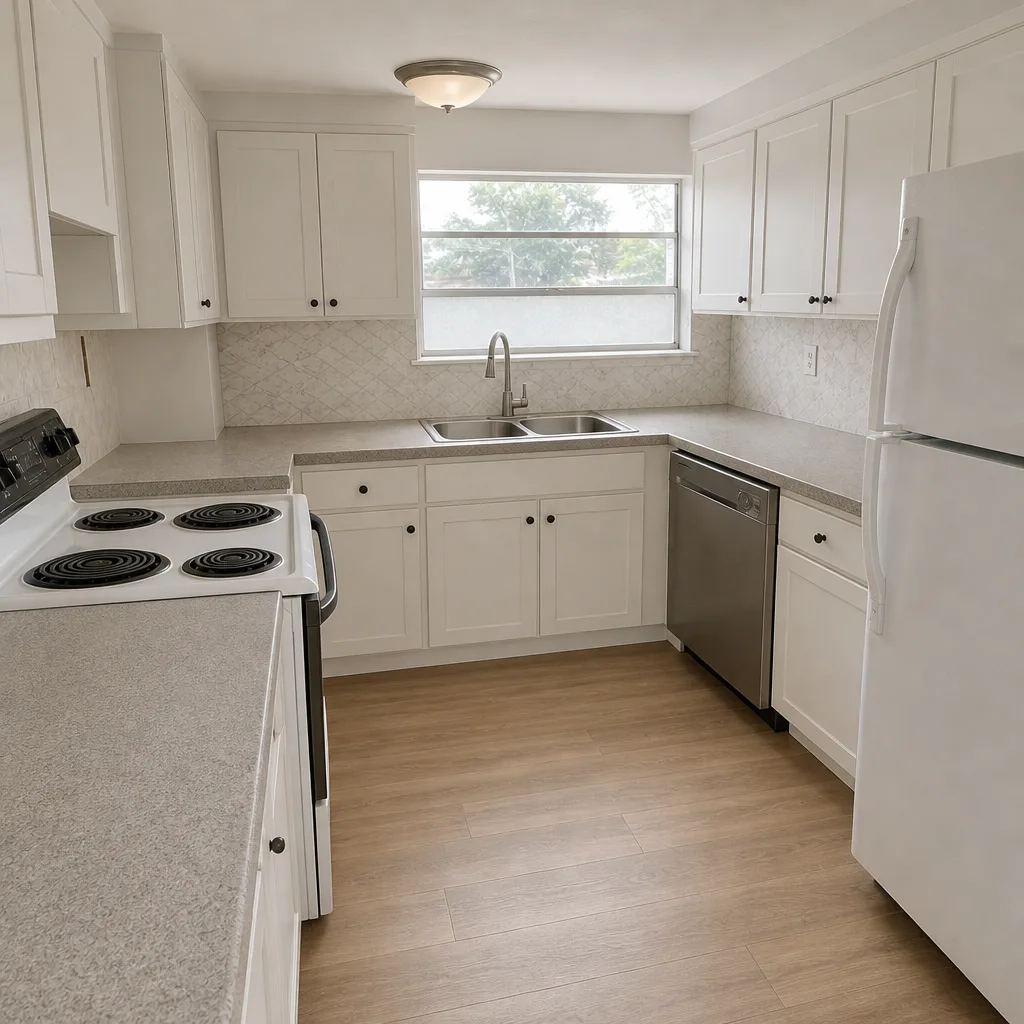 After